The True Cost of an NV4500 Transmission Rebuild in 2026
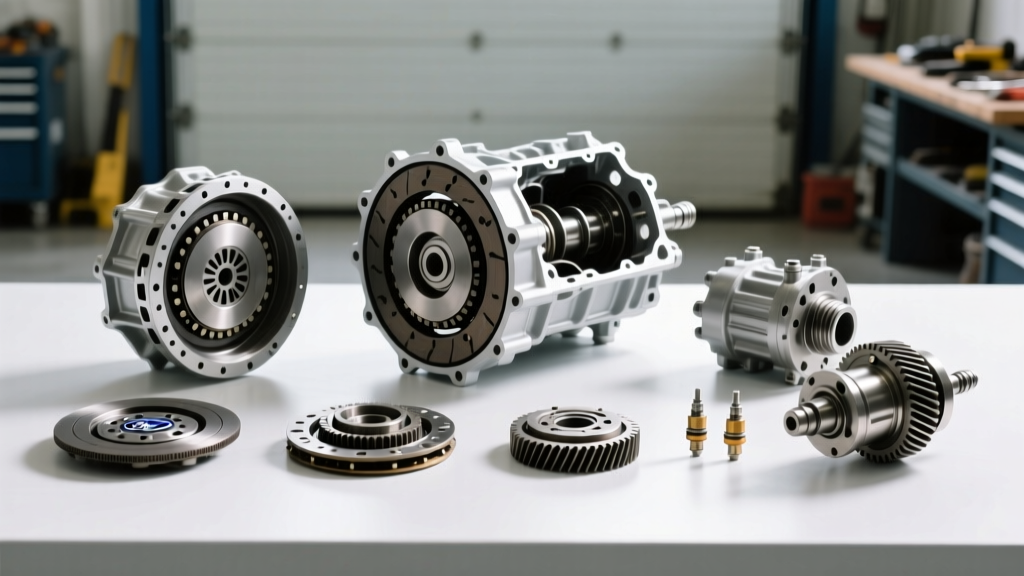
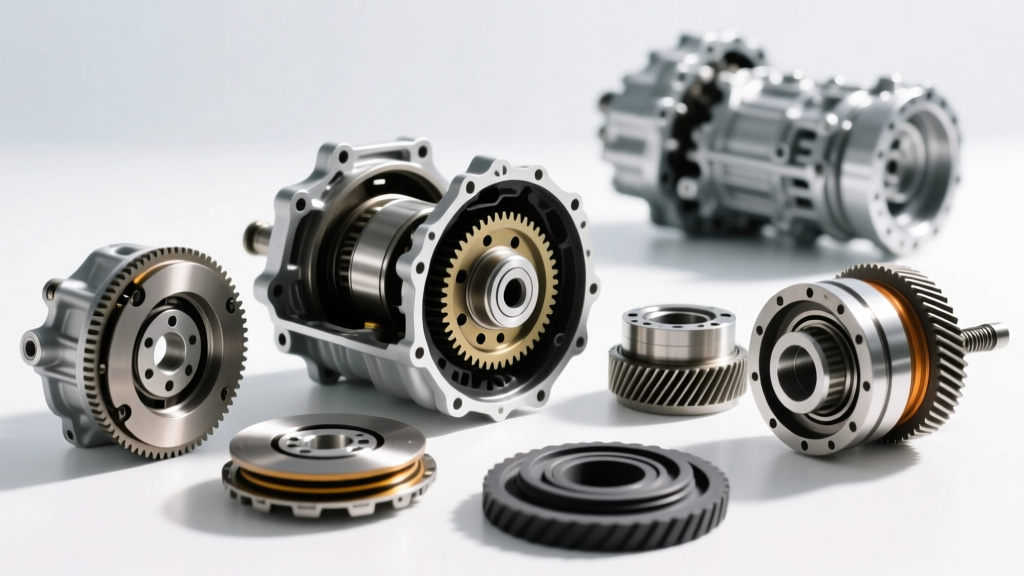
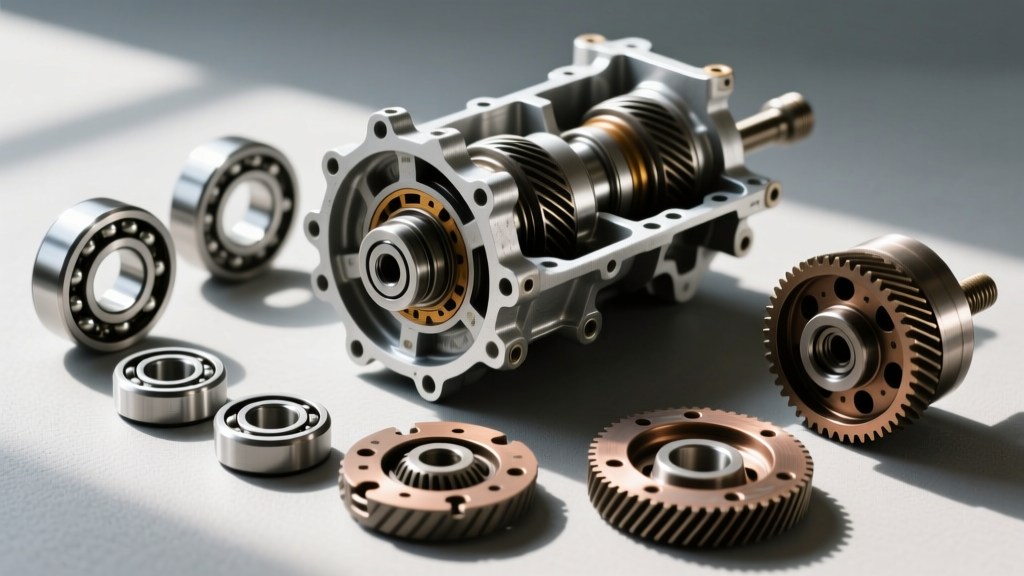
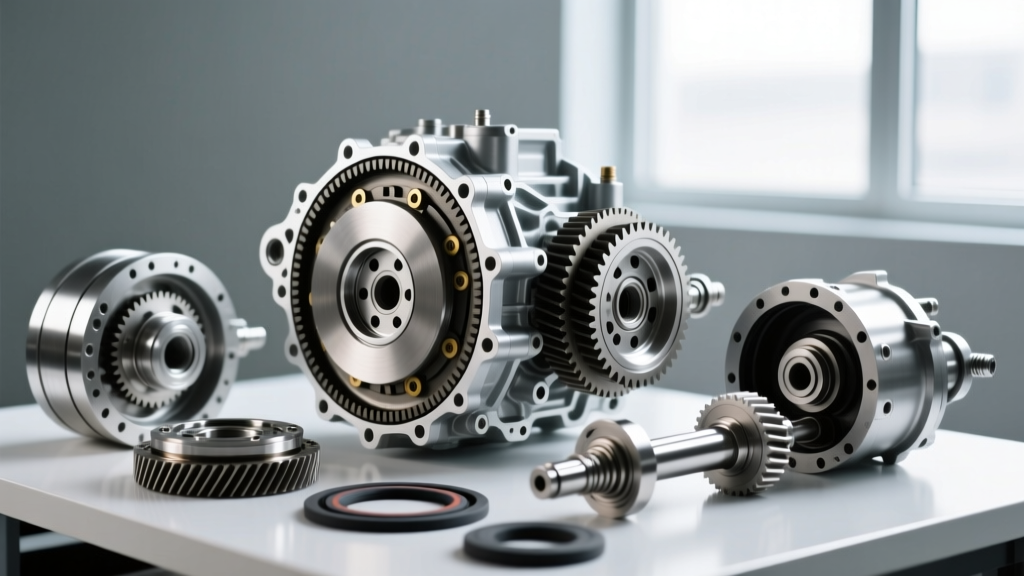
The New Venture Gear NV4500 is a legendary heavy-duty 5-speed manual transmission, famously bolted behind 5.9L and 6.7L Cummins diesels in Dodge Ram trucks, as well as GM's big-block V8 and Duramax platforms. When an NV4500 finally succumbs to hundreds of thousands of miles of towing abuse, a complete teardown and rebuild is mandatory. However, as you finalize the invoice with your transmission specialist, you may be offered an optional service: post-assembly dynamometer (dyno) testing.
Before deciding if this $250 to $500 add-on is worth your money, we must establish the baseline cost of an NV4500 transmission rebuild. In the current 2026 market, a professional rebuild involves significant investment:
- Master Rebuild Kit (Bearings, Synchros, Seals, Gaskets): $450 - $850
- Hard Parts (Mainshaft, Input Shaft, 5th Gear Replacement): $400 - $1,400
- Machine Work & Assembly Labor: $900 - $1,600
- Specialty Fluid (4 Quarts GL-4 Synchromesh): $80 - $120
With a total baseline investment ranging from $1,830 to $3,970, the financial stakes are high. The core question for heavy-duty truck owners and fleet managers is whether paying an additional 10% to 15% for dyno testing provides a tangible return on investment, or if it is merely a shop upsell.
What is Manual Transmission Dyno Testing?
Unlike automatic transmissions, which require hydraulic pressure and torque converter simulation to verify shift points and clutch pack engagement, manual transmissions like the NV4500 are mechanically actuated. A manual transmission dyno test stand utilizes a high-torque electric motor to drive the input shaft and an eddy-current brake or inertia wheel to apply rotational load to the output shaft.
During a standard 45-to-60-minute NV4500 dyno cycle, the technician evaluates several critical parameters:
- NVH (Noise, Vibration, and Harshness): Detecting bearing whine, gear clash, or mainshaft runout under load.
- Synchronizer Block-Out: Ensuring the carbon-fiber or Kevlar-lined synchro rings properly arrest gear momentum without grinding.
- Thermal Expansion & Leak Detection: The unit is run until it reaches operating temperature (approx. 140°F - 160°F) to verify that the input seal, output seal, and shift tower O-rings do not weep when the Castrol Syntorque or GM Synchromesh fluid thins out.
- Jump-Out / Walk-Out Testing: Applying deceleration and engine-braking loads to ensure the transmission does not pop out of gear, a notorious issue in specific NV4500 gearsets.
Cost-Benefit Analysis: Dyno Fee vs. R&R Labor
To understand the value of dyno testing, we must compare the upfront cost of the test against the catastrophic cost of an R&R (Remove and Replace) procedure if the transmission fails immediately after installation.
| Cost Factor | Scenario A: Skip Dyno Test | Scenario B: Perform Dyno Test |
|---|---|---|
| Dyno Testing Fee | $0 | $350 (Average) |
| Installation / R&R Labor (4x4 HD Truck) | $1,050 (7.0 hrs @ $150/hr) | $1,050 (7.0 hrs @ $150/hr) |
| Fluid Replacement (if leaked) | $120 | $0 |
| Diagnosing In-Vehicle Leak/Noise | $225 (1.5 hrs) | $0 |
| Second R&R Labor (if unit must be pulled) | $1,050 | $0 |
| Shop Bench Repair / Re-Test | $300 | Covered by initial test |
| Total Potential Liability | $2,745 | $350 |
Note: R&R book time for a 4WD Dodge Ram 2500/3500 NV4500 removal is notoriously labor-intensive due to the weight of the cast-iron case (approx. 178 lbs dry), the complexity of the transfer case adapter, and the need to support the massive Cummins engine block while unbolting the bellhousing.
The NV4500's Fatal Flaw: 5th Gear Walk-Out
The most compelling financial argument for dyno testing an NV4500 lies in its most infamous engineering vulnerability: the 5th gear mainshaft nut. According to Novak Conversions' comprehensive NV4500 guide, the 5th gear and its needle bearing ride on the rear of the mainshaft, secured by a large nut.
If the mainshaft nut is not torqued to the exact factory specification of 145 to 160 lb-ft and properly secured (either via staking the nut collar or using a high-strength anaerobic threadlocker like Loctite 271), the nut will back off under the extreme deceleration loads of diesel engine braking. When this happens, 5th gear literally slides off the mainshaft, destroying the aluminum rear case extension and turning a $3,000 rebuild into a $5,500 paperweight.
Expert Insight: A static bench spin cannot replicate the harmonic vibrations and deceleration torque required to loosen an improperly staked 5th gear nut. The dyno applies variable eddy-current braking loads that simulate 8% grade downhill towing, instantly exposing a loose mainshaft nut before the unit ever touches your truck's frame rails.
Fluid Dynamics and Shift Tower Integrity
The NV4500 requires a highly specific GL-4 rated manual transmission fluid, typically GM Synchromesh (Part #12345349) or the legacy Castrol Syntorque. Standard GL-5 gear oils contain sulfur additives that will corrode the yellow metals (bronze/carbon) in the NV4500's synchronizers. Furthermore, the capacity is relatively low at roughly 3.8 to 4.0 quarts.
During the dyno's thermal cycle phase, the fluid temperature rises, decreasing its viscosity. This is the exact moment that poorly seated shift tower O-rings, porous casting repairs (often done on the Dodge adapter housing), or improperly seated output shaft seals begin to weep. Catching a $4 rear output seal leak on the dyno costs 15 minutes of shop time. Catching it in your driveway after a 500-mile tow means draining expensive GL-4 fluid, risking dry-bearing damage, and paying for a transmission jack rental.
Shift Rail Detent Spring Binding
Another critical failure point verified on the dyno is shift rail binding. The NV4500 uses a complex array of detent springs and poppets inside the top cover. If the rebuild technician used incorrect spring tension, or if the shift forks are slightly warped from previous abuse, the transmission may exhibit 'false neutrals' or require excessive physical force to engage 2nd or 3rd gear. The dyno operator uses a mechanical shifting actuator to cycle through the gates hundreds of times, measuring the exact pound-force required to engage each synchro. If the engagement force exceeds OEM parameters, the top cover is pulled and adjusted immediately.
When Can You Safely Skip the Dyno Test?
While we highly advocate for dyno testing on heavy-duty applications, there are specific scenarios where the cost analysis shifts:
- 2WD Gas Truck Applications: If your NV4500 is bolted to a lower-torque GM V8 in a 2WD truck, the R&R labor time is significantly lower (approx. 3.5 to 4.5 hours), and the stress on the 5th gear nut during engine braking is minimal.
- Budget Off-Road / Swap Vehicles: If the transmission is going into a low-speed rock crawler or a budget engine-swap project where cabin noise and minor seepage are acceptable, the $350 dyno fee might be better spent on upgraded transfer case gearing.
Final Verdict: Protecting Your Drivetrain Investment
An NV4500 transmission rebuild is a major mechanical investment designed to keep your heavy-duty truck on the road for another 250,000 miles. When evaluating the total cost of ownership, the $250 to $500 premium for post-assembly dyno testing acts as an insurance policy against the astronomical labor costs associated with pulling a 180-pound cast-iron transmission out from under a 4x4 diesel truck.
By verifying synchro block-out, thermal seal integrity, and the critical 5th gear mainshaft nut torque under simulated load, the dyno bridges the gap between a 'bench-assembled' transmission and a 'road-proven' unit. For any Cummins or Duramax owner relying on their truck for commercial towing or heavy daily use, the dyno test is not an optional upsell—it is a mandatory step in the quality control process.