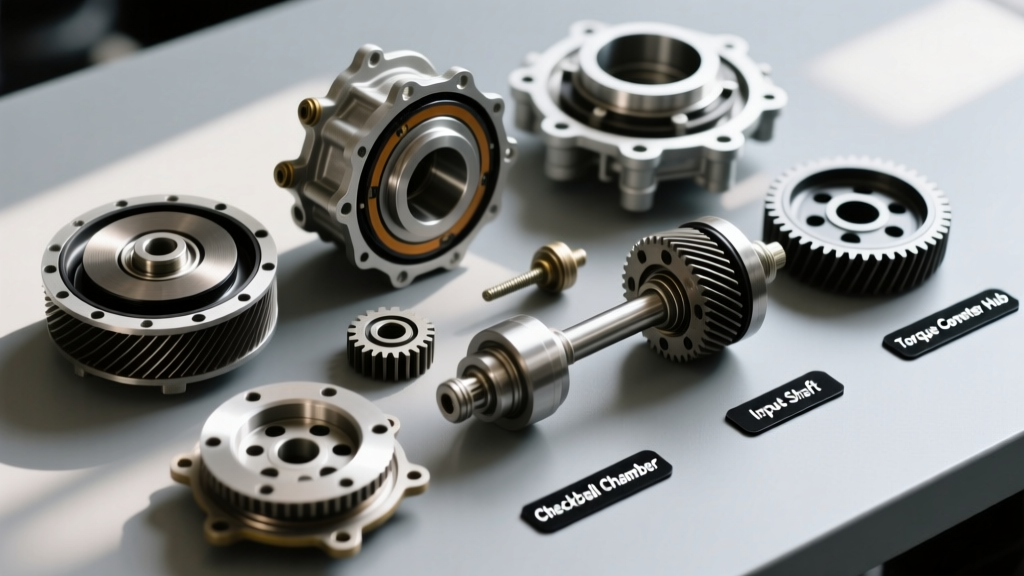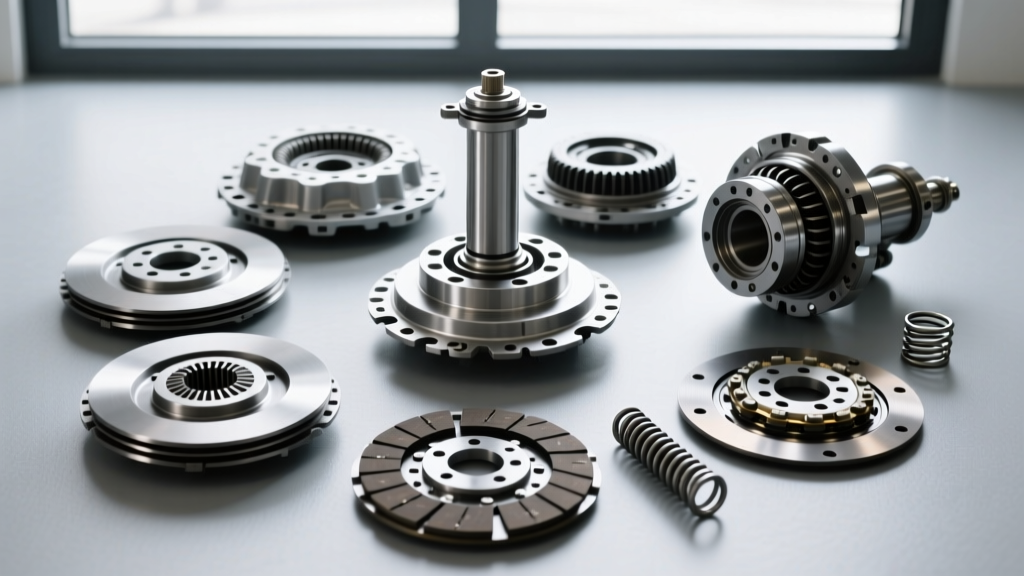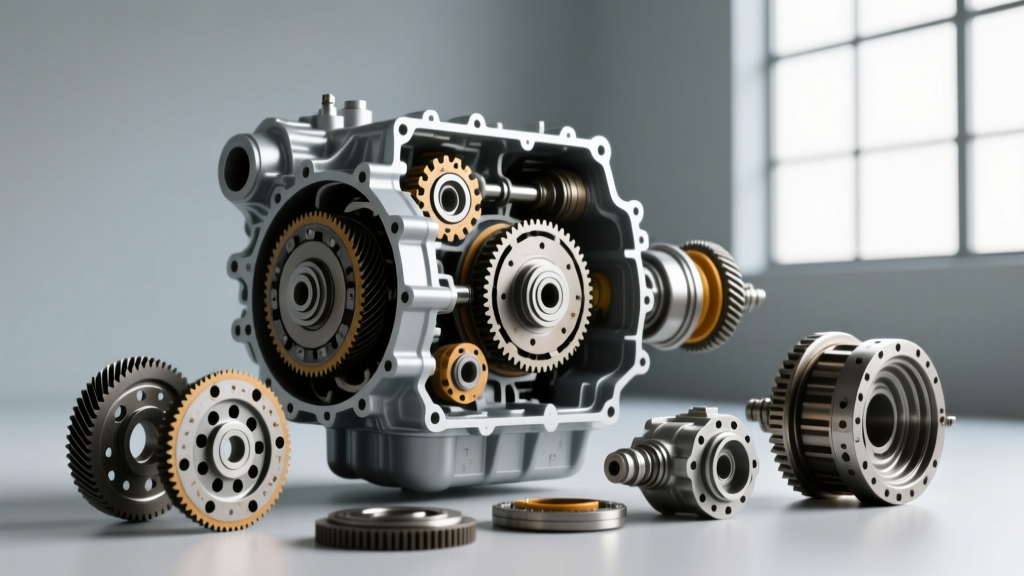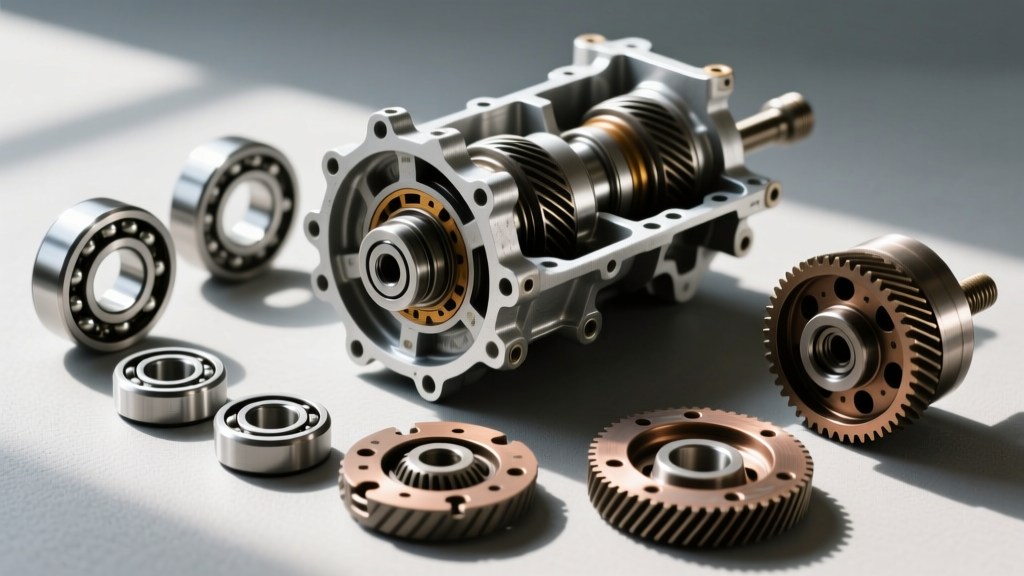
The Muncie 4-speed transmission—encompassing the M20 wide-ratio, M21 close-ratio, and the legendary M22 'Rock Crusher'—remains a cornerstone of American muscle car history. However, as we navigate the classic car restoration and resto-mod landscape in 2026, the aftermarket is heavily saturated with low-quality offshore reproduction components. A successful Muncie 4 speed transmission rebuild requires much more than simply tearing down the aluminum case and ordering a generic kit. It demands precise symptom diagnosis paired with strategic, year-correct parts sourcing.
Whether you are dealing with a whining input shaft, a gear that pops out under deceleration, or a brutal grinding sensation during 2nd-to-3rd shifts, diagnosing the exact failure mode before purchasing parts will save you hundreds of dollars and prevent catastrophic case damage. Below, we break down how to source the right components based on the specific symptoms your Muncie is exhibiting.
The Diagnostic Matrix: Matching Symptoms to Muncie Components
Before opening up your wallet or your transmission case, use this diagnostic matrix to isolate the failure. Muncie transmissions are highly communicative; their mechanical noises and shifting behaviors point directly to specific worn components.
| Observed Symptom | Probable Internal Failure | Specific Part to Source |
|---|---|---|
| Pops out of 2nd or 3rd gear on deceleration | Worn mainshaft pilot bushing allowing shaft sag, or detent spring fatigue | Solid bronze pilot bushing (avoid sintered iron), heavy-duty side cover detent springs |
| Whining in neutral that stops when clutch is depressed | Worn input shaft front bearing or countershaft front bearing | Timken or FAG specific input/countershaft tapered bearing kits |
| Grinding on 2nd-3rd or 3rd-4th upshifts | Worn synchro rings, rounded slider teeth, or incorrect strut keys | Year-correct brass synchro rings, OEM-style sliders, steel strut keys |
| Vibration or clunking at high RPM in 4th gear | Mainshaft endplay exceeding tolerances, worn tailhousing bushing | Selective mainshaft snap rings, bronze tailhousing bushing (grooved for oiling) |
| Fluid weeping from the front bearing retainer | Worn input shaft seal surface or incorrect paper gasket thickness | SKF/Chicago Rawhide input seal, correct 1/16" front retainer gasket |
The Danger of Generic 'Master Kits': Sourcing Bearings and Synchros
One of the most costly mistakes in a Muncie rebuild is purchasing a $150 'Master Rebuild Kit' from generic online marketplaces. These kits frequently include soft, poorly machined brass synchro rings and out-of-spec bearings that will fail within 500 miles. When sourcing bearings, you must demand name-brand components. According to master builders at Paul's Transmissions, utilizing genuine Timken and FAG bearings for the input, output, and countershaft is non-negotiable. Furthermore, the needle bearings supporting the gears on the mainshaft should be high-quality Torrington units (such as the B-2222 or equivalent depending on your specific gear configuration).
The Synchro Ring Year-Split Trap
A critical troubleshooting point that catches many DIY rebuilders off guard is the synchro ring design change. General Motors altered the Muncie synchro and slider assembly mid-production.
- 1963 to 1965 (Early Style): Features a specific strut key slot design and synchro ring friction surface.
- 1966 to 1974 (Late Style): Utilizes a wider, more robust synchro ring with a different strut key configuration.
Gearset Procurement: M20 vs. M21 vs. M22 Reality Check
When a Muncie suffers from chipped teeth or severe pitting on the gear flanks, sourcing a replacement gearset becomes necessary. However, the 'Rock Crusher' M22 is widely misunderstood in the classic car community. Many enthusiasts blindly source M22 gearsets under the assumption that it is a universal upgrade.
If you absolutely require the heavy-duty nature of the M22 for a track car but want to mitigate the deafening whine, source the modernized Super M22 gearsets produced by Auto Gear Equipment (AGE). These modern iterations use updated metallurgy and slightly revised helix angles to handle over 600 lb-ft of torque while maintaining acceptable NVH (Noise, Vibration, and Harshness) levels for the street.Expert Insight: The original M22 gearset utilizes a 20-degree helix angle, compared to the 29-degree helix angle of the M20 and M21. While the straighter cut reduces end-load on the mainshaft (making it ideal for high-horsepower drag racing), it drastically increases gear whine and reduces street usability. If your symptom is simply worn gears from high mileage, sourcing a new M21 close-ratio set is vastly superior for a street-driven build.
Small Parts, Shims, and Critical Tolerances
The difference between a Muncie that shifts like butter and one that binds and pops out of gear lies entirely in the small parts and shimming procedures. You cannot simply reuse old snap rings and shims. You must source a comprehensive small parts kit that includes a full array of selective thickness snap rings for the mainshaft and countershaft.
Critical Muncie Tolerances & Torque Specs
- Mainshaft Endplay: Must be strictly maintained between 0.004" and 0.008". Excessive endplay causes the gear train to oscillate, leading to the 'pops out of gear' symptom under load. Use a dial indicator and source the correct selective front bearing retainer shims to achieve this.
- Countershaft Endplay: Target 0.002" to 0.006". This is adjusted via selective snap rings on the countershaft front bearing.
- Side Cover Gasket Thickness: Do not use thick, modern silicone RTV in place of the paper gasket. The side cover relies on a specific gasket thickness (usually around 0.010") to maintain proper alignment with the shift rail detents. RTV squish will alter the shift rail depth, causing false neutrals.
- Torque Specifications: Side cover to case bolts: 15-20 lb-ft. Tailhousing to case bolts: 35-40 lb-ft. Front bearing retainer: 15 lb-ft. Always use a calibrated inch-pound or low-range foot-pound torque wrench; overtightening the side cover will warp the thin aluminum casting and bind the shift rails.
2026 Muncie Rebuild Cost & Sourcing Breakdown
Budgeting for a proper Muncie 4 speed transmission rebuild requires looking past the initial kit cost. Below is a realistic 2026 pricing breakdown for sourcing high-quality, symptom-correct components from reputable vendors.
| Component Category | Sourcing Tier | Estimated 2026 Cost | Notes |
|---|---|---|---|
| Master Bearing & Seal Kit | Premium (Timken/FAG/SKF) | $280 - $350 | Avoid sub-$150 kits with unbranded bearings. |
| Synchros & Sliders (Complete Set) | OEM-Style Brass & Steel | $220 - $290 | Verify early vs. late style before purchasing. |
| Replacement Gearset (M21) | Aftermarket High-Grade | $650 - $850 | Required if gear dog teeth are rounded or pitted. |
| Small Parts, Shims, & Gaskets | Specialty Vendor Kit | $80 - $120 | Must include selective snap rings and detent springs. |
| Mainshaft (Replacement) | Hardened Aftermarket | $180 - $250 | Only if original mainshaft needle bearing surfaces are scored. |
Ultimately, diagnosing your Muncie's specific symptoms before tearing it down dictates your parts list. By avoiding generic kits, respecting the early/late year splits, and adhering to strict endplay tolerances, your rebuilt Muncie 4-speed will deliver the crisp, mechanical shifting feel that defined an era of American automotive engineering.