The Critical Role of the PNP Switch in Nissan Drivetrains
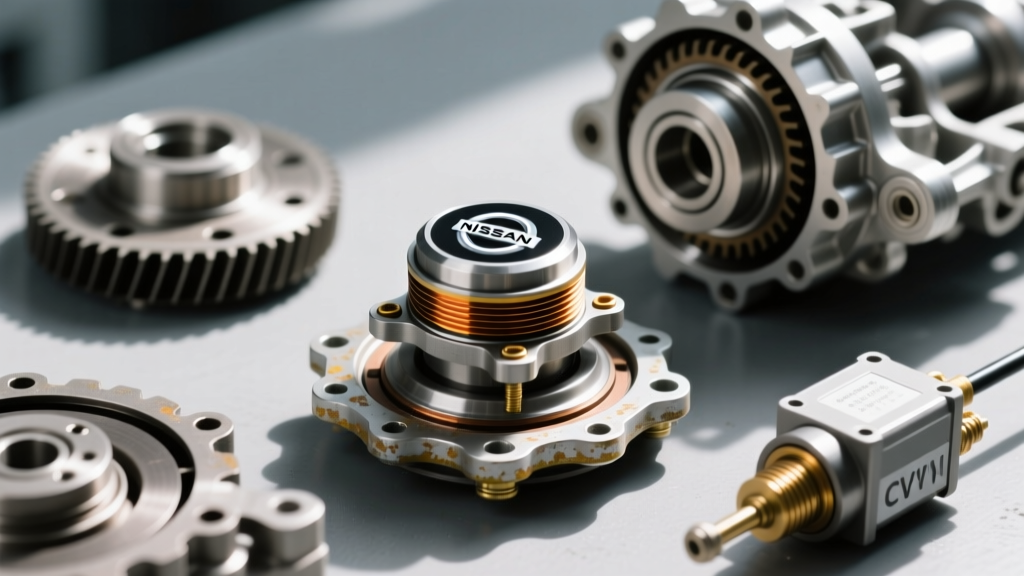
In the Nissan ecosystem, the transmission range sensor—officially designated in factory service manuals as the Park/Neutral Position (PNP) switch or inhibitor switch—is a vital safety and operational component. Whether your vehicle is equipped with a traditional Jatco 5-speed automatic or a modern RE0F10A / RE0F11A Continuously Variable Transmission (CVT), the range sensor dictates starter interlock logic, reverse light illumination, and shift-by-wire communication with the Transmission Control Module (TCM).
When the Nissan transmission range sensor fails, the vehicle's PCM cannot verify if the transmission is safely in Park or Neutral. This results in a no-crank condition, erratic shifting, or the transmission defaulting to limp mode. In this comprehensive 2026 model-specific repair guide, we will dissect the exact failure points across Nissan's most popular platforms, decode proprietary OBD-II trouble codes, and provide the precise mechanical alignment procedures required for a permanent fix.
Decoding Nissan Range Sensor DTCs
Before ordering parts, you must pull the exact diagnostic trouble codes (DTCs) using a bi-directional OBD-II scanner capable of reading Nissan-specific manufacturer codes. While generic P07xx codes point to the circuit, Nissan's proprietary P1xxx codes isolate the exact internal switch mechanism.
| DTC | Description | Common Nissan Trigger |
|---|---|---|
| P0705 | Transmission Range Sensor Circuit Malfunction | Open or shorted signal wire between PNP switch and TCM/ECM. |
| P0706 | Transmission Range Sensor Circuit Range/Performance | Mechanical misalignment; shift shaft out of sync with sensor wiper. |
| P1706 | PNP Switch Circuit (Nissan Specific) | Internal contact corrosion or IPDM relay failure mimicking switch fault. |
| P0850 | Park/Neutral Switch Input Circuit | Faulty neutral safety signal preventing starter engagement. |
Model-Specific Failure Patterns: CVT vs. Jatco Automatics
Nissan's engineering layout varies wildly between its CVT passenger cars and its body-on-frame trucks. Understanding where your range sensor lives is half the battle in diagnosing environmental failure modes.
Altima, Rogue, and Sentra (Jatco CVT7 / CVT8 Platforms)
On front-wheel-drive Nissan CVTs, the transmission range sensor is typically mounted on the top or side of the transmission casing, situated directly beneath the 12V battery and battery tray. The primary failure mode here is battery acid corrosion. Micro-leaks from aging lead-acid batteries drip sulfuric acid onto the PNP switch connector, eating through the terminal pins and causing intermittent P0705 codes. Furthermore, water pooling from clogged cowl drains can submerge the connector, leading to internal pin oxidation.
Frontier, Pathfinder, and Xterra (Jatco RE5R05A / JR507E 5-Speed)
For Nissan's rugged truck lineup, the PNP switch is mounted externally on the driver's side of the transmission case, actuated by the manual shift shaft. These units are highly exposed to road debris, mud, and high-pressure car wash sprays. The rubber O-ring sealing the shift shaft into the switch housing hardens over time, allowing moisture to infiltrate the internal copper contact wiper. Nissan actually issued massive recalls (such as campaign PC927) for these exact switches due to corrosion causing unintended rollaways or stalling in traffic. You can verify if your VIN is affected via the NHTSA Recalls Database.
Step-by-Step Replacement and Neutral Alignment Procedure
Replacing a Nissan transmission range sensor is not a simple 'unbolt and swap' job. If the new sensor is not mechanically aligned to the transmission's internal neutral detent, the vehicle will throw a P0706 code immediately, and the starter will not engage in Park. Follow these exact steps for models utilizing the external shift-shaft mounted PNP switch (e.g., 31942-1XF0A / 31942-1XA0A part families).
1. Preparation and Removal
- Disconnect the negative battery terminal to prevent shorting the starter interlock circuit.
- Remove the air intake ducting to access the shift lever on top of the transmission.
- Remove the manual shift lever retaining nut (typically 12mm or 14mm). Expert Tip: Note the exact spline position of the lever before removing it, though the neutral alignment pin will supersede this.
- Unbolt the two 10mm mounting bolts securing the PNP switch to the transmission casing.
- Disconnect the electrical harness and carefully extract the old sensor.
2. The Critical Neutral Alignment
This is where most DIYers fail. The new PNP switch and the transmission shift shaft must both be placed in the exact Neutral position before mating.
- Rotate the transmission shift shaft (using a 12mm wrench on the flat spots) until the internal detent clicks into the Neutral position (usually two clicks forward from the rearmost Park position).
- Locate the alignment marks on the new PNP switch. There is a small dimple or line on the rotor inside the switch that must align perfectly with the notch on the switch housing.
- Many Nissan OEM switches come with a temporary alignment pin (or a small hole designed for a 4mm drill bit) that locks the rotor to the housing in the Neutral position. Leave this pin in place during installation.
- Slide the switch onto the shift shaft, ensuring the flats of the shaft mate with the flats inside the switch rotor.
3. Torque Specifications and Reassembly
Proper torque is vital to prevent the switch from vibrating out of alignment, which will trigger a P0706 code. Consult the NicoClub FSM Archives for your specific year, but standard Nissan PNP torque specs are:
- PNP Switch Mounting Bolts (M6): 7.0 Nm (62 in-lbs). Do not overtighten, or you will crack the plastic housing.
- Manual Shift Lever Nut: 22.6 - 28.4 Nm (17 - 21 ft-lbs).
Crucial Final Step: Once the switch is bolted down and the shift lever is reattached, you must remove the alignment pin or drill bit from the switch housing. If you forget this, the shifter will be physically locked and unable to move out of Neutral.
OEM vs. Aftermarket Parts & 2026 Cost Breakdown
When sourcing a replacement Nissan transmission range sensor, the market is flooded with cheap imports that suffer from premature wiper-track wear. Below is a realistic cost and part-number breakdown for 2026 repairs.
| Component Type | Part Number Examples | Avg. Price Range | Expert Verdict |
|---|---|---|---|
| OEM Nissan (Hitachi) | 31942-1XF0B, 31942-1XA0A | $95 - $160 | Highly Recommended. Ensures perfect spline fitment and weather-seal integrity. |
| Premium Aftermarket (Beck-Arnley / Standard) | 201-2045, FDS114 | $65 - $90 | Good alternative if OEM is on backorder. Reliable internal contacts. |
| Budget Import (Duralast / WAI) | Various | $35 - $55 | Avoid. Prone to P0706 codes within 6 months due to sloppy housing tolerances. |
Labor at an independent Nissan specialist typically runs 1.2 to 1.5 hours ($180 - $250), bringing the total out-the-door repair cost to between $275 and $410.
Advanced Diagnostics: When the Sensor Isn't the Culprit
If you have replaced the PNP switch, performed the neutral alignment, and cleared the codes, but the vehicle still exhibits a no-crank condition or throws a P1706 code, you must look upstream. In modern Nissans, the range sensor signal does not always go straight to the starter relay.
The IPDM Factor
The Intelligent Power Distribution Module (IPDM), located in the engine bay fuse box, acts as the gateway for the starter interlock signal. On models like the 2013-2018 Altima and Rogue, the IPDM is notorious for internal solder joint failures and moisture ingress. If the IPDM cannot process the Park/Neutral signal from the newly installed range sensor, it will inhibit the starter relay. Always verify voltage at the IPDM starter control pin before condemning the TCM.
Wiring Harness Chafing
Inspect the harness where it routes near the transmission bellhousing and engine mounts. Vibration over 100,000+ miles can cause the loom to rub against the aluminum casing, wearing through the insulation and shorting the 5-volt reference signal to ground. Use a digital multimeter to perform a continuity test from the PNP switch connector to the TCM harness plug, checking specifically for the Park/Neutral signal wire (often Pin 8 or Pin 12, depending on the specific Jatco transmission model).
Expert Warning for CVT Owners: If your RE0F10A CVT has suffered a catastrophic belt failure or valve body seizure, the resulting metallic debris can sometimes short out the internal range sensor contacts if the switch is integrated into the valve body assembly. Always drop the transmission pan and inspect the magnets for heavy metal shavings before replacing an integrated range sensor on a high-mileage CVT.
By understanding the exact mechanical alignment requirements and the environmental vulnerabilities specific to your Nissan model, you can permanently resolve transmission range sensor issues and avoid the costly misdiagnoses that plague general repair shops. For detailed wiring diagrams and pinout charts, always cross-reference your specific chassis code with factory service documentation available through RockAuto's technical resources and official Nissan portals.