The MT-82 Hydraulic Architecture and Pedal Feel
The Ford Mustang S550 (2015-2020) equipped with the Getrag MT-82 6-speed manual transmission is notorious for a specific spectrum of clutch pedal problems. Owners frequently report spongy, hard, or vibrating pedals that seem entirely disconnected from the actual state of the drivetrain. However, as any seasoned transmission specialist knows, the hydraulic clutch actuation system and the physical condition of the clutch friction disc are inextricably linked. A symptom at the pedal box is rarely just a hydraulic anomaly; it is often the first warning sign of mechanical degradation at the bellhousing.
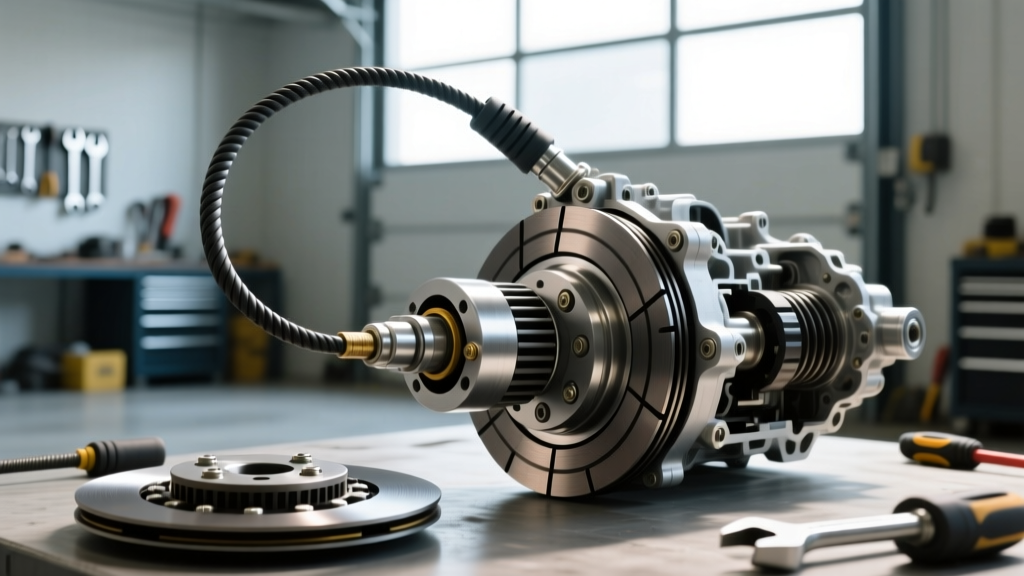
Unlike older cable-actuated systems that provided direct mechanical feedback, the MT-82 relies on a hydraulic master cylinder, a plastic quick-connect line, and a Concentric Slave Cylinder (CSC) to actuate the pressure plate. When diagnosing clutch pedal problems, you must evaluate the entire hydraulic column while simultaneously considering how a degraded clutch friction disc alters the engagement point and pedal resistance. In this model-specific repair guide, we break down the exact failure modes of the Mustang MT-82, providing real-world torque specs, part numbers, and diagnostic frameworks to isolate the root cause of your pedal issues.
Spongy Pedals: Internal CSC Bypass vs. Friction Wear
A spongy or soft clutch pedal in the MT-82 is most commonly misdiagnosed as air in the hydraulic lines. While air ingress through the notoriously fragile plastic quick-connect fittings at the master cylinder is possible, the true culprit is often internal bypass within the CSC (OEM Ford Part # BR3Z-7A564-A). Over time, the internal rubber cup seals inside the CSC degrade due to heat soak from the transmission bellhousing and contamination from deteriorating brake fluid.
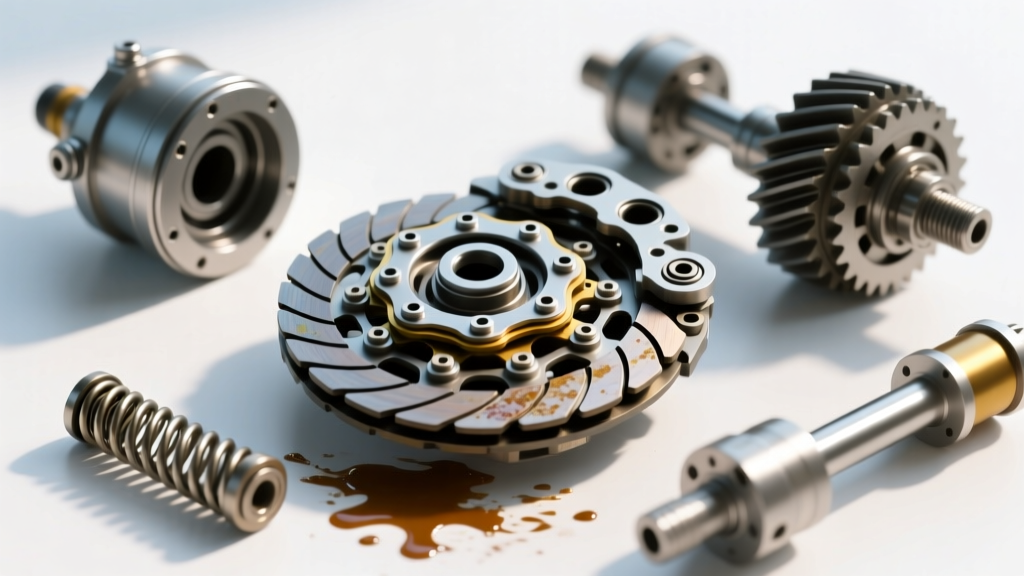
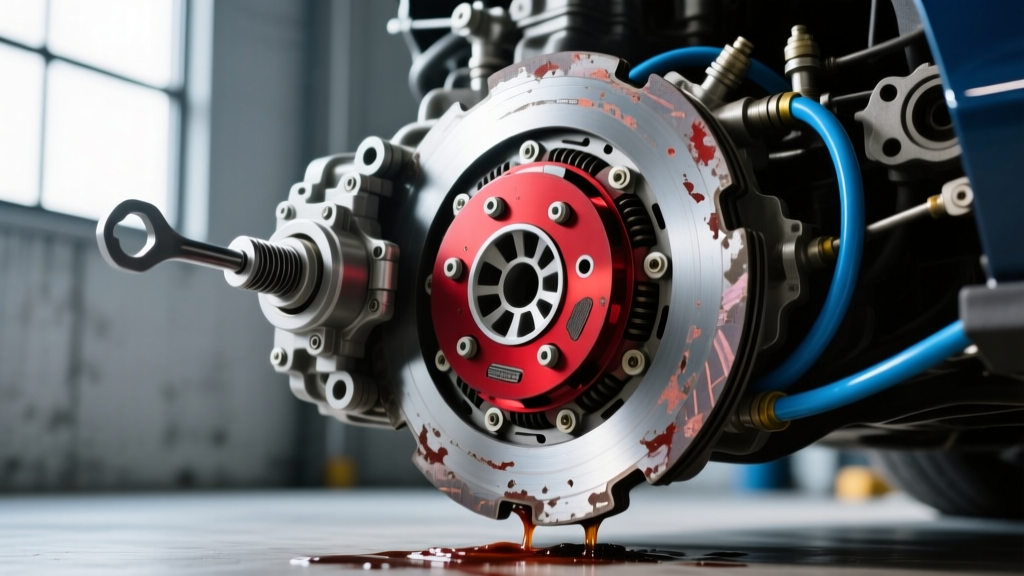
When these seals fail, high-RPM shifts cause hydraulic fluid to bypass the piston rather than pushing the release bearing forward. This results in a sudden, spongy drop in pedal pressure and incomplete clutch disengagement. The immediate consequence of this incomplete disengagement is severe, accelerated wear on the clutch friction disc. If your Mustang exhibits a spongy pedal that worsens after the car is fully warmed up, or if the engagement point creeps higher toward the top of the pedal travel, you are likely dealing with a failing CSC that is simultaneously glazing your clutch friction disc.
Pro-Tip: Never bleed the MT-82 hydraulic system using the traditional 'pump-and-hold' method. The plastic hydraulic lines and CSC are prone to micro-fractures under rapid pressure spikes. Always use a low-pressure motive bleeder pushing Motorcraft DOT 4 LV High Performance fluid (Part # PM-1-C) from the master cylinder reservoir down through the CSC bleeder screw.
Hard Pedal Diagnostics: Binding and Pivot Wear
Conversely, a hard or stiff clutch pedal that requires excessive leg effort usually points to mechanical binding rather than hydraulic failure. In the S550 chassis, the clutch pedal pivot bushing and the master cylinder pushrod pin are known wear items. If the nylon pivot bushing disintegrates, the pedal arm binds against the metal bracket, simulating a seized clutch pressure plate. Furthermore, if the clutch friction disc hub splines are contaminated with rust or lack proper high-temperature grease (such as Motorcraft XL-2), the disc will bind on the transmission input shaft. This binding prevents the disc from floating freely, resulting in a harsh, notchy pedal feel and severe chatter upon engagement.
Vibrating Pedals: Isolating the Clutch Friction Disc and DMF
Vibration felt through the clutch pedal is a hallmark symptom of rotational imbalance or uneven clamping force at the flywheel. The Mustang GT utilizes a heavy Dual Mass Flywheel (DMF) designed to dampen torsional vibrations from the 5.0L Coyote V8. The DMF consists of a primary mass (bolted to the crank) and a secondary mass (where the clutch friction disc mates), separated by a series of heavy-duty coil springs.
When the internal DMF springs fracture or lose their damping tension, the secondary mass wobbles under load. This wobble translates directly into uneven clamping pressure against the clutch friction disc. As the disc slips and grabs microscopically during engagement, the resulting chatter travels backward through the release bearing, into the CSC, and up the hydraulic fluid column, manifesting as a distinct, buzzing vibration in the clutch pedal. According to technical data from Exedy Globalparts, pairing a solid-hub aftermarket clutch friction disc with a failing OEM DMF will amplify this vibration tenfold, eventually destroying the transmission input shaft bearings.
Pedal Travel and Engagement Point Metrics
To accurately diagnose whether your pedal problem is hydraulic or mechanical, you must measure the pedal travel and engagement point. Total pedal travel from the rest position to the floor stop should measure approximately 140mm. The engagement point (where the clutch friction disc begins to transmit torque) should occur between 40mm and 60mm from the floor.
- Engagement at 10mm-20mm (Near Floor): Indicates air in the hydraulic system, a leaking master cylinder, or a completely worn-out clutch friction disc that has exhausted the pressure plate's diaphragm spring travel.
- Engagement at 120mm+ (Near Top): Indicates a warped clutch friction disc, a failing DMF, or a seized release bearing collar on the input shaft sleeve.
MT-82 Clutch Pedal Symptoms vs. Root Causes
| Pedal Symptom | Primary Root Cause | Secondary Impact on Clutch Friction Disc | Recommended OEM / Aftermarket Part |
|---|---|---|---|
| Spongy / Soft | Internal CSC seal bypass | Slipping, glazing, and uneven wear | Ford CSC (BR3Z-7A564-A) |
| Vibrating / Buzzing | DMF internal spring failure | Chatter, hub spring fatigue, rivet loosening | Exedy Stage 1 Organic (FFD109) |
| Hard / Binding | Pedal box pivot bushing wear | Uneven drag, premature spline wear | Ford Performance Pedal Kit |
| Top-Heavy Engagement | Warped friction material | Localized hot-spotting and burning | McLeod Street Twin (Solid Hub) |
Model-Specific Repair Protocol: Torque Specs and Replacement
If your diagnostic procedure confirms that the clutch friction disc and hydraulic components require replacement, strict adherence to MT-82 torque specifications is mandatory to prevent recurring pedal issues and drivetrain vibrations. The Coyote V8 and MT-82 mating surfaces require precise clamping loads to maintain alignment.
- Bellhousing to Engine Block: The MT-82 bellhousing bolts must be torqued to 40 Nm (30 lb-ft). Uneven torque here will cause the transmission input shaft to sit at a slight angle, leading to binding on the clutch friction disc hub and a resulting stiff pedal.
- Flywheel to Crankshaft: If replacing the DMF with an aftermarket lightweight aluminum flywheel (such as those available through Ford Performance Parts), the Grade 12.9 flywheel bolts must be torqued to 112 Nm (83 lb-ft) plus an additional 90-degree turn. Never reuse stretch-to-yield flywheel bolts.
- Pressure Plate to Flywheel: Torque the pressure plate bolts in a star pattern to 29 Nm (21 lb-ft). Over-torquing these bolts will warp the pressure plate cover, causing uneven clamping force that will immediately transmit vibration back to the clutch pedal.
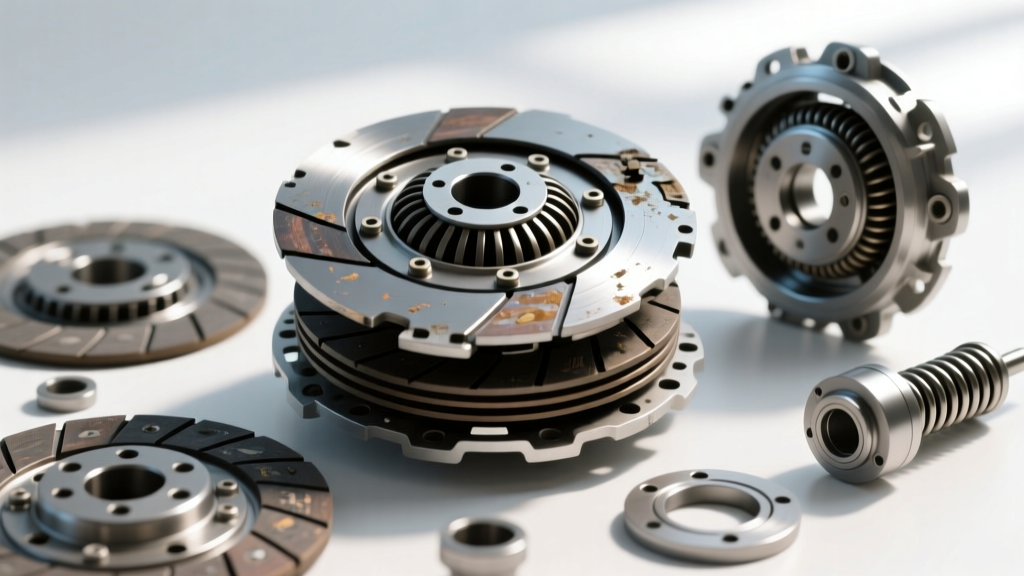
When installing a new clutch friction disc, ensure the damper springs are facing the correct direction (usually marked 'Flywheel Side' or 'Transmission Side' depending on the manufacturer). Apply a microscopic amount of molybdenum-based spline grease to the input shaft. Over-greasing will result in centrifugal force throwing the grease onto the clutch friction disc material, causing immediate, catastrophic slipping and a spongy, unpredictable pedal feel upon reassembly. By understanding the deep integration between the MT-82's hydraulic architecture and the physical friction materials, you can accurately diagnose pedal anomalies before they result in catastrophic transmission damage.
For further reading on manual transmission maintenance and hydraulic bleeding techniques, Hagerty Media Tech offers excellent foundational guides that complement these model-specific MT-82 procedures.