The Crossover: Why Mustang Rear Differential Tech Matters for Trucks
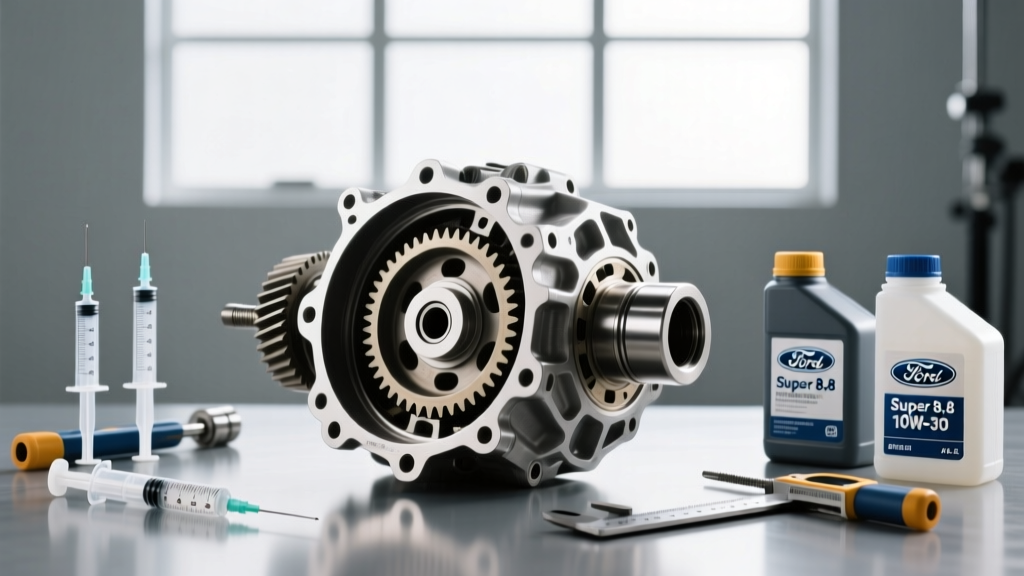
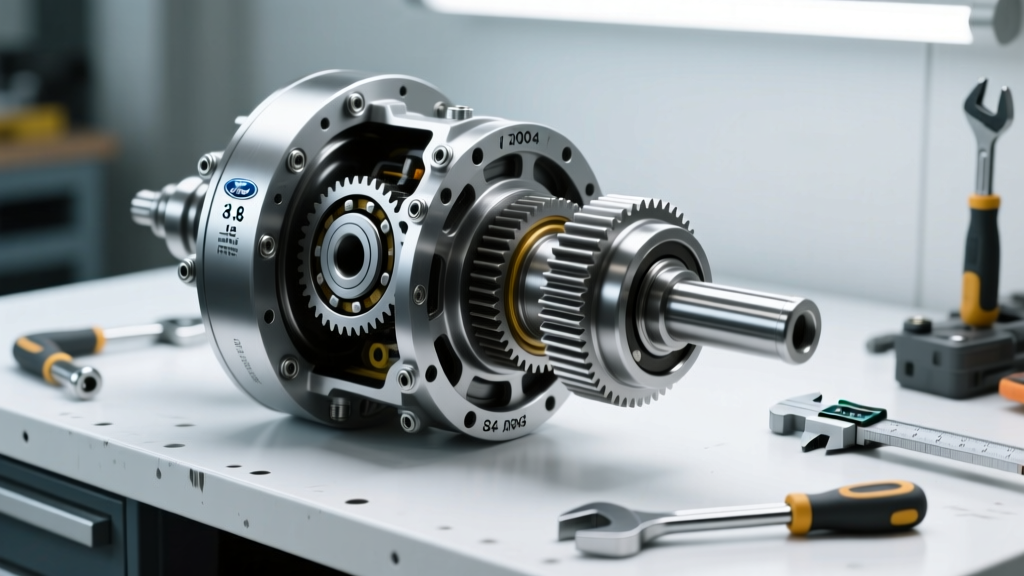
When enthusiasts think of the mustang rear differential, they typically picture drag strip launches, 4.10:1 gear ratios, and high-RPM track use. However, one of the best-kept secrets in the off-road and towing community is the deep mechanical lineage shared between Ford’s performance cars and its heavy-duty trucks and SUVs. The legendary Ford 8.8-inch axle, which served as the backbone of the Mustang rear differential from the Foxbody era through the S197 generation, is the exact same foundation used in decades of Ford Rangers, F-150s, and Explorers. As of 2026, understanding how to service, upgrade, and maintain this shared architecture is critical for truck and SUV owners pushing their rigs to the limit.
Truck and SUV axles endure immense static and dynamic loads, from towing 8,000-pound trailers over mountain passes to articulating over jagged off-road trails. By applying the high-performance maintenance protocols, fluid dynamics, and upgrade paths developed for the Mustang rear differential, truck owners can drastically increase the lifespan and capability of their drivetrains. This guide bridges the gap between track-proven performance and heavy-duty utility, providing exact torque specs, fluid capacities, and upgrade part numbers for your next axle service.
The Shared DNA: Ford 8.8-Inch vs. 9.75-Inch vs. Dana 60
Before diving into fluid chemistry and rebuild procedures, it is essential to identify the axle housing you are working with. While the Mustang popularized the 8.8-inch ring gear, truck and SUV applications often require heavier alternatives. Below is a structural comparison of the three most common Ford-based rear axles encountered in performance truck and SUV builds.
| Axle Type | Ring Gear Diameter | Common Spline Count | Fluid Capacity | Cover Bolt Torque |
|---|---|---|---|---|
| Ford 8.8" (Mustang / Ranger / Explorer) | 8.8 inches | 28 or 31 Spline | 3.5 - 4.0 Pints | 28 lb-ft |
| Ford 9.75" (F-150 / Expedition) | 9.75 inches | 34 Spline | 5.5 - 6.0 Pints | 33 lb-ft |
| Dana 60 (Super Duty / Heavy SUV) | 9.75 inches | 35 Spline | 6.5 - 7.5 Pints | 40 lb-ft |
The most critical failure point in the standard 28-spline 8.8-inch open differential—whether in a 1998 Mustang or a 2004 Ford Ranger—is the 7/16-inch cross-pin. Under heavy towing loads or when equipped with aggressive traction bars, this cross-pin is notorious for shearing, effectively destroying the carrier. Upgrading to a 31-spline axle setup and an aftermarket limited-slip or locking carrier is the first rule of heavy-duty truck maintenance borrowed directly from the Mustang drag racing community.
Fluid Dynamics: 75W-140 vs. 75W-90 in High-Load Applications
Track cars and tow rigs share a common enemy: extreme differential fluid temperatures. When a truck is towing up a 7% grade at highway speeds, the ring and pinion gear mesh generates enough friction to push gear oil past 250°F (121°C). At these temperatures, standard 75W-90 gear oil experiences severe shear thinning, leading to metal-on-metal contact and premature pitting on the gear faces.
For any truck or SUV used for towing, off-roading, or hauling, upgrading to a high-quality 75W-140 synthetic gear oil is mandatory. Formulations like AMSOIL Severe Gear 75W-140 or Motul Gear 300 75W-90 (for dedicated, non-towing trail rigs) utilize complex ester base stocks that maintain their protective hydrodynamic film under extreme pressure (EP).
The Friction Modifier Calibration
One of the most common mistakes in truck differential maintenance is the misuse of friction modifiers. If your SUV is equipped with a clutch-type limited-slip differential (LSD), such as the Ford 8.8-inch Traction-Lok, you must add a friction modifier like Motorcraft XL-3 (typically 4 oz per axle) to prevent clutch chatter during low-speed cornering. However, if you have upgraded to a helical gear differential like the Eaton Detroit Truetrac (Part # 910A541 for 31-spline 8.8s), do not use friction modifiers. Helical gears rely on the natural friction of standard synthetic gear oil to generate the bias torque necessary to transfer power to the wheel with traction.
Step-by-Step Heavy-Duty Differential Service Procedure
Proper maintenance goes beyond simply draining and filling. A performance-oriented differential service requires meticulous cleaning, precise sealing, and strict adherence to torque specifications. Here is the 2026 standard operating procedure for servicing a truck or SUV rear differential.
1. Drain, Clean, and Inspect
- Removal: Break loose the 10 or 12 cover bolts (depending on the axle). Leave the top two bolts finger-tight while prying the bottom edge with a flathead screwdriver to allow the fluid to drain into a catch pan without making a mess.
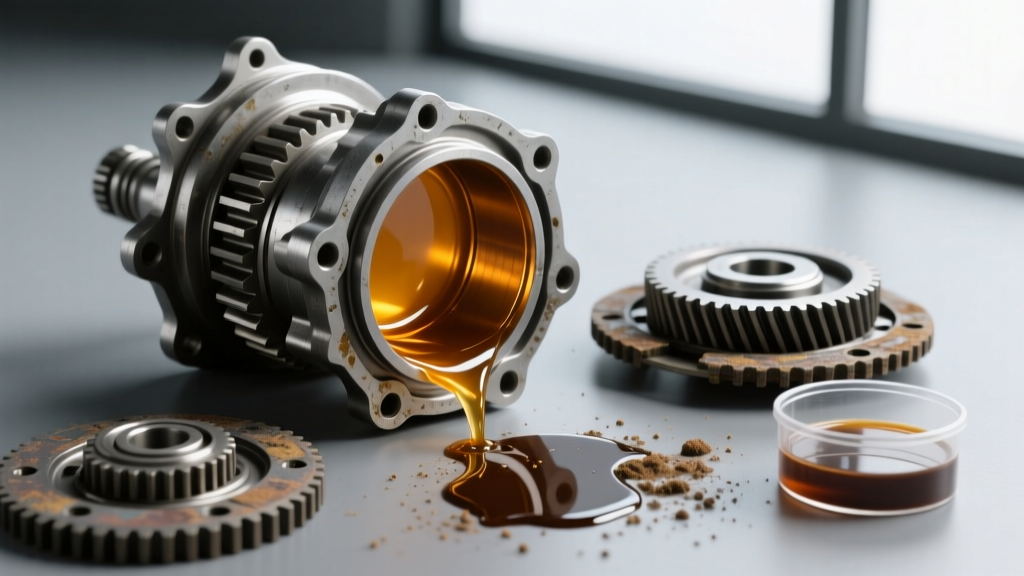
- Inspection: Examine the drained fluid and the magnetic drain plug (if equipped). Fine, glitter-like metallic paste is normal wear. However, jagged metal shards or chunks of the bronze thrust washers indicate imminent carrier failure and necessitate a full rebuild.
- Cleaning: Use a lint-free shop towel and brake cleaner to wipe down the interior of the housing, the ring gear, and the magnet. Never use compressed air to dry the bearings, as the moisture in the air will cause flash rusting.
2. Resealing the Differential Cover
While aftermarket aluminum differential covers with integrated cooling fins are popular in the Mustang community, the stock stamped-steel covers on trucks are perfectly adequate if sealed correctly. Scrape all old RTV silicone from the housing and cover using a plastic gasket scraper to avoid gouging the mating surfaces. Apply a continuous 1/4-inch bead of Permatex Ultra Black RTV to the cover. This specific RTV is highly resistant to synthetic gear oils and extreme heat. Allow the RTV to skin over for 15 minutes before mating the cover to the housing.
3. Torque Sequence and Specifications
Install the cover bolts and tighten them in a crisscross pattern to ensure even clamping force. For the Ford 8.8-inch and 9.75-inch axles, the final torque spec for the cover bolts is 28 to 33 lb-ft. Over-torquing these bolts will warp the thin stamped steel cover, leading to persistent leaks and potential bearing cap misalignment.
Upgrade Paths: Gearing and Lockers for Trucks and SUVs
When modifying a truck or SUV with larger, heavier all-terrain tires, the effective final drive ratio is drastically reduced, causing the transmission to hunt for gears and generating excessive heat in the torque converter and differential. Re-gearing the axle is the most impactful performance and reliability upgrade you can perform.
- 3.31:1 Ratio: Ideal for stock-sized tires and highway fuel economy. Unsuitable for towing heavy loads or off-road crawling.
- 3.73:1 Ratio: The ultimate sweet spot for daily-driven trucks running 33-inch to 35-inch tires. Restores factory towing performance and keeps engine RPMs in the optimal power band.
- 4.10:1 Ratio: A staple in the Mustang rear differential community for track use. In trucks, this ratio is reserved for vehicles running 37-inch tires or dedicated heavy-duty towing applications where low-end torque multiplication is paramount.
- 4.56:1 Ratio: Strictly for dedicated off-road crawlers and rock-bouncing SUVs. Highway driving will be loud, and fuel economy will suffer significantly.
For traction devices, truck and SUV owners should look to Yukon Gear & Axle or Eaton. The Eaton Detroit Truetrac is highly recommended for SUVs and light trucks because it requires zero maintenance, uses no friction modifiers, and operates smoothly on pavement. For dedicated off-road trucks, the Yukon Hardcore Locker or an ARB Air Locker provides 100% mechanical locking, ensuring both wheels turn equally over uneven terrain.
Diagnosing Differential Noise Under Load
Truck differentials often develop unique acoustic signatures based on their wear patterns and maintenance history. Learning to diagnose these sounds can save you from a catastrophic axle failure on the highway.
Drive-Side Whine (Under Acceleration): This typically indicates wear on the convex side of the ring gear teeth. It is often caused by running low on fluid or using gear oil that lacked the necessary extreme pressure (EP) additives. If the whine is a high-pitched howl, the pinion bearing preload may be too tight, often a result of an improperly installed crush sleeve during a previous gear swap.
Coast-Side Whine (Deceleration): A whine that appears when you let off the throttle points to wear on the concave side of the ring gear. This is common in trucks that spend a lot of time engine-braking down steep grades while towing.
Clunk on Engagement: A sharp metallic clunk when shifting from Reverse to Drive usually points to excessive backlash between the ring and pinion gear, or worn spider gears inside the carrier. In high-mileage 8.8-inch axles, the cross-pin bore in the carrier itself can become wallowed out, requiring a complete carrier replacement.
Real-World Costs and Sourcing for 2026
Budgeting for a comprehensive truck or SUV differential overhaul requires understanding current market pricing. A standard drain, clean, and refill with premium 75W-140 synthetic fluid and a new gasket will cost between $80 and $130 if performed in your driveway.
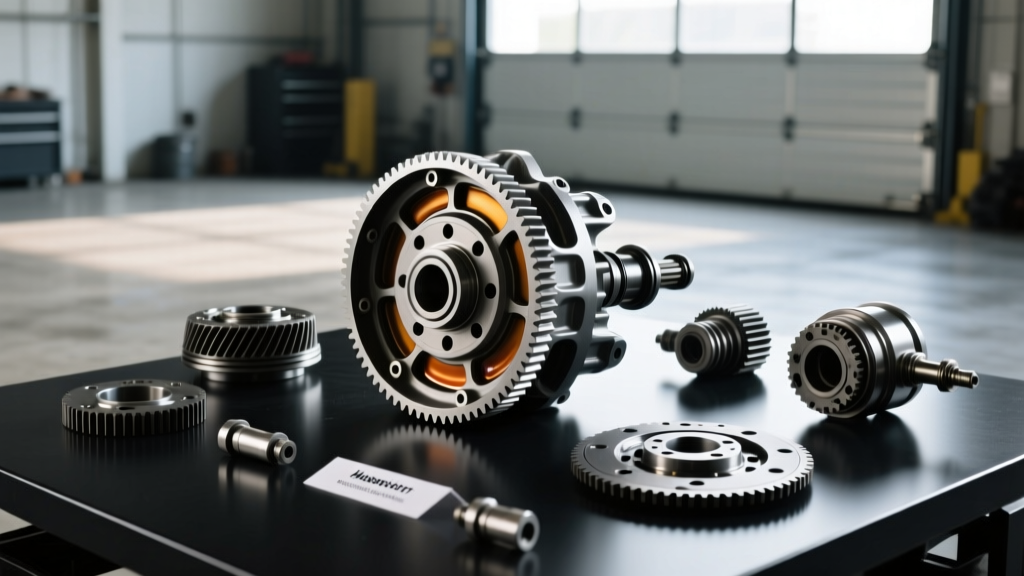
However, a full performance rebuild—common when upgrading to 35-inch tires—involves significantly more capital. Expect to pay between $1,800 and $2,600 for a professional shop to install a new Richmond Gear 3.73:1 ring and pinion set, an Eaton Truetrac carrier, 31-spline alloy axle shafts, and a master rebuild kit with Timken bearings. Sourcing parts from reputable distributors like Ford Performance Parts or Summit Racing ensures you receive genuine components with proper heat-treating, which is vital for surviving the immense torque output of modern turbocharged and diesel truck engines.
By treating your truck or SUV's axle with the same reverence and precision as a high-horsepower Mustang rear differential, you ensure that your rig remains reliable, capable, and ready for whatever the road or trail demands.