The Engineering Divide: Wet Multi-Plate vs. Dry Single-Plate
Welcome to the garage. If you are stepping into the world of drivetrain maintenance for the first time, you might be wondering how two completely different machines handle power delivery. Today, we are bridging the gap between two-wheeled and four-wheeled mechanics by comparing a standard motorcycle wet clutch job to a Ford Fiesta clutch replacement. While both serve the exact same fundamental purpose—disconnecting the engine from the transmission to allow for gear changes—their engineering, labor requirements, and maintenance procedures are worlds apart.
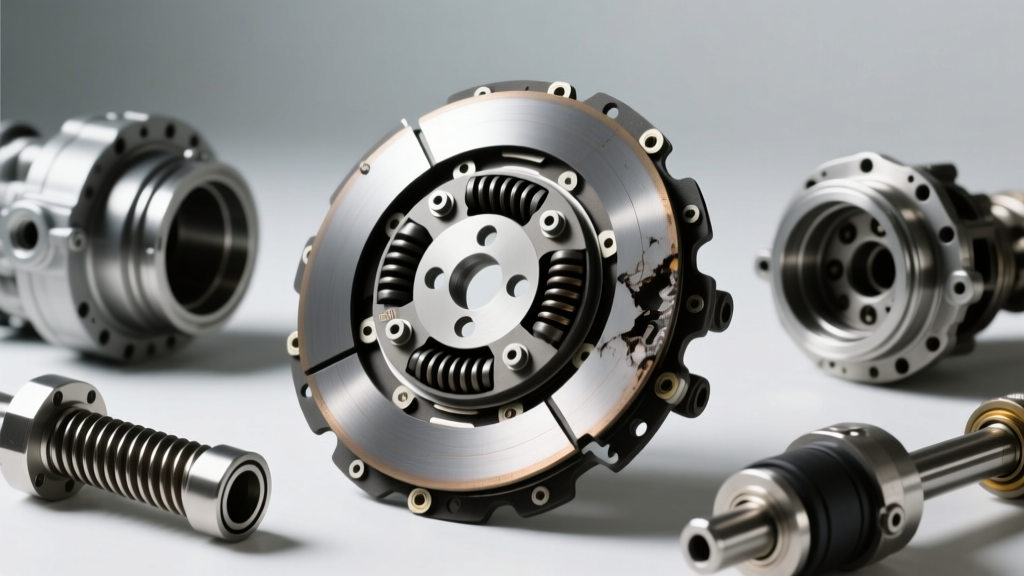
A typical sport or standard motorcycle (like the Kawasaki Ninja 400 or Honda CBR500R) utilizes a wet multi-plate clutch. This system features alternating friction and steel plates bathed in engine oil, which provides cooling and allows for a compact design. Conversely, a Ford Fiesta (such as the 1.6L Ti-VCT manual models) uses a dry single-plate clutch. This consists of one large friction disc clamped between a heavy flywheel and a spring-loaded pressure plate, operating entirely dry inside a bell housing.
Step-by-Step Overview: Motorcycle Clutch Replacement
Replacing a motorcycle clutch is widely considered one of the most accessible engine teardowns for a beginner. Because the clutch is typically housed behind a simple right-side engine cover, you do not need to remove the engine from the frame or drop a massive transmission.
1. Preparation and Draining
Always start by draining the engine oil. Since the friction plates operate in the same oil bath as the engine internals, contaminating your fresh oil with clutch dust is a concern if you do not drain it first. Remove the right-side clutch cover. Be prepared for a small amount of residual oil to spill out, as the gasket surface sits below the oil level on many inline-four and parallel-twin engines.
2. Spring and Plate Removal
Remove the clutch spring bolts in a crisscross pattern to relieve pressure evenly on the pressure plate. Once the springs are out, pull the pressure plate and begin extracting the friction and steel plates. Pro-Tip: Keep them in the exact order they came out if you are only inspecting them, but if you are installing a new kit (like the popular EBC CK4784 for the Ninja 400), you will follow the factory manual's specific stacking sequence.
3. Basket Notch Inspection (The Hidden Failure Point)
Before installing new plates, run your fingernail along the inner aluminum clutch basket tangs. Over time, the steel plates hammer into the soft aluminum, creating deep notches. If these notches are present, new friction plates will hang up, causing a 'grabby' or dragging clutch. Mild notches can be carefully filed flat with a flat bastard file; severe notching requires a complete basket replacement or an aftermarket billet steel insert.
4. Reassembly and Torque Specifications
Install the new steel and friction plates, ensuring the last plate installed is a friction plate. Reinstall the pressure plate and torque the spring bolts to spec (usually around 7-9 lb-ft). The most critical step is torquing the central clutch hub nut. This nut holds the entire assembly to the transmission input shaft. Using a universal clutch holding tool (such as the Motion Pro 08-0019), torque the hub nut to the manufacturer's specification—typically 76 lb-ft (103 Nm) for many middleweight Japanese bikes—and apply a medium-strength threadlocker.
Contrast: The Ford Fiesta Clutch Replacement Experience
When you contrast the motorcycle job with a Ford Fiesta clutch replacement, the difference in physical labor and spatial awareness becomes immediately apparent. You are no longer working on the side of an engine block; you are working from underneath the vehicle, dealing with the weight of a transaxle.
Drivetrain Extraction
To access the Fiesta's clutch, the vehicle must be lifted, the front wheels and axles removed, and the exhaust system disconnected. The engine must be supported from above with a brace, allowing you to drop the rear engine mount and lower the subframe. Only then can you unbolt the IB5 or B6 manual transmission from the engine block and physically wrestle it out of the engine bay.
Flywheel and Concentric Slave Cylinder
Unlike a motorcycle, where the friction surface is the steel plates, the Fiesta's friction surface is the flywheel. If the flywheel is scored or warped, it must be resurfaced or replaced. When reinstalling the flywheel, the torque sequence is critical: typically 66 lb-ft (90 Nm) plus an additional 50 degrees of rotation for the stretch bolts. Furthermore, modern Fiestas utilize a hydraulic Concentric Slave Cylinder (CSC) that sits inside the bell housing. It is highly recommended to replace the CSC (often included in a LuK RepSet 04-136 kit) during the clutch job, as a failure later would require dropping the transmission all over again.
Head-to-Head Comparison Chart
| Feature | Motorcycle (Wet Multi-Plate) | Ford Fiesta (Dry Single-Plate) |
|---|---|---|
| Clutch Type | Wet, Multi-plate (Friction/Steel) | Dry, Single-plate with Pressure Plate |
| Location | Right-side engine cover | Between engine and transaxle bell housing |
| DIY Labor Time | 2 - 4 Hours | 8 - 12 Hours |
| Special Tools | Clutch holding tool, torque wrench | Engine support brace, transmission jack, alignment mandrel |
| Hydraulics | Cable or external pushrod master | Internal Concentric Slave Cylinder (CSC) |
| Average Kit Cost (2026) | $90 - $160 | $250 - $450 (Includes CSC) |
2026 Pricing and Sourcing Guide
As we navigate the 2026 aftermarket landscape, parts availability remains robust for both platforms. For motorcycles, sourcing OEM friction plates from dealerships can cost upwards of $20 per plate. Therefore, complete aftermarket kits from EBC Brakes or ProX are the standard for DIYers, offering complete friction plate sets for under $130. Steel plates are rarely replaced unless warped from severe overheating.
For the Fiesta, dealerships often push complete OEM Motorcraft assemblies. However, the OEM supplier for Ford's manual transmissions is usually LuK or Sachs. Purchasing a LuK RepSet directly from catalog sites like RockAuto will net you the exact same OEM-quality pressure plate, friction disc, and slave cylinder for roughly 40% less than the Ford dealership parts counter.
Critical Beginner Mistakes to Avoid
Whether you are turning wrenches on a CBR600RR or a 2016 Fiesta ST, avoid these common pitfalls:
- Skipping the Alignment Tool (Fiesta): When bolting the pressure plate to the flywheel on the Fiesta, the friction disc must be perfectly centered. If you do not use a clutch alignment mandrel (like the OTC 6489), the disc will sit off-center, and the transmission input shaft will refuse to slide through the splines during reassembly.
- Improper Plate Soaking (Motorcycle): Many old-school forums claim you must soak all motorcycle friction plates in oil overnight. While true for older cork-based plates, modern Kevlar and sintered bronze plates (often found in high-performance EBC SRC kits) should only be lightly coated in oil or installed dry, depending on the manufacturer's specific insert instructions. Always read the box.
- Reusing Stretch Bolts (Fiesta): The flywheel bolts and the pressure plate bolts on modern Ford transaxles are often Torque-To-Yield (TTY). They stretch during installation and lose their clamping force if reused. Always buy a fresh set of flywheel bolts.
- Forgetting the Judder Spring (Motorcycle): Many street bikes use a specialized judder spring and conical seat washer at the bottom of the clutch stack to smooth out engagement. If you drop this into the drain pan and forget to reinstall it, your motorcycle will chatter violently when taking off from a stoplight.
Final Thoughts for the DIY Mechanic
Understanding the mechanical philosophy behind both systems makes you a more well-rounded gearhead. A motorcycle clutch replacement teaches you about precision stacking, metallurgy, and the importance of wet friction coefficients. A Ford Fiesta clutch replacement teaches you about heavy drivetrain extraction, hydraulic actuation, and spatial problem-solving. For more in-depth visual walkthroughs on motorcycle teardowns, the RevZilla Common Tread archives remain an invaluable resource for visual learners. Grab your torque wrench, consult your factory service manual, and get to work.