Introduction: The Tale of Two 'Clutches'
For beginner mechanics stepping into the garage in 2026, the word 'clutch' can be incredibly confusing. If you are browsing forums or watching DIY tutorials, you might find yourself reading about a slipping motorcycle drivetrain one minute, and a heavy-duty diesel cooling system the next. How can the same word apply to two completely different vehicle systems?
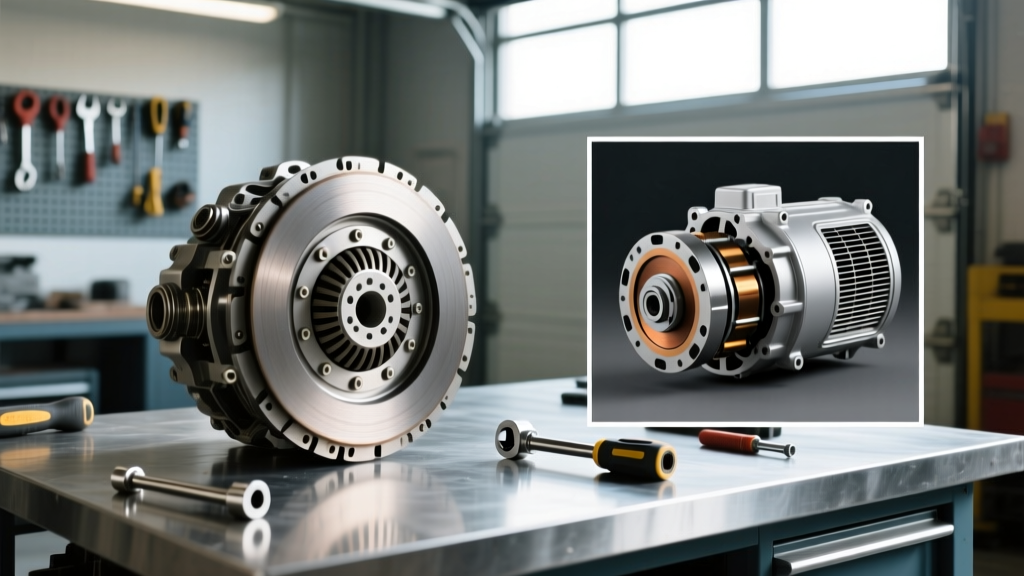
The answer lies in the fundamental definition of a clutch: a mechanical device that engages and disengages power transmission between a driving shaft and a driven shaft. However, how that engagement happens varies wildly depending on the application. In this beginner-friendly explainer, we are going to break down the nuances of a standard motorcycle wet clutch replacement and compare it to the highly specific 6.7 Powerstroke fan clutch replacement. By understanding both, you will gain a holistic view of how rotational energy and thermal management are controlled in modern machines.
The Motorcycle Wet Clutch: A Beginner’s Explainer
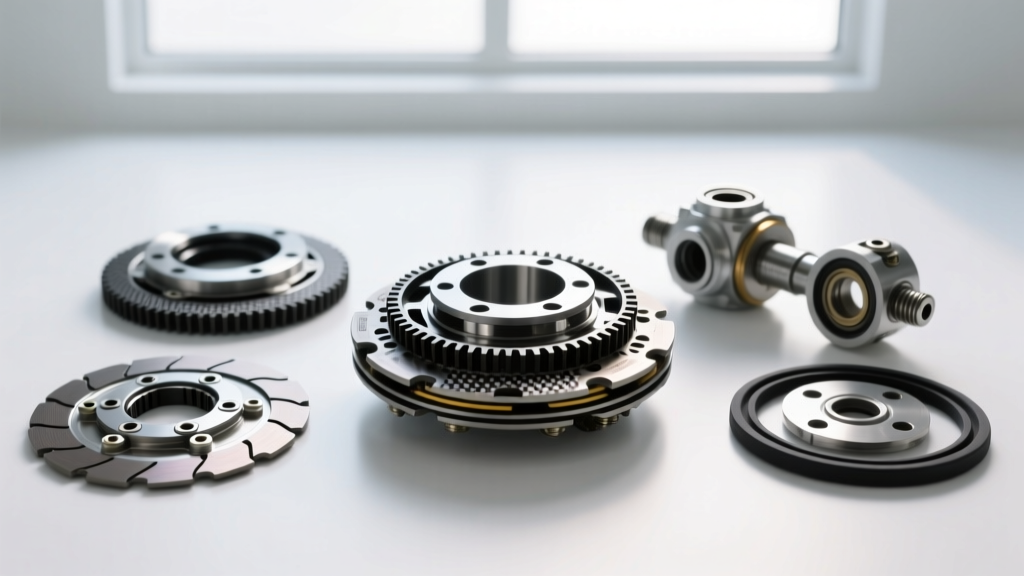
Most street motorcycles—such as the wildly popular Yamaha MT-07, Honda CBR650R, or Kawasaki Z650—utilize a 'wet multi-plate' clutch system. Unlike the single dry disc found in most manual cars, a motorcycle clutch consists of an alternating stack of friction plates and smooth steel plates, all submerged in the engine's motor oil.
How the Wet Multi-Plate System Works
When you pull the clutch lever on the handlebars, you are pulling a cable (or actuating a hydraulic master cylinder) that pushes a release bearing against a pressure plate. This compresses the clutch springs and separates the friction and steel plates, breaking the connection between the engine's crankshaft and the transmission input shaft. When you release the lever, the springs clamp the plates together, and the friction material grabs the steel, transferring power to the rear wheel.
Motorcycle Clutch Replacement Procedure Overview
Replacing a worn motorcycle clutch is an excellent intermediate DIY project. Here is the general workflow for a standard Japanese inline-four or parallel-twin engine:
- Drain the Oil: Always start with a cold or slightly warm engine. Drain the crankcase completely.
- Remove the Clutch Cover: Unbolt the right-side engine casing. Be prepared for residual oil to spill. Note the exact locations of all bolts, as they are often different lengths.
- Compress and Remove Springs: Use a JIS (Japanese Industrial Standard) screwdriver or impact driver to remove the clutch spring bolts and pressure plate.
- Pull the Basket: Slide the clutch center and the alternating plate stack off the transmission main shaft.
- Inspect and Measure: Use digital calipers to measure the thickness of the steel plates and the free length of the clutch springs. Compare these to the factory service manual specifications.
- Reassemble: Soak the new friction plates in fresh oil for at least one hour before installation. Alternate friction and steel plates, ensuring the tabs align perfectly with the basket splines.
Understanding the 6.7 Powerstroke Fan Clutch Replacement
While a motorcycle clutch transfers engine power to the wheels, the clutch on a Ford Super Duty equipped with the 6.7L Powerstroke diesel engine serves an entirely different purpose: thermal management. The Ford Motorcraft engineering team utilizes a massive mechanical cooling fan to pull air through the intercooler and radiator, especially when towing heavy loads at low speeds.
Viscous Cooling vs. Friction Driving
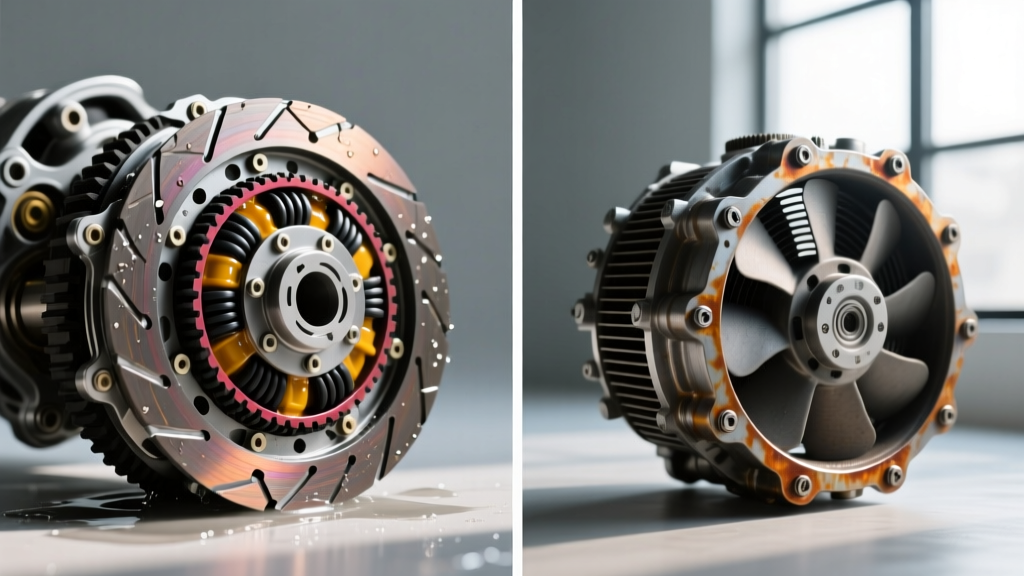
The 6.7 Powerstroke fan clutch is a 'viscous' or thermal fluid coupling. It mounts directly to the water pump pulley at the front of the engine. Inside the clutch assembly is a reservoir of specialized silicone fluid and a bimetallic thermal strip (or an electronic solenoid on newer models). When the engine bay gets hot, the strip opens a valve, allowing the silicone fluid to shear between internal chambers, which 'locks' the fan to the spinning water pump shaft. When the engine cools down, the valve closes, and the fan freewheels to reduce parasitic drag and save fuel.
Why the 6.7 Powerstroke Fan Clutch Fails
If you are researching a 6.7 Powerstroke fan clutch replacement, you are likely experiencing one of three symptoms: a fan that sounds like a jet engine constantly (stuck engaged), a fan that never engages causing severe overheating under load (fluid leak or failed bimetallic strip), or a physical wobble caused by a failing internal bearing. Because the 6.7L generates immense heat, especially when tuned or towing, the thermal cycling eventually degrades the internal seals of the fan clutch hub.
Head-to-Head Comparison: Drivetrain vs. Cooling System
To help beginners visualize the differences between these two wrenching tasks, review the comparison chart below.
| Feature | Motorcycle Wet Clutch (e.g., Yamaha MT-07) | 6.7L Powerstroke Fan Clutch (Ford F-250) |
|---|---|---|
| Primary Function | Engage/disengage transmission power | Engage/disengage engine cooling fan |
| Location | Right-side engine crankcase | Front of engine, mounted to water pump |
| Engagement Method | Mechanical spring pressure & friction | Thermal silicone fluid shear |
| Typical Parts Cost | $120 - $250 (Clutch kit & gasket) | $250 - $450 (Motorcraft assembly) |
| Special Tools Needed | Clutch holder tool, torque wrench, JIS drivers | Fan clutch pulley holder, 36mm/47mm wrench |
| Thread Direction | Center nut is usually Right-Hand (standard) | Fan clutch nut is Right-Hand (standard) |
Essential Tools and Torque Specifications
Whether you are working on two wheels or four, precision is mandatory. Guessing torque specs is the fastest way to strip an aluminum engine case or snap a water pump shaft. Always consult your specific factory service manual, but here are the baseline specifications for these common platforms.
Motorcycle Clutch Torque Specs (Yamaha CP2 Engine Example)
- Clutch Spring Bolts: 10 Nm (7.2 lb-ft). Do not overtighten, or you will strip the aluminum clutch center.
- Clutch Boss (Center) Nut: 75 Nm (55 lb-ft). Requires a specialized clutch holding tool to keep the basket from spinning while you apply torque.
- Clutch Cover Bolts: 10 Nm (7.2 lb-ft). Use a crisscross tightening pattern.
6.7 Powerstroke Fan Clutch Specs
- Fan Clutch to Water Pump Pulley: Approximately 55 Nm (41 lb-ft).
- Tool Requirement: You will need a heavy-duty pulley holding tool (like OTC 303-D063 or equivalent) to wrap around the serpentine belt/pulley, preventing the engine from turning over while you break the fan clutch nut loose with a large 36mm or 47mm wrench (depending on the exact model year and aftermarket vs. OEM setup).
Common Beginner Mistakes to Avoid
Mistake 1: Using Automotive Oil in a Motorcycle
This is the cardinal sin of motorcycle maintenance. Standard automotive motor oils contain 'friction modifiers' designed to improve fuel economy and reduce internal engine drag. If you put standard car oil in a motorcycle with a wet clutch, those friction modifiers will coat the clutch plates, causing immediate and catastrophic clutch slip. Always use oil certified with a JASO MA or MA2 rating, which guarantees the absence of friction modifiers. For more on this, check out the maintenance guides at RevZilla's Common Tread.
Mistake 2: Ignoring Case Gaskets and Sealants
When reinstalling a motorcycle clutch cover, beginners often reuse the old paper gasket or apply the wrong type of RTV silicone. You must use a liquid gasket maker specifically designed for oil-submerged cases, such as ThreeBond 1215 or Honda Bond HT. Apply a thin, continuous bead, ensuring you do not block any internal oil galleries.
Mistake 3: Damaging the Water Pump on a Powerstroke
When attempting a 6.7 Powerstroke fan clutch replacement, some beginners try to use an impact wrench on the fan clutch nut without holding the pulley. The rotational shock can easily crack the cast-iron water pump housing or damage the internal water pump bearings, turning a $300 job into a $1,500 cooling system overhaul. Always use a mechanical holding tool.
Final Thoughts for the Aspiring Wrencher
Whether you are swapping friction plates on your weekend sportbike or replacing a failing viscous fan clutch on your daily-driver diesel truck, the core principles of mechanical repair remain the same: cleanliness, proper tooling, and adherence to torque specifications. By understanding the 'why' behind the components you are turning wrenches on, you transition from a simple parts-swapper to a true automotive technician. Grab your torque wrench, double-check your service manual, and enjoy the satisfaction of a job done right.
For genuine OEM replacement parts, always consult authorized dealers or trusted suppliers like Motorcraft to ensure longevity and proper fitment.