The Great Drivetrain Debate: Braking Dynamics and Clutch Longevity
Whether you are navigating stop-and-go urban traffic on two wheels or commanding a heavy-duty truck on the highway, understanding how your drivetrain handles deceleration is critical to mechanical longevity. For new riders, the question 'should i hold the clutch while braking motorcycle' is a frequent source of anxiety. Simultaneously, automotive buyers face a different set of challenges, specifically diagnosing and preventing clutch problems in automatic transmissions. As we move through 2026, with dealership labor rates averaging $145 to $185 per hour, understanding the mechanical differences between manual friction zones, motorcycle Dual-Clutch Transmissions (DCT), and traditional automotive automatics is no longer just a matter of preference—it is a vital buyer's guide to long-term ownership costs.
Should I Hold the Clutch While Braking a Motorcycle?
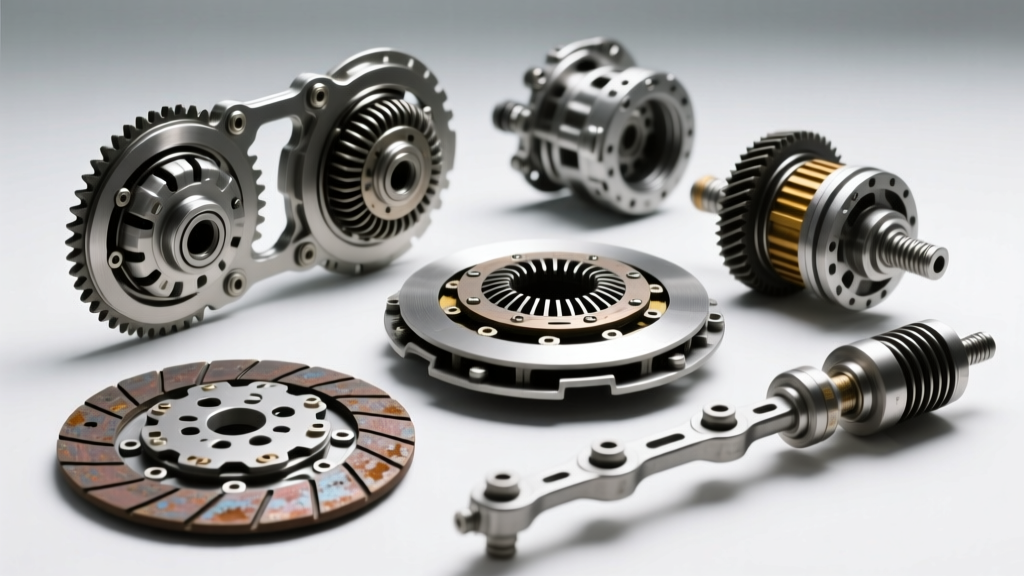
The short answer depends entirely on your speed, RPM, and the urgency of the stop. To understand the wear implications, we must look at how manual motorcycle clutches operate. A standard wet multi-plate clutch (using setups like the EBC CK Series clutch kits) relies on hydraulic fluid or cable tension to clamp friction plates against steel plates.
Scenario 1: Progressive and Corner Braking
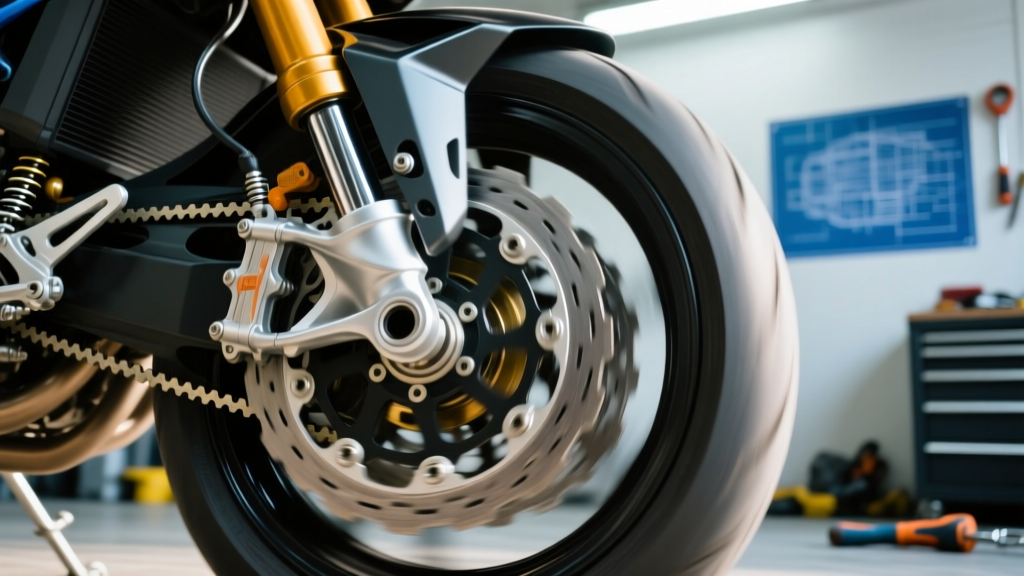
When braking for a corner or slowing down gradually, do not hold the clutch in. Leaving the clutch engaged utilizes engine braking, which stabilizes the chassis and reduces the thermal load on your brake rotors. Pulling the clutch lever in prematurely removes this stabilizing force and forces your brake pads to do 100% of the work, accelerating pad wear.
Scenario 2: Emergency and Low-RPM Braking
In an emergency stop, or when coming to a complete halt at a stoplight, you must pull the clutch in. The Motorcycle Safety Foundation (MSF) teaches riders to pull the clutch lever during hard braking to separate the drivetrain. This prevents the engine from lugging, stalling, or inducing rear-wheel lockup via engine compression. However, 'riding the clutch'—keeping it partially engaged in the friction zone while braking in slow traffic—generates immense heat. This glazes the friction plates and weakens the clutch springs, which typically require a replacement torque spec of 7 to 10 Nm (depending on the OEM, such as Yamaha or Honda) when reinstalling.
Clutch Problems in Automatic Transmissions: A Buyer's Diagnostic Guide
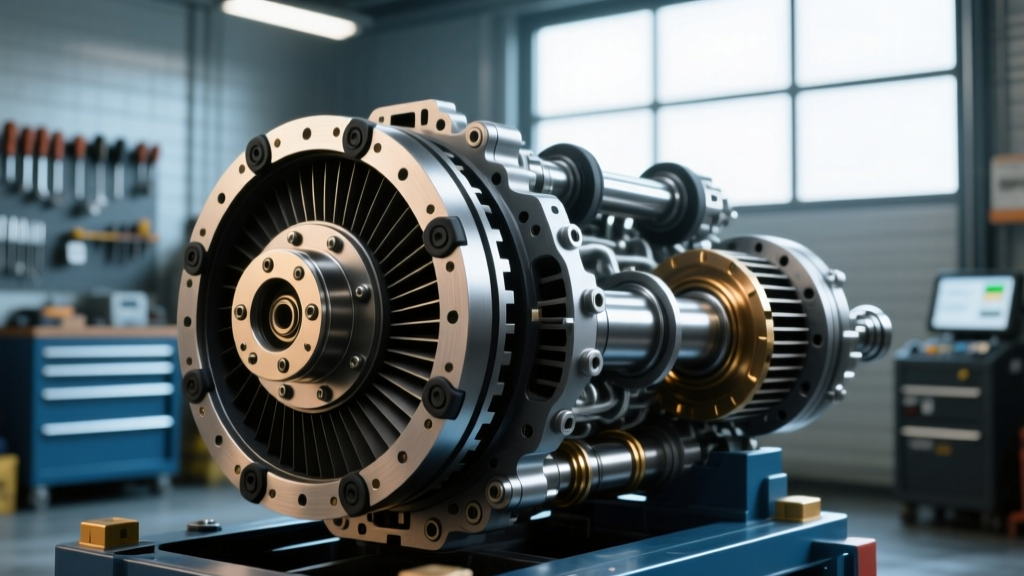
While manual motorcycle riders manage clutch wear via their left hand, buyers of automatic vehicles and DCT-equipped motorcycles rely on complex mechatronic units and torque converters. Automatic transmissions do not have a 'clutch pedal,' but they absolutely contain clutches. In fact, clutch problems in automatic transmissions are among the most expensive failures a modern vehicle can experience.
1. Motorcycle DCT Systems (Honda Africa Twin, Rebel 1100)
Honda’s Dual-Clutch Transmission eliminates the manual lever, using two wet clutch packs (one for odd gears, one for even). A common clutch problem in these automatic motorcycle transmissions occurs when riders 'feather' the throttle in slow, crawling traffic without utilizing the manual override or sport modes. This forces the ECU to slip the clutch packs to modulate speed, leading to premature wear and thermal degradation of the fluid. Honda specifies their proprietary DCT Fluid (Part # 08200-9008) for a reason; standard motorcycle oil will destroy the DCT clutch friction modifiers.
2. Automotive Torque Converter Shudder (GM 6L80 / Ford 10R80)
In traditional automotive automatics, the torque converter acts as a fluid coupling, but it also contains a Torque Converter Clutch (TCC) that locks up at cruising speeds for efficiency. A widespread clutch problem in the GM 6L80 and 6L90 transmissions is 'TCC Shudder'—a violent vibration felt at 40-50 mph. This is caused by the degradation of the friction material inside the torque converter and the breakdown of the ATF's friction modifiers. According to transmission specialists at Sonnax, resolving this often requires installing a ZIP Kit valve body upgrade and flushing the system with high-quality synthetic ATF, rather than immediately replacing the $800+ torque converter.
3. Mechatronic Sleeve Leaks (ZF 8HP Series)
The ZF 8HP (found in BMWs, Audis, and Dodge Chargers) uses multiple internal wet clutch packs (Clutches A through E) actuated by a mechatronic valve body. A notorious issue as these vehicles age is the degradation of the plastic mechatronic adapter sleeve. When this sleeve cracks, hydraulic pressure drops, causing the internal clutch packs to slip, overheat, and burn out. The sleeve itself costs under $50, but if ignored, it leads to a complete transmission rebuild costing upwards of $4,500 in 2026.
Comparison Chart: Braking & Clutch Wear by Transmission Type
| Transmission Type | Braking / Deceleration Method | Common Clutch Failure Point | Est. 2026 Repair Cost |
|---|---|---|---|
| Manual Motorcycle | Engine braking + manual lever disengagement | Glazed friction plates, weakened springs | $250 - $450 (Parts & DIY/Labor) |
| Motorcycle DCT (Honda) | ECU-managed wet clutch slip & engine braking | Burnt odd/even clutch packs from low-speed crawling | $900 - $1,400 (Dealership) |
| Auto Torque Converter (GM 6L80) | Fluid coupling + TCC Lockup | TCC Shudder, valve body wear | $350 (Sonnax Kit + Fluid) to $1,200 (TC Replace) |
| Auto Wet Clutch (ZF 8HP) | Mechatronic actuated internal clutch packs | Adapter sleeve leaks causing clutch pack slip | $400 (Sleeve/Fluid) to $4,500 (Full Rebuild) |
Buyer's Guide: Matching Your Drivetrain to Your Environment
When deciding between a manual motorcycle, a DCT-equipped bike, or an automotive automatic, your daily environment should dictate your purchase. The mechanical stress placed on clutch components varies wildly based on user input and traffic patterns.
- The Urban Commuter: If you spend 80% of your time in stop-and-go traffic under 15 mph, a manual motorcycle will destroy your left hand and your clutch plates. A Honda DCT or a traditional scooter with a CVT is the superior buyer choice here, provided you adhere strictly to the 8,000-mile DCT fluid change intervals.
- The Canyon Carver: For aggressive riding where trail-braking and downshifting are required to manage chassis pitch, a manual transmission remains king. The direct connection allows for precise RPM matching, whereas early-generation DCTs can hesitate during aggressive trail-braking, though 2026 ECU mapping has largely mitigated this.
- The Heavy-Duty Automotive Buyer: If you are buying a used truck equipped with a GM 6L80 or 6L90 for towing, immediately check for TCC shudder. Budget $400 for a preventative Sonnax valve body kit and a Mobil 1 Synthetic LV ATF flush to protect the torque converter clutch from the immense heat generated by towing loads over 5,000 lbs.
Expert Insight: 'Holding the clutch' is a manual concept. In modern automatics and DCTs, the computer manages the clutch slip. Your job as the operator is to ensure the hydraulic fluid (whether it is ZF LifeguardFluid 8, Honda DCT fluid, or Dexron VI) is kept clean and at the correct operating temperature to prevent the internal clutch packs from burning up.
Final Verdict
So, should you hold the clutch while braking a motorcycle? Only when coming to a complete stop or during an emergency panic stop to prevent stalling. Otherwise, rely on engine braking to save your brake pads and maintain chassis stability. Conversely, if you are stepping into the world of automatics or DCTs, you trade manual lever fatigue for the necessity of strict fluid maintenance. Understanding the specific clutch problems in automatic transmissions—from TCC shudder to mechatronic leaks—will save you thousands of dollars and ensure your drivetrain survives the demands of modern roads.