The Real Cost of Bike Clutch Replacement in 2026
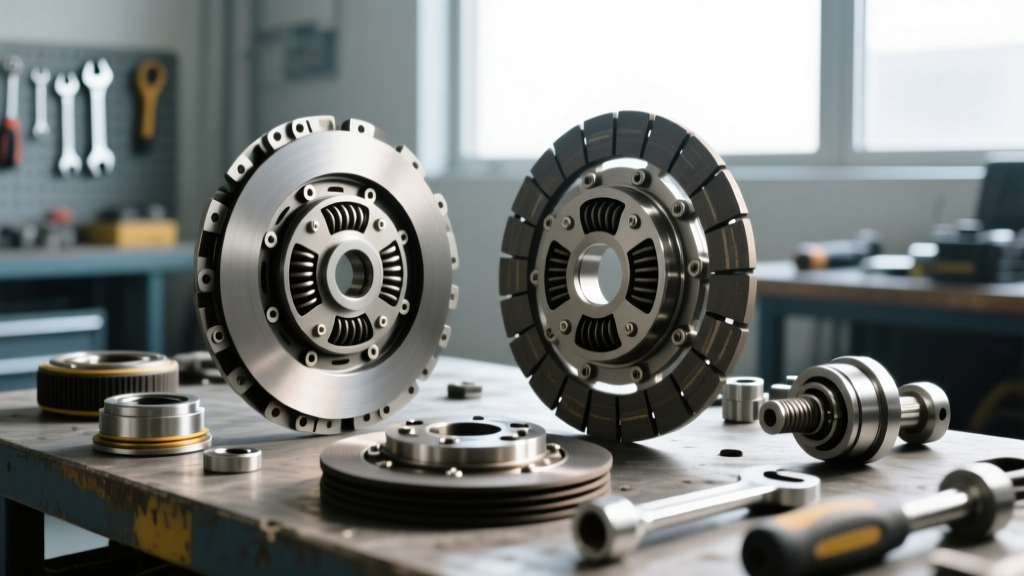
When your motorcycle begins to slip under heavy throttle, or the lever feel turns spongy and inconsistent, you are likely facing a worn clutch pack. Unlike automotive dry clutches, the majority of motorcycles utilize a wet multi-plate clutch system bathed in engine oil. This design is incredibly durable but introduces unique failure modes and replacement variables. Whether you are riding a high-revving Yamaha YZF-R6, a torque-heavy Harley-Davidson Sportster, or a shaft-driven BMW R1250GS, understanding the financial and mechanical scope of the job is critical.
In 2026, supply chain stabilization has normalized aftermarket clutch kit pricing, but dealership labor rates have continued their upward climb, averaging between $130 and $185 per hour depending on your region. This comprehensive cost analysis breaks down exactly what you should expect to pay for a bike clutch replacement, comparing OEM versus aftermarket components, hidden shop fees, and the technical realities of a DIY overhaul.
Cost Breakdown by Motorcycle Category
The architecture of your motorcycle heavily dictates the cost of a clutch replacement. Sportbikes generally feature compact, high-spring-pressure wet clutches, while cruisers often use larger diameter baskets with unique lock-up mechanisms. Adventure (ADV) and touring bikes may feature hydraulic actuation and complex damper assemblies.
| Motorcycle Category | Example Models | OEM Kit Cost | Aftermarket Kit Cost | Avg. Labor Hours | Total Shop Cost (Est.) |
|---|---|---|---|---|---|
| Sportbike (600cc-1000cc) | Yamaha R6, Honda CBR600RR | $180 - $240 | $110 - $160 | 2.0 - 2.5 | $450 - $700 |
| Cruiser (V-Twin) | Harley Sportster, Indian Scout | $220 - $350 | $140 - $200 | 2.5 - 3.5 | $550 - $850 |
| ADV / Touring | BMW R1250GS, Honda Africa Twin | $250 - $400 | $160 - $250 | 3.0 - 4.0 | $650 - $1,100 |
| Dirt / Motocross | KTM 450 SX-F, Yamaha YZ250F | $150 - $200 | $90 - $140 | 1.5 - 2.0 | $350 - $550 |
*Note: Total shop costs include standard fluids, right-side crankcase cover gaskets, and baseline shop supplies. Taxes and regional disposal fees are excluded.
Parts Analysis: OEM vs. Aftermarket Clutch Kits
One of the most common debates in the paddock is whether to stick with Original Equipment Manufacturer (OEM) clutch packs or upgrade to aftermarket performance friction materials. According to technical documentation from Barnett Clutches, the choice heavily depends on your riding style and thermal management needs.
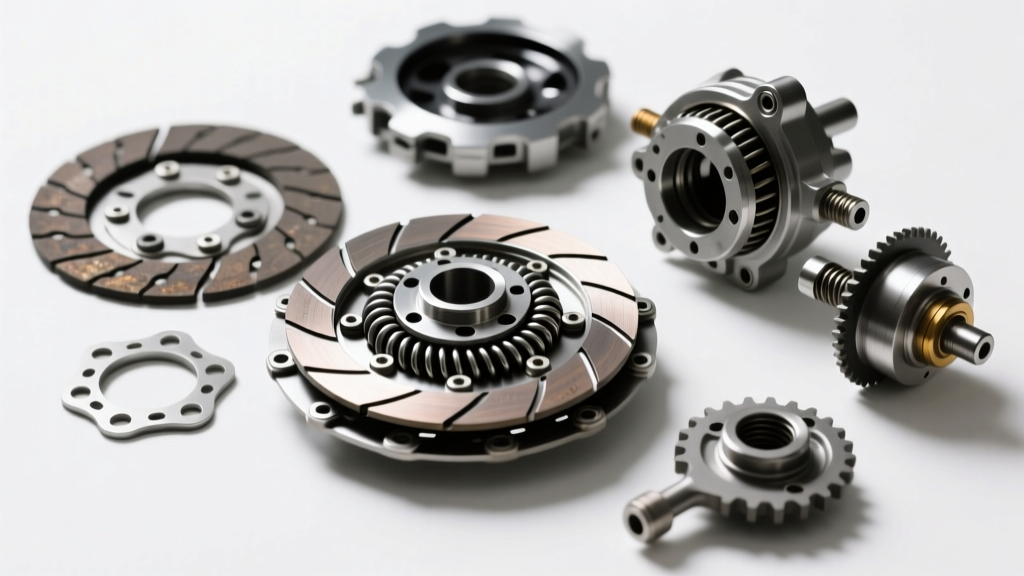
OEM Friction and Steel Plates
OEM kits (e.g., Honda Part #22200-KYJ-900) are engineered for a broad spectrum of riders. They offer smooth engagement, predictable lever feel, and excellent longevity for street riding. However, they are prone to glazing and fading under extreme track conditions or heavy stop-and-go traffic. Expect to pay a 30% to 50% premium for OEM branded boxes compared to high-quality aftermarket equivalents.
Aftermarket Performance Kits
Aftermarket manufacturers offer specialized friction materials that vastly outperform OEM in specific scenarios:
- Kevlar / Aramid Fiber (e.g., Barnett Kevlar): Ideal for cruisers and heavy touring bikes. Kevlar handles immense heat and provides a slightly more aggressive initial bite without being overly harsh on the steel plates. Cost: $140 - $190.
- Sintered Copper (e.g., EBC SRC Series): The gold standard for sportbikes and track use. Sintered copper plates offer virtually fade-free performance at high RPMs and high temperatures. However, they can be abrasive to OEM aluminum clutch baskets if the basket is already notched. Cost: $110 - $150.
- Carbon Fiber (e.g., Hinson): Primarily used in motocross and high-end superbikes. Extremely lightweight and offers unparalleled heat dissipation, but requires precise lever modulation and specific oil formulations. Cost: $200+.
Labor Rates and the Dealership vs. Independent Dilemma
Labor is where the true cost of a professional bike clutch replacement balloons. In 2026, the average dealership flat-rate manual allocates between 2.0 and 3.5 hours for a standard wet clutch replacement. This time includes draining the oil, removing the right-side engine cover, compressing the clutch springs, swapping the plates, torquing the primary drive gear, and bleeding the hydraulic system (if equipped).
Dealerships typically charge $150+ per hour, meaning labor alone can exceed $450. Independent motorcycle specialists often charge between $110 and $135 per hour. While the independent route saves money, ensure the shop has the specific clutch holding tool and primary gear socket for your exact make. Using improvised tools like rope in the cylinder to hold the crank from turning is a hallmark of amateur mechanics and can lead to catastrophic engine damage if the rope gets ingested into the valves.
Hidden Costs: Gaskets, Fluids, and Specialty Tools
If you are budgeting for a clutch job, the friction and steel plates are only half the battle. A proper service requires several consumable items that shops will itemize on your final invoice:
- Right Crankcase Cover Gasket: Never reuse this gasket. OEM paper or composite gaskets cost $15 to $35. Using RTV silicone is a massive red flag that can lead to oil passages clogging and engine seizure.
- Engine Oil: A wet clutch replacement mandates a full oil change. You must use 3 to 5 liters of motorcycle-specific oil.
- Hydraulic Fluid: If your bike uses a hydraulic clutch slave cylinder (common on Ducatis, KTMs, and modern Triumphs), the system must be bled with fresh DOT 4 or DOT 5.1 fluid ($10 - $15).
- Clutch Basket Notching (Edge Case): If the aluminum fingers of your inner hub or outer basket are deeply notched from the steel plates impacting them, new plates will catch and cause dragging. Machining or replacing the basket adds $150 to $600+ to the repair.
DIY vs. Professional: Technical Requirements and Torque Specs
Replacing a motorcycle clutch is a highly accessible DIY job for a home mechanic with a decent toolset, potentially saving you $400 to $700 in labor. However, it requires strict adherence to torque specifications and assembly procedures. As highlighted in maintenance guides on RevZilla's Common Tread, skipping the prep work is the leading cause of premature DIY clutch failure.
Critical Installation Rules & Torque Specs
- Pre-Soak the Frictions: You MUST soak the new friction plates in the exact engine oil you plan to run for a minimum of 2 hours (preferably overnight). Installing dry plates will cause instant glazing and burning upon the first clutch engagement.
- Inspect and Measure the Steels: Do not blindly reuse old steel plates. Look for 'bluing' (purple/brown heat marks). If blued, they are warped and will cause clutch drag. Use a micrometer to measure thickness; most OEM service limits dictate replacement if steels drop below 1.8mm or 2.0mm.
- Spring Bolt Torque: The bolts holding the clutch pressure plate are small (usually 6mm or 8mm). Over-torquing will strip the aluminum threads or snap the bolt head. Most Japanese sportbikes require exactly 7 Nm to 10 Nm (62-88 in-lbs). Use a calibrated 1/4-inch drive torque wrench.
- Primary Drive Gear Nut: This nut holds the entire clutch basket to the crankshaft. It requires immense torque, typically 85 Nm to 110 Nm (62-81 ft-lbs). You will need a universal clutch holding tool to stop the basket from spinning. Furthermore, most OEM nuts require staking (peening the metal collar into the crankshaft groove) or the application of Loctite 272 high-strength threadlocker to prevent it from backing off and destroying the engine cases.
Expert Warning on Oil Selection: Never use standard automotive engine oil in a motorcycle with a wet clutch. Car oils contain friction modifiers (like molybdenum) designed to improve fuel economy. These modifiers will coat your new clutch plates and cause immediate, severe slipping. Always verify the oil meets the JASO MA or JASO MA2 standard, which guarantees the absence of friction-altering additives.
Final Verdict: Is the Upgrade Worth It?
For the average commuter on a liquid-cooled inline-four or a standard V-twin cruiser, an OEM or high-quality Kevlar aftermarket kit installed by an independent shop offers the best balance of cost and longevity. Expect to spend around $500 to $650 out the door. However, if you are tracking your sportbike, towing heavy loads on a bagger, or riding technical single-track on a dirt bike, investing in a sintered copper kit, heavy-duty clutch springs, and performing the installation yourself yields massive performance dividends and saves hundreds in annual labor fees.
Ultimately, a bike clutch replacement is not just about swapping parts; it is about restoring the critical mechanical link between your engine's power and the rear tire. Respect the torque specs, use the right fluids, and your new clutch pack will deliver thousands of miles of flawless engagement.