The Real 2026 MINI Clutch Replacement Cost Breakdown
When your MINI Cooper S or John Cooper Works (JCW) starts exhibiting clutch slip, a spongy pedal, or the dreaded dual-mass flywheel (DMF) rattle at idle, you are facing one of the most debated maintenance items in the European hot hatch community. The MINI clutch replacement cost in 2026 varies wildly depending on your generation (R56 vs. F56), your engine (N14, N18, or B48), and whether you opt for an OEM dual-mass flywheel or an aftermarket single-mass conversion.
Unlike standard economy cars, MINI's manual transmissions—specifically the Getrag GS6-17BG and GS6-55BG—require significant labor to access. The subframe must often be manipulated, and the engine requires specialized support. Below is the definitive cost matrix for 2026, based on current parts pricing and independent European specialist labor rates ($140–$190/hour).
| Generation & Model | Transmission | Parts Cost (DMF Kit) | Labor Hours | Est. Total Cost (2026) |
|---|---|---|---|---|
| R56 Cooper S (N14/N18) | Getrag GS6-17BG | $650 - $850 | 6.5 - 8.0 | $1,560 - $2,370 |
| R56 JCW (N14/N18) | Getrag GS6-55BG | $750 - $950 | 6.5 - 8.0 | $1,660 - $2,470 |
| F56 Cooper S (B48) | Getrag GS6-17BG | $700 - $900 | 7.0 - 9.0 | $1,680 - $2,610 |
| F56 JCW (B48) | Getrag GS6-55BG | $850 - $1,100 | 7.0 - 9.0 | $1,830 - $2,810 |
Why Getrag Transmissions Dictate Your Bill
MINI does not manufacture its own manual gearboxes. The brand relies on Getrag for its high-torque manual applications. Understanding which transmission is bolted to your engine block is critical for ordering the correct clutch kit, as the input shaft splines and flywheel step heights differ.
The Dual-Mass Flywheel (DMF) Tax
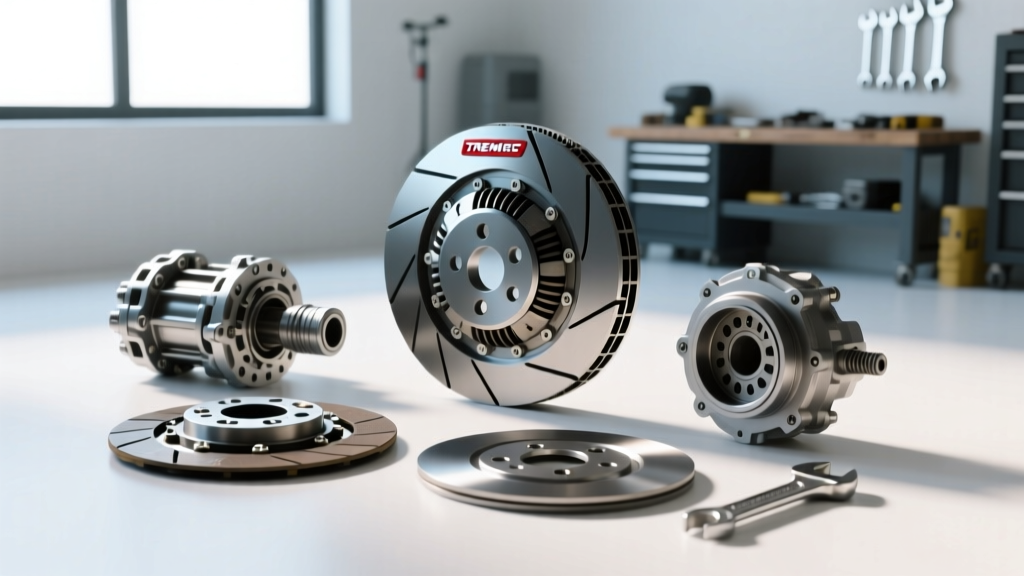
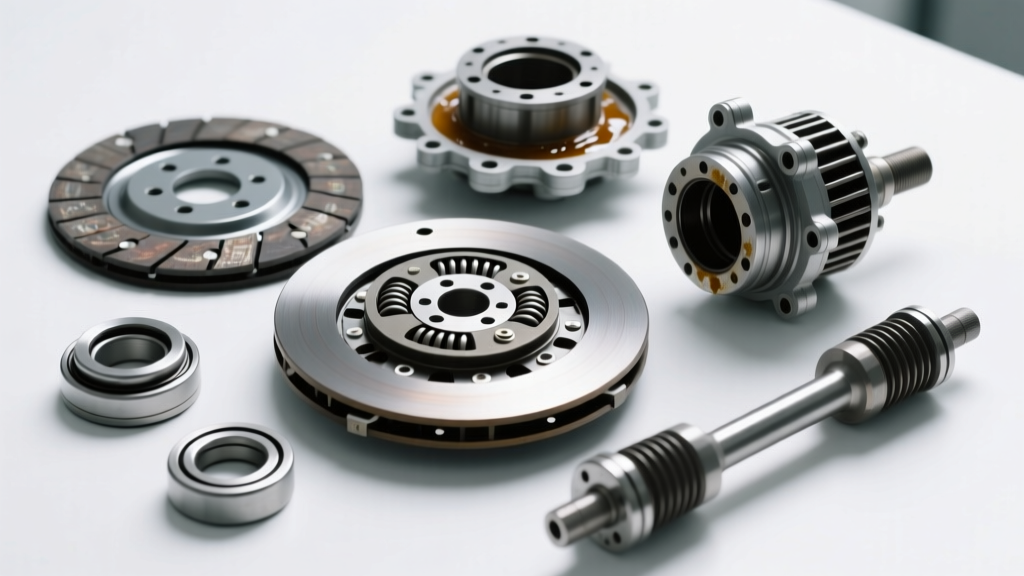
The largest variable in your MINI clutch replacement cost is the flywheel. The N14, N18, and B48 engines produce aggressive torsional vibrations. To protect the Getrag gearbox internals and provide a smooth idle, MINI utilizes a Dual-Mass Flywheel (DMF). A DMF consists of two metal masses separated by heavy-duty internal springs and grease. Over 60,000 to 80,000 miles, these internal springs fatigue, leading to metallic clunking during shutdown and severe drivetrain shudder.
You cannot safely reuse a high-mileage DMF with a new clutch disc. Replacing the DMF adds $400–$600 to the parts bill compared to a standard solid flywheel setup, but it is mandatory for OEM-level drivability. Leading manufacturers like LuK and Sachs engineer these DMFs to exacting MINI tolerances. You can source complete LuK RepSet Pro kits on FCP Euro which include the DMF, clutch disc, pressure plate, release bearing, and alignment tool, often backed by a lifetime replacement guarantee.
OEM Part Numbers & Kit Selection
Walking into a dealership will result in a bill exceeding $3,000. Smart MINI owners source OEM-equivalent kits from the original equipment suppliers. Here are the benchmark part numbers for 2026 sourcing:
- R56 Cooper S (LuK RepSet Pro): 624 3164 00 (Includes DMF, clutch, pressure plate, CSC/release bearing).
- R56 JCW (Sachs Performance): 2290 601 032 (Heavy-duty DMF kit designed for the higher torque output of the JCW tune).
- F56 Cooper S / JCW (LuK): 600 0046 00 (B48 engine specific DMF kit; note the differing bellhousing depth and clutch fork geometry compared to the R56).
Expert Warning: Never mix and match brands between the DMF and the clutch disc/pressure plate. The friction material marcel spring and the DMF internal damping rates are calibrated as a matched set. Mixing a Sachs disc with a LuK flywheel can result in premature chatter and drivetrain NVH (Noise, Vibration, and Harshness).
Labor Realities: Subframes, Axles, and Engine Support
Why do shops quote 7 to 9 hours of labor for a car that weighs less than 3,000 lbs? The F56 generation, in particular, features a tightly packed engine bay and a complex rear subframe mounting system. To extract the Getrag transmission, the technician must:
- Support the Engine: An engine support bar (like the Schley or OEM MINI T10026) must be installed across the strut towers. The engine mounts must be unbolted to allow the engine to tilt backward, creating clearance for the transmission to slide off the input shaft.
- Remove the GKN Axles: Both front half-shafts must be pulled from the wheel hubs and the transmission output flanges. The 36mm axle nuts are prevailing torque and must be replaced upon reassembly.
- Drop the Subframe (F56): On many B48 F56 models, the rear transmission mount is integrated into the subframe crossmember. Lowering the subframe is often required to gain the necessary angle to clear the exhaust tunnel and steering rack.
- Clutch Slave Cylinder / CSC: The Concentric Slave Cylinder (CSC) is located inside the bellhousing. It must be replaced during every clutch job. Furthermore, the hydraulic system must be bled using a pressure bleeder; MINI's hydraulic clutch circuits are notorious for trapping air near the master cylinder firewall bulkhead.
For deep-dive DIY instructions and community troubleshooting, the North American Motoring R56 forums remain an invaluable resource for documenting the nuances of N18 vs. N14 engine tilt angles during extraction.
Critical Torque Specifications for MINI Manuals
If you are tackling this job in your home garage, you must adhere to MINI's torque-to-yield specifications. Reusing stretch bolts on the flywheel or bellhousing will result in catastrophic failure under the turbocharged torque curve of the Cooper S or JCW.
| Component | Fastener Size | Torque Specification | Notes |
|---|---|---|---|
| Flywheel to Crankshaft | M10 x 1.25 | 60 Nm + 90° | Must use new bolts. Clean threads with Loctite 262. |
| Bellhousing to Engine Block | M10 / M12 | 35 Nm + 90° / 65 Nm | Verify ground strap placement on lower bolt. |
| Transmission Mount to Body | M10 | 56 Nm | Replace rubber isolator if cracked. |
| Front Axle Nut (Hub) | M27 | 210 Nm | Prevailing torque. Must replace nut. |
| Clutch Pressure Plate | M8 | 25 Nm | Star pattern sequence. Use alignment tool. |
For comprehensive visual guides on accessing these fasteners and safely supporting the MINI drivetrain, Pelican Parts' MINI R56 Technical Articles provide excellent step-by-step photography and tool lists.
Single-Mass Flywheel (SMF) Conversions: Worth the Savings?
In an effort to lower the MINI clutch replacement cost, many owners turn to Single-Mass Flywheel (SMF) conversion kits (often sold by brands like South Bend Clutch or SPEC). An SMF eliminates the internal springs of the DMF, replacing it with a solid steel or aluminum disc. The damping springs are moved into the hub of the clutch disc itself.
The Pros of SMF Conversion
- Cost Savings: SMF kits are generally $200–$400 cheaper than OEM DMF kits.
- Longevity: A solid steel flywheel will never suffer internal spring failure. It is effectively a lifetime part.
- Throttle Response: Reduced rotational mass (if using lightweight aluminum) allows the B48 or N18 engine to rev much faster.
The Cons of SMF Conversion
- Increased NVH: You will hear gear rattle at idle. The Getrag GS6-17BG is not heavily insulated, and the solid flywheel transmits engine harmonics directly into the cabin.
- Drivetrain Shock: Without the DMF to absorb torque spikes, the differential, axles, and engine mounts take the brunt of aggressive launches. If you drive a high-horsepower JCW, an SMF can accelerate wear on your limited-slip differential (LSD) and engine mount inserts.
Final Verdict: Budgeting for Your MINI
If your MINI is a daily driver and you value the refined, factory-intended feel of the hot hatch, budget between $1,600 and $2,400 for a complete LuK or Sachs DMF clutch kit replacement at an independent European specialist. If you are building a track-focused F56 JCW and plan to upgrade your engine mounts and LSD simultaneously, an SMF conversion becomes a viable, cost-effective alternative. Regardless of the route you choose, never cut corners on the hydraulic slave cylinder or the prevailing torque axle nuts—doing so will turn a standard maintenance item into a roadside emergency.