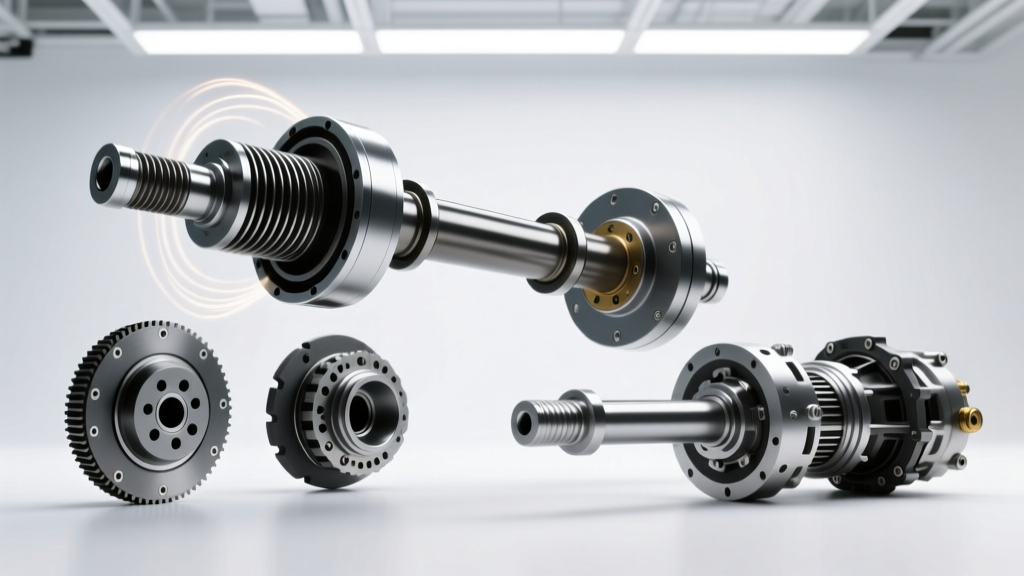
The Architecture of the Modern Mini Cooper Drivetrain
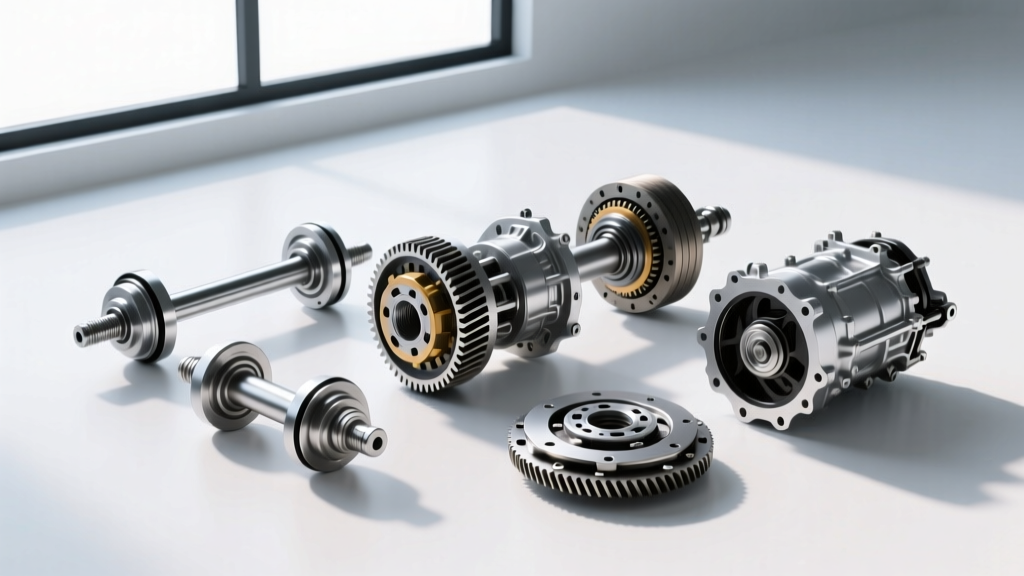
When evaluating the front-wheel-drive architecture of the modern F56 generation, understanding the Mini Cooper drivetrain requires looking beyond the turbocharged B38 and B48 engines. Power is routed through either the Aisin GA6F21W (6-speed automatic for base models), the Aisin GA8F22W (8-speed automatic for Cooper S), or the Getrag GS6-17BG 6-speed manual transmission. From the transmission's integrated differential, torque is delivered to the front wheels via two critical half-shafts: the CV (Constant Velocity) axles.
Because Mini Coopers utilize a transverse engine layout with unequal-length front axles (on earlier R56 models) and optimized equal-length shafts with intermediate bearings (on F56 xDrive models), the CV joints endure immense stress. They must manage severe articulation angles during tight cornering while simultaneously handling the aggressive torque delivery characteristic of BMW Group's TwinPower Turbo engines. By 2026, many F56 models are crossing the 80,000 to 120,000-mile threshold, making CV joint and axle degradation one of the most common—and potentially costly—drivetrain failures owners face.
Diagnostic Guide: Identifying CV Joint and Axle Failures
Before authorizing a repair, it is vital to accurately diagnose which component of the axle assembly has failed. A complete CV axle consists of an inner tripod joint (transmission side), the intermediate shaft, the outer Rzeppa ball joint (wheel side), and the thermoplastic elastomer (TPE) dust boots. Failure modes differ significantly between the inner and outer joints.
Outer CV Joint (Wheel Side) Symptoms
The outer joint is a traditional Rzeppa-style ball-and-cage joint designed to handle extreme steering angles up to 47 degrees. When the protective rubber boot tears—often due to dry rot, road debris, or aggressive track use—water and silica infiltrate the molybdenum disulfide (moly) grease. This creates a lapping compound that rapidly destroys the ball bearings and raceways.
- Audible Clicking: A rhythmic clicking or popping noise during tight, low-speed turns (like navigating a parking lot) is the hallmark of outer joint wear.
- Grease Slung on Fender Liners: Visually inspect the inside of the front wheel well. If you see a radial spray pattern of thick, dark grease on the plastic fender liner or lower strut housing, the outer boot has ruptured.
Inner CV Joint (Transmission Side) Symptoms
The inner joint utilizes a tripod design (three roller bearings on a spider cross) that allows for both angular articulation and axial plunge. This plunge is necessary because the suspension travels up and down, changing the physical distance between the transmission differential and the wheel hub.
- Acceleration Vibration: Unlike outer joints, inner joints rarely click. Instead, worn tripod rollers or pitted housing tracks cause a distinct lateral vibration or shudder felt through the chassis and steering wheel specifically under heavy acceleration.
- Clunking on Deceleration: Excessive axial play in the inner tripod housing can result in a metallic clunk when lifting off the throttle, as the drivetrain slack is taken up.
2026 Cost Breakdown: Dealership vs. Independent vs. DIY
The cost to repair a Mini Cooper CV axle varies wildly depending on your chosen repair pathway and whether you opt for OEM GKN components or budget aftermarket alternatives. Below is a comprehensive cost analysis for a single-side CV axle replacement on an F56 Cooper S in 2026.
| Repair Scenario | Parts Cost (OEM GKN) | Parts Cost (Aftermarket) | Labor (Indie $150/hr) | Labor (Dealer $220/hr) | Total Est. Range |
|---|---|---|---|---|---|
| Single Boot Kit Replacement | $45 - $75 | $25 - $40 | $300 (2.0 hrs) | $440 (2.0 hrs) | $345 - $515 |
| Single Complete CV Axle Assembly | $280 - $360 | $90 - $140 | $225 (1.5 hrs) | $330 (1.5 hrs) | $315 - $690 |
| Both Axles (Full Drivetrain Refresh) | $560 - $720 | $180 - $280 | $412 (2.75 hrs) | $605 (2.75 hrs) | $592 - $1,325 |
Analyzing the Data: The False Economy of Boot Kits
As the table illustrates, replacing a torn CV boot using a boot kit requires the exact same labor time—or slightly more—than replacing the entire axle assembly. This is because the axle must be entirely removed from the vehicle, and the old boot must be cut off, the joint cleaned, and the new boot clamped. If the boot has been torn for more than a few hundred miles, microscopic pitting has already begun on the bearing surfaces. According to extensive drivetrain teardowns documented on North American Motoring, installing a new boot on a compromised joint will result in failure within 5,000 miles, requiring you to pay the $225+ labor rate a second time. In 2026, the industry standard best practice is to replace the complete axle assembly if the boot has been breached for an unknown duration.
OEM Part Numbers and the GKN Löbro Advantage
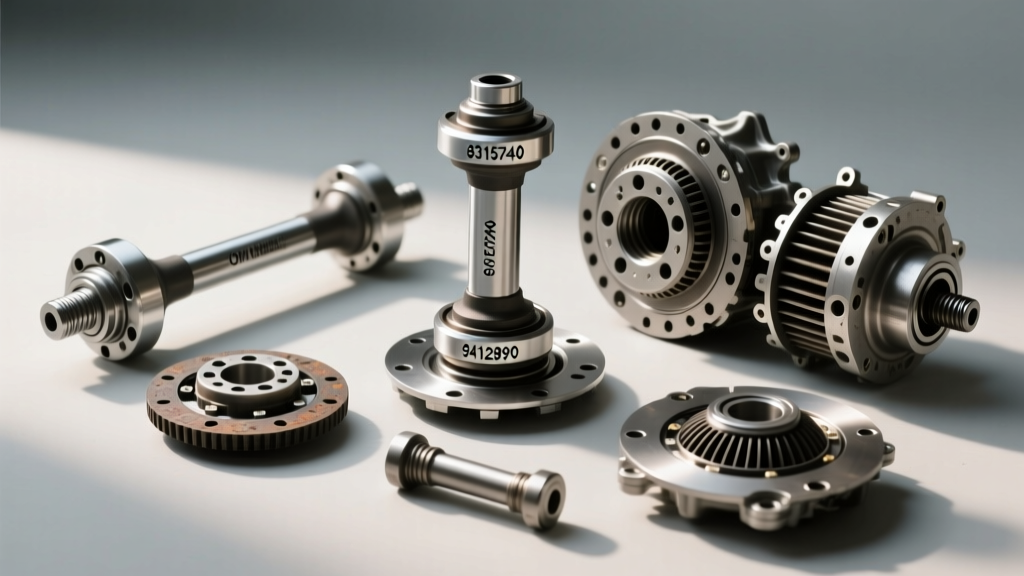
When sourcing parts, enthusiasts and technicians alike turn to RealOEM to cross-reference BMW Group part numbers. For the F56 Cooper S (B48 engine), the OEM part numbers are typically 31607597937 (Left) and 31607597938 (Right). However, buying the part in a genuine BMW-branded box carries a hefty dealership markup, often pushing the price over $450 per side.
The secret to maintaining factory drivetrain smoothness is purchasing directly from the OEM manufacturer: GKN Driveline (Löbro). GKN supplies the original axles to BMW's assembly lines. Buying a GKN-branded axle from reputable suppliers like FCP Euro typically costs between $280 and $360, saving you over 30% while guaranteeing factory metallurgy.
Warning on Aftermarket Axles: Budget aftermarket axles (often priced under $120) from brands like SurTrack or generic importers frequently suffer from poor harmonic balancing and inferior tripod needle bearings. In a lightweight, stiffly sprung chassis like the Mini Cooper, these inferior shafts introduce severe NVH (Noise, Vibration, and Harshness), manifesting as high-speed steering wheel wobble and premature differential seal leaks due to shaft runout.
Critical Torque Specifications and Installation Protocol
Proper installation of a CV axle is not merely about sliding it into place; it requires strict adherence to BMW Group torque specifications to prevent catastrophic drivetrain separation or wheel bearing damage. The following specs apply to the F56 FWD platform:
The Axle Nut Dilemma
The front axle is secured to the wheel hub by a massive M24x1.5 collar nut (BMW Part #31206859715). This is a one-time-use stretch bolt. It must be discarded upon removal and replaced with a new nut. Attempting to reuse the old collar nut risks the nut backing off under the cyclical loading of the drivetrain, which will destroy the wheel bearing and potentially cause the wheel to detach.
- Tool Required: 36mm 12-point socket and a high-torque 1/2-inch drive torque wrench.
- Axle Collar Nut Torque: 210 Nm (155 lb-ft) + 90 degrees of additional rotation.
- Strut Pinch Bolt (if separating ball joint): 65 Nm (48 lb-ft).
- Lower Control Arm Ball Joint Nut: 65 Nm (48 lb-ft) + replace locking nut.
Extraction and Insertion Technique
The inner tripod joint is retained inside the transmission differential by a circular internal snap ring. Removing the axle requires a sharp, controlled outward strike with a pry bar positioned carefully against the inner housing—never against the aluminum transmission casing, which will chip and cause fluid leaks. Insertion requires aligning the splines and giving the outer joint a firm strike with a rubber mallet until you feel and hear the internal snap ring seat into the differential groove. Failure to fully seat the snap ring will result in the axle ejecting from the transmission under load, dumping differential fluid and stranding the vehicle.
Strategic Repair: When to Replace Both Axles
If your Mini Cooper has exceeded 100,000 miles and one CV axle has failed due to age-related boot degradation or internal fatigue, the opposite side is operating on borrowed time. The rubber TPE boots undergo identical thermal cycling and ozone exposure. Furthermore, if you are paying an independent shop to lift the car, remove the front wheels, and extract the axle, the marginal labor cost to do the passenger side simultaneously is only about 1.25 hours.
For enthusiasts tracking their Minis or those living in regions that heavily salt winter roads (accelerating the corrosion of the axle splines and boots), a proactive dual-axle refresh using GKN components is a highly recommended 2026 maintenance strategy. It preserves the factory NVH characteristics, protects the transmission's differential seals, and ensures that the torque from your Cooper's engine is reliably translated to the tarmac without the interruption of a snapped half-shaft on the highway.