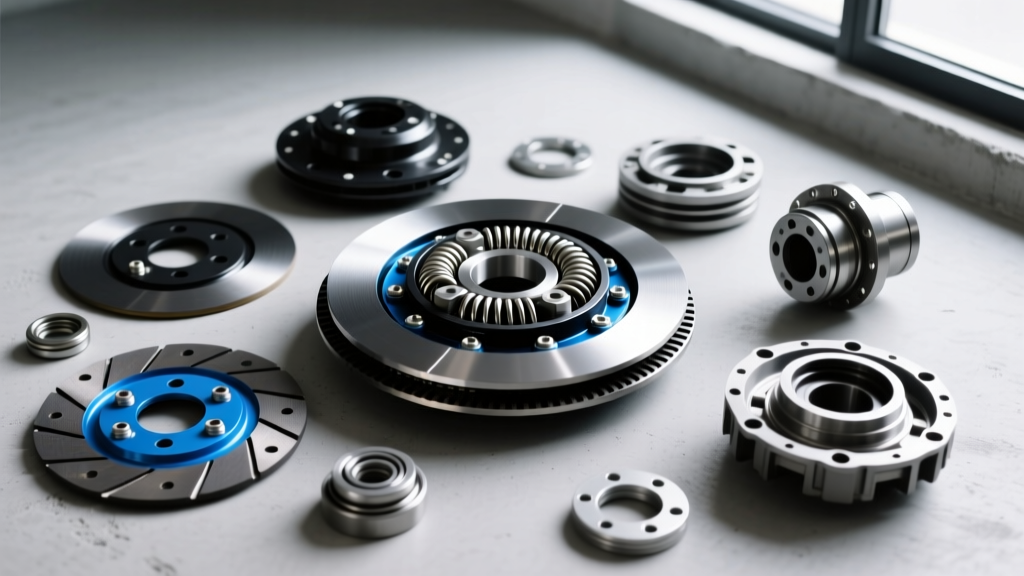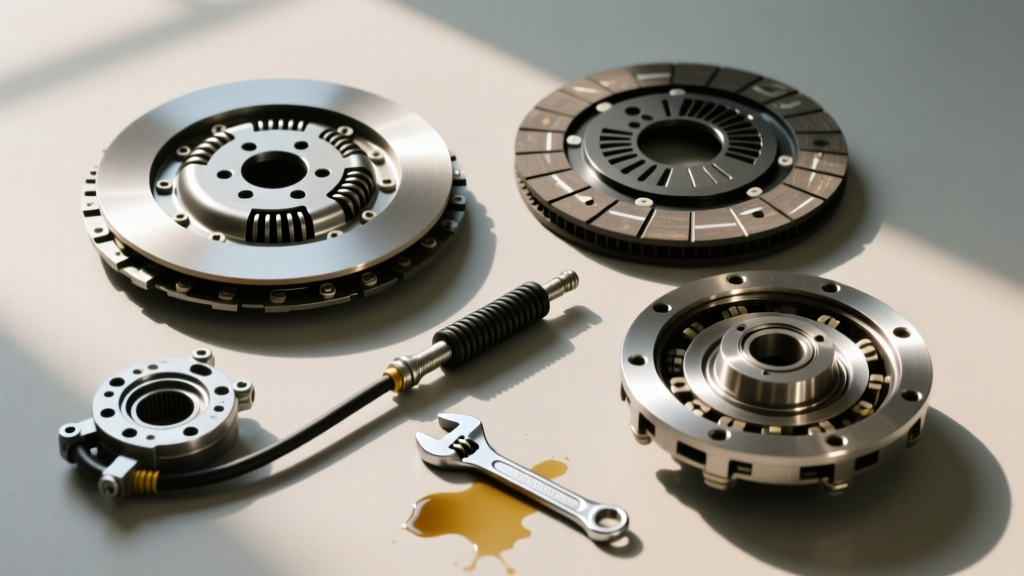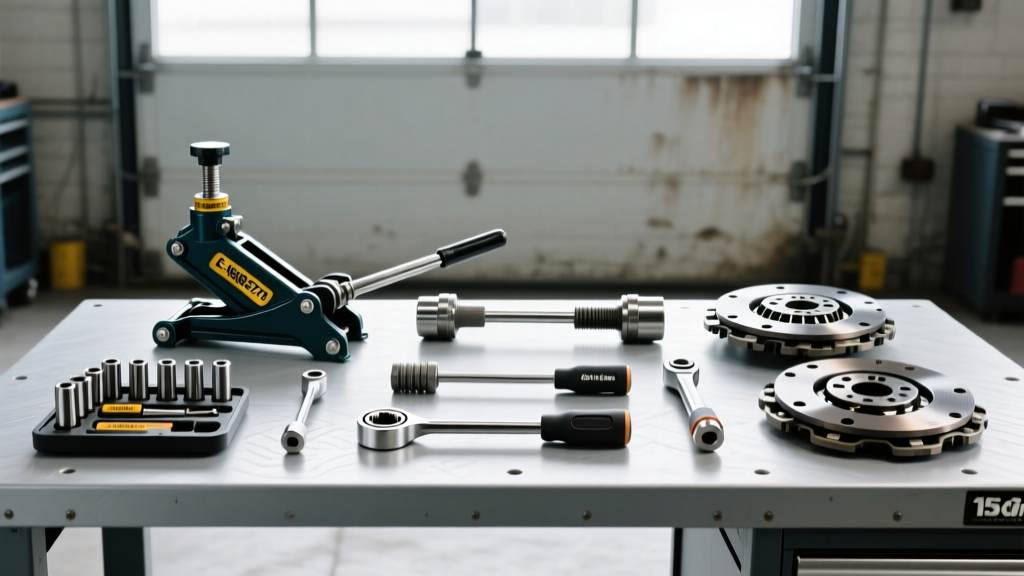
The Baseline: Understanding the Mini Cooper Clutch Replacement Cost
When automotive enthusiasts and daily drivers begin researching the Mini Cooper clutch replacement cost, they are often surprised by the premium associated with small-displacement, transverse front-wheel-drive (FWD) platforms. For the 2026 model year, replacing the clutch on a Mini Cooper S (F56 chassis) equipped with the BMW B48 2.0L turbocharged engine and the Getrag GS6-17BG 6-speed manual transmission typically ranges between $1,600 and $2,200. While the vehicle is compact, the labor intensity is remarkably high due to the transverse drivetrain layout and the necessity of managing complex dual-mass flywheel (DMF) systems.
To access the bellhousing on a Mini Cooper, technicians must either support the engine from above with a specialized bridge and drop the entire front subframe, or remove the front bumper, headlights, and core support to pull the engine forward. The subframe drop is the industry standard. This requires disconnecting the steering rack, lower control arms, sway bar links, and axle half-shafts. The OEM clutch kit, typically manufactured by Schaeffler LuK, includes a highly calibrated DMF designed to absorb the torsional vibrations inherent to the B48 engine. Because DMFs cannot be safely resurfaced like traditional single-mass cast-iron flywheels, the flywheel must be replaced every time the clutch disc wears out, significantly inflating the parts cost compared to older, simpler vehicles.
Additionally, the half-shafts on the Mini Cooper feature delicate inner CV joints that must be carefully pried from the transmission differential using a specialized slide-hammer puller. Using a standard pry bar risks cracking the aluminum differential housing, a mistake that turns a routine clutch job into a $4,000 transmission replacement nightmare.
Shifting Gears: Clutch Replacement for Trucks and SUVs
While the Mini Cooper represents the pinnacle of compact FWD complexity, clutch replacement for trucks and SUVs introduces an entirely different set of mechanical hurdles. Modern trucks and off-road SUVs utilize longitudinal rear-wheel-drive (RWD) or four-wheel-drive (4WD) architectures. The sheer mass of the drivetrain components, the integration of heavy-duty transfer cases, and the requirement to navigate reinforced skid plates make these jobs some of the most physically demanding in the automotive repair industry.
Jeep Wrangler (JL) and the NSG370 Transmission
Take the Jeep Wrangler JL equipped with the 3.6L Pentastar V6 and the Aisin NSG370 6-speed manual. Unlike the transverse Mini, the Wrangler’s longitudinal layout means the transmission and transfer case (often the NV241 OR) must be dropped straight down. Before unbolting the crossmember on any 4WD SUV or truck, the transfer case must be drained. For the NV241, this requires roughly 2.0 quarts of ATF+4. The rear driveshaft must be marked with a paint pen relative to the pinion flange to preserve factory driveline phasing, preventing severe vibrations upon reassembly. Furthermore, the intermediate steering shaft and exhaust cross-pipes often need to be unbolted and hung aside to provide the necessary clearance angle to drop the transmission jack.
The NSG370 relies on an external hydraulic slave cylinder, which, while easier to access than the Mini’s internal concentric slave, requires careful inspection of the clutch fork pivot ball for wear—a common failure point that causes premature clutch disengagement issues.
Heavy-Duty Applications: Ram 2500 and the G56 Manual
For heavy-duty applications, such as the Ram 2500 paired with the legendary G56 6-speed manual transmission, the complexity and cost scale exponentially. The G56 features a massive cast-aluminum bellhousing and case, weighing over 190 lbs dry. When mating this transmission to the 6.7L Cummins turbo-diesel, standard organic clutches are insufficient. Owners frequently upgrade to heavy-duty multi-disc setups from specialists like South Bend Clutch. These kits often utilize a solid single-mass flywheel conversion or a heavy-duty sprung hub ceramic disc to handle torque outputs exceeding 1,000 lb-ft. The labor time for a G56 clutch replacement routinely exceeds 12 hours, as it requires supporting the massive transfer case, unbolting the heavy crossmembers, and carefully aligning the input shaft through a thick, high-pressure clutch assembly.
Cost & Labor Breakdown: Compact Car vs. Heavy-Duty Truck
The table below illustrates the stark contrast in labor hours, component weights, and overall pricing between the Mini Cooper and popular manual truck/SUV platforms in 2026.
| Vehicle Platform | Transmission Model | Flywheel Architecture | Avg. Labor Hours | Estimated 2026 Cost |
|---|---|---|---|---|
| Mini Cooper S (F56) | Getrag GS6-17BG | LuK Dual-Mass (DMF) | 5.5 - 6.5 | $1,600 - $2,200 |
| Jeep Wrangler (JL 3.6L) | Aisin NSG370 | Single Mass / DMF | 7.0 - 9.0 | $2,100 - $2,800 |
| Toyota Tacoma (3.5L V6) | Aisin AC60F | Single Mass w/ Damper | 8.0 - 10.0 | $2,400 - $3,100 |
| Ram 2500 (6.7L Diesel) | G56 6-Speed | HD Single / Dual-Disc | 11.0 - 14.0 | $3,800 - $5,200 |
Critical Torque Specs and OEM Alignment Procedures
Whether you are tackling a Mini Cooper or a heavy-duty truck, adhering to exact torque specifications is non-negotiable to prevent catastrophic drivetrain failure. Below are the critical fastener specs for the platforms discussed:
- Mini Cooper B48 Flywheel to Crankshaft: Uses M11 torque-to-yield (TTY) stretch bolts. These must be replaced. Initial torque: 60 Nm (44 lb-ft), followed by a 90-degree angle turn. Never reuse TTY bolts.
- Jeep 3.6L Pentastar Flywheel: M10 bolts torqued to 85 lb-ft in a star pattern. Use medium-strength threadlocker (Loctite 243) to prevent backing out due to harmonic vibration.
- Ram Cummins G56 Flywheel: M12 bolts require a massive 105 lb-ft of torque. Due to the high rotational mass, ensuring the flywheel is perfectly seated against the crank flange is vital to avoid rear main seal leaks.
- Bellhousing Alignment (All Platforms): When mating the transmission to the engine, bellhousing runout must be measured with a dial indicator. Tremec and Getrag both mandate a maximum runout of 0.005 inches. Exceeding this tolerance will destroy the transmission input shaft bearing and cause premature clutch drag.
Hydraulic Throw-Out Bearings and Slave Cylinder Bleeding
The hydraulic actuation systems in modern manual vehicles represent a major portion of the replacement cost. The Mini Cooper utilizes a Concentric Slave Cylinder (CSC) that wraps around the transmission input shaft. Because accessing the CSC requires removing the transmission, it is universally recommended to replace the CSC and the flexible hydraulic line every time the clutch is serviced. Bleeding a CSC requires a pressure bleeder set to roughly 15-20 PSI to push DOT 4 fluid through the system without aerating the master cylinder.
Conversely, many trucks and SUVs, like the Toyota Tacoma and older Jeep Wranglers, use an external slave cylinder mounted on the bellhousing. While cheaper to replace, external slaves are subjected to extreme heat from the exhaust and road debris. When servicing truck clutches, technicians must also inspect the clutch fork pivot ball. If the pivot ball shows grooving or wear, it must be replaced, or the new clutch will suffer from a spongy pedal feel and incomplete disengagement, leading to gear grinding.
Expert Verdict: Where the Money Actually Goes
Comparing the Mini Cooper clutch replacement cost to that of trucks and SUVs reveals a fascinating divergence in automotive engineering. The Mini’s cost is driven by the mandatory replacement of expensive, precision-balanced dual-mass flywheels and the tight packaging of a transverse FWD engine bay. In contrast, clutch replacement for trucks and SUVs is dictated by brute-force labor, the sheer weight of 4WD transfer cases, and the need for heavy-duty aftermarket clutch materials capable of handling massive diesel torque. Understanding these architectural differences ensures that consumers and technicians alike can properly budget, diagnose, and execute these complex drivetrain repairs in 2026 and beyond.
Whether you are dealing with the precision German engineering of a Getrag transverse unit or the cast-iron brute strength of a longitudinal G56, the underlying principles of clutch friction, hydraulic actuation, and rotational mass remain constant. Always prioritize OEM or high-tier aftermarket suppliers, adhere strictly to torque-to-yield fastener protocols, and never cut corners on flywheel resurfacing or replacement.