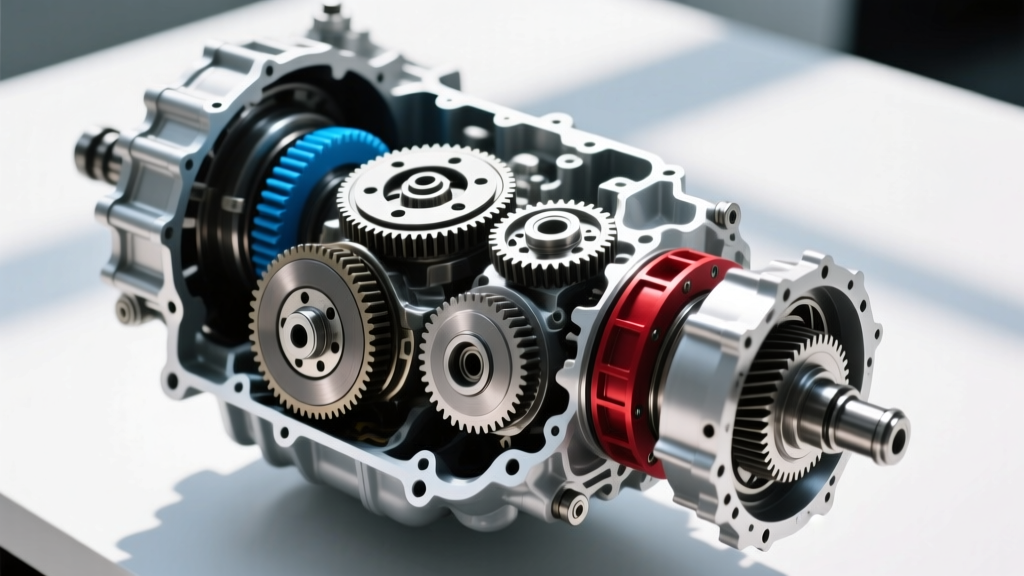
The Reality of a Mazda Miata Transmission Rebuild in 2026
As the Mazda Miata (MX-5) continues its transition from an affordable used sports car to a certified modern classic, the mechanical realities of ownership are shifting. For NA (1989-1997), NB (1998-2005), and NC (2006-2015) owners, sourcing a low-mileage junkyard transmission is no longer a reliable gamble. Most used units on the market have endured decades of missed shifts, track days, and degraded fluids. Consequently, a comprehensive Mazda Miata transmission rebuild has become the gold standard for enthusiasts seeking crisp, factory-fresh shift quality.
Whether you are wrestling with the notorious 5-speed R15M-D or the later 6-speed G15M-D, rebuilding your own transmission is a highly rewarding DIY project. However, it requires precision, specialized tools, and a deep understanding of synchro clearances and bearing preloads. This guide serves as your ultimate comparison and buyer's resource for tackling a Miata manual transmission rebuild in your home garage.
Transmission Identification & Common Failure Modes
Before ordering parts, you must accurately identify your transmission and understand its inherent weak points. Mazda utilized two primary manual transmissions across the first three generations:
- R15M-D (5-Speed): Found in NA and early NB models. Known for its lightweight design but prone to 5th gear pop-out and input shaft bearing failure.
- G15M-D / Aisin (6-Speed): Found in late NB2, NC, and early ND models. Features a powerplant frame (PPF) integration and is generally robust, but suffers from 2nd-to-3rd gear synchro crunch under aggressive driving.
Diagnosing the Need for a Rebuild
Not every shifting issue requires a full teardown. If your Miata exhibits 5th gear pop-out under deceleration, the culprit is often a fatigued detent spring or a worn shift fork pad rather than internal gear damage. Similarly, a high-pitched whine in neutral that disappears when the clutch is depressed points directly to a failing input shaft bearing. However, if you are experiencing gear crunching, grinding during synchronization, or metal flakes on the magnetic drain plug, a full teardown and rebuild are mandatory.
Buyer's Guide: Choosing the Right Rebuild Kit
The success of your Mazda Miata transmission rebuild hinges on the quality of your rebuild kit. A standard master kit includes bearings, seals, gaskets, and snap rings, but the synchro rings are where you must make a critical purchasing decision. As of 2026, OEM Mazda synchros are becoming increasingly difficult to source and expensive, leading many DIYers to explore aftermarket alternatives.
| Synchro Type | Material / Treatment | Pros | Cons | Est. Price (Full Set) |
|---|---|---|---|---|
| OEM Mazda | Sintered Bronze / Molybdenum | Factory shift feel, guaranteed fitment, quiet operation. | High cost, declining availability, prone to wear under track use. | $450 - $650 |
| Cryo-Treated Aftermarket | Deep Cryogenic Steel/Bronze | Increased surface hardness, extended lifespan, cost-effective. | Shift feel can be slightly notchy when cold. | $250 - $350 |
| Carbon-Lined Racing | Carbon Fiber Composite | Aggressive lock-up, handles extreme heat, ideal for track cars. | Harsh street shift feel, requires specific break-in, expensive. | $600 - $900 |
Expert Tip: For a dedicated street or weekend canyon-carver, Cryo-treated aftermarket synchros offer the best balance of longevity and cost. Reserve carbon-lined synchros for dedicated race builds running heavy-duty gearsets.
Critical DIY Teardown & Inspection Tips
Teardown is not just about taking parts apart; it is a forensic investigation into why your transmission failed. Document everything with photos and organize hardware using labeled magnetic trays.
Measuring Synchro Clearance
The most vital measurement during a Miata transmission rebuild is the synchro-to-gear cone clearance. Using a feeler gauge, press the synchro ring firmly onto the gear cone and measure the gap between the synchro and the gear face.
- New Specification: 0.040" - 0.070" (1.0mm - 1.8mm)
- Wear Limit: 0.020" (0.5mm)
If the clearance is at or below 0.020", the synchro's internal friction grooves are worn flat, and it can no longer generate the friction required to match gear speeds. According to the Miata.net Garage technical archives, reusing synchros that are near the wear limit will result in immediate gear crunching post-rebuild.
Inspecting Shift Forks and Detents
Check the shift fork pads for asymmetric wear. If the fork is worn more than 0.5mm on one side, it indicates a misalignment or a bent shift rail, which will cause premature wear on your new synchros. Always replace the detent springs and plungers during reassembly; they cost less than $20 and are the primary fix for 5th gear pop-out.
Assembly Best Practices & Torque Specifications
Cleanliness is paramount. Wash the aluminum case halves in a parts washer and blow them out with compressed air to ensure no debris is trapped in the oil galleries. When sealing the case halves, avoid standard silicone. Use a high-quality anaerobic sealant or a specialized RTV like Permatex Ultra Gray or ThreeBond 1215 to prevent case leaks and ensure proper bearing preload.
Mazda Miata Transmission Torque Specs
Over-torquing aluminum case bolts is a common DIY mistake that leads to stripped threads and warped housings. Use a calibrated inch-pound or low-range foot-pound torque wrench for the following critical fasteners:
- Transmission Case Halves (8mm/10mm bolts): 16 - 22 ft-lbs (22 - 30 Nm)
- Bellhousing to Engine Block: 28 - 38 ft-lbs (38 - 52 Nm)
- Extension Housing to Main Case: 28 - 38 ft-lbs (38 - 52 Nm)
- Shifter Turret to Extension Housing: 16 - 22 ft-lbs (22 - 30 Nm)
- Drain and Fill Plugs: 29 - 43 ft-lbs (40 - 58 Nm)
The Fluid Debate: GL-4 vs. GL-5
"The Miata community consensus is absolute: never use API GL-5 gear oil in a manual Miata transmission. The high sulfur-phosphorus additives in GL-5 will chemically corrode the yellow metals (bronze/brass) used in your synchros and thrust washers."
You must use an API GL-4 75W-90 gear oil. Red Line MT-90 and Motul Gear 300 75W-90 remain the top-tier choices for Miata transmissions, providing excellent synchro friction characteristics and protecting the gears without harming yellow metals. Total fluid capacity is approximately 2.1 quarts (2.0 liters).
Cost Comparison: DIY vs. Professional Rebuild
Is the DIY route financially viable compared to handing the car over to a specialist? Below is a realistic cost breakdown for a standard Mazda Miata transmission rebuild in 2026.
| Expense Category | DIY Home Garage | Professional Rebuilder |
|---|---|---|
| Master Rebuild Kit (Bearings, Seals, Synchros) | $400 - $700 | Included in Labor/Parts |
| Specialty Tools (Snap ring pliers, pullers) | $75 - $150 | N/A |
| GL-4 Gear Oil & Sealants | $60 - $90 | Included |
| Labor (R&R and Teardown/Assembly) | $0 (Your Time) | $900 - $1,400 |
| Bench Fee / Core Charge | N/A | $250 - $500 |
| Total Estimated Cost | $535 - $940 | $1,500 - $2,500+ |
Final Verdict: Is the DIY Route Worth It?
Undertaking a Mazda Miata transmission rebuild in your own garage saves you upwards of $1,500 while granting you intimate knowledge of your drivetrain. The R15M-D and G15M-D transmissions are remarkably logical and straightforward compared to modern dual-clutch or complex ZF automatics. As long as you invest in a high-quality master kit, adhere strictly to synchro clearance measurements, and utilize the correct GL-4 fluid, your freshly rebuilt Miata transmission will deliver the crisp, mechanical shift quality that makes the MX-5 an enduring automotive icon.