The Reality of Transmission Overhaul Timelines
When enthusiasts and professional technicians search for guidance on how to overhaul automatic transmission units, the focus is heavily placed on parts selection, specialty tools, and torque specifications. However, time is the most critical and frequently miscalculated resource in any transmission rebuild. A comprehensive overhaul is not a weekend project; it is a meticulous exercise in precision machining, hydraulic testing, and mechanical assembly.
Understanding exactly how to overhaul automatic transmission assemblies requires breaking down the clock into two distinct phases: Vehicle Time (Remove and Replace, or R&R) and Bench Time (teardown, cleaning, machining, assembly, and testing). Failing to account for both will result in severe scheduling conflicts, especially for professional shops managing multiple bays, or DIYers who need their daily driver back on the road.
Model-Specific Time Estimates: What the Data Shows
Not all transmissions are created equal. A legacy 4-speed hydraulic unit requires vastly different labor hours compared to a modern 8-speed mechatronic-controlled transmission. Below is a data-driven breakdown of average labor times based on industry standards from the Automatic Transmission Service Group (ATSG) and real-world shop data.
| Transmission Model | R&R (Vehicle) Hours | Bench Rebuild Hours | Total Calendar Days | Common Hard-Part Delays |
|---|---|---|---|---|
| GM 4L60E | 4.5 - 6.0 | 8.0 - 10.0 | 2 - 3 Days | Sun shells, 3-4 clutch drums |
| GM 6L80 / 6L90 | 5.5 - 7.5 | 12.0 - 15.0 | 3 - 5 Days | TEHCM (TCM) failures, wave plates |
| ZF 8HP70 / 8HP90 | 6.0 - 8.5 | 14.0 - 18.0 | 5 - 7 Days | Mechatronic sleeves, adapter plates |
Step-by-Step Time Breakdown: Where the Hours Go
To truly grasp the timeline, we must dissect the bench rebuild process. Here is where the hours are allocated during a professional-grade overhaul.
Phase 1: Extraction, Teardown, and Cleaning (3 - 5 Hours)
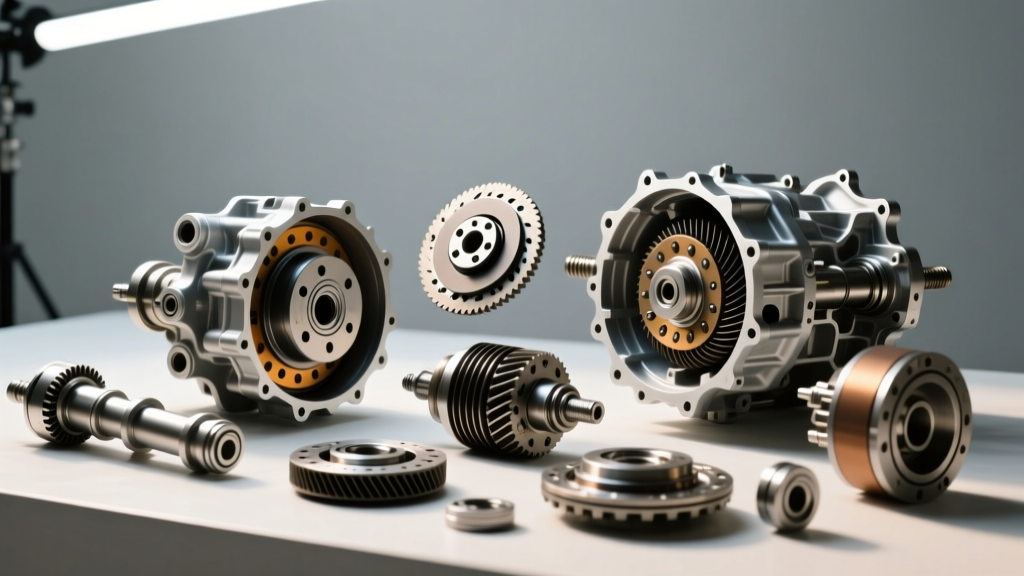
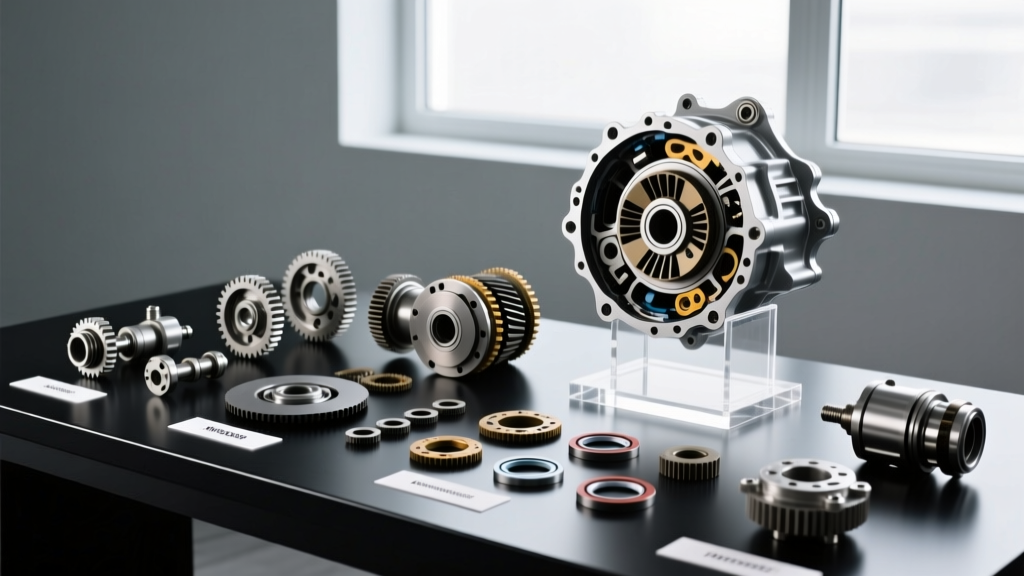
Pulling the transmission is only the beginning. Once on the bench, the unit must be completely disassembled. Every clutch pack, planetary gear set, and thrust bearing must be cataloged. The time sink here is cleaning. The case, valve body, and hard parts must be run through a hot tank or ultrasonic cleaner to remove decades of burnt friction material and varnish. Inspecting the case for micro-fractures and checking the valve body bore for wear using a Sonnax vacuum test stand adds another 90 minutes to this phase.
Phase 2: Component Machining and Clutch Pack Assembly (5 - 8 Hours)
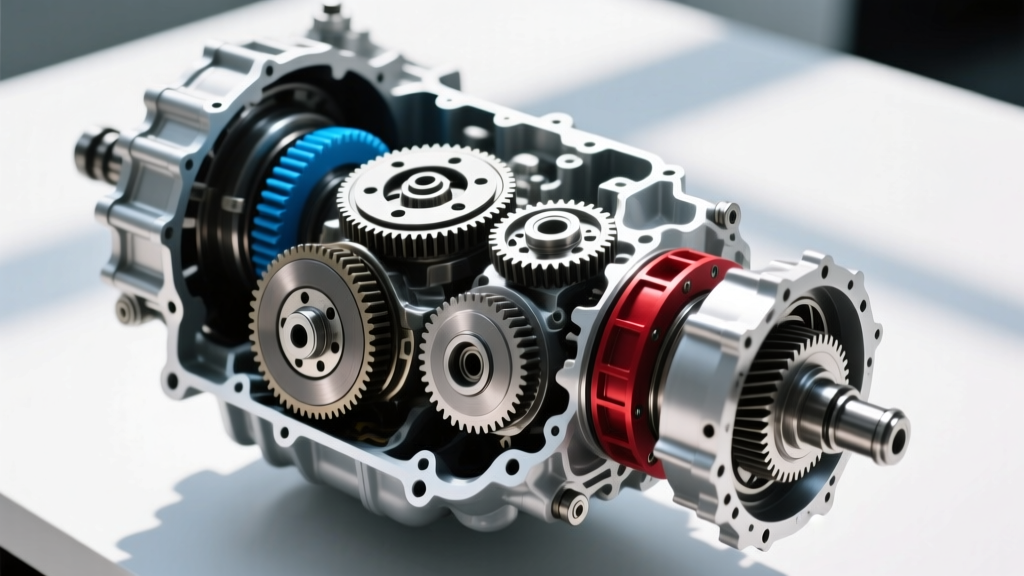
This is the most critical phase of the build. Assembling clutch packs is not simply stacking frictions and steels; it requires precise clearance measurements using a dial indicator. For example, when rebuilding a GM 4L60E, the 3-4 clutch pack clearance must be set exactly between 0.040 and 0.060 inches using selective snap rings. If you are using standard OEM paper-based friction clutches, they must be pre-soaked in the specified ATF (like Dexron VI) for a minimum of 30 minutes prior to assembly to prevent dry-start burn-up.
Torque specifications are equally time-consuming but non-negotiable. When mating the oil pump to the case on a GM 6L80, the M8 x 1.25 bolts must be torqued to exactly 18 Nm (13 lb-ft) in a specific star pattern to prevent pump gear binding and immediate catastrophic failure upon startup.
Phase 3: Valve Body Reassembly, Flashing, and Testing (3 - 5 Hours)
Modern transmissions rely heavily on electronic solenoid packs and Transmission Control Modules (TCMs). Reassembling the valve body, installing upgraded separator plates, and air-checking every clutch circuit takes immense concentration. Furthermore, units like the 6L80 require the TEHCM (Transmission Electro-Hydraulic Control Module) to be flashed with the latest calibration files using a J2534 pass-thru tool and an active OEM subscription, adding significant digital wrenching time to the physical build.
DIY vs. Professional Shop Timelines
Why does a professional shop quote 3 days, while a DIY forum user claims it took them 3 weeks? The discrepancy lies in infrastructure and workflow optimization.
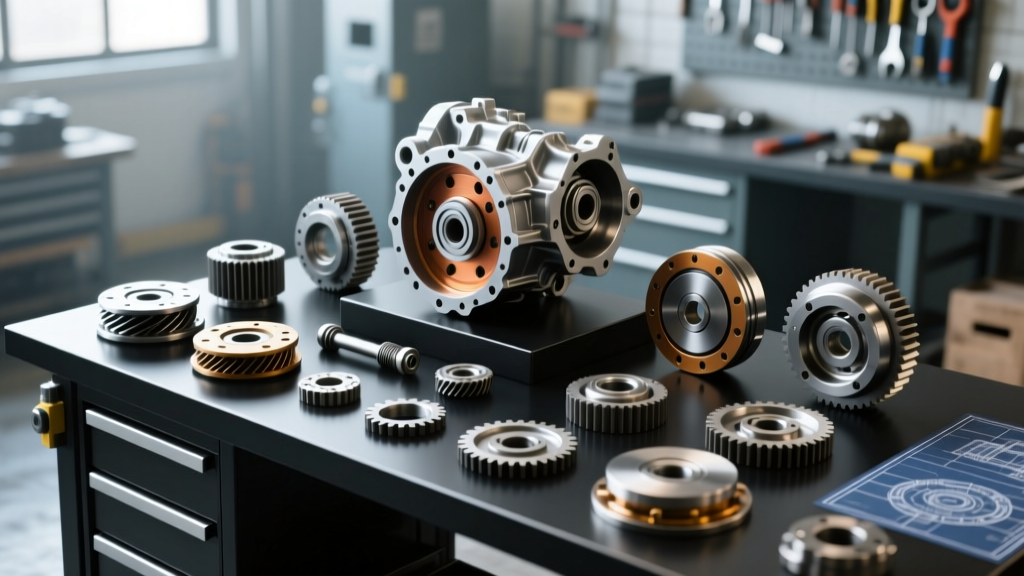
- Professional Shops: Have dedicated hot tanks, transmission dynos, air-checking stations, and bulk parts accounts with distributors like Transtar Industries. A master builder can tear down, clean, and reassemble a 4L60E in a single 8-hour shift because every specialty tool (e.g., clutch pack compressors, pump alignment rings) is within arm's reach.
- DIY Mechanics: Typically spend 15 to 25 hours on the bench alone. Time is lost cleaning parts manually with brake cleaner, fabricating makeshift holding fixtures, and waiting for shipping on overlooked O-rings or selective shims that were missed during the initial teardown.
Hidden Time-Sinks That Blow Up Your Schedule
Even the most experienced rebuilders fall victim to hidden delays. If you are planning an overhaul, you must factor in these logistical bottlenecks:
1. Torque Converter Rebuilding (24 - 48 Hour Delay)
You cannot rebuild a torque converter in a standard garage or even most general repair shops. It requires a specialized lathe to cut the converter open, replace the internal stator, clutch lining, and damper springs, and then weld it back together with precision balancing. This is almost always outsourced to a dedicated converter rebuilder, adding a mandatory 1 to 2-day shipping and processing delay to your project timeline.
2. Mechatronic and Adapter Plate Nightmares (ZF 8HP Series)
When overhauling ZF 8-speed units, the mechatronic adapter plate sealing sleeves are notorious for tearing during removal. If you do not have the proprietary ZF installation sleeve tools, you risk damaging the new O-rings during installation. A torn O-ring means a cross-leak, resulting in harsh shifts and a failed road test, forcing you to pull the valve body and repeat the 2-hour sealing process.
3. Hard Part Sourcing
Master rebuild kits (which include frictions, steels, seals, and O-rings) are usually in stock. However, if your teardown reveals a cracked 3-4 clutch drum on a 4L60E or a worn 4-5-6 wave plate on a 6L80, you must source hard parts. Depending on core availability and backorders, waiting for these specific components can stall a build for a week or more.
Cost Implications of Labor Time
Because the timeline for an automatic transmission overhaul is so extensive, labor dominates the final invoice. In 2026, independent transmission specialty shops charge between $135 and $175 per hour, while dealership rates frequently exceed $195 per hour.
For a GM 6L80 requiring 6 hours of R&R time and 14 hours of bench time (20 hours total), the labor cost alone at an independent shop rate of $150/hour will be $3,000. When you add a $600 master rebuild kit, a $450 remanufactured torque converter, and $150 for synthetic ATF, the total cost easily eclipses $4,200. Understanding these time estimates allows you to properly evaluate whether a full bench rebuild is financially viable for your vehicle, or if sourcing a low-mileage used unit or a factory remanufactured crate transmission is a more time-and-cost-effective route.
Expert Tip: Never rush the air-check phase. Spending an extra 45 minutes verifying that the direct clutch piston seals are holding 100 PSI of compressed air on the bench will save you 8 hours of R&R labor pulling the transmission back out of the vehicle to fix a slip code on the test drive.