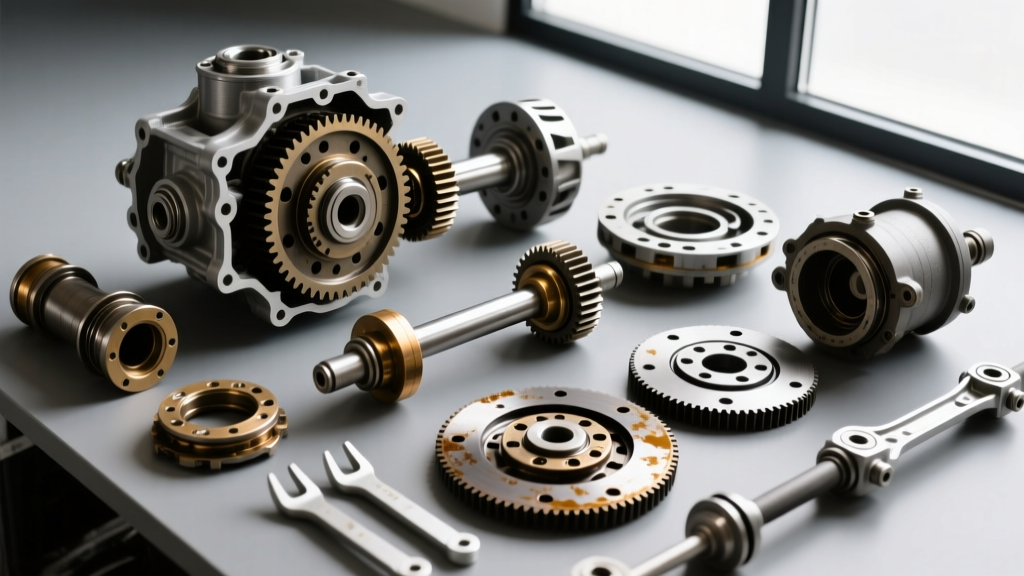
The True Cost of Dyno Testing After Rebuilding a Manual Transmission
When rebuilding a manual transmission, the final invoice often presents a critical decision point: do you pay for dynamic dynamometer (dyno) testing, or do you bolt the unit directly into the chassis and hope for the best? For high-performance applications, classic restorations, and heavy-duty commercial vehicles, skipping this step is a financial gamble. As of 2026, the cost of manual transmission dyno testing has evolved alongside the complexity of modern synchromesh assemblies and advanced fluid dynamics.
This comprehensive cost analysis breaks down the exact pricing of transmission dyno testing, the financial risks of omitting it, and how to properly budget for this crucial quality assurance step when rebuilding a manual transmission like the Tremec T-56 Magnum, Porsche G50, or Subaru 6-speed.
Why Dyno Testing is Non-Negotiable for High-Performance Manuals
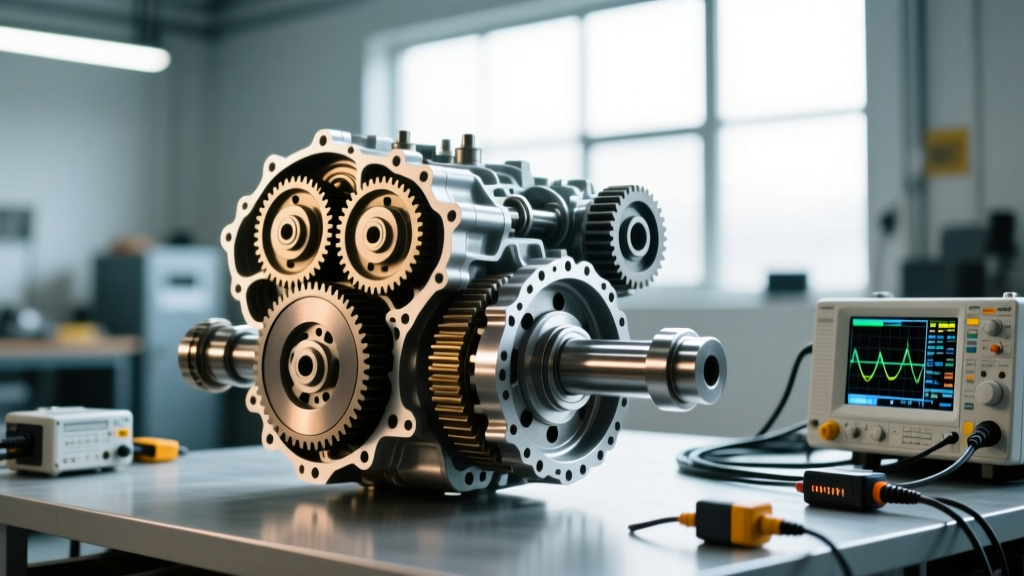
A manual transmission rebuild involves dozens of precision measurements, from gear backlash to bearing preload. However, static bench measurements cannot replicate the torsional stress, thermal expansion, and harmonic vibrations experienced under actual engine torque. A dyno test applies rotational mass and simulated load to the input shaft while the output shaft is braked by an eddy-current or AC absorber. This forces the gear teeth to mesh under load, seats the output shaft seals, and verifies that shift rail detent springs engage with the correct tactile force before the unit is ever installed in a vehicle.
Itemized Breakdown: Manual Transmission Dyno Testing Costs
Pricing for dyno testing varies based on the transmission's torque capacity, the required adapters, and the depth of the diagnostic report. Below is the current market rate breakdown for standalone dyno services and bundled rebuild packages.
| Service Level | Application / Transmission Type | Average Cost (2026) | Turnaround Time |
|---|---|---|---|
| Standalone Spin-Test (No Load) | Light-duty FWD (e.g., Honda B-Series, Mazda Miata) | $250 - $400 | 1 - 2 Days |
| Full Load & Thermal Cycle Test | RWD Performance (e.g., Tremec T-56, BorgWarner T5) | $450 - $750 | 2 - 4 Days |
| Heavy-Duty / AWD Transaxle Test | AWD/HD (e.g., Subaru 6MT, Dodge G56, Porsche G50) | $800 - $1,200 | 3 - 5 Days |
| Bundled Rebuild + Dyno Package | All Applications (Included in premium rebuilds) | +$300 (vs. no-dyno rebuild) | Standard Lead Time |
Note: If your rebuild requires custom bellhousing adapters or specific input shaft couplings for the dyno, facilities may charge an additional $75–$150 setup fee.
What Happens on the Dyno? (The 4-Phase Validation Protocol)
To understand the ROI of the $450–$750 testing fee, you must understand what you are actually purchasing. Reputable facilities utilizing equipment like the SuperFlow manual transmission test stands follow a rigorous 4-phase protocol:
- Phase 1: Cold Spin-Up & Seal Seating. The transmission is filled with the specified fluid (e.g., Tremec HPF or Red Line MT-90 75W-90 GL-4). The input shaft is spun at varying RPMs without load. This builds internal fluid pressure to seat the output shaft lip seals and verifies that the fluid pump (if equipped, as in some hybrid or active-lube manuals) is circulating correctly.
- Phase 2: Synchro Engagement & Shift Rail Validation. Using pneumatic or robotic shifters, the dyno operator cycles through all forward gears and reverse. The system measures the exact shift rail travel distance and detent spring resistance. A sticking 3-4 shift fork or a weak detent spring will be flagged immediately.
- Phase 3: Loaded Thermal Cycling. The output absorber applies resistance, simulating vehicle weight and aerodynamic drag. The transmission is run until the fluid reaches operational temperatures (typically 180°F - 210°F). This thermal expansion test is critical for verifying that bearing preloads do not bind when the aluminum or magnesium case expands.
- Phase 4: NVH Acoustic Mapping. High-decibel microphones and vibration sensors measure Noise, Vibration, and Harshness (NVH). Gear whine is common in straight-cut or poorly shimmed helical gears. The dyno isolates whether a whine originates from the input shaft bearing, the countershaft, or a specific gear mesh (e.g., 5th gear overdrive whine).
Cost vs. Risk: The Financial Impact of Skipping the Dyno
The most common argument against dyno testing is the upfront cost. However, when rebuilding a manual transmission for a client or a high-value personal project, the "Pull-Out Penalty" vastly outweighs the testing fee.
"If a rebuilt T-56 Magnum leaks from the output shaft seal or exhibits 5th-gear pop-out under deceleration, the cost to diagnose it in the chassis is high. The cost to pull it back out, tear it down, and fix a $12 seal or a $40 shift fork is catastrophic to a shop's profit margin." — Senior Drivetrain Engineer, AutogearNexus
The "Pull-Out Penalty" Math
Consider a scenario where a rebuilt Porsche G50 transaxle is installed without dyno testing. Upon the first highway drive, the owner notices a severe fluid leak from the pinion seal and a grinding noise in 2nd gear. The vehicle must be towed back to the shop. Let's break down the financial damage:
- R&R (Remove and Replace) Labor: 10 hours at $145/hour = $1,450
- Fluid Replacement: 3 quarts of Porsche-approved synthetic = $120
- Consumables & Alignment: Axle nuts, exhaust gaskets, rear alignment = $350
- Total Unplanned Cost: $1,920
By spending $650 on a loaded dyno test upfront, the shop would have caught the improperly seated pinion seal and the 2nd-gear synchro hub assembly issue while the unit was still bolted to the test stand, saving nearly $1,300 in warranty losses and preserving their reputation.
Real-World Failure Modes Caught by Dynos
Dyno testing is specifically designed to expose the following edge-case rebuild errors that static bench testing misses:
- Output Flange Nut Backing Off: On heavy-duty manuals like the Dodge G56 or Tremec Magnum, the output flange nut requires upwards of 250 lb-ft of torque and must be staked or secured with Loctite 271. Under dyno torsional load, an improperly torqued flange will loosen and destroy the output shaft splines within minutes.
- Shift Fork Pad Wear: Even with new synchro rings, if the bronze shift fork pads are worn beyond the 0.015-inch tolerance limit, the dyno's automated shifting will reveal incomplete gear engagement, leading to clutch drag and gear clash.
- Case Porosity & Hairline Cracks: Thermal cycling under load pressurizes the internal oil galleries. Hairline cracks in vintage aluminum cases (like the Chevy Muncie M22 or early Ford Toploader) will weep fluid only when the case reaches 190°F and expands.
How to Factor Dyno Costs into Your Overall Rebuild Budget
When requesting quotes for rebuilding a manual transmission, always ask for an itemized breakdown that separates the parts kit, the machine shop work (cryogenic treatment, shot peening, align-honing), and the final validation testing.
If you are performing a DIY rebuild in your home garage, you can still access dyno testing. Many specialized transmission machine shops offer "dyno-only" drop-off services. You will need to deliver the assembled transmission, complete with the correct bellhousing and input shaft, along with the required fluid. Expect to pay the standalone rates listed in the table above. Furthermore, always request the digital dyno sheet—a printout showing input/output RPM variance, fluid temperature curves, and NVH decibel levels. This document is essential if you are selling the vehicle or validating a warranty for a customer.
For more technical specifications on torque capacities and fluid requirements for popular manual gearboxes, refer to the official engineering documentation provided by Tremec and your specific OEM service manuals. Investing in proper validation is the hallmark of a professional-grade drivetrain build.