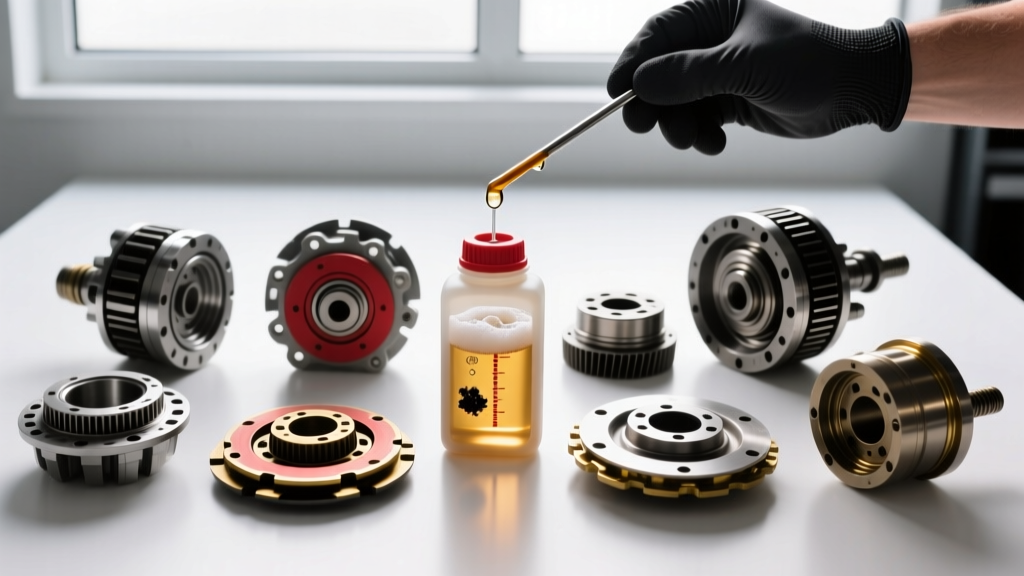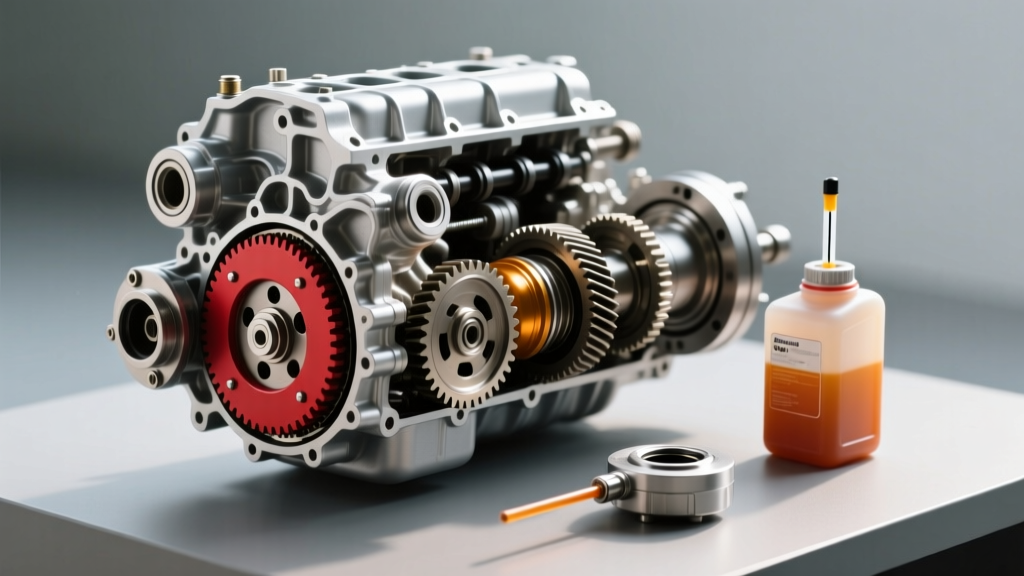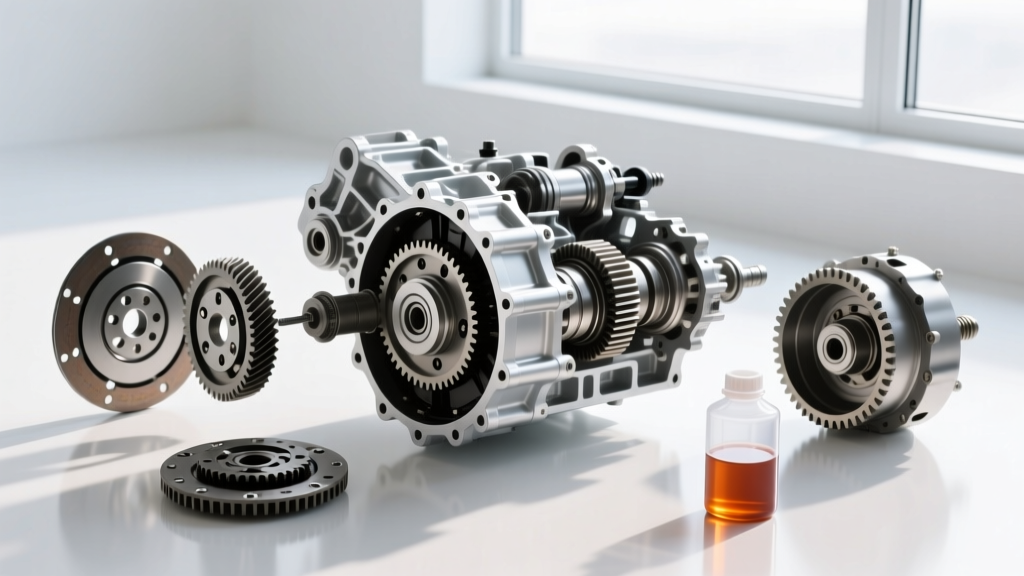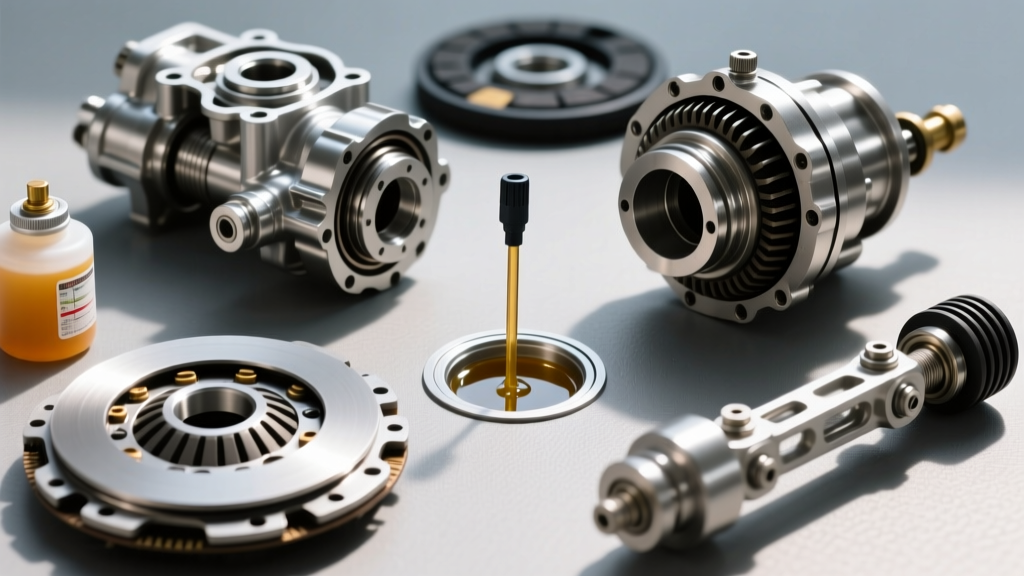
The Short Answer: Do Manual Cars Need Transmission Fluid?
When enthusiasts ask, "do manual cars need transmission fluid?" the answer is an absolute yes, but the engineering reality behind how that fluid is managed is vastly different from automatic transmissions. While an automatic relies on a pressurized pump to route fluid through a valve body and torque converter, a manual transmission relies almost entirely on splash lubrication and the precise friction coefficients between the gear oil and the synchronizer rings. As of 2026, with the proliferation of high-torque engine swaps, carbon-lined synchros, and aggressive track-day builds, understanding the thermodynamics of your gear oil is no longer optional—it is the difference between a crisp 3-4 shift and a $4,000 gearbox rebuild.
Unlike automatics, which often require the engine to be running and the fluid to be at a specific operating temperature to cycle through the cooler and torque converter, manual transmissions present a unique challenge. The debate between checking and filling manual transmission fluid hot versus cold hinges on thermal expansion, casing geometry, and the aeration limits of synthetic lubricants.
The Golden Rule of Manual Gearboxes: Overfilling a manual transmission is significantly more destructive than slightly underfilling it. High-RPM geartrain windage will whip overfilled oil into a compressible foam, starving the mainshaft bearings and causing catastrophic synchro failure.
The Physics of Gear Oil: Thermal Expansion and Viscosity
To understand why the hot vs. cold fluid check debate exists in performance circles, we must look at the coefficient of thermal expansion for synthetic and conventional gear oils. Gear oil expands as it absorbs the massive kinetic and frictional heat generated by helical gear meshes and synchro friction. On average, synthetic 75W-90 gear oils expand by approximately 0.0004 to 0.0005 per degree Fahrenheit.
If you fill a cold Tremec T-56 Magnum to the absolute brim of the fill hole at 60°F (15°C), and then take the car to a track day where the internal casing temperature reaches 200°F (93°C), the fluid volume will increase by roughly 5% to 7%. In a tightly packed performance gearbox with minimal air space, this expansion leaves no room for the oil to de-aerate. The counter-gears act like a blender, turning the expanded oil into a froth. Foamed oil cannot maintain a hydrodynamic film on the needle bearings, leading to immediate metal-on-metal wear.
Thermal Expansion & Fill Specs for Performance Manuals
| Transmission Model | OEM Fill Spec (Cold) | Operating Temp (Track) | Volume Expansion at Temp | Fill Plug Torque |
|---|---|---|---|---|
| Tremec T-56 Magnum | 3.9 Quarts (3.7L) | 180°F - 220°F | ~5.5% | 15 - 20 lb-ft |
| Porsche G50/G51 (911) | 3.4 Quarts (3.2L) | 170°F - 210°F | ~5.0% | 22 lb-ft (30 Nm) |
| BMW Getrag GS6-45BZ | 1.5 - 1.9 Liters | 160°F - 190°F | ~4.5% | 18 lb-ft (25 Nm) |
| Honda K-Series (Cable) | 2.0 Quarts (1.9L) | 150°F - 180°F | ~4.0% | 32 lb-ft (44 Nm) |
Hot vs. Cold Fill Protocols: OEM vs. Track Applications
The methodology for checking your fluid depends entirely on your use case and the specific architecture of your transmission.
1. The Street & OEM Protocol: The Cold Fill
For 95% of street-driven performance cars, the manufacturer specifies a cold fill. The vehicle must be perfectly level on a lift, and the casing should be at ambient room temperature (65°F - 75°F). The procedure involves removing the fill plug before the drain plug (a critical rule to avoid draining a gearbox you cannot refill). You pump fluid into the fill hole until it begins to weep out. At this point, you stop, wait 30 seconds for the pooled oil near the threads to settle, and reinstall the plug. This leaves the precise amount of air space required at the top of the casing for thermal expansion once the gearbox reaches operating temperature.
2. The Endurance Racing Protocol: The Hot Check
In dedicated endurance racing or time-attack builds, transmissions are often equipped with external coolers, breather catch cans, and specialized dry-sump-style scavenge pumps. In these highly modified setups, builders may perform a hot check. After a shakedown session, while the casing is still at 180°F+, the fill plug is pulled to ensure the fluid hasn't dropped below the mainshaft centerline due to oil migrating into the external cooler lines or bell housing. However, this requires specialized knowledge of the specific gearbox's internal baffling. Attempting a hot check on a standard OEM manual transmission will almost always result in an under-fill, as the hot, thin oil will run out of the fill hole prematurely before the actual static level is reached.
Track Day Dangers: Aeration and Synchro Friction
Why does aeration matter so much in a manual? It comes down to synchronizer design. Modern performance manuals utilize multi-cone sintered bronze or carbon-fiber synchros. These materials rely on the specific shear stability and friction modifiers of the gear oil to match gear speeds smoothly. If the oil is aerated (foamed), the hydraulic boundary layer between the synchro cone and the gear shoulder collapses. The result is synchro slip, grinding, and rapid degradation of the carbon or bronze lining.
Furthermore, manuals do not have internal oil pumps. The mainshaft and countershaft bearings rely on oil being flung off the rotating gears. If that flung oil is 30% air bubbles, the needle bearings will pit and spall under high-RPM load, eventually sending metallic debris through the gear mesh and destroying the dog teeth.
Step-by-Step: Executing the Perfect Cold Fill & Level Check
To ensure your performance manual is protected, follow this precision cold-fill procedure. For this example, we will reference the ubiquitous Tremec T-56 Magnum, though the principles apply to Getrag, ZF, and Porsche transaxles.
- Vehicle Leveling: Place the car on a 4-post lift or high-quality jack stands. Use a digital angle finder on the transmission bell housing flange to ensure the casing is perfectly level both laterally and longitudinally. Even a 2-degree nose-down tilt will result in a false-low reading.
- Temperature Verification: Use an infrared thermometer gun on the aluminum casing. Ensure the temperature is between 65°F and 80°F. If the car was recently driven, allow it to sit for 12 hours to ensure all oil has drained back from the bell housing and top gear meshes into the sump.
- Fill Plug Removal: Use a proper 3/8" drive or 10mm hex socket (depending on the model). Never use an impact wrench. Apply penetrating oil if the casing is aluminum to prevent galvanic corrosion binding.
- Fluid Injection: Using a pneumatic or manual hand pump, inject your chosen fluid. For high-performance applications, fluids like Red Line MTL (a 70W-80 GL-4 equivalent) or Motul Gear 300 75W-90 are industry standards. Pump until the fluid reaches the bottom lip of the fill hole threads.
- The Settling Period: Stop pumping. Insert a clean zip-tie or your pinky finger into the hole. The fluid should be exactly flush with the bottom edge of the hole. Wait 60 seconds to allow air bubbles trapped in the thick cold oil to escape, then top off by a few milliliters if necessary.
- Torque & Seal: Clean the threads. Apply a single drop of blue Loctite or high-temperature RTV if specified by the OEM. Torque the fill plug to the manufacturer specification (e.g., 15-20 lb-ft for the T-56 Magnum). Do not overtighten, as aluminum casing threads strip easily and require expensive Timesert repairs.
Fluid Upgrades: How Viscosity Shifts Change the Equation
When upgrading from OEM mineral-based fluids to high-end synthetics for track use, the hot/cold dynamic shifts slightly due to the Viscosity Index (VI). High-VI synthetic oils resist thinning at high temperatures much better than conventional oils. However, they also exhibit different thermal expansion rates.
For example, if you are running a dedicated track car with a built-in transmission cooler, you must account for the volume of the cooler and the lines. A standard cold fill will leave the system low once the cooler is primed and the oil is hot. In these specific, modified scenarios, builders will perform a cold fill, run the car to operating temperature to cycle the thermostat and prime the cooler, shut the car off, let it sit for 10 minutes to allow the oil to settle back into the sump, and then perform a warm top-off check. This ensures the sump has the correct static volume while accounting for the fluid trapped in the external cooling circuit.
Final Thoughts on Manual Transmission Longevity
So, do manual cars need transmission fluid? Absolutely. But more importantly, they need the correct volume of transmission fluid, managed with an understanding of thermal dynamics. By respecting the cold-fill protocols of OEM manufacturers and understanding the aeration risks of overfilling on the track, you ensure that your synchros engage crisply and your mainshaft bearings survive the harshest high-RPM environments. Always consult your specific gearbox builder or OEM service manual, as internal baffle designs vary wildly between a street-driven Honda K-Series and a purpose-built Porsche motorsport transaxle.