The Core Question: Will a Transmission Flush Hurt My Car?
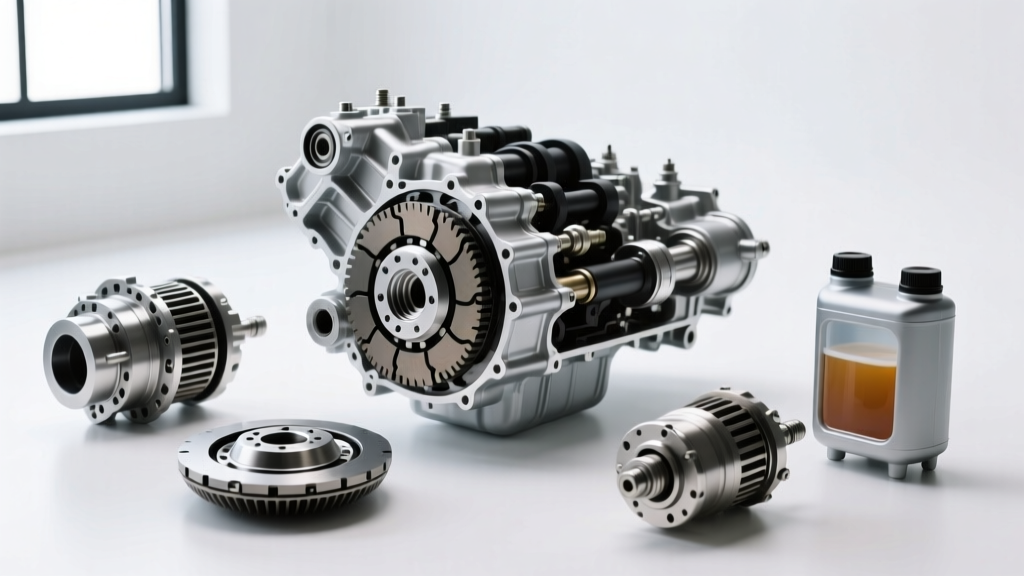
When maintaining a manual gearbox, owners frequently ask: will a transmission flush hurt my car? The short answer for manual transmissions is a resounding yes—if you are referring to the high-pressure machine flushes or aggressive chemical solvent flushes commonly marketed for automatic transmissions. In 2026, the automotive service industry still sees quick-lube shops attempting to apply automatic transmission flush protocols to manual gearboxes, a practice that can lead to catastrophic mechanical failure.
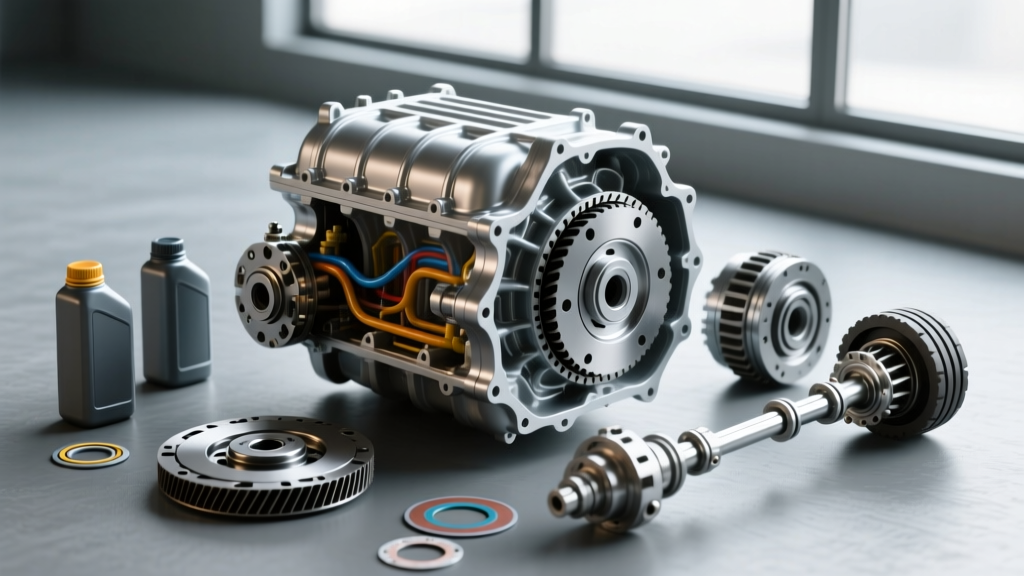
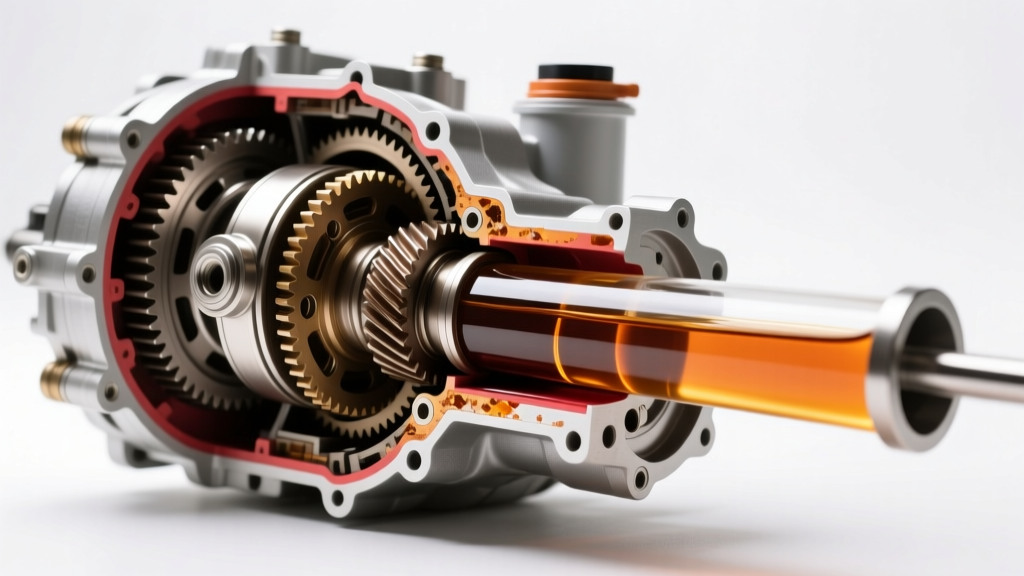
Unlike automatics, which rely on complex hydraulic valve bodies and torque converters that can accumulate sludge, manual transmissions are relatively simple, splash-lubricated gearboxes. Hooking a manual transmission up to a pressurized flush machine can blow out input and output shaft seals, force abrasive metallic debris directly into the soft brass or carbon synchronizer rings, and introduce incompatible cleaning solvents that strip the vital friction modifiers required for synchro engagement.
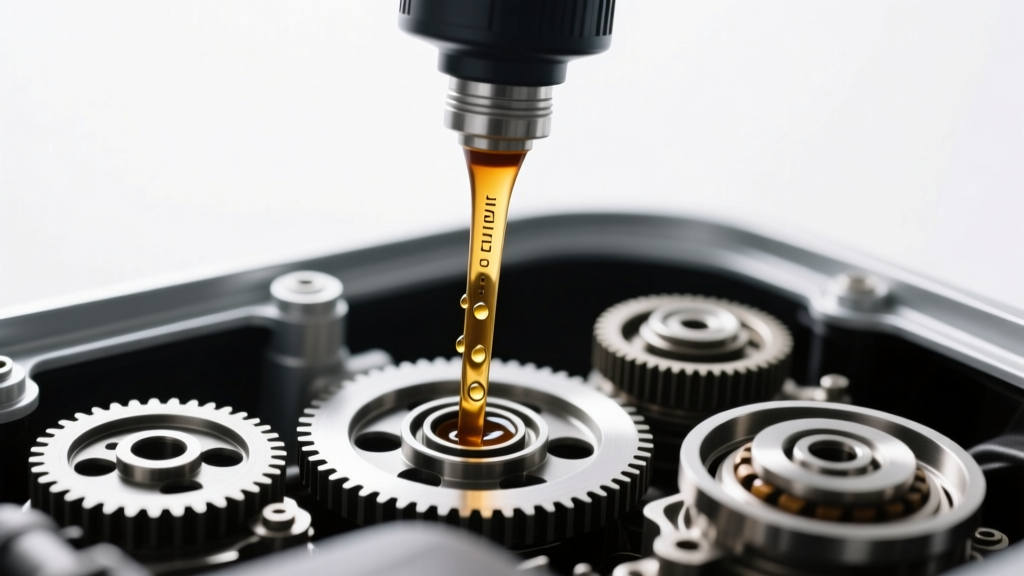
Expert Rule of Thumb: Manual transmissions should never be "flushed." They require a meticulous gravity drain-and-fill procedure using the exact OEM-specified fluid. If a shop suggests a machine flush for your stick shift, walk away immediately.
Why Manual Transmissions Require a Different Approach
The internal architecture of a manual transmission relies heavily on synchronizer rings (synchros) to match gear speeds before engagement. These synchros are often manufactured from yellow metals like brass or bronze, or feature specialized carbon friction linings. The chemistry of your gear oil is paramount here.
Many well-meaning DIYers accidentally pour API GL-5 gear oil into their manual transmissions, assuming that a higher number means better protection. This is a fatal error. GL-5 oils contain high levels of sulfur-phosphorus extreme pressure (EP) additives. When subjected to the heat of a manual gearbox, these sulfur compounds actively corrode and eat away at yellow metals, leading to pitted synchros and notchy, grinding shifts. Always verify that your fluid meets the API GL-4 specification or the manufacturer's proprietary friction standard.
Debunking the "Lifetime Fluid" Myth
Many modern manufacturers label their manual transmission fluid as "lifetime" or "filled for life." From an expert perspective, "lifetime" simply means the warranty period of the vehicle, or roughly 100,000 miles. In reality, manual transmission fluid degrades due to thermal cycling, shear stress from the gear teeth, and the accumulation of microscopic metallic wear particles. These particles, if left suspended in the fluid, act as a lapping compound that accelerates the wear of bearings and synchro rings. For any vehicle used in performance driving, towing, or stop-and-go commuter traffic, a drain-and-fill interval of 30,000 to 50,000 miles is the industry best practice to ensure the gearbox survives well past the 200,000-mile mark.
Step-by-Step Guide: Checking Manual Transmission Fluid
Unlike automatic transmissions, 95% of manual transmissions do not have a dipstick. Checking the fluid level requires getting under the vehicle and interacting directly with the transmission casing. Here is the professional protocol for inspecting your manual gearbox.
1. The Golden Rule: Fill Plug First
Before you even touch the drain plug, you must locate and loosen the fill plug. The fill plug is typically located higher up on the transmission casing, often near the output shaft or shifter mechanism. If the fill plug is seized, rusted, or stripped, and you drain the fluid first, you will be left with an empty transmission and no way to refill it. Always break the fill plug loose first, then reinstall it hand-tight before removing the drain plug.
2. Dealing with Seized Fill and Drain Plugs
One of the most common nightmares when checking manual transmission fluid is encountering a seized fill plug, especially on older vehicles or those subjected to harsh winter road salts. The casings are typically cast aluminum, while the plugs are often steel or brass. This creates a galvanic corrosion battery that essentially welds the plug to the casing. If you apply excessive brute force with a standard 3/8-inch breaker bar, you risk cracking the transmission case—a mistake that turns a $60 fluid change into a $2,500 transmission replacement.
Expert Extraction Protocol: Apply a high-quality penetrating catalyst to the plug threads 24 hours before your scheduled service. When it is time to remove the plug, use a six-point socket or a dedicated square-drive socket to prevent rounding the edges. If the plug still refuses to budge, apply localized heat using an induction heater to expand the aluminum casing around the steel plug. Never use an impact wrench on an aluminum transmission casing; the shock loading can easily shatter the casing ears.
3. Vehicle Preparation and Safety
- Raise the vehicle on a professional-grade two-post lift or secure it on high-quality jack stands rated for at least 3 tons. Never rely on a hydraulic floor jack alone.
- Ensure the vehicle is perfectly level. Because manual transmissions use a splash-lubrication design, checking the fluid on an incline will result in an inaccurate reading and potential under-filling.
- Allow the gearbox to reach operating temperature (a 15-minute drive is sufficient) so the fluid flows freely and carries suspended metallic particulates out during the drain.
4. Inspecting Fluid Condition
Once the fill plug is removed, the correct fluid level should be exactly at the bottom edge of the fill hole. If you can insert your pinky finger and touch the fluid, it is full. Inspect the plug itself: a light coating of fine, metallic paste on the magnetic drain or fill plug is normal. However, if you find large metal flakes, chunks of brass, or if the fluid smells distinctly burnt (like charred coffee), internal wear or clutch drag is occurring, and a teardown inspection may be necessary.
Torque Specifications and Capacities by Popular Manual Transmissions
Applying the correct torque to aluminum transmission casings is critical. Over-torquing can easily crack the casing or strip the threads, leading to expensive case replacements. Below is a reference table for some of the most common manual transmissions on the road today.
| Transmission Model | Common Applications | Fluid Capacity | Fill/Drain Plug Torque | OEM Fluid Specification |
|---|---|---|---|---|
| Tremec T-56 Magnum | Camaro, Mustang, Corvette | 3.8 Quarts (3.6L) | 25 lb-ft | Dexron III ATF / Tremec HPF |
| Mazda Skyactiv-MT (ND) | 2016+ MX-5 Miata | 1.6 Liters | 30 - 41 lb-ft | Mazda Long Life Gear Oil G7 |
| Honda K-Series (6-Speed) | Civic Si, Civic Type R | 1.5 - 1.9 Liters | 44 lb-ft (3/8" Square) | Honda Genuine MTF (08798-9031) |
| Porsche G50 / G51 | 964 / 993 Carrera | 3.6 Liters | 22 lb-ft (Fill) / 37 lb-ft (Drain) | API GL-4 75W-90 |
Expert Fluid Selection: Protecting Your Synchronizers
Choosing the right fluid is where the "flush vs. drain-and-fill" debate intersects with chemical engineering. If you are performing a drain-and-fill, you must match the fluid's frictional characteristics to your synchro material. For brass synchros, fluids like Red Line MTL or MT-90 provide the exact coefficient of friction required for smooth engagement without causing the synchros to slip or grind. For modern Honda and GM manual transmissions, proprietary synchromesh fluids are mandatory. Using a generic 75W-90 gear oil in a Honda K-Series transmission will result in immediate cold-shift grinding because the fluid is too slippery for the carbon-composite synchro linings.
Furthermore, the shift toward ultra-low viscosity fluids in 2026 model-year vehicles means that tolerances inside modern manual gearboxes are tighter than ever. Using a thicker, older-specification fluid in a transmission designed for a low-viscosity synthetic will cause sluggish shift feel and increased parasitic drivetrain loss. Always cross-reference your VIN with the dealer parts desk or consult resources like Pelican Parts' technical archives to cross-reference obsolete OEM fluid part numbers with modern synthetic equivalents that won't degrade vintage paper gaskets or seals.
Warning Signs of Low or Degraded Manual Fluid
Because manual transmissions lack a pressurized hydraulic pump and warning sensors (unlike the pressure and temperature sensors found in modern automatics like the ZF 8HP), you must rely on tactile and auditory feedback to diagnose fluid issues:
- Notchy Cold Shifts: Often indicates fluid that has lost its viscosity modifiers or is simply the wrong weight for the ambient temperature.
- Grinding into 2nd or 3rd Gear: A classic symptom of worn synchronizer rings, exacerbated by degraded fluid that can no longer provide adequate boundary lubrication.
- High-Pitched Whining: If the whining changes pitch with vehicle speed (not engine RPM), your fluid may be low, causing the countershaft bearings to starve for lubrication.
- Difficulty Finding Neutral: Can be caused by fluid that is too thick, creating hydraulic drag on the gears and preventing the shift forks from centering.
2026 Cost Breakdown: DIY vs. Professional Service
The cost of maintaining a manual transmission is significantly lower than servicing an automatic, provided you avoid shops pushing unnecessary flush services. Here is what you can expect to pay in the current market:
- DIY Drain and Fill: $45 to $120. This covers 2 to 4 quarts of high-quality synthetic manual transmission fluid (e.g., Amsoil Synchromesh or Pennzoil Synchromesh) and a new crush washer for the drain plug.
- Independent Shop Service: $120 to $220. A reputable shop will perform a gravity drain, inspect the magnetic plug for abnormal wear, and refill to the exact factory specification.
- Quick-Lube "Flush" (AVOID): $150 to $250. Not only is this service mechanically inappropriate for a manual transmission, but it also introduces the risk of seal damage and chemical contamination.
By understanding the fundamental differences between automatic and manual lubrication systems, you can confidently answer the question of whether a flush will hurt your car, and instead opt for the precise, safe, and highly effective drain-and-fill method.