Inside the Differential: Limited Slip Operation Mechanics
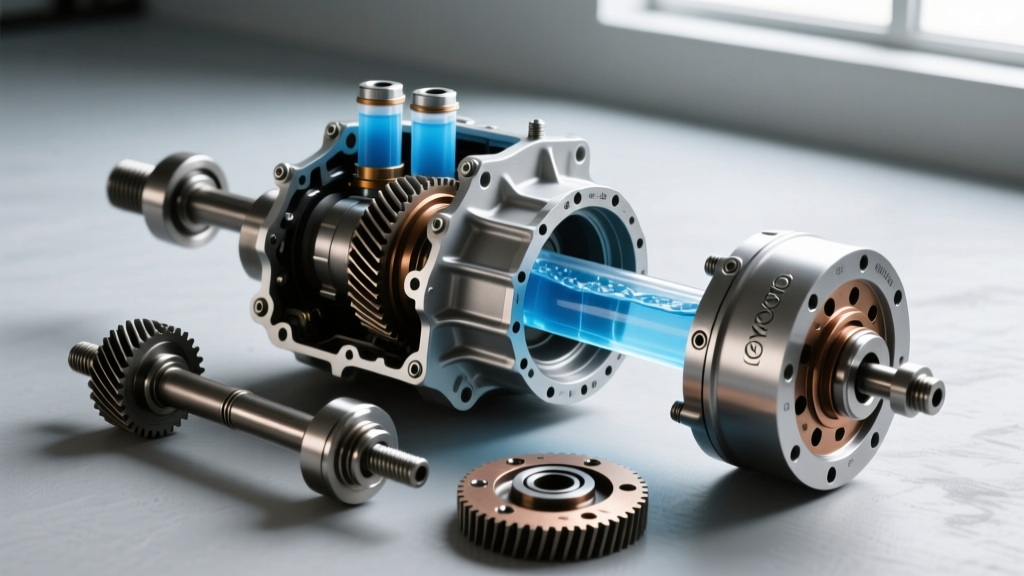
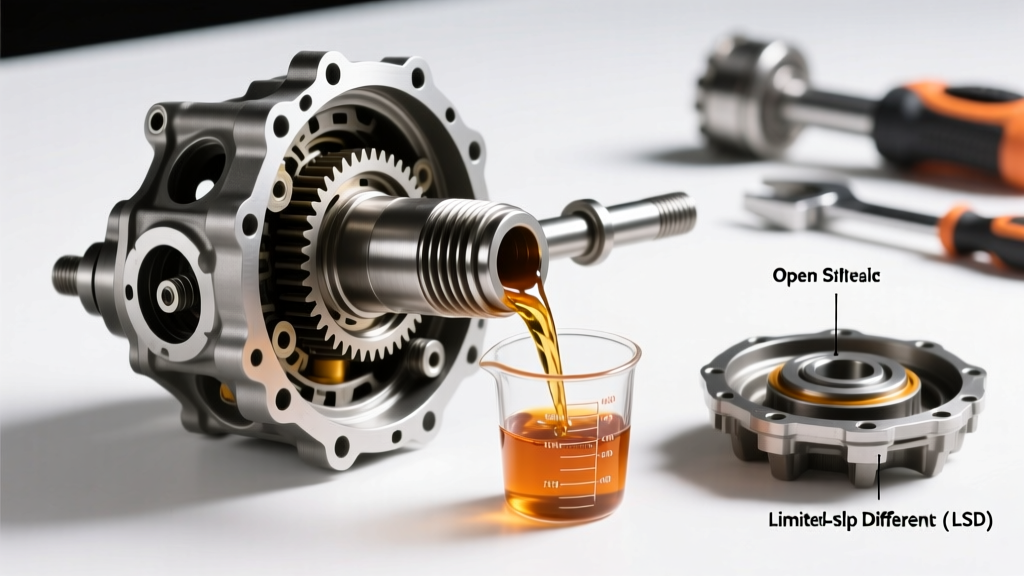
The limited slip differential (LSD) remains one of the most critical mechanical traction aids in modern rear-wheel and four-wheel-drive platforms. Unlike an open differential, which routes torque to the path of least resistance (the spinning wheel), an LSD utilizes internal friction mechanisms to bias torque across both axle shafts. Understanding the exact operation of your specific LSD unit is the first step toward proper maintenance and diagnosing drivetrain noise.
Clutch-Pack and Cone-Clutch Architectures
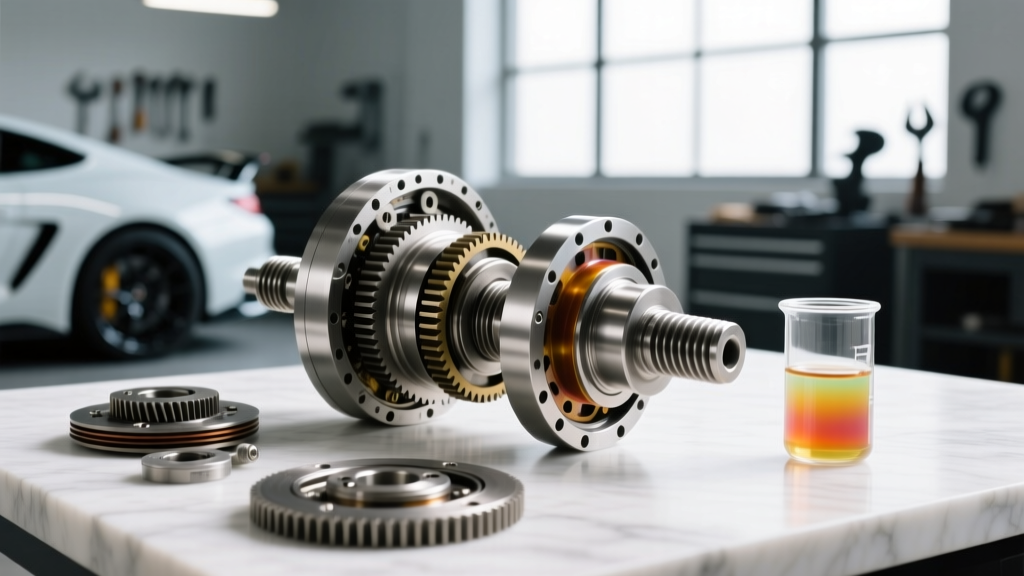
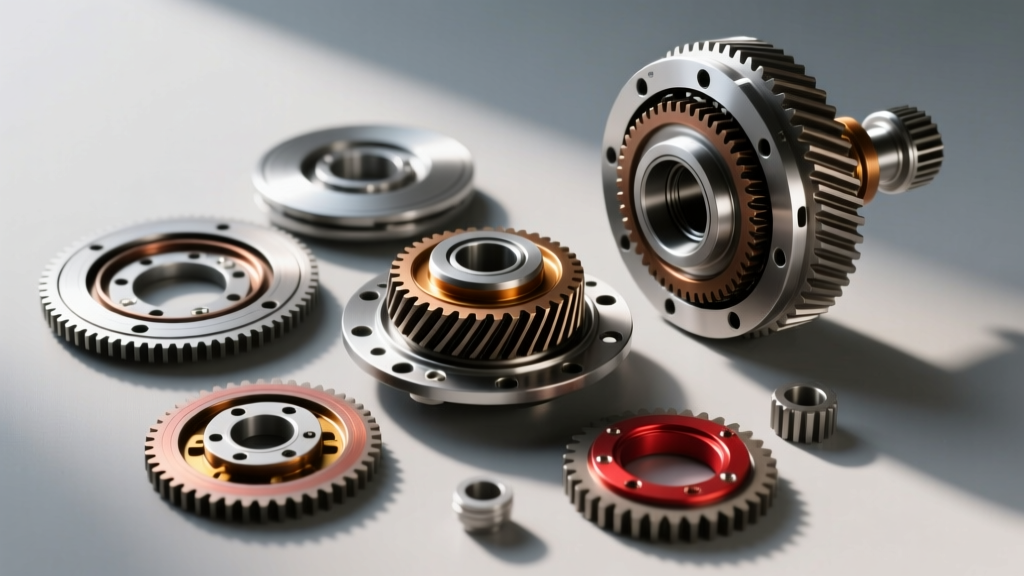
The most prevalent LSD design in light-duty trucks and performance cars is the clutch-pack type, found in the Ford 8.8-inch Traction-Lok and GM 10-bolt/12-bolt Positraction axles. These units rely on alternating steel and friction-disc clutch packs positioned between the side gears and the differential case. An S-spring or preload springs apply constant clamping force to these packs. When one wheel begins to lose traction, the spider gears attempt to walk up the side gear ramps, increasing the clamping force and locking the axles together.
Cone-clutch designs, such as the Auburn Gear high-performance series, utilize conical friction surfaces instead of flat discs. This provides a higher surface area and smoother engagement but requires strict adherence to specific gear oil viscosities to prevent cone glazing.
Helical Gear (Torsen) Systems
Alternatively, Torsen (Torque Sensing) differentials, like the Eaton Detroit Truetrac, abandon friction clutches entirely. They rely on helical gear meshes and worm-gear principles to multiply torque. Because there are no friction clutches, Torsen units do not require specialized friction modifier additives, drastically altering their maintenance profile compared to clutch-based LSDs.
The Chemistry of Grip: Gear Oils and Friction Modifiers
Maintaining a clutch-type LSD requires a deep understanding of tribology—the study of friction, wear, and lubrication. The hypoid ring and pinion gears require an API GL-5 rated gear oil to prevent catastrophic scuffing under high sliding pressures. However, GL-5 additives alone are insufficient for clutch-type LSDs.
The Role of Friction Modifiers (FM)
Without a friction modifier, the clutch packs will experience 'stick-slip' friction during low-speed cornering, resulting in the notorious rear-axle chatter or shudder. Friction modifiers alter the static-to-dynamic friction ratio, allowing the clutches to slip smoothly before fully locking.
- OEM Specifications: Ford requires their XL-3 Friction Modifier additive, while GM utilizes the EOS (Limited Slip Axle Lubricant) supplement.
- Aftermarket Synthetics: Premium synthetic oils like Amsoil Severe Gear 75W-90 or Red Line 75W-140 often have friction modifiers pre-blended, though heavily used clutch packs may still require a 4 oz bottle of aftermarket FM (e.g., Lubegard Limited Slip Supplement).
Expert Insight: Never overfill the friction modifier. Excess FM will reduce the clutches' locking capacity, effectively turning your limited slip differential back into an open differential under heavy throttle application.
The Cost of Labor Geographic Differential in 2026
When planning an LSD rebuild, clutch pack replacement, or even a routine fluid service, enthusiasts often fixate on the cost of parts—such as an Eaton Posi replacement kit (Part #19556-010) or a Ford Performance Traction-Lok assembly (Part #M-4204-M33L). However, the most volatile variable in your final invoice is the cost of labor geographic differential.
The cost of labor geographic differential refers to the variance in automotive technician hourly rates driven by regional cost-of-living indices, local market demand, and state-level shop overhead requirements. In 2026, the disparity in drivetrain specialist labor rates between rural markets and coastal metropolitan hubs is wider than ever.
Regional Labor Rate Breakdown & Service Costs
Below is a data table illustrating how the cost of labor geographic differential impacts standard LSD services across four distinct US regions in 2026. These estimates assume a certified drivetrain specialist utilizing factory service manual (FSM) procedures.
| US Region (2026) | Avg. Specialist Hourly Rate | LSD Fluid & FM Service (2.5 hrs) | Full LSD Rebuild Labor (6.0 hrs) |
|---|---|---|---|
| Pacific West (Urban) | $185 - $230 | $462 - $575 | $1,110 - $1,380 |
| Northeast (Metro) | $165 - $210 | $412 - $525 | $990 - $1,260 |
| Southeast (Suburban) | $125 - $155 | $312 - $387 | $750 - $930 |
| Midwest (Rural) | $95 - $120 | $237 - $300 | $570 - $720 |
As demonstrated, a complete clutch-pack rebuild and bearing reset on a GM 8.5-inch 10-bolt rear end can cost nearly double in labor alone when performed in San Jose, California, compared to rural Ohio. For fleet operators and off-road enthusiasts, factoring in the cost of labor geographic differential is essential when deciding whether to ship a bare axle housing to a specialized builder in the Midwest or pay a premium for local coastal labor.
Precision Rebuild Specs: Backlash, Preload, and Torque
If your LSD is exhibiting severe chatter despite fresh fluid and modifiers, or if metallic debris is found on the drain plug magnet, a teardown is mandatory. Rebuilding a clutch-type LSD requires precision measuring tools and strict adherence to torque specifications.
Clutch Pack Shimming and Preload
When installing new carbon-fiber or paper friction discs, the clutch pack thickness must be measured. Over time, the S-springs lose tension, and the steel reaction plates wear. Technicians must use a dial indicator and feeler gauges to measure the gap between the clutch pack and the side gear. Selective shims (typically ranging from 0.005 to 0.030 inches) are installed behind the side gear to restore the factory preload specification, ensuring immediate lock-up when wheel slip occurs.
Ring Gear and Bearing Specs
Reassembling the differential carrier into the axle housing requires resetting the side bearing preload and ring gear backlash.
- Ring Gear Backlash: Most GM and Ford solid axles require a backlash between 0.006 and 0.010 inches. Measured via a magnetic dial indicator on the ring gear face.
- Side Bearing Preload: Typically achieved via threaded adjusters or selective shims, requiring a rotational torque of 15 to 25 in-lbs (measured with an inch-pound beam torque wrench) to rotate the carrier without the pinion gear engaged.
- Ring Gear Bolts: Must be coated with high-strength threadlocker (e.g., Loctite 272) and torqued to 75-85 lb-ft depending on the specific axle model.
Step-by-Step LSD Maintenance Protocol
For routine maintenance, draining and refilling the differential is a straightforward task, but cutting corners leads to leaks and contamination. Follow this protocol for a standard Ford 8.8-inch or GM 10-bolt solid axle:
- Preparation: Warm the axle by driving the vehicle for 15 minutes. Warm gear oil flows faster and suspends metallic particulates better.
- Drain & Clean: Remove the 3/8-inch square drain plug (or drop the diff cover). Clean the housing interior with lint-free shop towels. Inspect the magnetic plug for excessive ferrous sludge.
- Resealing: If dropping the cover, scrape the old RTV silicone completely. Use a high-quality stamped-steel gasket (e.g., Fel-Pro RDS55350) or apply a continuous 3mm bead of Permatex Ultra Black RTV. Allow RTV to skin for 15 minutes before assembly.
- Torque Sequence: Reinstall cover bolts in a crisscross pattern. Torque Ford 8.8 cover bolts to 32 lb-ft; torque GM 10-bolt bolts to 25 lb-ft.
- Fill & Modify: Using a fluid transfer pump, fill with 75W-90 or 75W-140 synthetic GL-5 gear oil until it reaches the bottom of the fill hole threads. Add the exact OEM-specified volume of friction modifier before the final top-off of gear oil to ensure proper mixing.
- Figure-8 Test: Drive the vehicle in tight figure-8 patterns in an empty lot at 5-10 MPH. This forces the clutch packs to slip and engage, working the friction modifier deep into the porous friction material.
Final Diagnostics and Sourcing
Maintaining a limited slip differential is a balance of mechanical precision and chemical management. By understanding the internal architecture of your specific LSD, adhering to exact torque and backlash specifications, and strategically navigating the cost of labor geographic differential when outsourcing heavy rebuilds, you can maximize the lifespan of your drivetrain. For further technical specifications on Eaton and Detroit Locker differentials, consult the Eaton Performance Drivetrain Catalog. For detailed fluid chemistry and shear-stability data, reference the AMSOIL Drivetrain Technical Bulletins. Finally, to track ongoing shifts in regional mechanic wages and shop overhead, the Bureau of Labor Statistics Automotive Service Technician Data remains an invaluable resource for fleet managers and independent shop owners alike.