Will Low Transmission Fluid Cause Car Not to Move? The Short Answer
When a vehicle refuses to engage in gear, owners and technicians alike frequently ask: will low transmission fluid cause car not to move? The definitive answer is yes. Automatic transmissions rely entirely on hydraulic pressure to actuate clutch packs and bands. When the fluid level drops below the transmission oil pump's pickup tube, the pump ingests air. Because air is a gas and is highly compressible—unlike liquid transmission fluid—the hydraulic line pressure plummets. Without sufficient line pressure (typically requiring 120 to 190 PSI at idle), the internal clutch packs cannot clamp together with enough force to transfer torque from the engine to the wheels, resulting in a vehicle that revs but will not move forward or backward.
However, simply adding fluid without understanding the exact transmission fluid capacity by vehicle is a recipe for overfilling, which causes aeration and foaming, leading to the exact same no-move symptom. As of 2026, with the vast majority of modern vehicles utilizing sealed transmissions without traditional dipsticks, knowing your specific gearbox's dry fill versus service fill capacity is critical for accurate diagnosis and repair.
The Physics of Hydraulic Starvation and Pump Cavitation
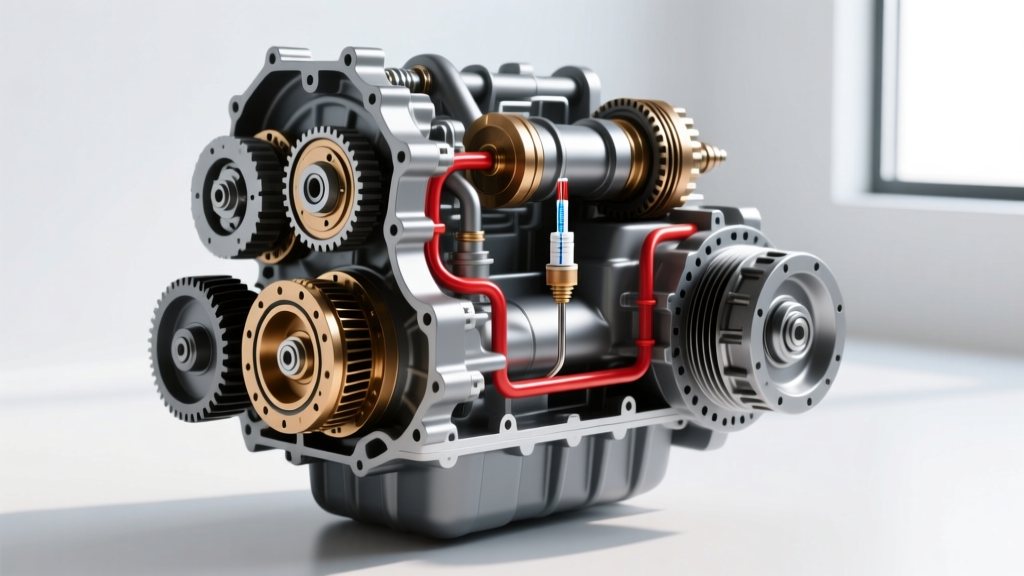
Before diving into model-specific capacities, it is vital to understand the failure cascade caused by low fluid volume. The transmission oil pump, usually a gerotor or gear-type pump driven directly by the torque converter hub, is designed to move incompressible liquid. When starved of fluid:
- Cavitation Occurs: The rapid collapse of air bubbles inside the pump housing causes micro-pitting on the pump gears and stator support.
- Valve Body Starvation: The pressure regulator valve cannot maintain base line pressure. Solenoids may command maximum pressure, but the physical volume of fluid is insufficient to fill the clutch apply circuits.
- Torque Converter Drain-Back: Severe low-fluid events allow the torque converter to drain back into the pan, resulting in a delayed, harsh engagement when the vehicle is finally shifted into gear after sitting.
"A no-move condition caused by low fluid is rarely just a leak; it is often a misdiagnosis of capacity. Technicians frequently add 2 quarts to a 'sealed' ZF 8HP or GM 10-speed without performing the thermal expansion overflow check, inadvertently overfilling the unit and causing the rotating assemblies to whip the fluid into an aerated foam." — Drivetrain Systems Engineering Brief, 2025
Model-Specific Transmission Fluid Capacity Reference (2026 Data)
Understanding the difference between Total Dry Fill (the amount needed for a brand-new, completely dry transmission and torque converter) and Service Fill / Pan Drop (the amount needed after dropping the pan and replacing the filter) is the most common stumbling block in transmission maintenance. Below is a precise capacity and specification matrix for three of the most common automatic transmissions on the road today.
| Transmission Model | Common Applications | Total Dry Fill | Service Fill (Pan Drop) | OEM Fluid Specification | Drain/Pan Bolt Torque |
|---|---|---|---|---|---|
| GM 6L80 / 6L90 | Silverado, Camaro, Corvette, Escalade | 11.9 Quarts (11.2L) | 6.0 Quarts (5.7L) | ACDelco Dexron VI | 10 Nm (89 lb-in) |
| ZF 8HP45 / 8HP70 | BMW 3/5/7 Series, Dodge Charger, Jeep GC | 9.5 - 10.5L (Varies by TC) | 5.5 - 6.5L | ZF LifeguardFluid 8 | Pan: 10 Nm / Plug: 35 Nm |
| Ford 6R80 | F-150, Mustang, Explorer | 13.1 Quarts (12.4L) | 5.0 Quarts (4.7L) | Motorcraft Mercon LV | 11 Nm (97 lb-in) |
Deep Dive: GM 6L80 / 6L90 Capacities and Service Protocol
The GM 6L80 is a staple of the American automotive landscape. If you are diagnosing a no-move condition on a 2015 Silverado, for instance, you must recognize that the 6L80 holds nearly 12 quarts total, but a standard pan drop and filter replacement will only yield about 6.0 quarts of fluid. The remainder is trapped inside the massive torque converter and the external transmission cooler lines.
Part Numbers & Specs:
- Fluid: ACDelco Dexron VI (Part # 10-9243 for 1-quart bottles).
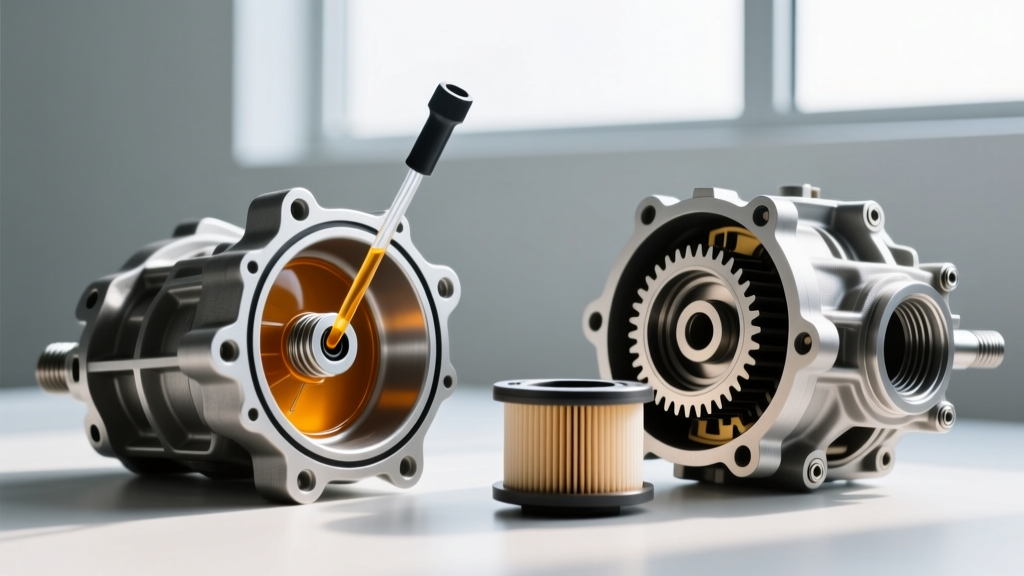
- Filter: GM Genuine Parts 24236933 (Press-in style filter; requires careful alignment to avoid cracking the plastic neck inside the valve body bore).
- Capacity Check Procedure: The 6L80 features a side-level check plug on the transmission case. The fluid must be checked with the vehicle running, on a level surface, with the transmission fluid temperature (TFT) between 86°F and 122°F (30°C - 50°C). If fluid does not drip from the check plug at this temperature, the unit is underfilled, which will cause the 3-5-R clutch pack to slip and eventually fail, causing a no-move condition.
Deep Dive: ZF 8HP Series (The Sealed Unit Challenge)
The ZF 8-speed automatic is a masterpiece of engineering but presents unique challenges regarding fluid capacity. ZF officially designates these units as "sealed for life," but independent shops and OEM updated ZF Aftermarket Lubricants Guides mandate servicing every 60,000 to 80,000 miles.
The critical factor here is that the ZF 8HP does not use a removable metal filter and a reusable gasket. The fluid pan, filter, and gasket are integrated into a single molded plastic assembly. Furthermore, the mechatronic sleeve adapter is prone to leaking, which is a primary cause of the low fluid levels that lead to the "car won't move" symptom in BMWs and Chryslers.
Part Numbers & Specs:
- Pan/Filter Kit: ZF Part # 1087.298.365 (Includes pan, filter, sealing sleeve, and new bolts).
- Fluid: ZF LifeguardFluid 8 (Do NOT use generic multi-vehicle fluids; the friction modifiers are highly specific to the ZF torque converter lock-up clutch).
- Leveling Procedure: ZF requires a strict thermal check. The fluid must be between 30°C and 50°C. You must fill the transmission via the fill plug on the pan until it overflows, then run the engine, cycle through the gears, and re-check the overflow with the vehicle running. The final overflow plug torque spec is exactly 35 Nm.
Deep Dive: Ford 6R80 and the Mercon LV Requirement
Based loosely on the ZF 6HP26 architecture but heavily modified and manufactured by Ford, the 6R80 is notorious for its thermal sensitivity. Total capacity is a massive 13.1 quarts, but a pan drop only removes about 5 quarts. If a 6R80 is low on fluid, the vehicle will often exhibit a harsh 2-3 shift before eventually refusing to move forward, as the low line pressure triggers the transmission control module (TCM) to command "Fail-Safe" or "Limp" mode.
According to the Ford Motorcraft Fluid Specifications, the 6R80 requires Mercon LV. The checking procedure differs from GM and ZF: Ford utilizes a bottom-mounted dipstick tube or a specific pan-level plug depending on the year, but the hot check requires the fluid to be near operating temperature, typically 194°F to 203°F (90°C - 95°C), requiring a high-speed road test to achieve before checking the level.
Diagnostic Protocol: Verifying True Fluid Level vs. Capacity
If you suspect low fluid is causing your car not to move, do not simply pour fluid into the filler tube. Follow this diagnostic sequence to ensure accurate capacity management:
- Scan for Codes: Connect an OBD-II scanner capable of reading TCM live data. Look for codes like P0711 (Transmission Fluid Temperature Sensor Circuit Range/Performance) or P0730 (Incorrect Gear Ratio), which often accompany low fluid events.
- Monitor TFT (Transmission Fluid Temperature): You cannot accurately check the capacity of a modern transmission without knowing the exact fluid temperature. Fluid expands significantly as it heats up. Checking a cold ZF 8HP and filling it to the overflow plug will result in severe overfilling once the vehicle reaches 80°C, causing the fluid to foam and the car to stop moving.
- Perform the Overflow Check: With the vehicle on a level lift, engine running, and transmission at the manufacturer-specified temperature, remove the level check plug. If a steady stream flows out, the capacity is correct. If nothing comes out, add fluid in 0.5-liter increments until it overflows.
- Inspect for Catastrophic Leaks: If the fluid is more than 3 quarts below the service fill capacity, inspect the axle seals, the transmission cooler lines, and the torque converter hub seal. A transmission does not consume fluid; if it is low enough to cause a no-move condition, it is leaking externally.
Troubleshooting Matrix: Low Fluid vs. Mechanical Failure
How do you know if the no-move condition is strictly a fluid capacity issue or if internal mechanical damage has already occurred? Use this matrix:
- Symptom: Engine revs freely, no movement in ANY gear, loud whining noise from bellhousing.
Diagnosis: Severe fluid starvation. The pump is cavitating (whining). Action: Refill to exact capacity immediately. If it still won't move, the pump gears have shattered. - Symptom: Vehicle moves in Reverse, but will not move in Drive.
Diagnosis: Low fluid has exposed the forward clutch accumulator feed circuit, or a blown forward clutch piston seal. Reverse requires higher line pressure and utilizes a different circuit that may still be submerged in fluid. Action: Check capacity; if full, internal rebuild is required. - Symptom: Delayed engagement (takes 3-5 seconds to catch in Drive), then moves.
Diagnosis: Fluid is slightly low (1-2 quarts), or torque converter drain-back is occurring due to a faulty check ball or worn pump seal. Action: Top off to manufacturer overflow spec and monitor.
Cost Breakdown: OEM Fluids and Service Kits (2026 Estimates)
Budgeting for a proper capacity-corrective service requires purchasing OEM-specified fluids and, in many cases, integrated pan assemblies. Generic "universal" fluids often lack the precise friction modifiers required for modern lock-up clutches, leading to shudder and eventual failure.
- GM 6L80 Service (ACDelco Dexron VI + Filter): $85 - $120 (Parts only).
- ZF 8HP Service (Integrated Pan/Filter Kit + 7L Lifeguard 8): $280 - $380 (Parts only). The high cost is driven by the mandatory plastic pan replacement.
- Ford 6R80 Service (Motorcraft Mercon LV + Filter): $95 - $140 (Parts only).
For comprehensive chemical specifications and torque data, technicians should always refer to the ACDelco Automatic Transmission Fluid Bulletins or the respective OEM service portals. Ultimately, answering the question "will low transmission fluid cause car not to move" requires more than a yes or no; it demands a rigorous adherence to model-specific capacities, thermal checking procedures, and OEM fluid chemistry to restore hydraulic integrity and vehicle mobility.