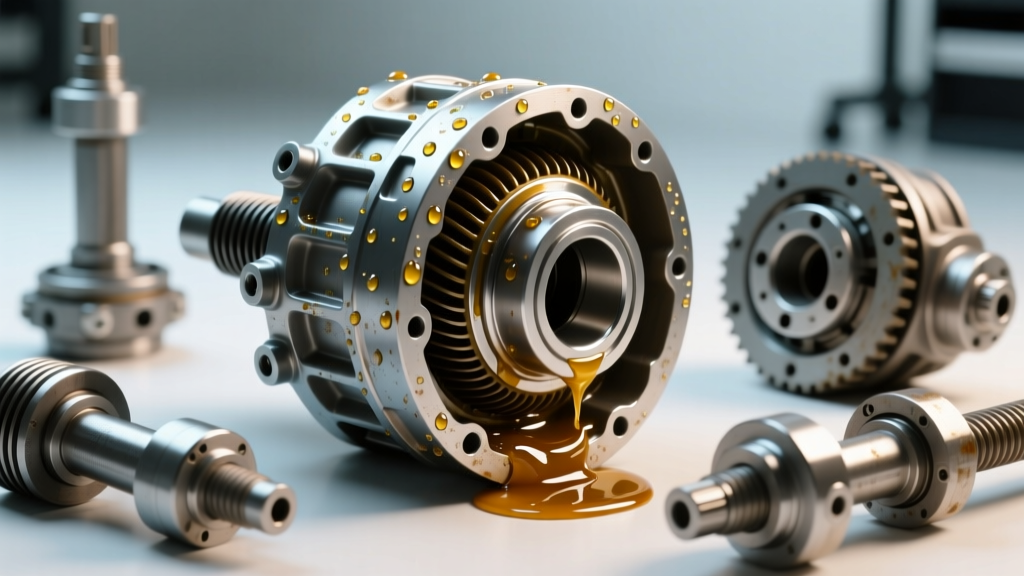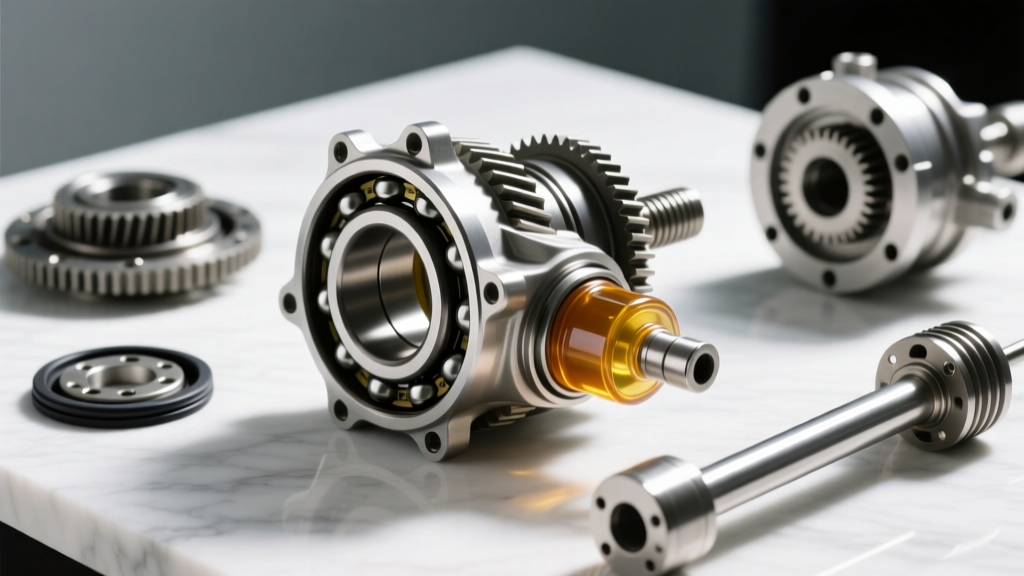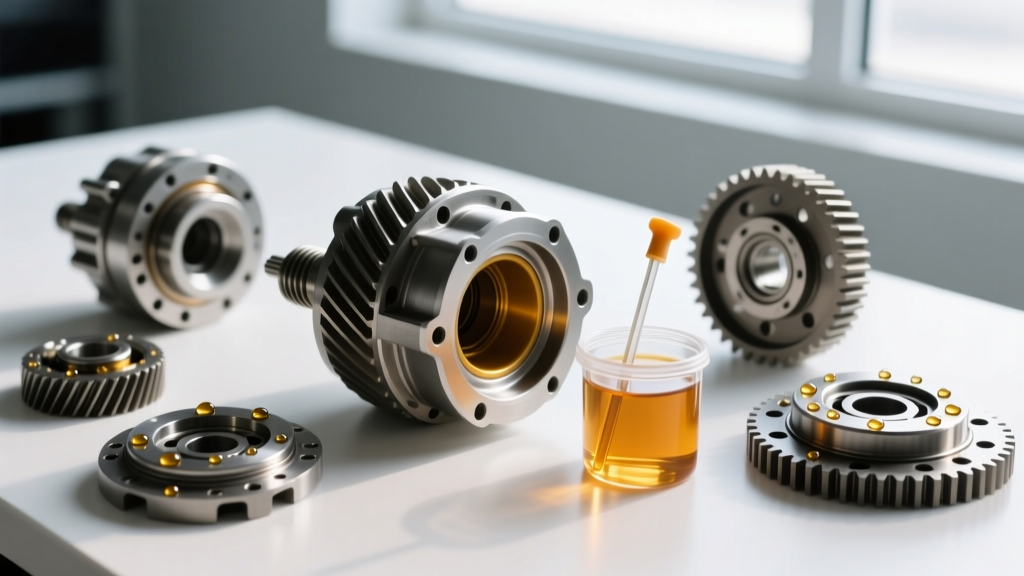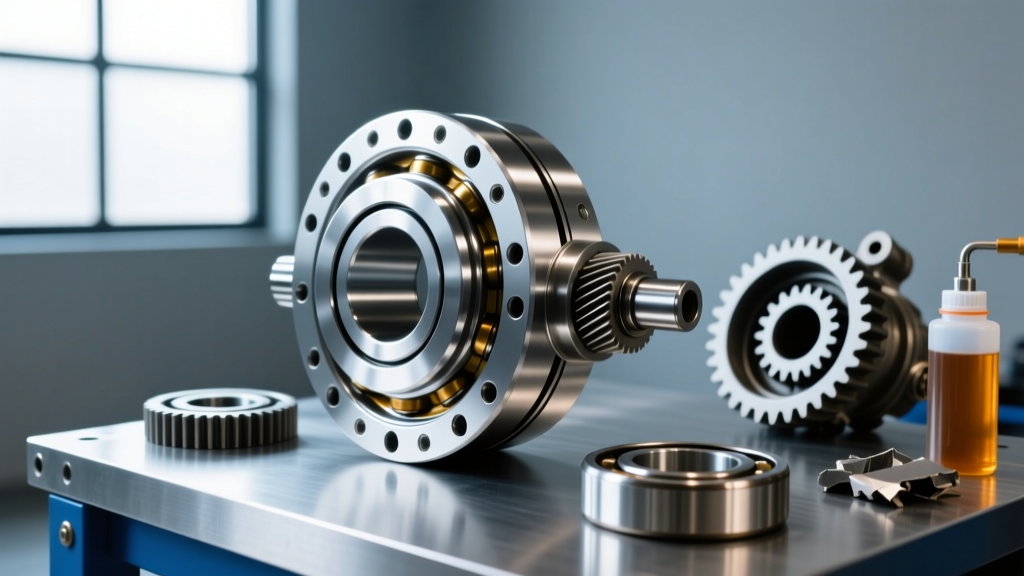
The Shock Load Reality: Why Lockers Demand Premium Bearings
When you upgrade from an open or limited-slip differential to a full locking differential, you fundamentally alter the physics of your axle assembly. An open differential gracefully distributes torque to the path of least resistance. A locker, however, forces both axle shafts to turn at the exact same speed, creating massive torque spikes and binding forces when navigating high-traction surfaces. As we navigate the 2026 off-road and overlanding season, the stress placed on drivetrain components is higher than ever due to heavier vehicles and larger tire setups. This is where the humble differential bearing becomes the unsung hero—or the catastrophic point of failure.
Many enthusiasts spend $1,000+ on a premium selectable or automatic locker but reuse worn carrier bearings or opt for cheap offshore replacements to save $40. When a Detroit Locker engages on dry pavement, or an ARB Air Locker is accidentally engaged at speed, the resulting shock load bypasses the gears and transfers directly into the carrier bearings. If the differential bearing is substandard, the cage will shatter, sending needle rollers into the ring and pinion, destroying your entire gear set in seconds.
Locking Differential Types: Selectable vs. Automatic
Choosing the right locker dictates not only your vehicle's trail manners but also the specific installation requirements for your carrier bearings and shim packs.
Selectable Lockers (ARB, Ox, Eaton E-Locker)
Selectable lockers act as open differentials when disengaged and lock into a 100% solid spool when activated. The ARB Air Locker uses compressed air to push a piston that engages internal clutch gears. Because the ARB replaces the entire factory carrier, you must press new differential bearings onto the ARB case. Furthermore, routing the air line requires either drilling a small passage through the bearing cap or using a specialized bulkhead fitting, which can slightly alter the structural rigidity of the cap and necessitate precise bearing preload adjustments.
The Eaton E-Locker utilizes an electromagnetic coil. It is generally a bolt-in replacement that retains the factory carrier bearings in some applications, but upgrading to heavy-duty Timken or Koyo bearings is highly recommended when stepping up to 35-inch or larger tires.
Automatic Lockers (Detroit, Spartan, Aussie)
Automatic lockers use internal ratcheting mechanisms to lock under load and unlock during turns. The Detroit Locker replaces the entire carrier, requiring a full differential bearing swap and meticulous shimming. Lunchbox lockers (like the Spartan or Aussie) drop into the existing factory carrier. While you can technically reuse the existing differential bearing if it is in perfect condition, the sudden engagement of a lunchbox locker accelerates bearing wear. If your current bearings have more than 30,000 miles, a full carrier tear-down and bearing replacement is mandatory.
Matching the Right Differential Bearing to Your Axle
Never compromise on bearing metallurgy. Case-carburized bearings (like those from Timken or Koyo) feature a hard, wear-resistant outer surface with a tough, ductile core that absorbs shock loads without cracking. Through-hardened bearings, often found in cheap import kits, are brittle and prone to micro-fractures under the sudden torque spikes generated by locking differentials.
| Axle Type | Common Locker | Premium Bearing Kit | Target Preload | Est. Kit Cost |
|---|---|---|---|---|
| Dana 44 (Standard) | ARB RD116 | Timken SET10 | 15-25 in-lbs | $45 - $60 |
| Dana 60 | Detroit 225SL185A | Timken SET20 | 25-40 in-lbs | $70 - $95 |
| Ford 8.8 | Eaton E-Locker | Timken LM102949/10 | 20-30 in-lbs | $40 - $55 |
| GM 12-Bolt | ARB RD117 | Timken SET10 | 15-25 in-lbs | $45 - $60 |
Carrier Preload, Shimming, and Torque Specifications
Setting the differential bearing preload is the most critical step in a locker installation. Preload ensures the carrier is held rigidly in place, preventing gear deflection under load while allowing the bearings to spin without generating excessive heat.
The Shim-Under-Bearing Challenge
Axles like the Dana 44 and Ford 8.8 utilize a 'shim-under-bearing' design. The shims sit between the differential bearing inner race and the carrier case. To find the correct shim thickness, you must press the bearing on and off the carrier multiple times. Doing this with a brand-new Timken differential bearing will ruin the bearing's interference fit. Professional drivetrain builders use a setup bearing—a bearing with a slightly honed-out inner diameter that slides on and off by hand. Once the correct shim thickness is determined to achieve the target rotational torque (measured in inch-pounds with a dial indicator and beam-style torque wrench), the final new bearings are pressed on permanently.
Adjustable Nut Setups
Heavier axles like the Dana 60 and GM 14-bolt use adjustable carrier bearing nuts instead of shims. This makes setting the differential bearing preload significantly easier. You thread the nuts inward until you achieve the specified rotational torque (typically 25-40 in-lbs for a Dana 60), then lock them down with a set screw or locking tab. However, you must ensure the threads on the bearing adjusters are coated with anti-seize to prevent galling, which can cause the preload to shift after a few heat cycles on the trail.
Post-Install Fluid Selection for Locked Axles
The fluid you choose post-upgrade must complement your new hardware. Locking differentials do not require the friction modifiers used in clutch-type limited-slip differentials. In fact, adding a limited-slip friction modifier to an automatic locker like a Detroit or Spartan can cause the internal dog clutches to slip, delaying engagement and accelerating wear.
For a dedicated off-road vehicle with a locking differential, step up to a 75W-140 full synthetic gear oil, such as Amsoil Severe Gear or Red Line 75W140. The higher viscosity provides a thicker hydrodynamic film, which is crucial for cushioning the differential bearing and gear teeth against the extreme shock loads generated when the locker engages. Ensure your differential cover is equipped with a magnetic drain plug to capture any microscopic metal shavings generated during the initial 500-mile break-in period of your new ring, pinion, and bearing assembly.
Diagnostic Signs of Differential Bearing Failure
Even with a flawless installation, it is vital to monitor your axle for early signs of differential bearing degradation. A low-pitch, continuous rumble that increases with vehicle speed (usually above 35 mph) and changes pitch on deceleration is the classic hallmark of a failing carrier bearing. If you hear a rhythmic clicking or grinding that correlates directly with wheel speed, stop driving immediately. Pull the differential cover, inspect the fluid for glitter (suspended metal particles), and check the differential bearing cages for structural integrity. Catching a failing bearing early will save your $800 gear set and keep you on the trail where you belong.