The Mechanics of Clutch-Pack Limited Slip Differentials
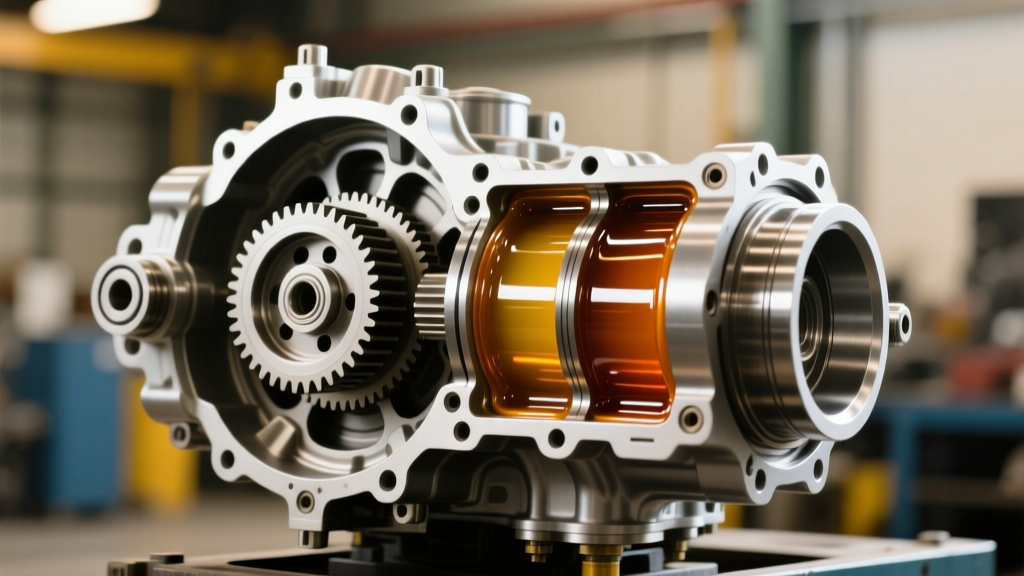
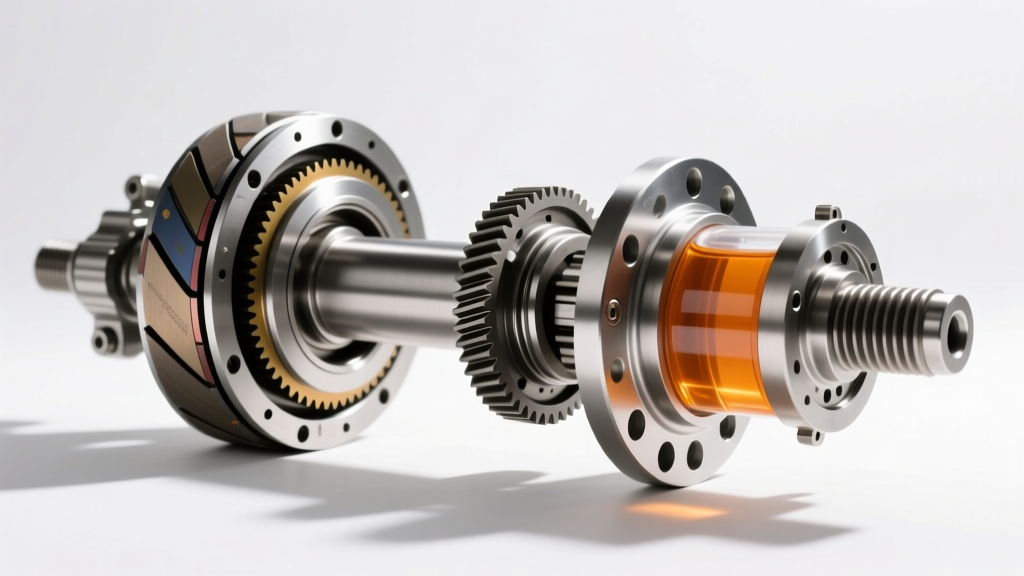
Unlike an open differential that sends power to the path of least resistance (the spinning wheel), a clutch-pack limited slip differential (LSD) utilizes a series of alternating friction and steel clutch plates to bind the axleshafts together under load. Found in iconic axles like the Ford 8.8, GM 8.6-inch (10-bolt), and various Dana 44 configurations, the clutch-pack LSD relies on precise hydraulic boundary lubrication to function. When cornering, the outer wheel must rotate faster than the inner wheel. The clutch packs must slip just enough to allow this differentiation, but grip firmly enough under straight-line acceleration to prevent one-sided wheelspin.
Because the internal S-springs (or preload springs) apply constant lateral pressure to the clutch packs, the friction material is in a perpetual state of micro-slippage and engagement. This generates immense localized heat and shear forces. As of 2026, modern high-torque applications—from turbocharged sports cars to heavily modified off-road rigs—place unprecedented thermal stress on these components, making fluid selection and maintenance paramount.
The Chemistry of Boundary Lubrication and Friction Modifiers
Performing a car differential fluid change on a limited slip axle requires more than just draining and refilling with standard gear oil. Standard API GL-5 gear oils contain Extreme Pressure (EP) additives, typically sulfur and phosphorus compounds, designed to protect hypoid ring and pinion gears from scuffing under high sliding pressures. However, these same EP additives alter the coefficient of friction on the clutch plates.
If you fill an LSD with standard GL-5 gear oil lacking the proper friction modifiers, the clutch plates will experience a phenomenon known as 'stick-slip.' Instead of slipping smoothly during cornering, the plates will bind aggressively and then release abruptly. This translates to the notorious 'LSD chatter'—a violent shuddering sensation felt through the chassis during low-speed turns, which rapidly glazes the friction material and destroys the clutch packs.
To counteract this, manufacturers require a friction modifier (often an ester-based additive) that coats the clutch plates, ensuring a smooth kinetic friction transition. While many modern synthetic 75W-90 and 75W-140 gear oils claim to be 'LS Compatible,' veteran drivetrain builders universally recommend adding a dedicated friction modifier to guarantee optimal performance and eliminate chatter.
Step-by-Step Technical Service Procedure
A proper LSD service goes beyond simply pulling the fill plug. It requires meticulous cleaning, inspection, and precise chemical dosing.
1. Preparation and Draining
Elevate the vehicle safely on jack stands, ensuring the axle housing is level. An angled vehicle will result in an inaccurate fluid fill. Remove the fill plug before removing the drain plug or differential cover. This prevents the nightmare scenario of draining the housing only to discover the fill plug is seized or stripped.
2. Cover Removal and Internal Inspection
For axles without a dedicated drain plug (like the Ford 8.8), break the seal on the differential cover. Use a specialized differential cover spreader tool or a dead-blow hammer and chisel to separate the cover without gouging the mating surface. Once drained, inspect the fluid for metallic particulates. A fine, glitter-like paste on the magnetic drain plug is normal wear. However, chunky metal shards or brass-colored flakes indicate catastrophic bearing or spider gear failure.
3. Cleaning and Resealing
Scrub the housing interior with a lint-free shop towel and brake cleaner. Never use wire wheels or abrasive pads inside the housing, as stray bristles will circulate and destroy the pinion bearing. Scrape all old RTV silicone from the mating surfaces. Apply a continuous 3/16-inch bead of high-temperature RTV (such as Permatex Ultra Black 81878) to the cover. Crucial Note: Allow the RTV to skin over for 1 hour and fully cure for 24 hours before introducing fluid to prevent silicone extrusion into the oil pickup.
4. Fluid and Modifier Dosing
Add the prescribed amount of friction modifier first (typically 4 oz for standard passenger axles). Follow with a high-quality synthetic 75W-90 or 75W-140 GL-5 gear oil until it weeps from the bottom of the fill hole. Install a new crush washer on the fill plug.
Reference Chart: Axle Capacities and Torque Specifications
| Axle Configuration | Fluid Capacity | Fill Plug Torque | Cover Bolt Torque | Recommended Viscosity |
|---|---|---|---|---|
| Ford 8.8-inch (Standard LSD) | 3.7 Pints (1.85 Qt) | 33 lb-ft | 28 - 38 lb-ft | 75W-140 Synthetic + 4oz Modifier |
| GM 8.6-inch (10-Bolt Posi) | 4.2 Pints (2.1 Qt) | 24 lb-ft | 22 - 28 lb-ft | 75W-90 Synthetic + 4oz Modifier |
| Dana 44 (JK/JL Wrangler LSD) | 4.0 Pints (2.0 Qt) | 25 - 35 lb-ft | 30 - 40 lb-ft | 75W-140 Synthetic + 4oz Modifier |
| Toyota 8-inch (TRD LSD) | 5.1 Pints (2.55 Qt) | 36 lb-ft | N/A (Drop-out 3rd) | 75W-90 GL-5 LS Specific |
Post-Service Calibration and Chatter Diagnostics
The Figure-8 Break-In Protocol
Simply filling the axle and driving away is a recipe for chatter. The friction modifier must be mechanically worked into the porous surface of the clutch discs. Immediately after the car differential fluid change, locate a large, empty, and preferably wet parking lot. Drive the vehicle in tight, continuous figure-8 patterns at 5 to 10 mph. Perform 15 to 20 full figure-8 cycles in both directions. This forces the clutch packs to slip and engage repeatedly, evenly distributing the friction modifier across all plates and bedding them into the new fluid chemistry.
Troubleshooting Persistent Chatter
If chatter persists after the figure-8 calibration, the clutch packs may be overly aggressive or the fluid's friction coefficient is still too high. The accepted industry protocol is to drain exactly 4 ounces of gear oil and replace it with an additional 1 to 2 ounces of dedicated friction modifier (such as Motorcraft XL-3 or Red Line 60013). Repeat the figure-8 procedure. Never exceed the manufacturer's maximum modifier volume, as over-dosing will cause the clutch packs to slip continuously under hard acceleration, leading to rapid thermal degradation and total loss of torque biasing.
Recognizing Catastrophic Clutch Failure
If the differential exhibits a 'clunk' upon load reversal, or if the vehicle continues to spin only one wheel under heavy throttle despite fresh fluid and modifier, the clutch packs are physically destroyed. This is common in vehicles subjected to high-horsepower drag racing or aggressive off-road rock crawling without a true locking differential. At this stage, no fluid change will rectify the issue. The differential must be removed, the carrier opened, and the clutch packs replaced using a comprehensive rebuild kit (such as the Eaton Posi Performance kit or Strange Engineering Pro Race packs), requiring specialized carrier shimming and dial-indicator backlash setup.
Expert Break-In Note for Aftermarket Gears: If your fluid change coincides with the installation of aftermarket ring and pinion gears (e.g., Yukon or Richmond 4.10 or 4.56 sets), do not use full synthetic gear oil for the first 500 miles. Conventional GL-5 mineral oil is required to allow the gear teeth to wear-in and mate properly. Synthetic oils are too slippery during initial break-in, which will result in premature gear whine and reduced lifespan. After 500 miles, drain the conventional oil, replace the crush washers, and refill with your preferred synthetic LS blend.
Authoritative Drivetrain Resources
For comprehensive torque specifications and LSD rebuild schematics, always consult the OEM service manuals or trusted aftermarket engineering guides. Excellent technical data on synthetic gear lube shear stability and clutch-pack compatibility can be found via the AMSOIL Severe Gear Technical Bulletins. Furthermore, for deep-dive schematics on Spicer and Dana limited slip carrier assemblies, the Dana Spicer Axle Resource Center remains the gold standard for drivetrain professionals.