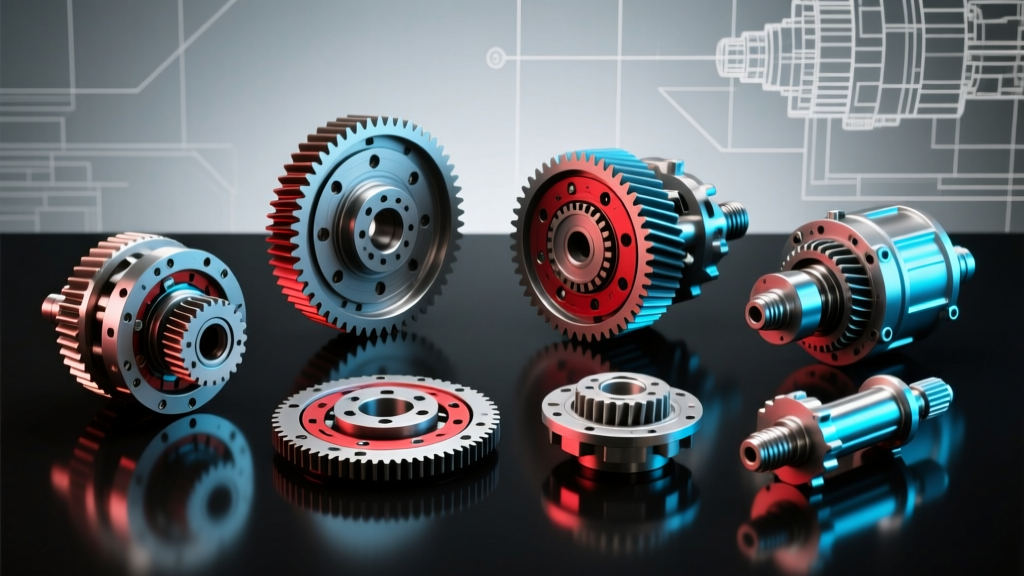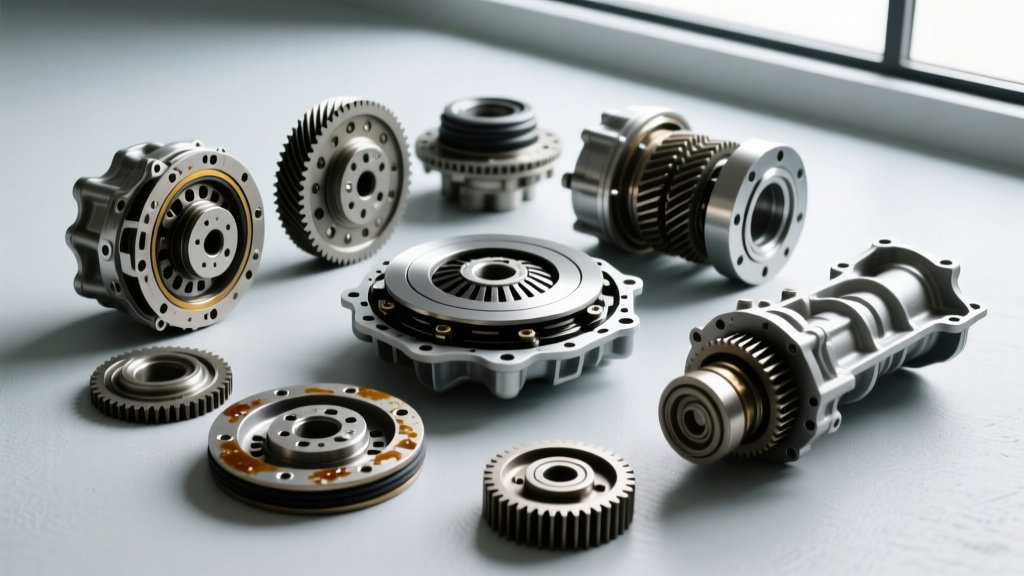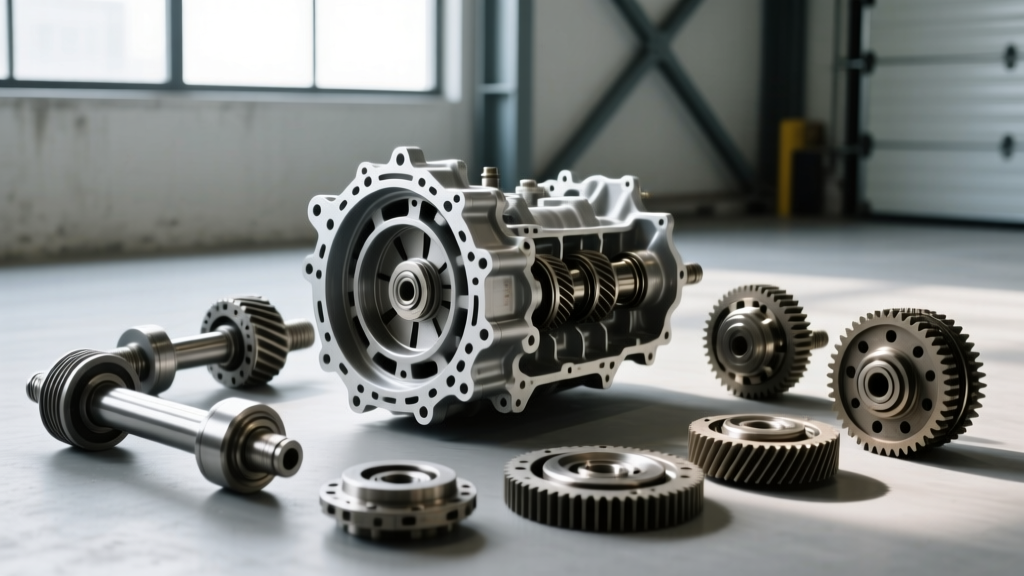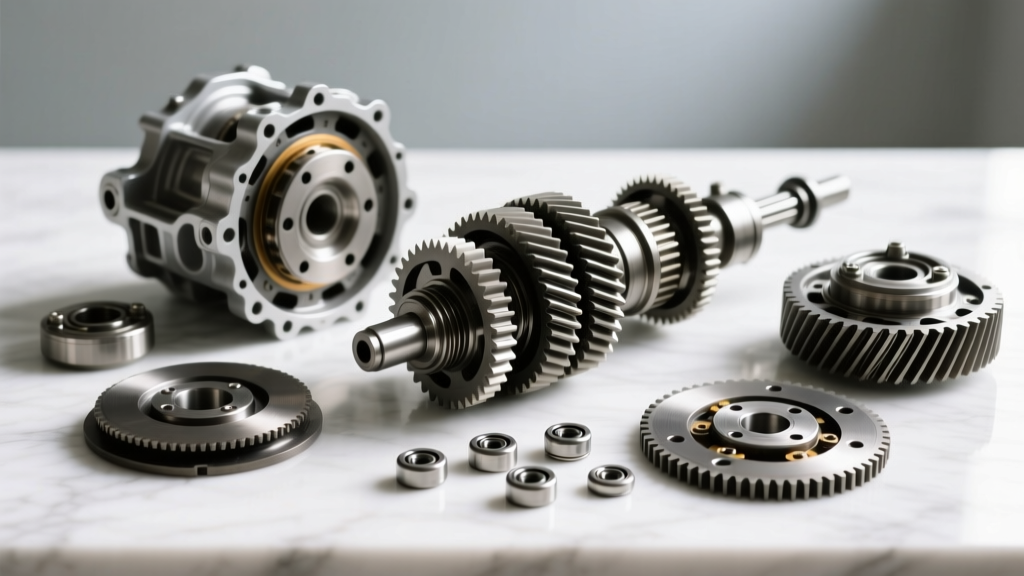
Staring at a driveway-bound vehicle with a slipping gearbox or a flashing Check Engine Light is a universal automotive nightmare. When the diagnostic scanner pulls a dreaded P0700 (Transmission Control System Malfunction) and the repair quote lands on your desk, you are immediately faced with a critical financial crossroads: should I replace my transmission or buy a new car?
In 2026, with dealership labor rates averaging between $165 and $225 per hour and used car prices remaining stubbornly high, the math is more complex than ever. However, before you sign a loan for a new vehicle or authorize a $4,500 rebuild, you must evaluate a factor that can entirely flip the equation: your auto insurance policy. Most drivers mistakenly believe insurance never covers powertrain failures. While standard policies exclude mechanical wear-and-tear, specific diagnostic scenarios can trigger comprehensive or collision coverage, saving you thousands.
Diagnosing the Failure: Wear-and-Tear vs. Covered Events
Insurance adjusters are trained to differentiate between a transmission that died of old age and one that was killed by an external, covered event. To leverage your insurance policy, your troubleshooting must focus on identifying the root cause of the failure.
Step 1: Fluid Analysis and Pan Inspection
Drop the transmission pan and inspect the fluid and debris. This is the single most important diagnostic step for insurance claims.
- Fine Grey Paste / Clutch Material: This indicates normal, long-term friction material wear. Insurance Verdict: Denied (Maintenance Issue).
- Strawberry Milkshake Fluid: This means the internal transmission cooler (located in the radiator) has ruptured, mixing coolant with ATF. If caused by a front-end collision or road debris striking the radiator, this is a covered event. If caused by internal corrosion from neglected coolant changes, it is denied.
- Large Metal Chunks / Planetary Gear Shards: If you recently struck a massive pothole, bottomed out on a rock, or were involved in a minor collision that cracked the bell housing or severed a cooler line, the resulting hydraulic pressure loss and subsequent metal destruction can be tied to a covered comprehensive or collision claim.
Step 2: Scanning for Impact-Related DTCs
Generic codes like P0730 (Incorrect Gear Ratio) won't help your insurance claim. You need codes that point to sudden physical trauma or external damage. For example, a P0868 (Transmission Fluid Pressure Low) on a Ford 10R80, combined with physical evidence of a punctured cooler line from road debris, shifts the narrative from 'internal failure' to 'external damage.'
The Insurance Coverage Matrix
Understanding how your specific policy interacts with powertrain damage is vital. According to the Insurance Information Institute, standard liability policies offer zero protection for your own vehicle's mechanical components. Here is how different coverages apply to transmission troubleshooting:
| Coverage Type | Triggering Event | Transmission Example | Claim Outcome |
|---|---|---|---|
| Collision | Striking an object or another vehicle. | Cracked 6L80E case after hitting a median; internal damage from sudden locking of wheels. | Covered (Minus deductible) |
| Comprehensive | Falling objects, vandalism, floods, road debris. | Rock punctures the trans pan on a ZF 8HP, causing immediate fluid loss and pump cavitation. | Covered (Minus deductible) |
| Liability | You cause damage to others. | Your CVT fails while driving to work. | Denied (No coverage) |
| MBI (Mechanical Breakdown) | Any mechanical failure (not wear items). | Solenoid pack failure on a Chrysler 8-speed. | Covered (If MBI was active) |
The 2026 Financial Framework: Repair vs. Replace
If your diagnostic troubleshooting confirms the failure is strictly mechanical (wear-and-tear) and your insurance claim is denied, you must return to the core question: should I replace my transmission or buy a new car? To answer this, we apply the '50% Rule' and evaluate current powertrain replacement costs against Actual Cash Value (ACV).
Case Study 1: The GM 6L80E (Silverado / Sierra / Tahoe)
The 6L80E is notorious for TEHCM (Transmission Electronic Control Module) failures and worn 4-5-6 clutch hubs.
Repair Cost: A remanufactured unit with a torque converter and 3-year warranty ranges from $3,200 to $4,100 installed. A targeted TEHCM replacement and re-flash is roughly $1,100.
Vehicle Value (2016 Model): ~$18,000.
Verdict: Replace the transmission. The repair is well under 25% of the vehicle's ACV. Furthermore, a new 2026 equivalent truck will cost upwards of $55,000, making the repair the vastly superior financial move.
Case Study 2: The ZF 8HP (BMW / Audi / Dodge / Jeep)
The ZF 8HP is an engineering marvel but suffers from mechatronic sleeve leaks and bridge seal degradation, leading to harsh downshifts and limp mode.
Repair Cost: Dropping the valve body to install a Sonnax ZIP Kit and replacing the mechatronic unit costs between $2,800 and $4,500. A full OEM replacement from the dealer can exceed $7,500.
Vehicle Value (2014 BMW 535i): ~$14,000.
Verdict: Borderline. If the repair requires a full OEM replacement ($7,500), it exceeds 50% of the ACV. Unless the rest of the car is in pristine, rust-free condition with new suspension components, it is time to buy a new car. If a localized valve body repair ($2,800) solves the issue, keep the car.
Troubleshooting Claim Denials: The Negligence Trap
Even if you have Mechanical Breakdown Insurance (MBI) or an extended warranty that acts similarly to insurance, adjusters will actively look for reasons to deny your claim based on driver negligence. You must troubleshoot your own maintenance history before filing.
Adjuster Insight: 'We pull the ECM data logs. If the transmission fluid temperature sensor recorded sustained temps above 260°F for hours while towing a load that exceeds the door-jamb GVWR, the claim is denied for abuse. If the driver ignored a flashing MIL (Malfunction Indicator Lamp) for 2,000 miles while the torque converter was shedding metal, the claim is denied for failure to mitigate damages.'
How to protect yourself: Always keep records of ATF drain-and-fills. While many manufacturers claim their fluid is 'lifetime,' independent transmission experts and the NHTSA recall databases are filled with failures of 'sealed' units. If you are using an aftermarket cooler or modified tuning software that increases line pressure beyond factory specs, disclose this, as it can void coverage.
Final Verdict: Making the Decision
Deciding whether to replace a transmission or buy a new car requires stripping away the emotion of a broken-down vehicle and looking at hard data. First, diagnose the physical symptoms. If road debris, a collision, or a falling object caused the hydraulic failure, file a comprehensive or collision claim immediately. Let the insurance company buy your new car via a total loss payout, or cover the rebuild. Second, if the failure is internal wear-and-tear, calculate the exact repair cost using independent, ASE-certified transmission shops rather than dealerships to avoid inflated OEM part markups. If the repair cost is less than 35% of your vehicle's current Kelley Blue Book trade-in value, and the engine and chassis are solid, replace the transmission. In the 2026 automotive economy, holding onto a well-maintained, fully depreciated vehicle with a fresh gearbox is almost always the smartest financial maneuver you can make.