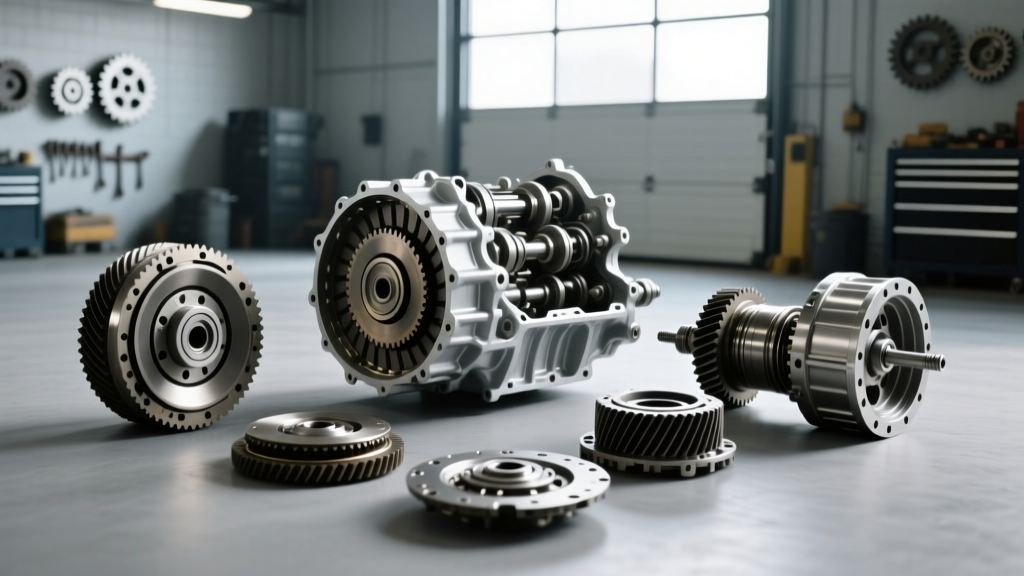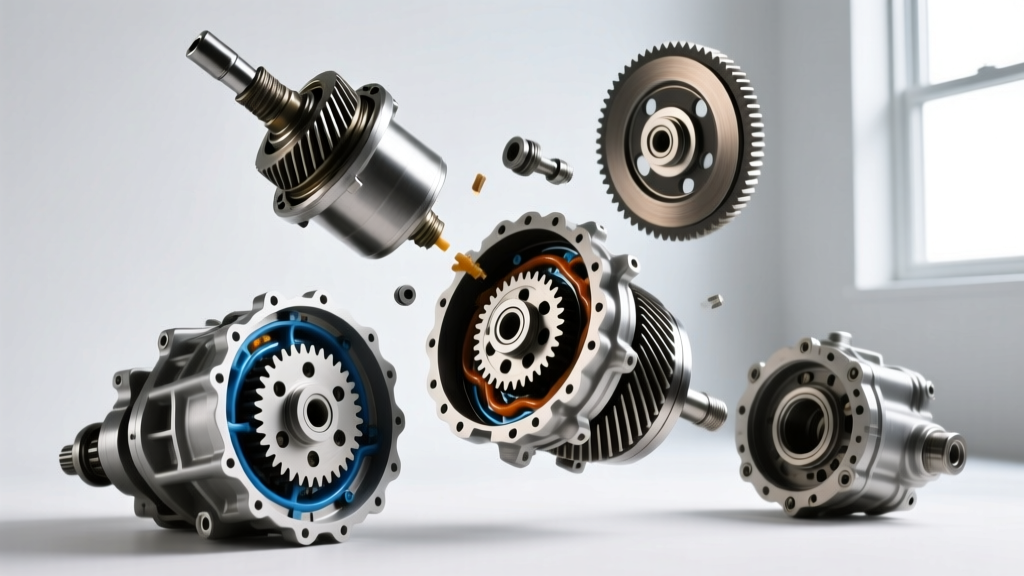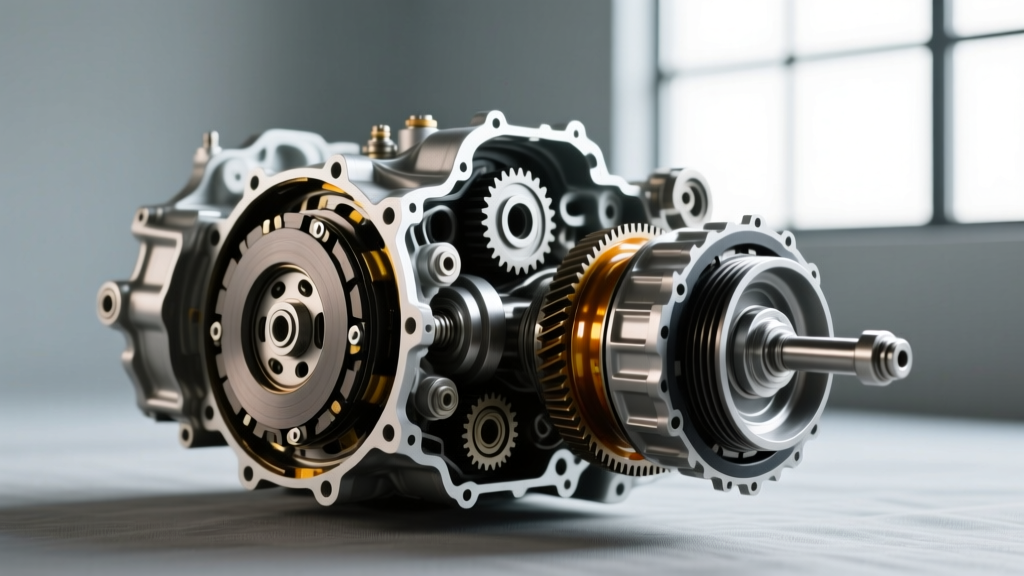
The Transmission Crossroads: Repair vs. Replacement
Seeing your vehicle suddenly rev without accelerating, or watching a flashing gear indicator on your dashboard, is a universal moment of automotive dread. When a transmission fails, vehicle owners are immediately thrust into a complex financial and mechanical dilemma. Should you pay for a targeted repair, or is it time for a full replacement? Understanding the nuances of transmission repair vs replacement cost is the first step toward saving thousands of dollars at the repair shop.
As a beginner navigating the automotive repair landscape, it is vital to understand that 'transmission failure' is rarely a single, uniform event. A failing sensor costs a few hundred dollars to fix, while shattered planetary gears demand a complete teardown. In this 2026 guide, we will break down the exact costs, mechanical realities, and decision-making frameworks you need to choose the right path for your vehicle.
2026 Transmission Cost Comparison Matrix
Before diving into the mechanical deep end, let us look at the hard numbers. The costs below reflect national averages for 2026, factoring in current shop labor rates (averaging $140 to $190 per hour) and parts inflation.
| Transmission Model | Common Vehicles | Minor In-Car Repair | Full Rebuild Cost | Remanufactured Swap |
|---|---|---|---|---|
| GM 4L60E / 4L80E | Silverado, Tahoe, Corvette | $450 - $900 | $1,800 - $2,600 | $2,200 - $3,100 |
| Ford 6R80 / 10R80 | F-150, Mustang, Explorer | $600 - $1,100 | $2,400 - $3,400 | $3,200 - $4,500 |
| ZF 8HP (8HP45/70) | BMW 3-Series, Dodge Ram, Audi | $800 - $1,500 | $3,000 - $4,200 | $4,000 - $5,800 |
| Toyota U660F / A750E | Camry, Tacoma, 4Runner | $500 - $950 | $2,200 - $3,000 | $2,800 - $3,900 |
Note: Prices do not include taxes, environmental disposal fees, or ancillary cooling system flushes, which can add $150-$300 to your final invoice.
When to Repair: In-Car Fixes and Component Swaps
A repair is generally defined as fixing a specific, isolated failure without removing the entire transmission from the vehicle or completely tearing it apart on a workbench. Modern transmissions are highly modular, meaning many external or bolt-on components can be serviced while the unit remains bolted to the engine block.
The ZF 8HP Mechatronic Sleeve Leak
The ZF 8-speed automatic is an engineering marvel, but it suffers from a well-documented issue: the degradation of the mechatronic sealing sleeve. Over years of heat cycles, the plastic and rubber O-rings harden, causing hydraulic fluid to leak onto the garage floor and triggering low-pressure fault codes.
The Fix: A technician can drop the transmission pan, remove the valve body (mechatronic unit), and replace the sealing sleeve without pulling the transmission.
- Parts Cost: $60 - $120 for an upgraded Sonnax or OEM sleeve.
- Labor Time: 2.5 to 3.5 hours.
- Critical Torque Spec: The ZF 8HP uses an integrated plastic or aluminum pan with a built-in filter. The pan bolts are small M6 fasteners that must be torqued to exactly 8 Nm (71 lb-in). Overtightening will crack the plastic pan, turning a $600 repair into a $1,500 nightmare.
GM 4L60E Solenoid and PWM Failures
If your GM truck or SUV experiences harsh 1-2 shifts or a slipping torque converter, the culprit is often the Pulse Width Modulation (PWM) solenoid or the Torque Converter Clutch (TCC) apply valve inside the valve body. Like the ZF, this can be repaired by dropping the pan and replacing the solenoid pack or installing a TransGo shift kit to correct hydraulic bore wear.
When to Replace: Catastrophic Internal Failures
When internal hard parts fail, the transmission must be removed from the vehicle, disassembled, cleaned, and rebuilt—or replaced entirely with a remanufactured unit.
The Ford 10R80 CDF Drum Failure
The Ford 10-speed (10R80) is notorious for cracking the CDF (Clutch Drive Frame) drum under heavy towing or aggressive tuning. When this drum fractures, it scatters metal shrapnel throughout the entire hydraulic system, destroying clutches, the valve body, and the torque converter.
There is no 'quick fix' for internal mechanical shrapnel. Once hard parts disintegrate, a full teardown and flush of the transmission cooling lines are mandatory to prevent immediate secondary failures. - Automatic Transmission Rebuilders Network (ATRN) Guidelines
In scenarios like the 10R80 CDF failure, or the classic GM 4L60E 'powdered metal' sun shell stripping, you are facing a full replacement or rebuild. This is where understanding the labor involved in the physical removal process becomes crucial for your wallet.
Step-by-Step Overview: How to Replace Car Transmission Units
When researching how to replace car transmission assemblies, beginners often overlook the hidden costs of ancillary components and the sheer physical labor required. A transmission swap is not just about unbolting a heavy metal box; it is a systemic procedure.
- Vehicle Lift & Subframe Drop: The vehicle is raised on a two-post lift. In many modern unibody vehicles (like crossovers), the entire rear subframe or crossmember must be unbolted and lowered to create clearance to slide the transmission backward.
- Drivetrain Disconnection: Driveshafts, CV axles, shift linkages, and electrical harnesses are disconnected. The torque converter must be unbolted from the engine flexplate (usually requiring the removal of an inspection cover and rotating the engine by hand via the crankshaft bolt).
- Separation & Removal: The bellhousing bolts are removed. A specialized transmission jack is used to support the unit as it is separated from the engine dowel pins and lowered from the vehicle.
- Fluid & Cooler Flush: This is a mandatory hidden cost. If you install a new transmission without flushing the radiator-integrated cooler, old metal debris will circulate into your new unit, voiding the warranty.
Fluids, Torque Specs, and Hidden Fees
The cost of transmission fluid has skyrocketed in recent years, heavily impacting the 'repair vs replacement' math. Modern 8-speed and 10-speed transmissions require highly specialized, low-viscosity synthetic fluids.
- GM Dexron VI: Relatively affordable at ~$7/quart. A dry-fill 4L60E takes about 11.2 quarts ($78 total).
- Motorcraft MERCON ULV (Ford 10R80): Requires nearly 13 quarts for a dry fill at ~$12/quart ($156 total).
- ZF Lifeguard 8: The most expensive. Often exceeding $35 to $45 per quart from the dealership. A ZF 8HP dry fill requires roughly 10 quarts, meaning fluid alone can cost $400+ before the unit is even installed.
Crucial Installation Torque Specs: When reinstalling the transmission, the bellhousing-to-engine block bolts must be torqued to exact specifications to prevent casing stress and misalignment. For example, BMW applications mating to the ZF 8HP require the aluminum bellhousing bolts to be torqued to 50 Nm (37 lb-ft) plus an additional angle turn, depending on the specific bolt grade. The transmission crossmember to frame bolts typically require 70 to 95 lb-ft to prevent drivetrain vibration.
The 50% Rule for Decision Making
How do you finally decide between a targeted repair and a full replacement? Industry professionals at Consumer Reports and veteran transmission builders often rely on the 50% Rule.
If the estimated cost of an in-car repair exceeds 50% of the cost of a fully remanufactured transmission with a 3-year/unlimited-mile warranty, do not do the repair. A targeted repair on a high-mileage transmission only fixes one symptom; the remaining aging clutches and seals are still on borrowed time. Opting for a remanufactured swap resets the clock on the entire drivetrain, providing long-term peace of mind and protecting your vehicle's resale value.
Ultimately, whether you are dealing with a simple ZF valve body swap or a catastrophic Ford 10-speed teardown, securing an itemized quote that separates parts, labor, fluid, and machine-shop fees is your best defense against overpaying in the modern automotive repair market.