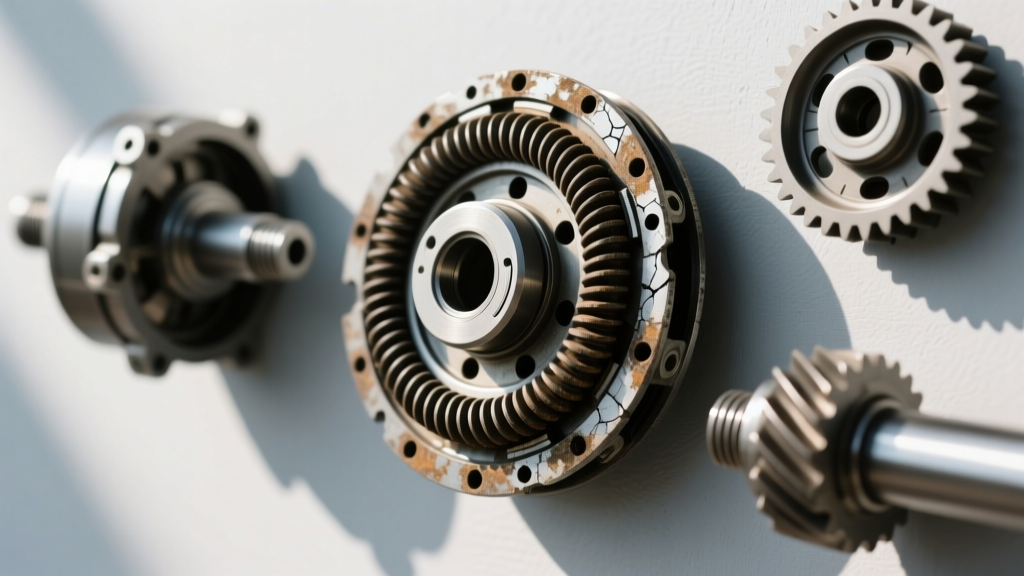
The Financial Reality of Hyundai DCT Comeback Repairs
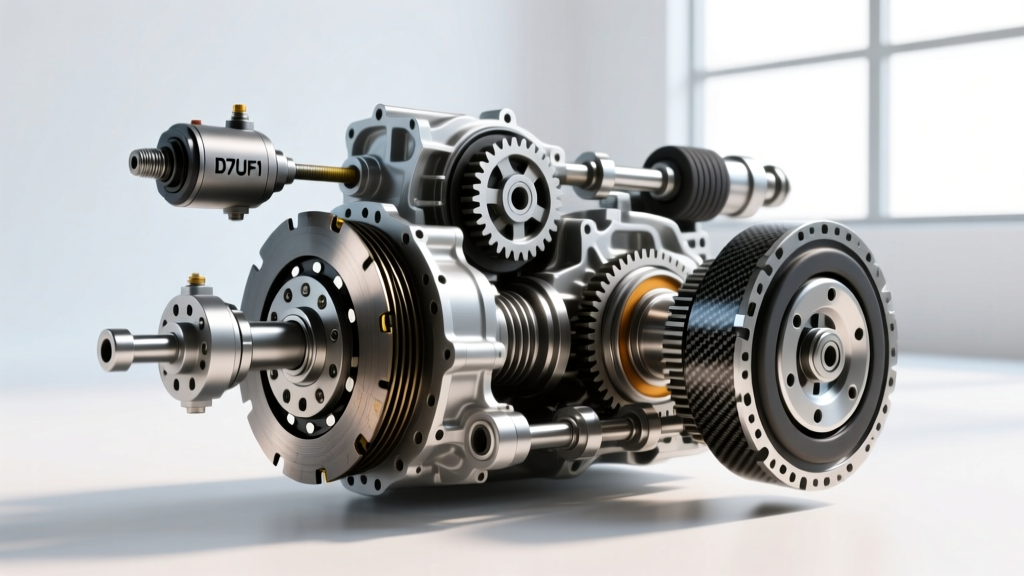
For automotive technicians and Hyundai owners alike, few scenarios are as frustrating as a transmission comeback. When hyundai dual clutch problems emerge immediately after a clutch replacement or major repair, the financial burden multiplies rapidly. The Hyundai/Kia D7UF1 7-speed dry dual-clutch transmission, found in popular models like the Veloster, Elantra, Sonata, and Tucson, is notorious for post-repair shudder, harsh engagement, and actuator failure. In 2026, with inflation affecting OEM parts pricing and specialized diagnostic labor rates climbing, understanding the true cost of fixing a botched DCT repair is critical for both shop owners and consumers.
This comprehensive cost analysis breaks down the exact failure modes that cause post-replacement issues, the specific OEM part numbers involved, precise torque specifications, and the real-world pricing matrix required to resolve these persistent drivetrain faults.
Primary Failure Modes & Post-Repair Cost Breakdown
When a D7UF1 transmission exhibits slipping, shuddering, or throws limp-mode codes within 500 miles of a clutch replacement, the root cause is rarely the friction material itself. Instead, it usually stems from improper calibration, ignored wear on secondary actuation components, or out-of-spec flywheel runout. Below is the 2026 average cost breakdown for resolving these specific post-repair failures.
| Post-Repair Failure Mode | Root Cause | Required OEM Part (Part Number) | Estimated Part Cost (2026) | Additional Labor Hours |
|---|---|---|---|---|
| Clutch Actuator Stuck / Overcurrent | Worn internal DC motor brushes or stripped plastic drive gears | Actuator Assy (43090-3F000) | $950 - $1,250 | 2.5 - 3.5 hrs |
| Severe Low-Speed Shudder | DMF runout exceeding 0.3mm or improper clutch touch-point calibration | Dual Mass Flywheel (23200-3F000) | $750 - $1,050 | 6.0 - 8.0 hrs (R&R) |
| Harsh Engagement / Clutch Slip | Worn clutch fork pivot ball causing incorrect release bearing preload | Pivot Ball (43331-3F000) & Fork | $45 - $120 | 1.0 - 1.5 hrs |
| GDS Calibration Failure | TCM software mismatch or faulty position sensor hall effect circuit | Sensor / TCM Flash | $150 - $300 (Dealer Fee) | 1.0 hr |
Why Do Hyundai Dual Clutch Problems Persist After Replacement?
To accurately estimate repair costs, we must diagnose why the initial repair failed. The D7UF1 dry DCT relies on two independent electromechanical actuators to engage the odd and even gear clutches. Unlike hydraulic systems, these brushless DC motor actuators use a complex gear reduction system to push the clutch forks.
The Hidden Culprit: Actuator Gear Wear and Motor Fatigue
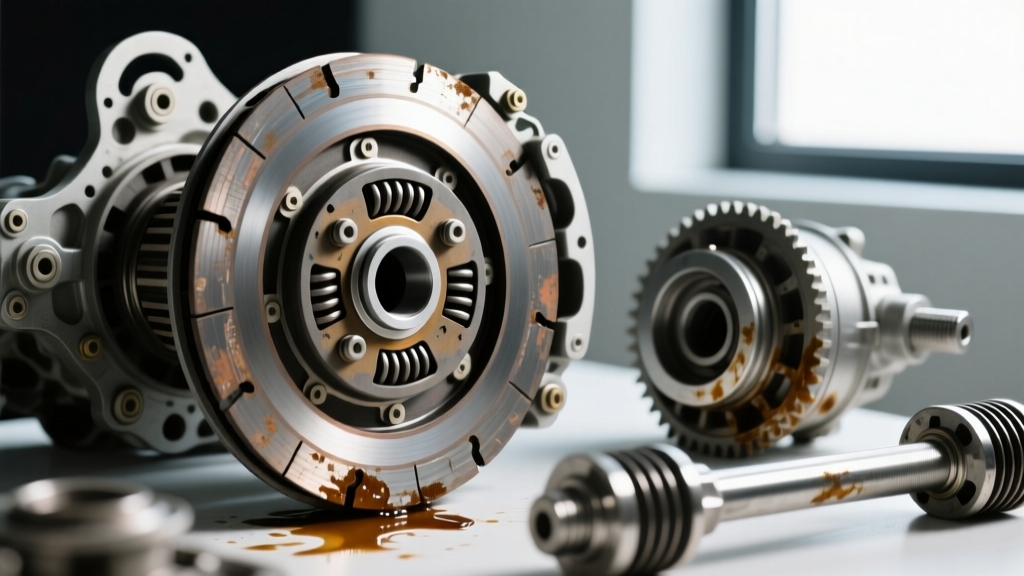
Many independent shops replace the dual-clutch kit (Part #41100-3F500) but reuse the original clutch actuators. If the original actuators have worn internal plastic reduction gears or fatigued electric motors, the new clutch pack will not be clamped with the correct hydraulic-equivalent force. This results in immediate micro-slippage, generating excessive heat that glazes the new friction material within weeks. Replacing a single OEM actuator assembly currently costs between $950 and $1,250 through RockAuto and dealer channels. Because both odd and even actuators experience similar wear profiles, best practice dictates replacing them as a paired set, pushing the parts cost for the actuation system alone past $2,000.
The Clutch Fork Pivot Ball: A $50 Part That Causes $2,000 Headaches
A highly specific, often overlooked cause of post-repair Hyundai dual clutch problems is the clutch fork pivot ball (Part #43331-3F000). Over time, the constant lateral friction wears a flat spot into the hardened steel ball. If a technician installs a brand-new clutch kit and actuator without replacing this $50 pivot ball, the actuator's 'touch-point' (the exact millimeter where the release bearing contacts the diaphragm spring) is physically altered. The TCM will attempt to compensate via the GDS calibration, but the mechanical disadvantage will eventually overheat the actuator motor, throwing DTC P0805 (Clutch Actuator Position Sensor Circuit) or P2783 (Clutch Actuator Temperature Too High).
2026 Price Matrix: OEM vs. Aftermarket DCT Components
When addressing a comeback repair, the temptation to use aftermarket components to save money is high. However, the D7UF1 is incredibly sensitive to friction material composition and damper spring rates. Below is a comparative analysis of OEM versus aftermarket pricing and viability for the 2026 repair market.
- Dual Mass Flywheel (DMF):
- OEM (Hyundai/Mobis): $850 - $1,050. Mandatory for warranty compliance and exact damper tuning.
- Aftermarket (LuK / Sachs): $600 - $800. LuK is the original equipment manufacturer for many Hyundai DMFs; purchasing the LuK-branded box saves ~20% with zero loss in quality.
- Cheap Import Alternatives: $250 - $400. Avoid entirely. Incorrect torsional dampening will destroy the transmission input shaft splines.
- Dual Clutch Friction Kit:
- OEM (Hyundai): $450 - $600.
- Aftermarket: $350 - $500. Acceptable only if sourced from premium tier-1 suppliers.
- Release Bearings & Forks:
- Always replace. OEM bearings run $80-$120 each. You need two (one for C1, one for C2).
Diagnostic Labor & GDS Calibration Costs
Hardware replacement is only half the battle. The Hyundai D7UF1 requires a mandatory 'Clutch Touch Point' calibration via the Hyundai Global Diagnostic System (GDS) after any clutch, flywheel, or actuator service. This procedure teaches the Transmission Control Module (TCM) the exact physical engagement points of the new hardware.
'Skipping the GDS touch-point calibration on a D7UF1 is like installing a new throttle body without an idle relearn. The TCM will rely on adaptive memory from the worn-out clutch, immediately over-stroking the new actuators and causing severe chatter or limp-mode engagement.' — Lead Drivetrain Diagnostician, iATN Technical Network
If an independent shop lacks the official Hyundai GDS software or the required Hyundai Tech Info subscription (which costs roughly $45 for a 3-day pass or $1,200 annually in 2026), they must sublet the calibration to a dealership. Dealership diagnostic and calibration fees typically range from $180 to $275. If the calibration fails due to mechanical binding or a faulty actuator position sensor, the shop eats the diagnostic time, which averages 1.5 hours at standard labor rates ($140-$190/hr).
Technical Specifications for a Bulletproof DCT Repair
To eliminate post-repair comebacks and protect your bottom line, technicians must adhere strictly to Hyundai's factory service specifications. Deviations in torque or measurement will result in immediate failure and voided parts warranties.
Critical Measurements & Torque Specs
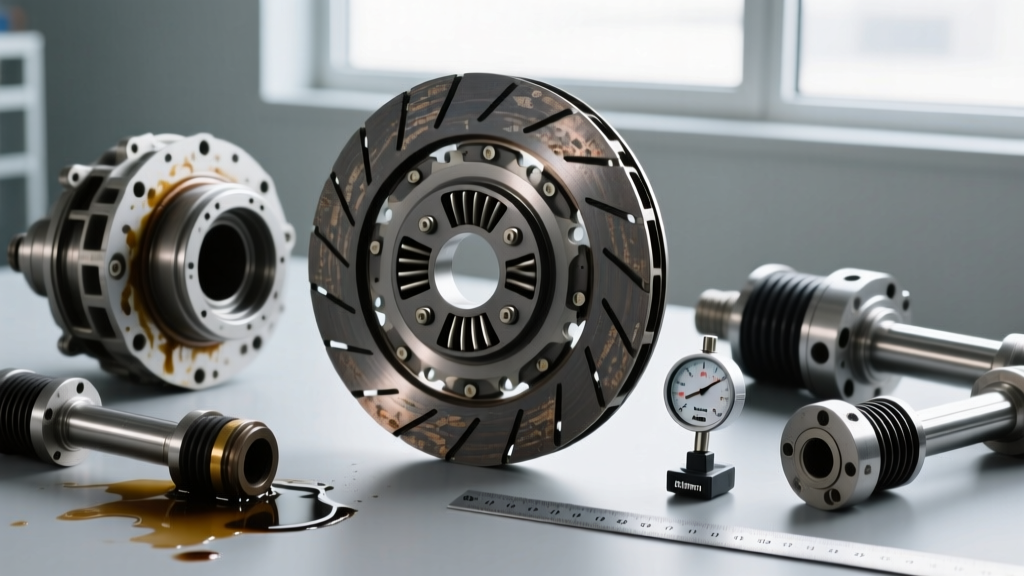
- DMF Runout Check: Before installing the new clutch pack, measure the dual mass flywheel face runout using a dial indicator. Maximum allowable runout is 0.3mm (0.0118 in). If it exceeds this, the DMF must be replaced, or the new clutch will warp and shudder under load.
- Flywheel-to-Crankshaft Bolts: Torque the new OEM flywheel bolts to 90 Nm (66 lb-ft) + an additional 90-degree turn. These are torque-to-yield (TTY) bolts and must never be reused.
- Clutch Pressure Plate Bolts: The clutch pack is secured to the DMF with M8 bolts. Torque these to 15 Nm (11 lb-ft) in a strict crisscross star pattern to ensure even diaphragm spring tension.
- Actuator Preload Adjustment: When installing the new actuators, ensure the pushrod is seated perfectly in the clutch fork dimple. The retaining nuts must be torqued to 10 Nm (7.3 lb-ft). Over-tightening will bind the actuator motor, causing immediate P0809 codes.
Cost Mitigation Strategy for Owners and Shops
If you are facing persistent hyundai dual clutch problems after a recent repair, do not immediately authorize a full transmission replacement. Follow this diagnostic hierarchy to minimize costs:
- Pull Live Data: Use an advanced bi-directional scanner to monitor 'Clutch 1 Stroke' and 'Clutch 2 Stroke' in millimeters. If the stroke values are erratic or maxed out, the issue is mechanical (worn fork/pivot ball) or actuator-related, not necessarily a failed clutch pack.
- Inspect the Pivot Ball: Drop the transmission inspection cover (if accessible) or pull the actuators to visually inspect the clutch fork pivot ball for flat-spotting. This $50 fix can sometimes resolve harsh engagement without removing the transmission.
- Force GDS Recalibration: Clear all adaptive values and force a fresh touch-point calibration. Ensure the battery maintainer is supplying a steady 13.5V+ during the procedure, as voltage drops will corrupt the TCM learning sequence.
Final Verdict on DCT Repair Economics
Resolving post-replacement Hyundai dual clutch problems requires a shift in mindset from traditional manual clutch repairs to precise electromechanical diagnostics. While the initial sticker shock of OEM actuators ($1,200+) and mandatory GDS calibrations can be daunting, cutting corners on secondary components like the pivot ball or flywheel hardware guarantees a costly comeback. By investing in premium LuK/OEM components, strictly adhering to the 90 Nm + 90° torque specs, and utilizing factory-level calibration tools, shops can deliver a permanent fix, and owners can restore the crisp, efficient shifting their Hyundai DCT was designed to deliver.