Understanding the Magic: How Torque Converters Work Explained
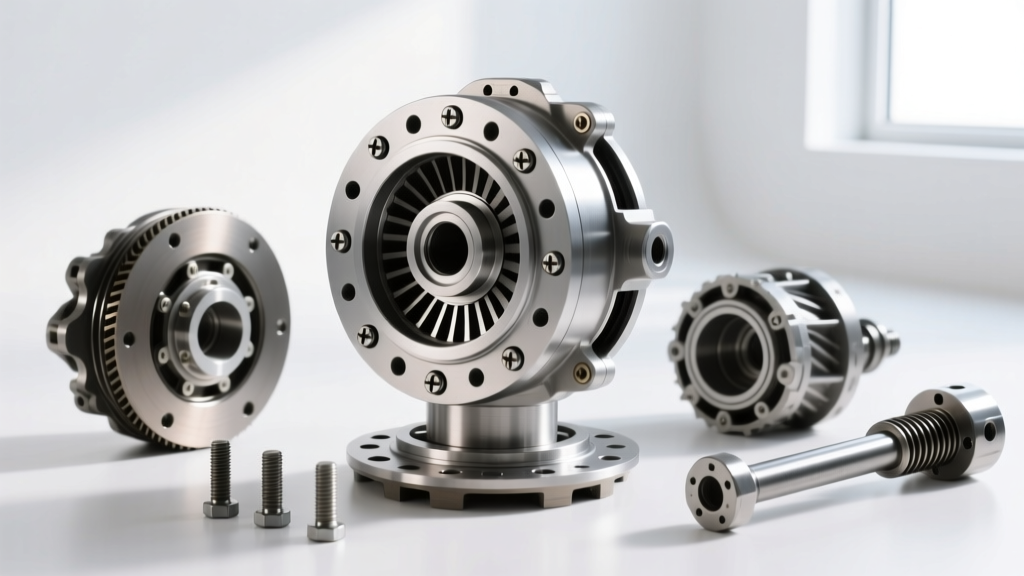
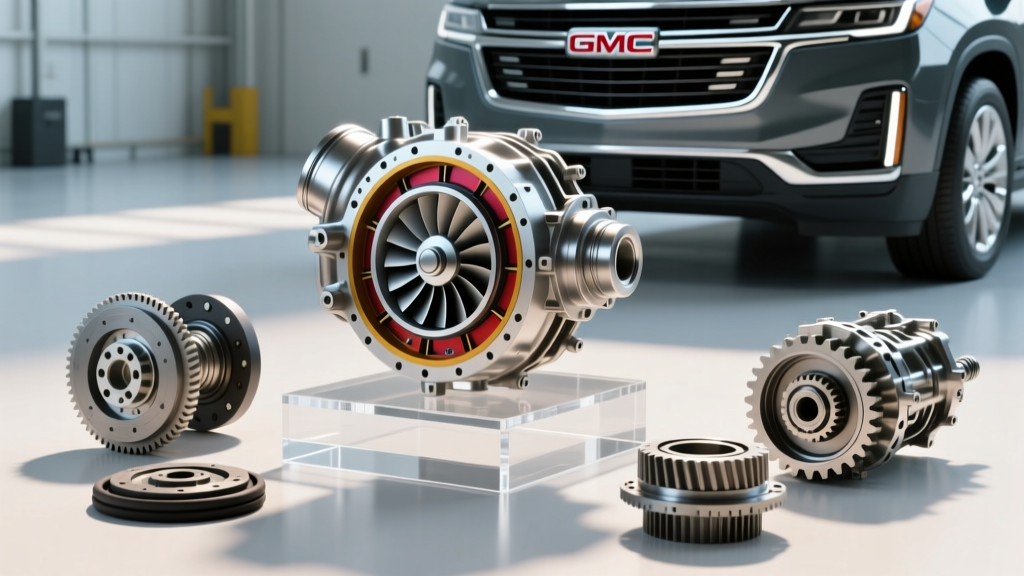
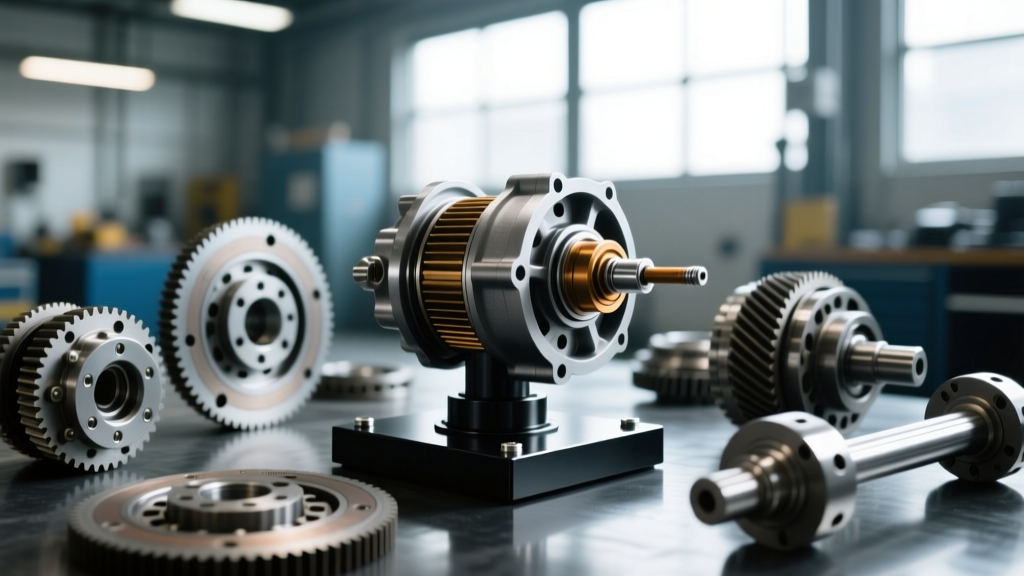
If you drive an automatic vehicle, the torque converter is the unsung hero sitting between your engine and transmission. Unlike a manual transmission that uses a mechanical friction clutch to connect and disconnect the engine from the gearbox, an automatic relies on fluid dynamics. To truly understand the signs of a bad torque converter solenoid, you first need to understand the mechanical and hydraulic symphony happening inside the converter bell housing.
At its core, a torque converter is a fluid coupling that transfers rotating power from the engine's flexplate to the transmission's input shaft. It performs three critical functions: it acts as a fluid clutch to allow the vehicle to stop while the engine is running, it multiplies engine torque during initial acceleration, and it serves as a hydraulic pump to supply pressurized Automatic Transmission Fluid (ATF) to the valve body.
The Internal Anatomy: Impeller, Turbine, and Stator
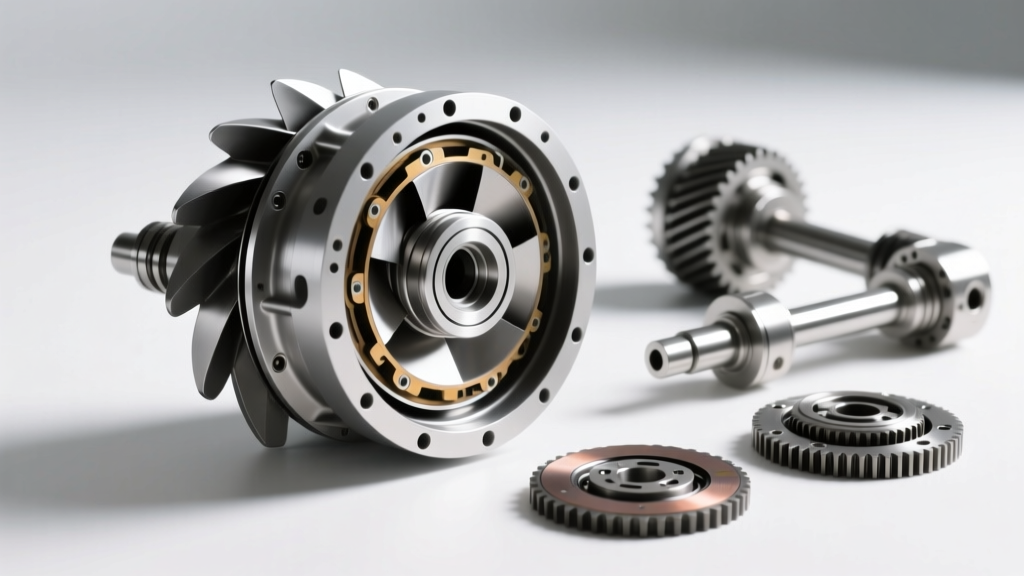
Inside the welded steel housing of the torque converter, you will find three primary components bathed in ATF:
- The Impeller (Pump): Bolted directly to the engine flexplate, the impeller spins at engine RPM. Its curved fins draw ATF from the center and fling it outward via centrifugal force, creating a high-velocity fluid stream.
- The Turbine: Connected to the transmission input shaft via splines, the turbine sits directly opposite the impeller. The high-velocity fluid striking the turbine's fins forces it to spin, thereby transferring power to the transmission gears.
- The Stator: The secret to torque multiplication. Sitting between the impeller and turbine on a one-way sprag clutch, the stator catches the returning, spent fluid from the turbine and redirects it back into the impeller. This redirection prevents the fluid from fighting the impeller's rotation, effectively multiplying engine torque by a ratio of 2.0:1 to 2.5:1 during hard acceleration from a stop.
The Role of the Torque Converter Clutch (TCC) Solenoid
While fluid coupling is great for smooth stop-and-go driving, it inherently creates 'slip.' This slip generates massive amounts of heat and reduces fuel efficiency at highway speeds. To solve this, engineers introduced the Torque Converter Clutch (TCC). The TCC is a friction-lined piston inside the converter that physically locks the turbine to the impeller cover, creating a direct 1:1 mechanical connection.
This is where the torque converter solenoid comes into play. Controlled by the Transmission Control Module (TCM), the TCC solenoid is an electro-hydraulic valve. When you reach cruising speeds (usually between 35 and 50 mph in higher gears), the TCM pulses the solenoid. This routes pressurized ATF into the TCC apply circuit, clamping the friction material against the converter cover and eliminating slip. According to Sonnax transmission engineering resources, modern Pulse Width Modulated (PWM) solenoids can apply the TCC with microscopic precision, allowing for 'slip-controlled' lockup even at low RPMs to improve fuel economy without causing engine lugging.
Top Signs of a Bad Torque Converter Solenoid
When the TCC solenoid fails electrically, or when its internal hydraulic spool valve gets stuck due to clutch material debris, the transmission loses its ability to manage lockup. Here are the most common symptoms drivers experience in 2026:
1. The Infamous 'Converter Shudder'
This is the hallmark symptom. As you cruise at 35-50 mph in overdrive, the vehicle will violently vibrate, feeling exactly like you are driving over highway rumble strips. This happens when a failing PWM solenoid cannot properly modulate TCC apply pressure, causing the clutch to rapidly engage and disengage (micro-slipping). While degraded ATF lacking friction modifiers can also cause shudder, a faulty solenoid is a primary mechanical culprit.
2. Engine Stalling at Idle (TCC Stuck ON)
If the solenoid valve sticks in the open position, or if electrical debris shorts the circuit, the TCC may remain mechanically locked. When you come to a stop at a red light, the engine remains physically connected to the stopped wheels. Just like forgetting to press the clutch pedal in a manual car, the engine will bog down and stall.
3. RPM Flares and Poor Fuel Economy (TCC Stuck OFF)
Conversely, if the solenoid is clogged or electrically dead, the TCC will never apply. You will notice your RPMs sitting 200-400 RPM higher than normal at 65 mph. Because the engine is constantly slipping against the fluid coupling, you will see a noticeable drop in fuel economy (often 2-4 MPG) and higher transmission fluid temperatures.
4. Check Engine Light and Limp Mode
The TCM constantly monitors the RPM difference (slip speed) between the engine and the transmission input shaft. If the commanded slip does not match the actual slip, it triggers a fault. You can reference the OBD-Codes P0740 Database for detailed circuit schematics, but common codes include:
| OBD2 Code | Definition | Primary Symptom | Probable Cause |
|---|---|---|---|
| P0740 | TCC Circuit Malfunction | Shudder, No Lockup | Open/Short in solenoid wiring |
| P0741 | TCC Performance / Stuck Off | Highway RPM Flare, Overheating | Clogged solenoid screen, worn TCC clutch |
| P0742 | TCC Stuck On | Stalling at stops, harsh engagement | Stuck solenoid spool valve, cross-leaks |
| P0743 | TCC Circuit Electrical | Limp Mode, No Lockup | Failed solenoid coil, damaged harness |
Real-World Repair Costs and Specifications (2026 Data)
Diagnosing and replacing a bad torque converter solenoid varies wildly depending on your transmission architecture. Here is a breakdown for three of the most common automatic transmissions on the road today.
GM 4L60E / 4L65E (Classic Rear-Wheel Drive)
The 4L60E uses a simple, standalone TCC solenoid located on the valve body. It is highly accessible for DIY mechanics.
- Part Number: ACDelco 214-1893 (OEM) or Standard Motor Products TCS45.
- Part Cost: $25 - $45.
- Fluid & Filter: Requires dropping the pan. You will need a Fel-Pro OS 30713 pan gasket ($25) and roughly 5 quarts of Dexron VI ATF ($40).
- Torque Specs: Pan bolts are small (M6 thread) and easily stripped. Torque to exactly 11 Nm (8 lb-ft). Valve body TCC solenoid retaining bolt: 10 Nm.
- Total Shop Cost: $250 - $350 (assuming 1.5 hours of labor at standard 2026 rates).
GM 6L80 / 6L90 (Modern Trucks and Performance Cars)
The 6L80 is a 6-speed unit that integrates all solenoids and the TCM into a single unit called the TEHCM (Transmission Electro-Hydraulic Control Module). If the internal TCC PWM solenoid fails, you often cannot replace just the solenoid; you must replace or professionally rebuild the entire TEHCM.
- Part Number: ACDelco 24253040 (Complete TEHCM Assembly).
- Part Cost: $350 - $550.
- Programming: The new TEHCM must be flashed with the vehicle's specific calibration via a GM MDI2 or equivalent J2534 pass-through tool. This adds $100-$150 in shop fees.
- Fluid Capacity: A standard pan drop yields about 6 quarts of Dexron ULV (Ultra Low Viscosity) fluid. Do NOT use older Dexron VI, as it will cause immediate TCC shudder.
- Total Shop Cost: $800 - $1,200.
ZF 8HP (BMW, FCA/Stellantis, Audi)
The legendary ZF 8-speed uses a highly complex Mechatronic unit where the TCC solenoid is pressed into the mechatronic valve body housing. While some specialized shops can press out and replace the individual ZF TCC solenoid (Part # 1068.032.015, ~$80), most dealerships require a full Mechatronic replacement.
- Part Number: ZF 1068.020.011 (Complete Mechatronic Unit).
- Part Cost: $1,500 - $2,200.
- Fluid: Requires ZF LifeguardFluid 8. The 8HP uses a specialized plastic pan with an integrated filter and a unique fill procedure involving a fluid level check plug torqued to 12 Nm while the fluid is between 30°C and 50°C.
- Total Shop Cost: $2,500 - $3,800.
Diagnostic Advice for the DIYer
Before throwing parts at a suspected bad torque converter solenoid, rule out the basics. In 40% of 'TCC Shudder' cases diagnosed at independent shops, the root cause is not a failed solenoid, but rather severely degraded ATF or the wrong fluid type. Modern PWM solenoids rely on exact fluid viscosity and specific friction modifier packages to apply the clutch smoothly.
Use an advanced bi-directional OBD2 scanner to command the TCC solenoid ON and OFF while monitoring the 'TCC Slip Speed' PID. If the scanner commands 100% duty cycle, but the slip speed remains above 50 RPM at highway speeds, you have either a hydraulically stuck solenoid, a cross-leak in the valve body stator support tube, or the friction material inside the torque converter has completely worn away. In the latter case, no amount of solenoid replacements will fix the issue; the torque converter itself must be cut open, rebuilt, or replaced, followed by a complete transmission flush to remove the contaminating clutch debris.