The Rise of DCT in Powersports: A Beginner's Guide
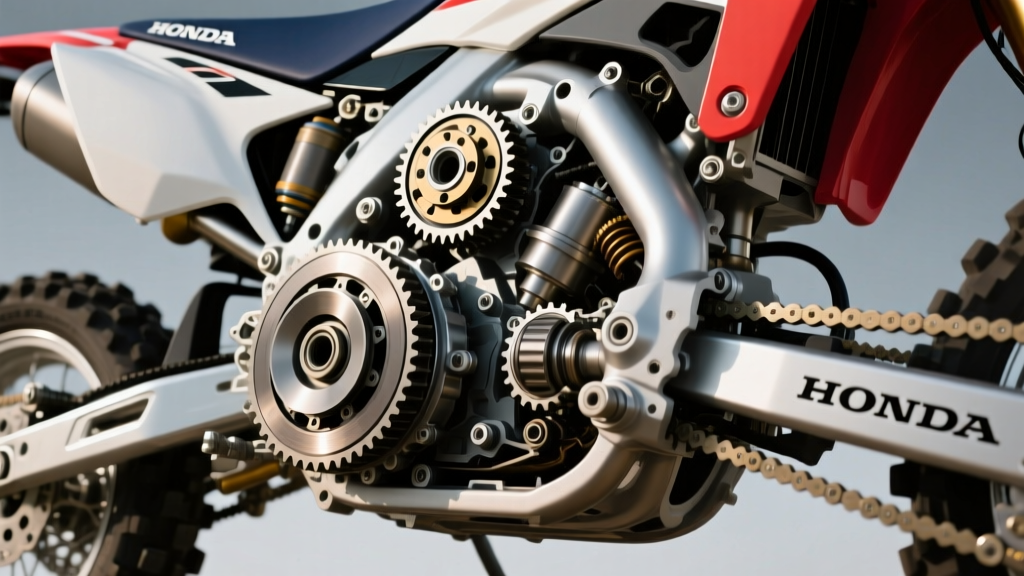
When you think of a dual-clutch transmission (DCT), you might picture high-performance sports cars. However, over the last decade, the powersports industry—led almost entirely by Honda—has aggressively adopted this technology for off-road and on-road use. From the Africa Twin CRF1100L and Gold Wing motorcycles to the Pioneer 1000 and Foreman Rubicon ATVs/UTVs, the DCT has revolutionized how we ride. But with complex electro-hydraulic systems come unique failure points.
If you are a beginner transitioning from a traditional manual clutch or a standard torque-converter automatic, understanding dual clutch transmission issues specific to motorcycles and ATVs is critical. Unlike cars, powersports DCTs are subjected to extreme mud, water submersion, high-RPM clutch slipping in rock-crawling scenarios, and severe thermal loads. This guide breaks down how these systems work, the most common symptoms of failure, and the exact diagnostic steps to get you back on the trail.
How Motorcycle and ATV DCTs Actually Work
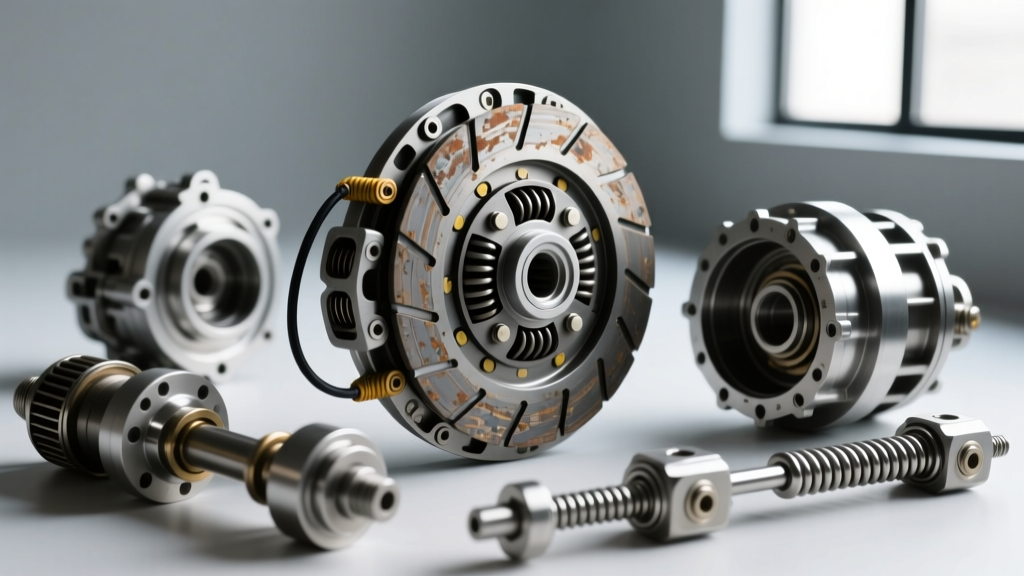
To diagnose a problem, you first need to understand the architecture. A powersports DCT is essentially two manual transmissions housed in a single case, operating in an oil bath (wet clutches). One clutch pack controls the odd gears (1, 3, 5), while the other controls the even gears (2, 4, 6).
Instead of a rider pulling a lever, a hydraulic pump driven by the engine pressurizes linear solenoids. These solenoids actuate the clutch pistons and move the shift forks. Because the next gear is always pre-selected on the inactive clutch shaft, shifts happen in milliseconds without interrupting power to the rear wheels or tracks. However, this reliance on hydraulic pressure, electronic sensors, and friction materials creates specific vulnerabilities when pushed to the limits off-road.
Top 4 Dual Clutch Transmission Issues on the Trail
1. Low-Speed Shudder and Jerky Engagement
The Symptom: When creeping forward in technical terrain or pulling away from a stoplight, the ATV or motorcycle violently shudders, surges, or feels like it is 'stumbling'.
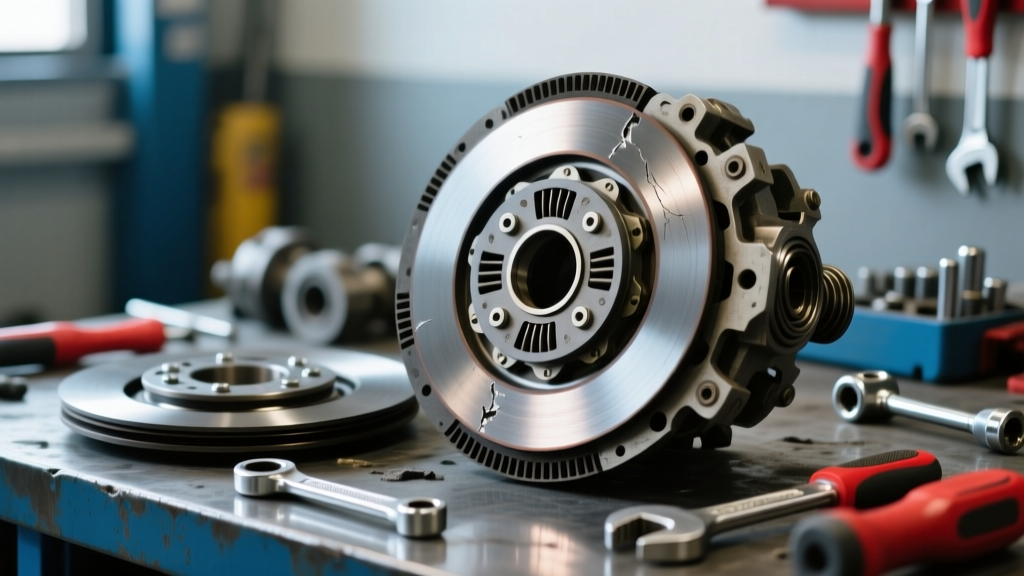
The Cause: This is the most common of all dual clutch transmission issues in powersports. It is usually caused by clutch glazing or degraded friction modifiers in the transmission fluid. When riders 'feather' the throttle at low speeds without fully engaging the gear (often called 'riding the friction zone'), the wet clutch plates slip excessively. This generates localized heat, baking the oil into a varnish-like glaze on the friction disks. It can also occur if non-JASO T 903 MA2 compliant oil was used, which lacks the necessary friction modifiers for wet clutches.
The Fix: Perform a complete fluid flush using OEM-specified oil. In many cases, you must also connect the dealer-level MCS (Motorcycle Communication System) diagnostic tool to perform a 'Clutch Relearn' or 'Touch Point Calibration' procedure, which resets the ECU's baseline for clutch engagement.
2. Shift Spindle Motor Failure (Stuck in Neutral)
The Symptom: The vehicle refuses to shift out of neutral, or it gets stuck in a single gear. The dashboard MIL (Malfunction Indicator Lamp) flashes.
The Cause: The shift spindle motor is the electric actuator that physically rotates the shift drum to change gears. On ATVs like the Pioneer 1000, this motor is mounted low on the engine case. Water crossings, deep mud packing, and pressure washing can compromise the motor's O-ring seals, leading to internal corrosion and binding.
The Fix: If the MIL blinks a specific DTC (Diagnostic Trouble Code) like Code 25 (Shift Spindle Motor malfunction), the motor must be replaced. The part (e.g., Shift Spindle Motor Assembly #24210-HL3-A01) typically costs between $400 and $550. When replacing it, always clean the mating surface on the crankcase and apply a fresh bead of Honda Bond HT or equivalent liquid gasket to prevent future water ingress.
3. Overheating and 'Limp Mode' in Mud or Rocks
The Symptom: During slow, high-load crawling or mud bogging, a temperature warning light illuminates, and the transmission restricts RPMs or limits gear selection (Limp Mode).
The Cause: A DCT does not have a fluid-coupling torque converter to multiply torque at low speeds; it relies on physically slipping the wet clutch packs to keep the engine from stalling. Slipping the clutch under heavy load generates massive amounts of heat. If the internal oil temperature sensor detects thresholds exceeding roughly 140°C (284°F), the ECU triggers limp mode to prevent the clutch packs from welding together or the hydraulic fluid from boiling.
The Fix: This is an operational issue rather than a mechanical failure. Beginners must learn to use the 'L' (Low) range or manual mode to lock the vehicle in 1st gear, minimizing the ECU's need to slip the clutch. If the fluid has boiled, a flush is mandatory, as the hydraulic properties of the oil are permanently compromised.
4. Input/Output Shaft Speed Sensor Faults
The Symptom: Erratic shifting, sudden neutral drops, or a flashing check engine light.
The Cause: The DCT ECU calculates shift timing by comparing the rotational speed of the input shaft (engine side) and output shaft (driveshaft side). If metal shavings from normal wear accumulate on the magnetic pickup of these sensors, or if the wiring harness chafes against the frame, the ECU receives conflicting data and aborts the shift to protect the gearbox.
The Fix: Pull the speed sensors (usually located on the top or side of the transmission case) and wipe them clean with a lint-free cloth and isopropyl alcohol. Inspect the wiring loom for brittle insulation. If cleaning fails, replace the sensor (typically $40-$80 per sensor).
DCT Maintenance Specifications and Data
Proper maintenance is the single best defense against dual clutch transmission issues. Using automotive transmission fluid or standard gear oil will destroy a powersports DCT. You must use oils formulated for shared sump wet-clutch systems. Below are the critical specifications for two of the most popular DCT platforms on the market.
| Vehicle Platform | Required Fluid Type | DCT Fluid Capacity | Drain Bolt Torque | Filter Part Number |
|---|---|---|---|---|
| Honda Pioneer 1000 (UTV) | Honda GN-4 10W-30 (JASO MA) | 3.2 US qt (3.0 L) | 24 N·m (18 lb-ft) | 25410-HL3-A01 |
| Honda Africa Twin CRF1100L (DCT) | Honda GN-4 10W-40 (JASO MA) | 4.2 US qt (4.0 L) Total | 24 N·m (18 lb-ft) | 25410-MKS-G01 |
| Honda Gold Wing GL1800 (DCT) | Honda GN-4 10W-40 | 4.4 US qt (4.2 L) | 24 N·m (18 lb-ft) | 25410-MKC-J00 |
Note: Always replace the crush washer on the drain bolt (Part #94109-12000) and torque the DCT filter cover bolts to exactly 12 N·m (9 lb-ft) to avoid cracking the aluminum housing.
Beginner's Guide to Reading MIL Blink Codes
Unlike modern cars that require an OBD2 scanner to read basic codes, Honda powersports DCTs feature a built-in visual diagnostic system via the MIL (Malfunction Indicator Lamp) on the dash. When a fault occurs, the light will blink in a specific pattern to tell you exactly what failed.
- How to Count: A long blink (lasting about 1.5 seconds) equals 10. A short blink (lasting about 0.5 seconds) equals 1. For example, one long blink followed by five short blinks equals Code 15.
- Code 11 & 12: Shift spindle motor angle sensor faults. Check the wiring connector at the motor for mud or corrosion.
- Code 15 & 16: Output shaft speed sensor faults. Clean the sensor magnet or check for damaged stator wiring.
- Code 25: Shift spindle motor failure. The motor is either binding mechanically or has suffered internal electrical failure.
- Code 52: Clutch hydraulic system malfunction. This indicates a failure in the linear solenoid valves or a severe loss of hydraulic pressure due to a blown O-ring on the clutch piston.
For deeper electrical diagnostics and live-data monitoring, you will need access to Honda's proprietary software. Many independent shops and advanced DIYers utilize aftermarket diagnostic tools capable of reading powersports CAN-bus systems, but for clutch touch-point recalibrations, the dealer MCS tool remains the gold standard. You can find comprehensive wiring diagrams and factory service procedures in the Honda Powersports Owner Manuals database.
Real-World Troubleshooting Workflow
If your ATV or motorcycle exhibits DCT symptoms, follow this exact triage sequence before throwing expensive parts at the machine:
- Check the Fluid Level and Condition: Do this with the engine idling and the transmission in Neutral on level ground. If the fluid smells burnt or looks metallic, internal clutch pack wear has occurred. A full teardown and clutch pack replacement (approx. $600-$900 in parts, plus 6-8 hours of labor) will be required.
- Read the Blink Codes: Turn the key to the 'ON' position and observe the dash. Write down the codes and cross-reference them with the factory service manual.
- Inspect External Linkage and Sensors: The DCT relies on external sensors to know what the chassis is doing. Ensure the bank angle sensor is mounted securely (a loose sensor will cut fuel and lock the transmission if it thinks the bike has crashed). Check the shift spindle motor for physical impact damage from trail debris.
- Evaluate Riding Habits: If you frequently ride deep mud or slow technical rocks in 'Drive' (D) mode, you are forcing the ECT to constantly slip the clutch. Switch to Manual mode and lock the gear to eliminate this thermal stress.
Final Thoughts on DCT Reliability
While the complexity of a dual-clutch system can be intimidating to beginners, the reality is that modern powersports DCTs are remarkably robust when maintained correctly. The vast majority of dual clutch transmission issues stem from operator error (overheating via clutch slip) or neglected fluid intervals rather than catastrophic mechanical design flaws. By understanding the hydraulic and electronic symbiosis of your machine, carrying a spare shift spindle motor O-ring, and strictly adhering to JASO-MA fluid specifications, your DCT will deliver hundreds of thousands of flawless shifts on the trail. For extensive community-driven teardowns and reliability data, the ADV Rider Honda DCT Reliability Thread remains an invaluable, crowdsourced resource for owners.