The Engineering Reality: Honda CRV's 'Limited Slip' Rear Differential
When enthusiasts and owners search for information regarding a traditional limited-slip differential (LSD) in the Honda CRV, they are often met with conflicting forum advice. To understand the Honda CRV rear differential fluid change cost and maintenance requirements, we must first clarify the engineering reality of Honda's all-wheel-drive architecture. Unlike trucks equipped with mechanical clutch-pack LSDs (like the Ford 8.8-inch) or Torsen gear-driven units, the Honda CRV utilizes an on-demand torque-vectoring system.
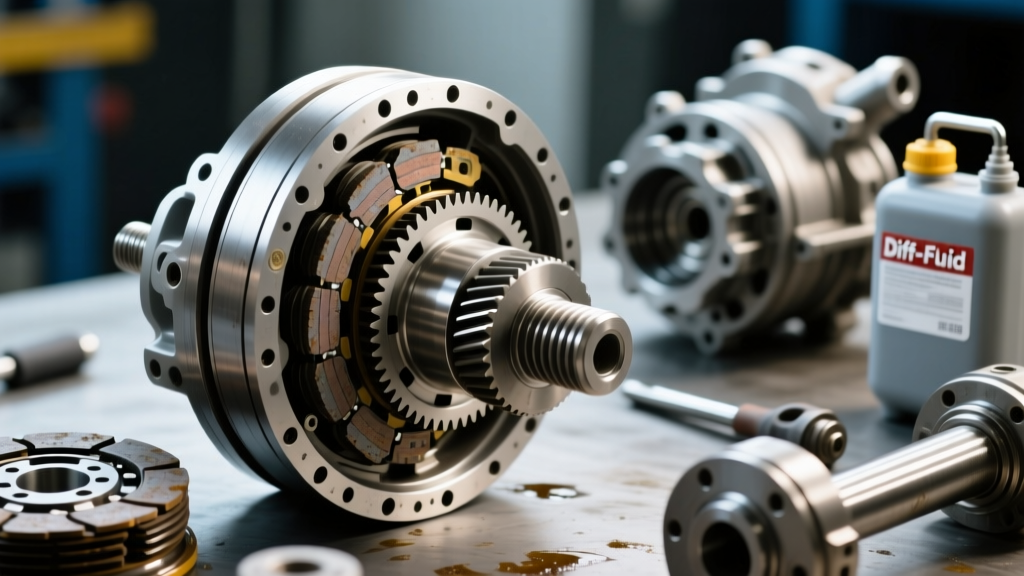
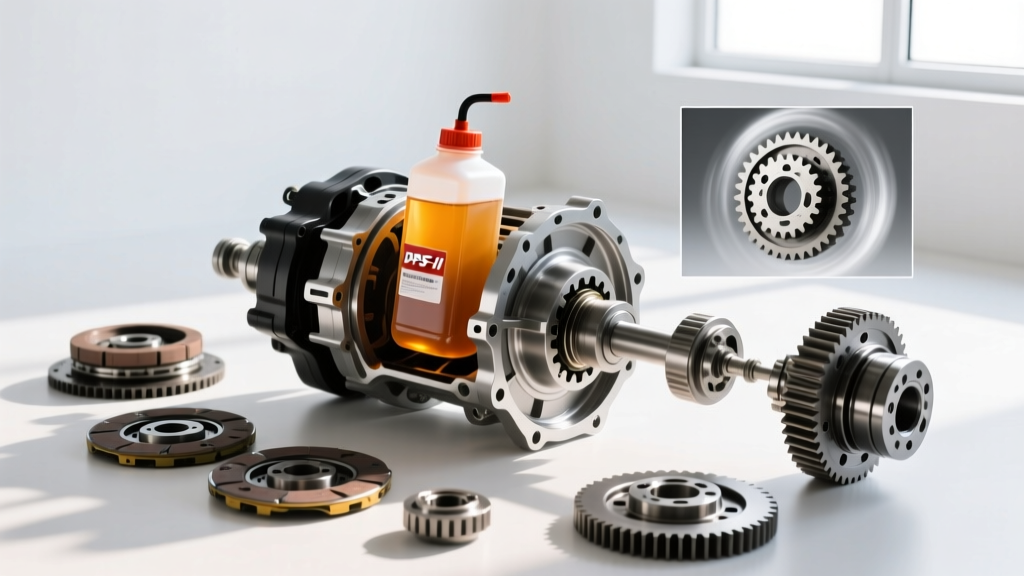
For the highly prevalent 3rd and 4th generation models (2007–2016), this is known as the Real Time AWD Dual Pump System. While it does not use a conventional mechanical LSD, the rear differential houses a wet hydraulic clutch pack that functions as an electronically and hydraulically actuated limited-slip device. When front wheel slip is detected, hydraulic pressure engages the clutch pack, effectively 'locking' the rear axle to the driveshaft and biasing torque rearward. Because this system relies entirely on the shear stability and friction modifiers of the fluid to prevent clutch chatter, using standard 75W-90 GL-5 hypoid gear oil will rapidly destroy the unit.
2026 Honda CRV Rear Differential Fluid Change Cost Breakdown
The cost to service the rear differential on a Honda CRV is relatively low compared to traditional solid-axle trucks, primarily because the fluid capacity is small and the system does not require the addition of aftermarket limited-slip friction modifier additives (the modifiers are already precisely blended into the OEM fluid). Below is the current 2026 pricing landscape for this service.
| Service Tier | Estimated Cost (2026) | Parts & Fluids Used | Warranty & Reliability Notes |
|---|---|---|---|
| Dealership Service | $95 – $145 | OEM DPSF-II, OEM Crush Washers | Guaranteed correct fluid; highest labor rate. |
| Independent Mechanic | $70 – $110 | OEM or Equivalent AWD Fluid | Verify they do NOT use generic 75W-90 gear oil. |
| DIY Driveway Service | $28 – $38 | 1 Qt. OEM DPSF-II, 2x 20mm Washers | Requires 3/8' square drive and torque wrench. |
How the Real Time AWD Dual-Pump System Operates
To comprehend why the Honda CRV rear differential fluid change cost is a mandatory maintenance item rather than a 'lifetime' suggestion, you must understand the hydraulic mechanics at play. The Dual Pump system consists of two hydraulic pumps: one driven by the front wheels (via the transfer case) and one driven by the rear wheels (via the rear differential).
Hydraulic Clutch Engagement vs. Mechanical LSD
In a straight line on dry pavement, both pumps spin at the same speed, generating equal hydraulic pressure. The system remains in a neutral state, sending zero torque to the rear wheels. However, when the front wheels lose traction and spin faster than the rear wheels, a hydraulic pressure differential is created. This pressure differential forces a hydraulic piston to clamp the wet multi-plate clutch pack inside the rear differential.
This clamping action transfers torque to the rear wheels, mimicking the behavior of a locking differential. The specialized Honda Dual Pump Fluid II (DPSF-II) is engineered with highly specific friction modifiers that allow the clutch plates to engage smoothly. If the fluid degrades due to shear stress, thermal breakdown, or moisture contamination, the friction modifiers fail. The clutch plates will then grab and release erratically, resulting in the infamous 'CRV rear diff groan' or shudder during low-speed, tight-radius turns.
Step-by-Step Technical Service Procedure (Gen 3 & Gen 4)
Servicing the Real Time AWD rear differential is straightforward but requires strict adherence to OEM torque specifications and fluid protocols. The system holds a remarkably small amount of fluid, meaning even minor contamination heavily impacts performance.
Required OEM Parts and Tools
- Fluid: Honda Dual Pump Fluid II (DPSF-II) - Part # 08200-9003. (Capacity: 1.1 Quarts / 1.04 Liters for a standard drain and fill).
- Hardware: Two 20mm Aluminum Crush Washers - Part # 94109-20000.
- Tools: 3/8-inch square drive ratchet (for the plug removal), torque wrench, fluid transfer pump, and a wire brush for cleaning the magnetic drain plug.
Critical Torque Specifications and Clearances
Both the drain and fill plugs on the Honda CRV rear differential utilize a 3/8-inch square drive, which is designed to prevent over-torquing by limiting the leverage of standard breaker bars. However, when reinstalling, you must use a calibrated torque wrench.
- Drain Plug Torque: 33 lb-ft (44 Nm)
- Fill Plug Torque: 33 lb-ft (44 Nm)
- Thread Pitch Warning: Do not cross-thread the aluminum housing. Start the plugs by hand. If you are servicing a later Gen 5 (2017+) model with the Intelligent Control System, verify your specific VIN on Honda Parts Now, as some newer electro-hydraulic units utilize an 18mm hex plug and require a different AWD-specific fluid profile.
Diagnosing Rear Differential Groan and Shudder
If you are researching the Honda CRV rear differential fluid change cost because your vehicle is exhibiting a low-speed groaning noise or a binding sensation from the rear axle during parking maneuvers, the clutch pack is likely experiencing friction starvation.
Expert Diagnostic Tip: The 'Figure-8' Test
To isolate rear differential clutch chatter from CV axle or steering rack issues, find an empty, dry, paved parking lot. Turn the steering wheel to full lock and drive the vehicle in a tight figure-8 pattern at 3–5 MPH. If you feel a rhythmic binding, skipping, or hear a distinct groaning from the rear, the DPSF-II fluid has lost its shear stability. In 90% of cases, performing two back-to-back fluid drain-and-fills (driving for 10 miles between changes to flush the clutch pack cavities) will completely resolve the issue without requiring a mechanical rebuild.
Ignoring this symptom will eventually lead to the clutch pack welding itself together or burning out the friction material, resulting in a permanently locked rear axle or a completely inoperative AWD system. For deep-dive service manuals and technical service bulletins (TSBs) related to AWD clutch pack degradation, certified technicians should consult the Honda TechInfo portal. Additionally, owner communities such as the CR-V Owners Club maintain extensive archives of fluid analysis reports confirming the rapid depletion of phosphorus and zinc anti-wear additives in DPSF-II after 30,000 miles of mixed driving.
Final Thoughts on Drivetrain Maintenance
The Honda CRV's on-demand limited-slip equivalent is a marvel of hydraulic packaging, but it is entirely dependent on the chemical integrity of its fluid. By budgeting the minimal Honda CRV rear differential fluid change cost every 30,000 to 45,000 miles, you preserve the microscopic friction modifiers that keep the Real Time AWD system engaging seamlessly. Always reject quick-lube shops that offer to 'top off' your rear diff with generic gear oil; the chemical incompatibility will force a complete system flush and potentially necessitate a $1,500+ clutch pack replacement.