The Lifespan Divide: Passenger Cars vs. Commercial Fleets
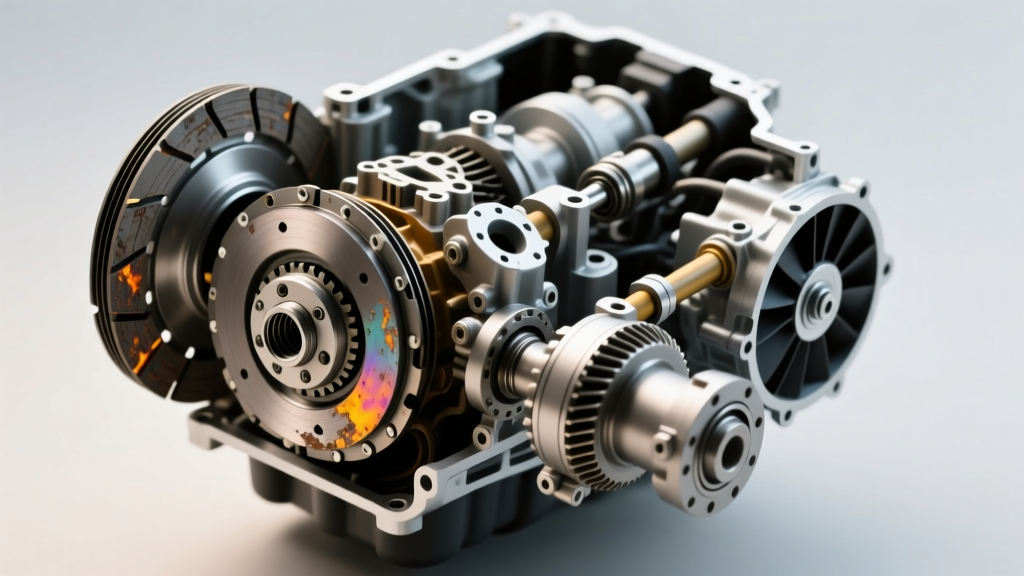
When everyday drivers ask how long does a clutch last in a car, the standard automotive answer is typically between 60,000 and 100,000 miles. However, applying passenger vehicle metrics to the commercial trucking sector is a fundamental misunderstanding of heavy-duty drivetrain engineering. In the realm of Class 8 semi-trucks, vocational vehicles, and heavy-haul fleets, clutch systems are engineered for massive torque loads, extreme thermal cycling, and million-mile service intervals.
As we navigate the 2026 commercial landscape, the shift toward high-efficiency powertrains—like the Detroit DD15 and Cummins X15—has drastically altered clutch diagnostics and upgrade paths. This guide bridges the gap between standard automotive clutch life and heavy-duty commercial realities, offering performance upgrade strategies and precise diagnostic frameworks for fleet technicians and owner-operators.
Lifespan & Cost Matrix: Cars vs. Heavy-Duty Trucks
| Vehicle Class | Typical Clutch Configuration | Expected Lifespan | Average Replacement Cost |
|---|---|---|---|
| Compact/Midsize Car | Single-plate organic (8.5" - 10") | 60,000 - 100,000 miles | $800 - $1,500 |
| Heavy-Duty Pickup (F-350/Ram 3500) | Single/Twin-plate organic/ceramic (12" - 13") | 80,000 - 150,000 miles | $1,200 - $2,800 |
| Class 8 Semi (Manual - Eaton Fuller) | 15.5" Twin-plate Solo (Organic/Ceramic) | 350,000 - 600,000 miles | $3,500 - $5,500 |
| Class 8 Semi (AMT - Volvo I-Shift) | Automated single/twin-plate (Kevlar/Ceramic) | 600,000 - 1,000,000+ miles | $4,000 - $7,000 (Requires ECU recalibration) |
Heavy-Duty Clutch Failure Modes & Advanced Diagnostics
Diagnosing a slipping or chattering clutch in a commercial vehicle requires looking far beyond the friction disc. Heavy-duty systems utilize complex pneumatic and hydraulic actuation networks, and failure often originates in the peripherals rather than the friction material itself.
1. Clutch Brake Degradation & Squeeze Issues
Unlike passenger cars, heavy-duty manual transmissions (such as the Eaton Fuller Road Ranger FRO-16210C) utilize a clutch brake. This component stops the input shaft from spinning when the pedal is fully depressed, allowing the driver to engage first gear from a standstill without grinding.
- Diagnostic Symptom: Truck grinds when shifting into first or reverse from a dead stop, but shifts smoothly while rolling.
- Measurement Spec: The clutch brake 'squeeze' (the distance the release bearing travels to compress the clutch brake against the transmission input bearing retainer) must be precisely 1.5 to 2.0 inches. If free travel exceeds this, the clutch brake cannot engage.
- Fix: Adjust the clutch linkage or replace the worn clutch brake disc (often a $40-$80 part, but requires dropping the transmission if inaccessible through the inspection cover).
2. Release Bearing & Actuation System Failures
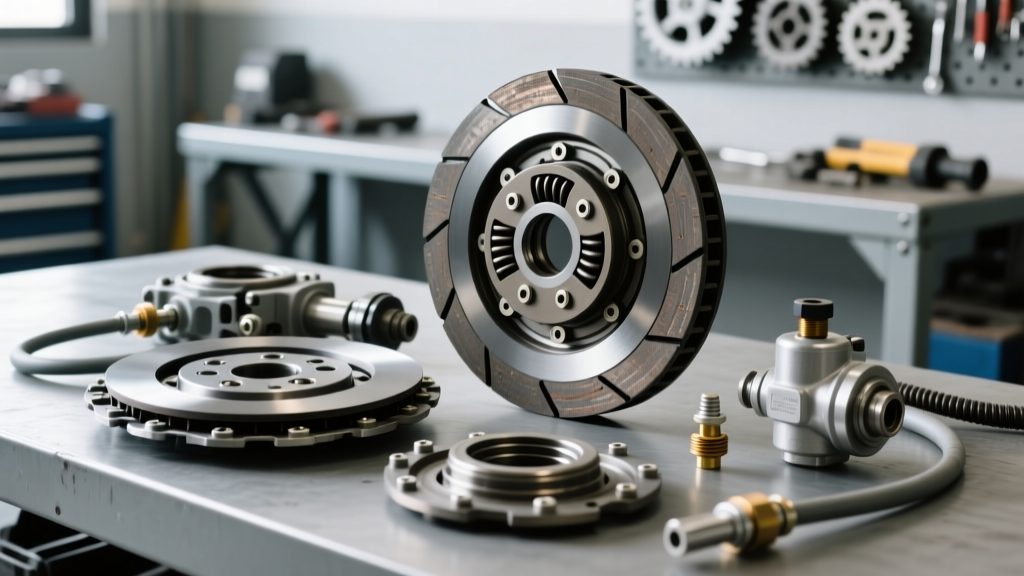
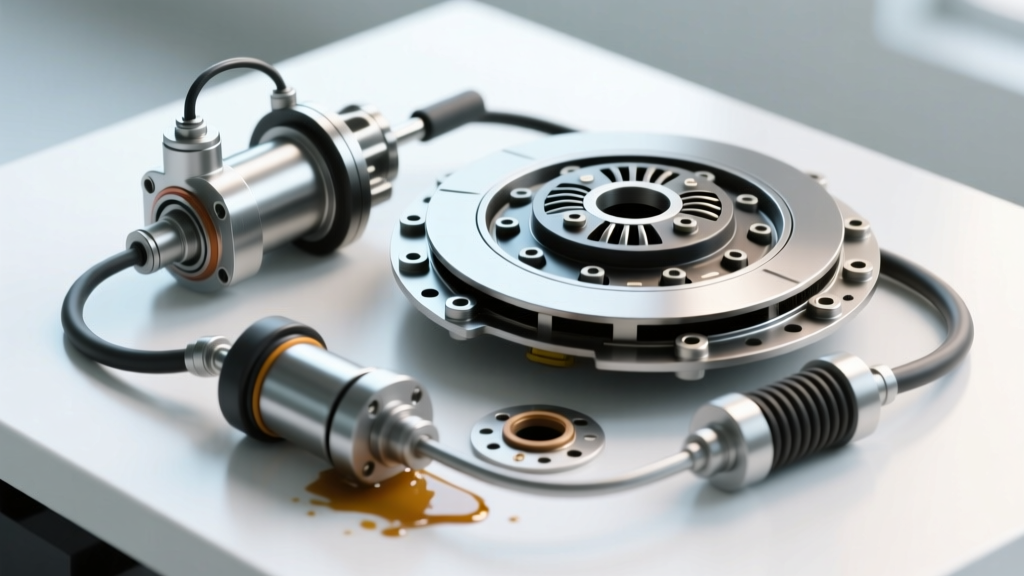
Modern commercial trucks use hydraulic or pneumatic-assisted clutch actuation. A failing clutch master cylinder or a leaking concentric slave cylinder (CSC) will result in incomplete disengagement.
- Diagnostic Symptom: Pedal feels 'spongy' or drops to the floor; inability to shift under load.
- Upgrade Path: Upgrade from OEM plastic hydraulic lines to braided stainless steel hydraulic lines to prevent expansion under high-heat vocational conditions. Always bleed the system using high-temp DOT 4 or OEM-specified synthetic hydraulic fluid.
3. Friction Material Glazing and Spline Wear
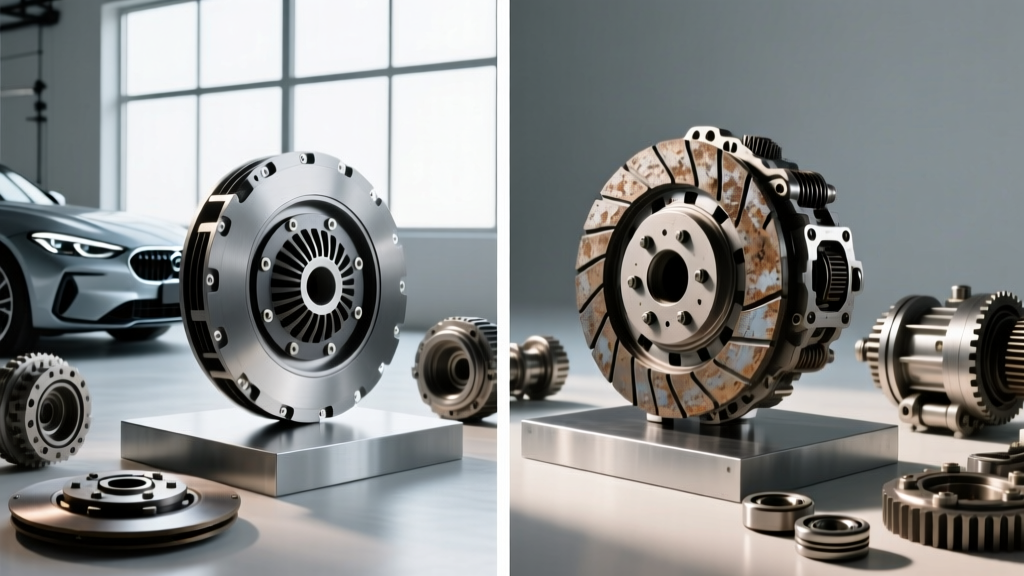
In high-torque applications (e.g., 2,050 lb-ft from a tuned Cummins X15), organic friction materials can easily glaze or shatter under shock loads. Furthermore, the input shaft splines can develop 'lugs' or wear ridges, preventing the disc from sliding freely.
Expert Diagnostic Tip: Never assume a heavy-duty clutch is slipping solely due to worn friction material. A restricted exhaust system or a failing turbocharger can cause severe power loss that mimics clutch slip. Always verify engine torque output via the ECM before authorizing a $4,500 transmission drop.
Performance Upgrades: Spec'ing the Right Friction Material
When replacing a commercial clutch, simply swapping an OEM organic disc for another organic disc is a missed opportunity for performance and longevity upgrades. According to Eaton's commercial clutch engineering guidelines, matching the friction material to the specific vocational duty cycle is critical for maximizing uptime.
Organic vs. Ceramic vs. Sintered Iron
- Full Organic (e.g., Eaton Solo Organic Twin-Plate): Best for highway line-haul. Provides smooth engagement, absorbs driveline shock, and protects the transmission input shaft. Lifespan: 400k - 600k miles.
- Ceramic Button (e.g., 15.5" Twin-Plate Ceramic): Designed for heavy-haul, logging, and vocational trucks. Ceramic buttons handle immense thermal loads and resist slipping under high torque. However, engagement is aggressive and can transmit shock to the driveline. Lifespan: 600k - 800k miles.
- Sintered Iron: The ultimate upgrade for extreme heavy-haul and drag-racing commercial applications. Capable of holding 2,200+ lb-ft of torque without fading. Requires precise pedal modulation and is not recommended for standard stop-and-go delivery routes due to harsh engagement.
Precision Installation: Torque Specs & Calibration
Installing a heavy-duty clutch requires strict adherence to torque specifications. An improperly torqued 15.5-inch pressure plate will warp under thermal expansion, leading to premature release bearing failure and severe driveline vibration.
Standard Class 8 Installation Specs (Eaton Solo 15.5" Twin-Plate)
| Component | Fastener Size | Torque Specification | Installation Note |
|---|---|---|---|
| Flywheel to Crankshaft | M16 / 5/8" Grade 8 | 120 - 140 lb-ft | Use thread locker; torque in a star pattern. |
| Pressure Plate to Flywheel | M10 / 3/8" Grade 8 | 35 - 45 lb-ft | Must use alignment tool; tighten evenly to avoid warping. |
| Release Bearing to Fork | Retainer Clips/Bolts | 25 - 30 lb-ft | Ensure bearing spins freely without lateral play. |
| Bellhousing to Engine Block | M12 / 1/2" | 75 - 85 lb-ft | Check bellhousing runout (Max 0.005") to prevent input shaft wear. |
Actuation System Recalibration (AMT Systems)
If you are upgrading or replacing the clutch on an Automated Manual Transmission (AMT) like the ZF TraXon or Volvo I-Shift, physical installation is only half the battle. The Transmission Control Module (TCM) must undergo a clutch touch-point recalibration. Failing to run the OEM diagnostic software (e.g., Volvo Tech Tool) to reset the clutch wear parameters will result in the AMT applying incorrect hydraulic pressure, instantly burning up the new friction material or causing violent shifting.
Final Verdict: Maximizing Drivetrain Uptime
Understanding how long a clutch lasts in a car versus a commercial truck highlights the incredible engineering required to move 80,000-pound loads across the country. While a passenger car clutch is a wear item replaced every few years, a properly spec'd and maintained heavy-duty clutch is a long-term drivetrain asset.
For fleet managers and performance enthusiasts upgrading heavy-duty pickups or vocational trucks, moving to ceramic or sintered iron friction materials, upgrading hydraulic actuation lines, and strictly adhering to flywheel and pressure plate torque specs will ensure your drivetrain survives the most punishing torque curves on the market. Always reference the latest Cummins X15 torque specifications and OEM service manuals before beginning any heavy-duty clutch teardown.