High-Torque Actuation: From Heavy Touring to Class 8 Commercial Fleets
When managing high-torque applications—whether you are maintaining a fleet of Class 8 commercial trucks or servicing heavy-touring motorcycles and trikes—clutch actuation reliability is paramount. In 2026, the shift toward Automated Manual Transmissions (AMTs) in commercial sectors and hydraulic systems in heavy motorcycles has reduced daily maintenance, but introduced complex failure modes when components degrade under extreme Gross Combined Weight (GCW) loads. Fleet mechanics and heavy-duty technicians frequently encounter severe clutch drag, slippage, and actuation failure, prompting a common, highly specific question from touring and trike fleet managers: can a Harley hydraulic clutch be converted to manual cable actuation to eliminate hydraulic failure points?
This guide bridges the gap between heavy-duty commercial vehicle clutch diagnostics and high-torque motorcycle actuation conversions. We will explore the mechanical realities of converting hydraulic systems to manual linkages, diagnose catastrophic clutch problems in heavy commercial trucks (like Eaton Fuller and ZF Sachs platforms), and provide exact torque specifications and diagnostic frameworks for high-torque environments.
Can a Harley Hydraulic Clutch Be Converted to Manual?
Harley-Davidson transitioned its heavy-touring lineup (Road Glide, Electra Glide, Street Glide) to hydraulic clutch actuation starting in the 2007 model year. While this reduced lever pull force and eliminated the need for cable adjustments, the hydraulic slave cylinders and internal pushrod mechanisms are notorious for failing under the extreme heat and vibration of heavy-duty applications, such as police fleet bikes, heavy trikes, and commercial touring rigs pulling 1,500+ lb trailers.
The short answer is yes, a Harley hydraulic clutch can be converted to a manual cable system, but it requires significant mechanical intervention and carries distinct trade-offs for heavy-duty use.
The Conversion Process and Heavy-Duty Implications
To revert a 2007-and-later hydraulic touring model to a manual cable setup, you must replace the hydraulic primary cover with a pre-2007 mechanical cable actuator cover. This involves:
- Primary Cover Swap: Removing the hydraulic slave cylinder assembly and installing a mechanical ramp-and-ball or lever-actuated primary cover.
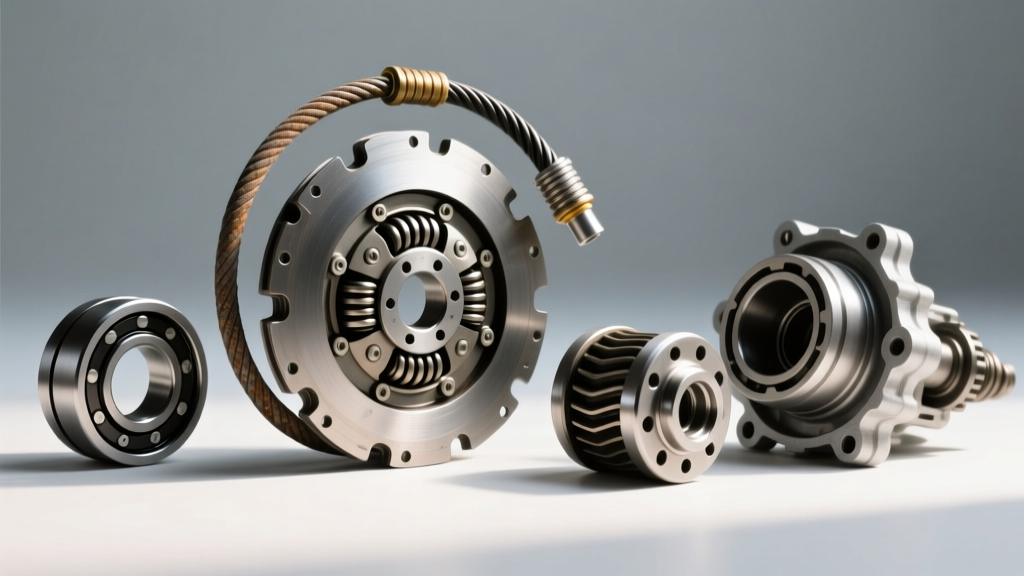
- Cable Routing: Routing a heavy-duty mechanical cable (such as those from Barnett Clutch Cables) from the primary cover to the handlebar lever.
- Clutch Pack Upgrades: Because manual cables require higher physical pull force, heavy-duty trikes often require upgrading to a high-torque clutch spring pack (e.g., 300 lb/in springs) to prevent slippage under commercial loads.
Expert Verdict for Fleet Use: While converting to a manual cable eliminates hydraulic fluid leaks and slave cylinder blowouts, it drastically increases lever pull force. For heavy-duty commercial trikes or police fleet bikes, the hydraulic system is generally preferred due to rider fatigue over long shifts. If you must convert, utilize a braided stainless-steel cable with a Teflon inner liner to minimize friction and stretch under high-torque 114+ cubic-inch engines.
Diagnosing Clutch Problems in Heavy-Duty Commercial Vehicles
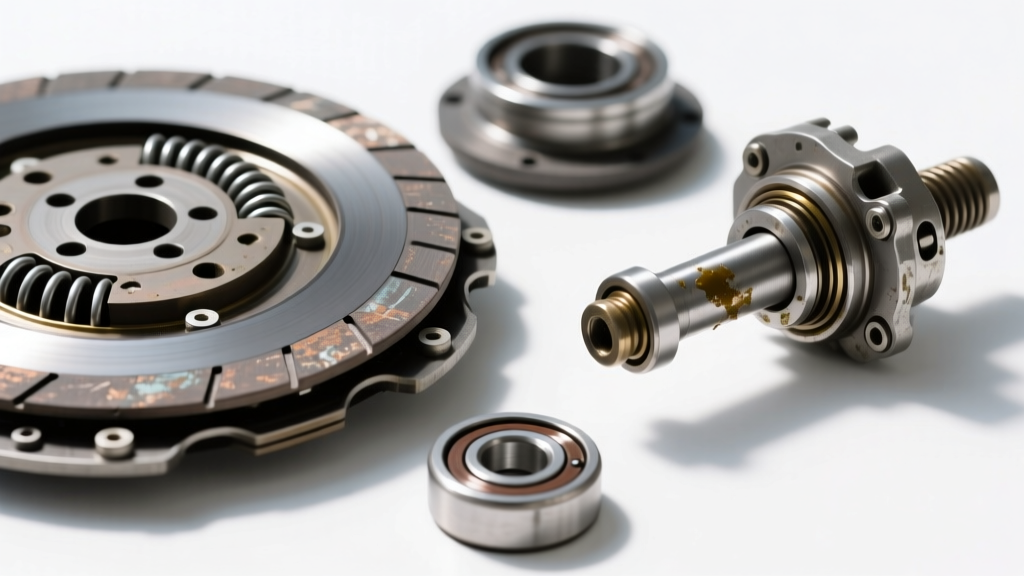
Shifting focus to Class 8 commercial trucks, clutch problems manifest differently due to the massive scale of the drivetrain. Heavy-duty trucks utilize 14-inch to 17-inch multi-plate clutches (such as the Eaton Fuller Solo or ZF Sachs Twin Plate) designed to handle 1,650 to 2,250 lb-ft of engine torque. When these systems fail, the symptoms can halt a fleet and cost thousands in downtime.
1. Clutch Brake Failure and Gear Clash
In heavy-duty commercial transmissions (like the Eaton Fuller 18-speed manual), the clutch brake is a critical component located at the rear of the clutch housing. Its purpose is to stop the transmission input shaft when the clutch pedal is fully depressed to the firewall, allowing for smooth gear engagement from a standstill.
- Symptom: Severe gear clash or grinding when attempting to engage first gear or reverse from a dead stop, but smooth shifting while rolling.
- Root Cause: The clutch brake is worn, or the hydraulic assist system has air in the lines, preventing the pedal from reaching the firewall and fully engaging the clutch brake.
- Diagnostic Check: Measure the 'clutch brake squeeze.' According to Roadranger (Eaton) Drivetrain Resources, the distance between the clutch pedal and the firewall when the clutch brake fully engages should be between 3/8-inch and 1/2-inch. If the gap is larger, the clutch brake is worn out or the linkage is out of adjustment.
2. Release Yoke and Cross-Shaft Wear
Heavy-duty mechanical and hydraulic-assist linkages rely on a release yoke and cross-shaft to actuate the clutch. Over hundreds of thousands of miles, the bushings and wear pads degrade.
- Symptom: A rhythmic 'chirping' or 'squealing' noise that changes pitch with engine RPM, accompanied by a vibrating clutch pedal.
- Root Cause: The release yoke wear pads have worn through, causing metal-on-metal contact with the clutch housing, or the cross-shaft needle bearings have failed.
- Fix: Replace the yoke wear pads. When reinstalling the cross-shaft, torque the retaining bolts to OEM specifications (typically 70-90 lb-ft for heavy-duty bell housing components) and apply high-temperature molybdenum grease to the pivot points.
3. Hydraulic Assist System Aeration and Leaks
Unlike passenger vehicles, Class 8 trucks use an air-over-hydraulic or purely hydraulic assist system to multiply the driver's pedal force. Fluid degradation and seal failure are the leading causes of clutch drag in commercial fleets.
Troubleshooting Air in the Lines: If the pedal feels 'spongy' and the clutch drags (making shifts difficult while rolling), the hydraulic fluid has likely absorbed moisture or air has entered the master cylinder. Commercial fleets must bleed the system using a pressure bleeder set to 15-20 PSI, utilizing DOT 3 or DOT 4 heavy-duty synthetic brake fluid, ensuring the master cylinder reservoir never drops below the fill line during the process.
Actuation Systems Comparison: Heavy-Duty Applications
Understanding the pros and cons of different actuation systems is vital when diagnosing failures or planning conversions for heavy-duty and commercial platforms.
| Actuation Type | Typical Application | Common Failure Modes | Maintenance Interval |
|---|---|---|---|
| Hydraulic (Self-Adjusting) | Harley Touring, Light/Medium Duty Trucks | Slave cylinder leaks, fluid aeration, master cylinder seal failure. | Fluid flush every 2 years / 50k miles. |
| Manual Cable (Mechanical) | Classic Motorcycles, Custom Trikes, Older Commercial | Cable stretch, fraying, housing binding, lever fatigue. | Adjust freeplay every 5k miles; replace every 30k. |
| Pneumatic / Air-Over-Hydraulic | Class 8 Heavy-Duty Trucks (Eaton, ZF) | Air line leaks, hydraulic aeration, clutch brake wear. | Inspect linkage every PM service (15k-25k miles). |
| AMT (Automated Manual) | Modern Commercial Fleets (2020+) | Sensor failures, actuator motor burnout, software mapping errors. | Sealed for life; requires proprietary diagnostic software. |
Advanced Troubleshooting & Torque Specifications
When performing deep diagnostics or rebuilding heavy-duty clutch assemblies, precision is non-negotiable. Improper torque on high-torque drivetrain components leads to catastrophic harmonic failures.
Harley-Davidson Heavy Touring / Trike Specs
- Primary Chaincase Cover Bolts: 84-108 in-lbs (use a star pattern to prevent warping the aluminum housing, which causes fluid leaks and pushrod misalignment).
- Clutch Hub Nut: 70-80 ft-lbs (with red Loctite 271). Note: If converting from hydraulic to manual, ensure the new mechanical actuator ramp is properly seated against the pushrod before torquing.
- Pushrod Freeplay: When setting up a manual cable conversion, maintain exactly 1/16-inch to 1/8-inch freeplay at the lever to prevent the clutch from slipping under heavy commercial trike loads.
Class 8 Commercial Truck Specs (Eaton Fuller Solo)
- Release Bearing Clearance: The Solo clutch requires a strict 1/2-inch clearance between the release bearing and the clutch brake when the pedal is released. Failure to maintain this gap causes the bearing to ride on the clutch brake, leading to rapid destruction of both components.
- Bell Housing to Engine Block: 120-150 lb-ft (Grade 8 bolts). Misalignment here causes input shaft vibration and premature pilot bearing failure.
- Clutch Fork Pivot Ball Stud: 40-50 lb-ft. Always inspect the pivot ball for flat-spotting; a worn ball alters the actuation geometry, resulting in incomplete clutch disengagement.
Final Diagnostics for Fleet Managers and Technicians
Whether you are deciding if a Harley hydraulic clutch can be converted to manual for a heavy-duty trike application, or diagnosing a fleet of Class 8 trucks experiencing clutch drag, the underlying principles of high-torque actuation remain the same. Hydraulic systems offer superior force multiplication and rider/operator comfort but introduce fluid-based failure points. Manual and mechanical systems offer raw reliability and easier field repairs but demand higher physical input and frequent adjustment.
Always rely on precise measurement—such as the 3/8 to 1/2-inch clutch brake squeeze on commercial trucks or exact primary cover torque specs on touring motorcycles—rather than 'feel.' By adhering to OEM diagnostic frameworks and understanding the mechanical limits of your actuation system, you can drastically reduce drivetrain downtime and extend the service life of heavy-duty clutch components well past the 500,000-mile mark in commercial fleets.