The Evolution of the Big Twin Clutch System
Harley-Davidson’s wet, multi-plate clutch systems have evolved significantly from the early Evolution engines to the current Milwaukee-Eight (M-8) 114ci and 117ci powerplants. As of 2026, factory CVO and performance models are pushing well past 130 lb-ft of torque at the crank. This massive torque output places unprecedented stress on the primary drivetrain, making the selection of the right harley clutch parts critical for reliability. When a clutch begins to fail, it rarely happens without warning. Symptoms like slipping under hard acceleration, a gritty lever feel, or an inability to find neutral at a stoplight are all indicators of specific mechanical breakdowns. This diagnostic buyer's guide bridges the gap between identifying root cause failure modes and selecting the exact OEM or aftermarket components required to fix them permanently.
Diagnostic Matrix: Harley Clutch Failure Modes & Root Causes
Before purchasing replacement components, you must accurately diagnose the failure mode. Installing new friction plates will not fix a notched basket, and a heavier diaphragm spring will not compensate for warped steel plates. Use the matrix below to cross-reference your symptoms with the correct mechanical intervention.
| Symptom | Root Cause Analysis | Required Intervention & Part Type |
|---|---|---|
| Slipping under heavy load / high RPM | Glazed friction surfaces, degraded primary fluid, or fatigued diaphragm spring losing clamp load. | Replace friction pack (Kevlar/Carbon) and upgrade diaphragm spring. |
| Clutch drag / Creeping at stoplights | Warped steel separator plates, notched inner hub/basket tangs preventing plate disengagement. | Replace steels, machine or replace inner hub and outer basket. |
| Grinding noise when pulling clutch lever | Failed throw-out bearing, worn clutch release ramp, or inadequate primary chain alignment. | Install billet throw-out bearing and inspect release mechanism. |
| Lever pulsation / 'Chatter' on engagement | Uneven clutch pack wear, contaminated primary oil (coolant or fuel dilution), or warped steels. | Flush primary, inspect steels for bluing, replace friction pack. |
| Sudden complete loss of drive | Stripped inner hub splines, sheared mainshaft key, or broken compensator sprocket. | Complete teardown; replace hub, mainshaft, and compensator assembly. |
Buyer's Guide: Comparing Top Harley Clutch Parts for 2026
When sourcing replacement components, riders are generally split between Genuine Harley-Davidson OEM, Screamin' Eagle performance parts, and premium aftermarket manufacturers like Barnett and AIM Corporation. Here is how the top options compare for addressing specific failure modes.
Friction Plates: Organic vs. Kevlar vs. Carbon Fiber
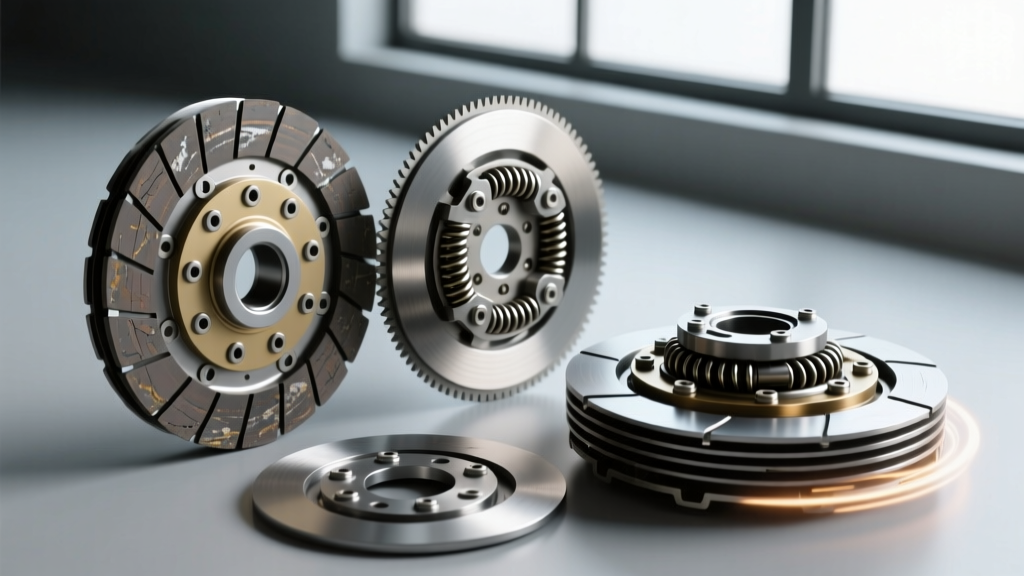
The friction material dictates the clutch's bite point, heat tolerance, and lifespan. OEM Harley plates (typically organic or Kevlar-blend depending on the year) are designed for smooth, progressive engagement suited for stock touring applications. However, when pushed by heavy touring loads, exhaust upgrades, or aggressive riding, OEM plates can glaze and slip.
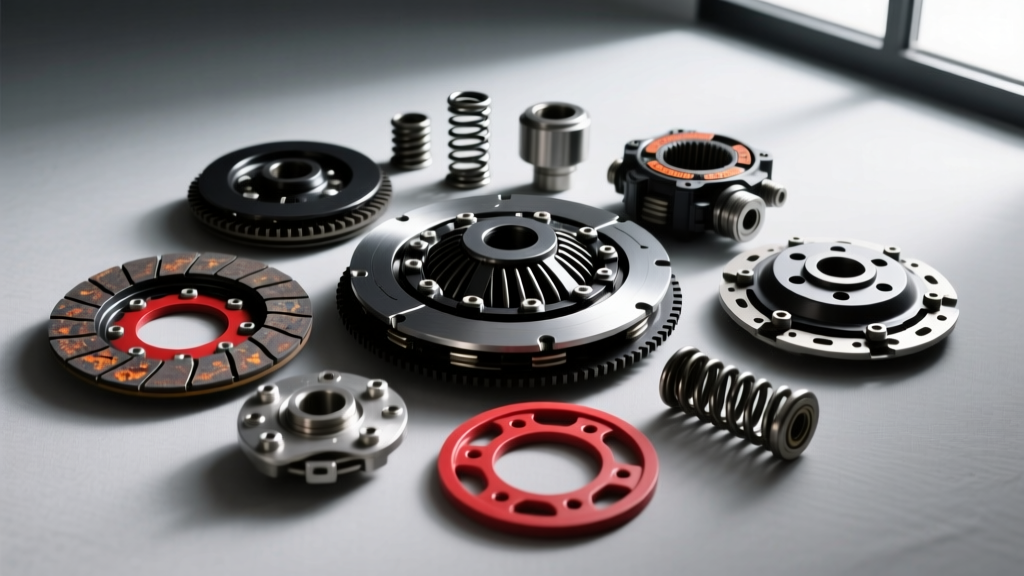
Barnett Kevlar Friction Packs: Barnett is widely considered the gold standard for heavy-duty Harley clutch replacements. Their Kevlar-faced plates (Part #301-30-10022 for late-model M-8 Touring) offer a significantly higher coefficient of friction and exceptional heat resistance. Unlike carbon fiber, which can be overly aggressive and cause chatter at low speeds, Kevlar provides a firm but manageable engagement. Expect to pay around $220 to $260 for a complete Barnett friction pack. According to Barnett Tool & Engineering, their Kevlar plates require a specific break-in procedure (typically 20-30 miles of moderate riding) to seat properly against the steel plates and prevent premature glazing.
Screamin' Eagle Heavy Duty Clutch Pack: Priced around $180, the Screamin' Eagle option is a step up from base OEM but generally falls short of Barnett in terms of ultimate torque capacity. It is a solid choice for Stage 1 or Stage 2 builds that do not exceed 110 lb-ft of torque.
Diaphragm Springs & Clamp Load Upgrades
The diaphragm spring is the heart of the clutch's clamping force. Over time, heat cycling and constant compression cause the spring to 'sag' or fatigue, resulting in a slipping clutch even if the friction plates have plenty of material left. The standard OEM diaphragm spring (Part #42530-90C) is rated for stock torque outputs.
For riders experiencing slip on modified M-8 engines, upgrading to a high-tensile aftermarket diaphragm spring or a reinforced clutch pressure plate is mandatory. Barnett offers reinforced spring kits that increase clamp load by up to 15% without making the clutch lever unbearably heavy. If you are running a big bore kit (117ci or 124ci), you may need to pair a high-load spring with an adjustable pushrod to maintain proper lever free-play (typically 1/16 to 1/8 inch at the lever blade).
Inner Hubs and Outer Baskets: Eliminating Notching
Clutch drag and the inability to find neutral are almost always caused by 'notching.' This occurs when the aluminum tangs of the inner clutch hub and outer basket wear grooves from the repeated impact of the steel and friction plates. When the plates catch in these grooves, the clutch cannot fully disengage, even when the lever is pulled to the grip.
While OEM replacement hubs and baskets are cast aluminum and prone to repeating the notching cycle, AIM Corporation manufactures CNC-machined billet aluminum inner hubs (such as the HUB-01 series) and hard-anodized outer baskets. Billet aluminum is significantly denser and more resistant to impact deformation than cast aluminum. An AIM billet hub costs approximately $350, but it effectively eliminates notching for the life of the motorcycle, making it a highly cost-effective upgrade for high-torque applications.
Critical Torque Specs & Assembly Data
Improper assembly is a leading cause of premature clutch failure and catastrophic primary drive damage. When installing your new harley clutch parts, adherence to factory torque specifications and thread-locking protocols is non-negotiable. Below are the critical specifications for late-model Big Twin and Milwaukee-Eight engines:
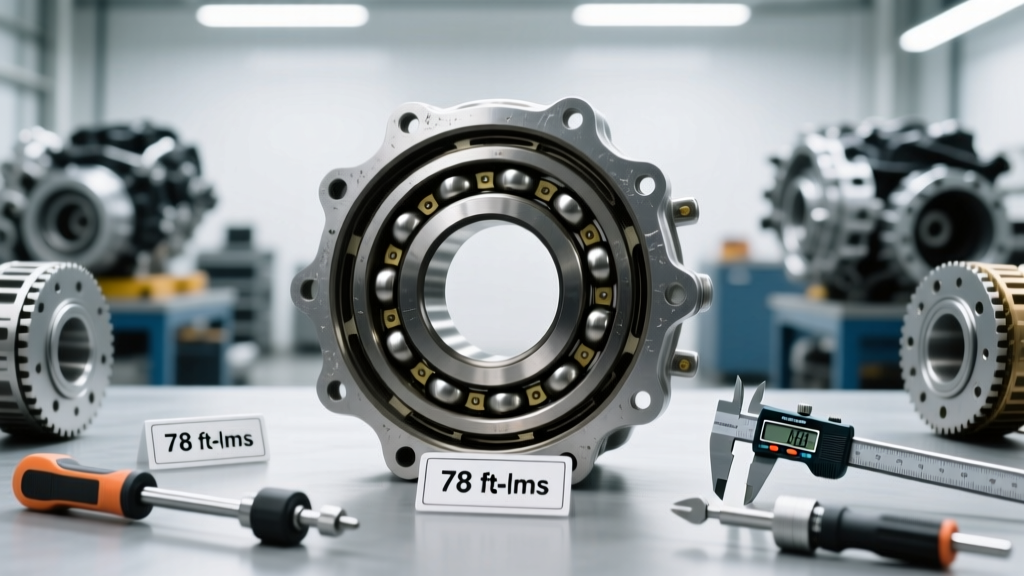
- Mainshaft Nut (Clutch Hub): 70-80 ft-lbs. Critical Note: This is a Left-Hand (reverse) thread. You must apply Red Loctite 271 to the threads and use a primary locking tool or an impact wrench to seat it properly.
- Compensator Sprocket Nut: 150-165 ft-lbs. This is a Right-Hand thread. Requires Red Loctite 271 and a specialized compensator holding tool to prevent the engine from turning over during torquing.
- Clutch Spring Bolts (Pre-M8 Diaphragm setups): 80-100 in-lbs. Use Blue Loctite 243.
- Primary Chain Tensioner Torx Fasteners: 84-108 in-lbs. Over-torquing these will strip the primary case threads.
- Primary Cover Fasteners: 84-108 in-lbs in a crisscross pattern to ensure even sealing of the gasket.
Fluid Selection: Always refill the primary chaincase with the correct volume (typically 32 oz for Touring models, 38 oz for Softails, but always verify by leveling the bike upright and filling to the bottom of the diaphragm spring). Use Harley-Davidson Formula+ or a dedicated primary fluid like AMSOIL V-Twin Primary. Do not use standard engine oil in the primary, as the friction modifiers will cause the new clutch plates to slip immediately.
Real-World Troubleshooting: The Milwaukee-Eight Assist & Slip (A&S) Clutch
Introduced on select Touring models and expanded across the lineup, the Assist & Slip (A&S) clutch utilizes a mechanical ramp mechanism to increase clamping force under engine load (Assist) and allow the plates to slip slightly during aggressive downshifts (Slipper) to prevent rear-wheel hop. Diagnosing issues on an A&S clutch requires specialized attention. If an A&S clutch is slipping prematurely, it is often due to the incorrect installation of the specific A&S friction plates, which feature unique cutouts and tab orientations compared to standard Big Twin plates. Furthermore, if the slipper ramp mechanism becomes contaminated with metallic debris from a failing primary chain or compensator sprocket, the ramp will bind, resulting in a stiff lever and severe clutch drag. When rebuilding an A&S system, always replace the entire friction and steel pack as a matched set, and thoroughly flush the primary case to remove any ramp-binding debris.
Conclusion: Matching Parts to Your Riding Style
Diagnosing and repairing a Harley-Davidson clutch requires moving beyond simple part swapping and addressing the root mechanical causes of failure. For stock touring riders experiencing minor slip, an OEM or Screamin' Eagle friction pack paired with a fresh primary fluid change may suffice. However, for riders pushing modified M-8 engines, towing heavy trailers, or riding aggressively in mountainous terrain, investing in premium harley clutch parts—such as Barnett Kevlar friction plates, reinforced diaphragm springs, and AIM billet inner hubs—is the only way to ensure long-term drivetrain reliability. By matching the correct friction material and metallurgy to your specific torque output and riding style, you can eliminate clutch drag, prevent slipping, and restore the raw power delivery your Big Twin was built for.