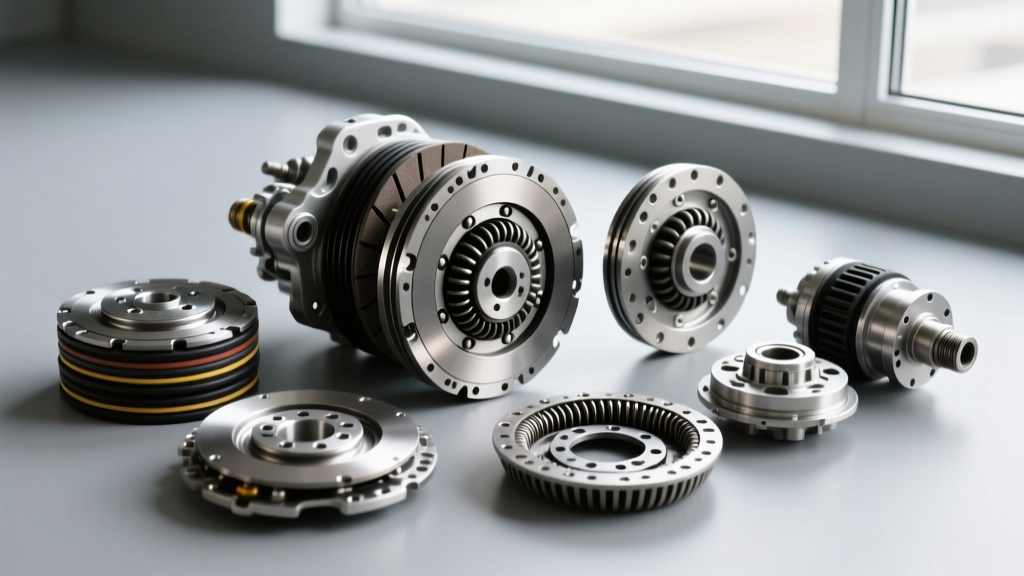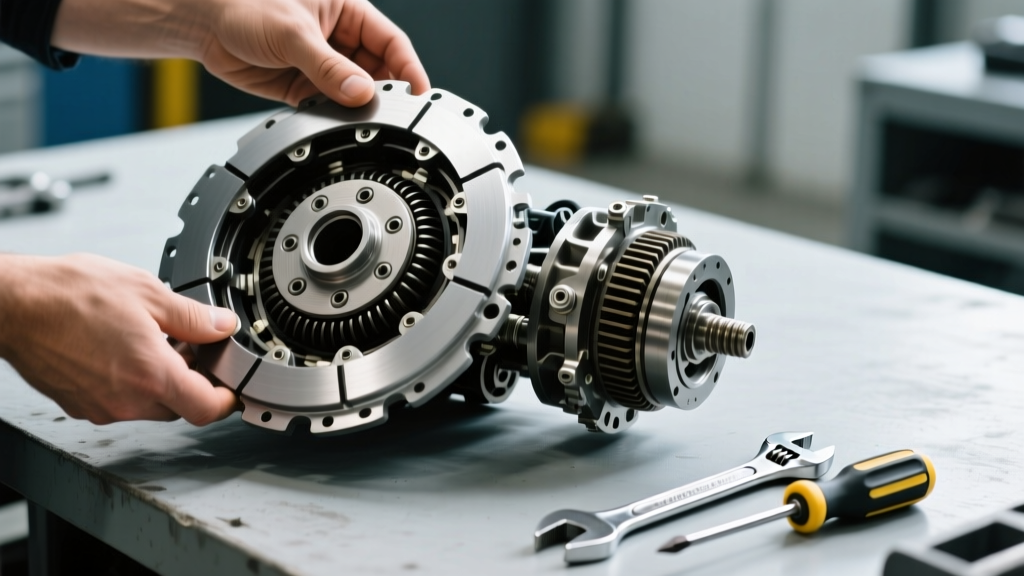
When automotive technicians diagnose the complex hydraulic clutch packs of a ZF 8HP automatic or the electronic solenoids of a GM 4L60E, they are dealing with computer-managed friction. However, the fundamental physics of friction, centrifugal force, and mechanical grip remain identical across all scales. For beginners and hobbyists, mastering the belt drive clutch for go kart applications is the ultimate gateway into drivetrain diagnostics. Whether you are running a simple centrifugal clutch or a continuously variable transmission (CVT) torque converter like the Comet TAV2, engagement and disengagement issues are the most common—and frustrating—symptoms you will face in 2026.
The Anatomy of Go-Kart Belt Drive Systems
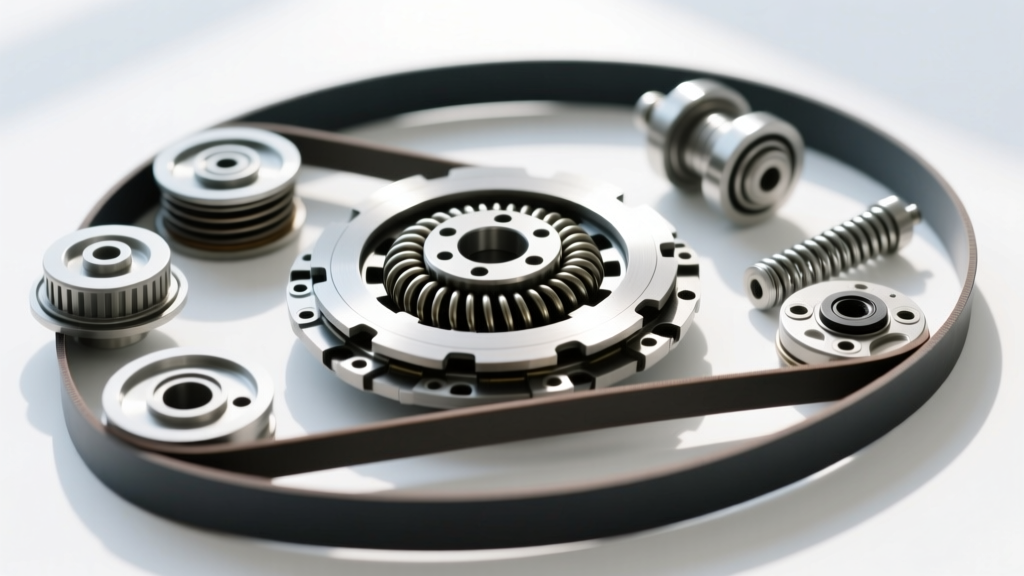
Before diagnosing a failure, you must understand the mechanical triangle of a kart drivetrain. Unlike a manual automotive clutch that relies on pedal-actuated hydraulic pressure, a go-kart belt drive system relies entirely on RPM-driven centrifugal force.
- The Driver (Primary Clutch): Mounted directly to the engine crankshaft. It contains either weighted flyweights and friction shoes (centrifugal clutch) or a movable sheave with a spring (CVT torque converter).
- The Driven (Secondary Pulley): Mounted to the jackshaft or rear axle. It features a spring-loaded movable sheave that adjusts its effective diameter based on belt tension and RPM.
- The Belt: The critical link. It must be a specialized cogged, asymmetrical belt designed to handle extreme heat and flexing.
Engagement Nightmares: Why Your Kart Won't Move
The most frequent complaint from beginners is a 'sluggish start'—the engine revs aggressively, but the kart fails to launch until the RPMs hit an ear-splitting 3,500+ RPM. This indicates a failure in the engagement phase.
1. Glazed Friction Shoes or Flyweights
If you are using a standard centrifugal clutch (such as the popular Hilliard Extreme Duty series), the internal friction shoes can become glazed due to excessive slipping in mud or sand. When the shoes overheat, the friction material turns into a glass-like surface. The Fix: Remove the clutch drum and lightly scuff the shoes with 120-grit sandpaper. If the material is cracked or measures less than 2mm thick, replace the shoe assembly (e.g., Hilliard part #4851, typically costing around $18-$24).
2. The Wrong Belt Profile
A beginner mistake is replacing a worn CVT belt with a standard automotive or hardware store V-belt. A standard A-section V-belt will sit too deep in the sheaves, preventing the pulleys from closing and gripping the belt. You must use a specialized asymmetrical, cogged belt. For the widely used Comet TAV2 (Series 30) torque converter, the exact OEM replacement is the Comet 788 Belt (Part #203594A). Using the correct belt ensures the sidewalls grip the pulley sheaves at the exact engineered angle.
Disengagement Issues: The Dangerous 'Idle Creep'
Conversely, if your kart pulls forward while the engine is simply idling, you have a disengagement failure. This is incredibly dangerous for beginners and usually stems from one of three mechanical faults.
Pro-Tip on Idle RPM: Most clone engines (like the Predator 212 or Honda GX200) should idle smoothly between 1,400 and 1,700 RPM. If your idle adjustment screw is set too high (above 1,900 RPM), the centrifugal clutch will naturally engage at idle. Always tune your carburetor idle screw down before tearing apart the clutch.
Binding Driven Pulley Sheaves
On a CVT torque converter, the movable sheave on the driven pulley must slide freely on its hub. If dirt, rust, or old grease builds up on the shaft, the sheave binds. The spring cannot pull the sheave open to drop the belt into the lowest gear ratio, keeping the belt tight and the kart moving. The Fix: Disassemble the driven pulley, clean the shaft with brake cleaner, and apply a thin layer of lithium-complex NLGI #2 grease. Never use WD-40 or light oils, as they will wash out the necessary grease and attract abrasive clutch dust.
Fatigued Return Springs
The torsion spring on the driven pulley is responsible for maintaining belt tension at low RPMs. Over time, these springs lose their temper and fail to retract the sheave. If your belt is slapping loudly at idle and the kart creeps, the spring is likely fatigued and requires replacement.
Diagnostic Data: Engagement RPMs & Spring Rates
Matching your clutch spring to your engine's torque curve is vital for proper engagement. Below is a reference chart for standard centrifugal clutch and CVT springs available in the current aftermarket.
| Spring Color / Type | Engagement RPM | Best Application |
|---|---|---|
| Hilliard Red (Standard) | 2,200 - 2,400 RPM | Beginner karts, low-torque 4-stroke engines |
| Hilliard Yellow (Heavy) | 2,800 - 3,000 RPM | Racing karts, high-compression modified engines |
| Comet TAV2 Symmetric Spring | 1,800 - 2,000 RPM | Trail riding, heavy off-road buggies |
| Comet TAV2 Asymmetric Spring | 2,100 - 2,300 RPM | Standard go-karts, flat-track sprinting |
Step-by-Step Precision Alignment & Torque Specs
Even with brand-new parts, a belt drive clutch for go kart setups will fail prematurely if alignment and torque specifications are ignored. Misalignment causes the belt to track improperly, generating heat that destroys the Kevlar or polyester cords inside the belt.
1. Verifying Belt Deflection
With the engine off and the spark plug disconnected, press your thumb firmly on the belt midway between the driver and driven pulleys. The belt should deflect exactly 1/4-inch to 3/8-inch. If it deflects more than 1/2-inch, the driven pulley jackshaft is likely bent, or the engine mounting plate has shifted.
2. Pulley Alignment Tolerances
Place a metal straight-edge across the outer faces of both the driver clutch and the driven pulley. The offset between the two pulleys must not exceed 1/16-inch. If the pulleys are out of alignment, the belt will chew through its own sidewalls within hours. Adjust the engine mount or jackshaft spacers until perfectly flush.
3. Critical Torque Specifications
The driver clutch is secured to the engine crankshaft via a single bolt. For the ubiquitous Predator 212 and Honda GX200 engines, this is an M10x1.25 bolt. According to BMI Karts Technical Articles, this bolt must be torqued to exactly 40 to 54 ft-lbs using a calibrated torque wrench. Always apply a drop of Blue Loctite (242) to the threads and ensure the 3/16-inch Woodruff key is fully seated. An under-torqued clutch will wobble, destroying the crankshaft bearings and shearing the keyway.
Rebuild vs. Replace: 2026 Cost Breakdown
When diagnosing a total engagement failure, beginners often wonder whether to rebuild the existing unit or buy a complete replacement kit. Based on current aftermarket pricing, here is a practical decision framework:
- Centrifugal Clutch Rebuild: If the drum and sprocket are intact, a replacement shoe and spring kit costs between $25 and $40. This is highly cost-effective and takes about 20 minutes with basic snap-ring pliers.
- CVT Torque Converter Rebuild: Rebuilding a Comet TAV2 driven pulley requires a specialized rebuild kit (new sheave bushings, spring, and slider caps) costing around $45 to $60. However, if the aluminum hub is scored from running without grease, you must replace the entire unit.
- Complete Replacement: A brand-new, complete Comet TAV2 torque converter kit (including both pulleys, belt, and plastic cover) retails between $130 and $170 from suppliers like Comet Clutches or authorized distributors. If your current belt is shredded and the primary driver pulley shows deep metal grooves from belt slipping, a full kit replacement is the most reliable path forward.
Mastering the diagnostics of a belt drive clutch for go kart applications teaches you the vital importance of mechanical tolerances, friction materials, and rotational alignment. By treating your kart's drivetrain with the same precision you would apply to a full-sized automotive transmission, you ensure a safe, responsive, and highly reliable ride.
For further reading on heavy-duty clutch applications, refer to the Hilliard Corporation Extreme Duty Clutch Specs to ensure your friction materials match your specific engine's torque output.