The Friction Point: Two Worlds of Clutch Diagnostics
When an enthusiast hears the word 'clutch,' the mental image usually splits into two distinct camps. For the automotive DIYer, it invokes hidden planetary gearsets, hydraulic pistons, and transmission fluid. For the rider, it means a wet multi-plate basket, a left-hand lever, and engine oil. While both systems rely on friction materials to transfer rotational energy, diagnosing clutch problems in automatic transmissions versus troubleshooting a motorcycle clutch requires entirely different toolsets, diagnostic frameworks, and replacement strategies.
As of 2026, the aftermarket landscape for both automotive transmission rebuild kits and motorcycle performance clutches has evolved significantly. Whether you are dealing with a slipping GM 6L80 or a dragging Honda CBR600RR, understanding the mechanical divergence between these systems is critical for accurate diagnosis and smart purchasing. This guide bridges the gap, comparing automatic car clutch packs to motorcycle wet clutches from a diagnostic and buyer's perspective.
Core Architecture: Planetary Packs vs. Wet Baskets
Automatic Transmission Clutch Packs (Automotive)
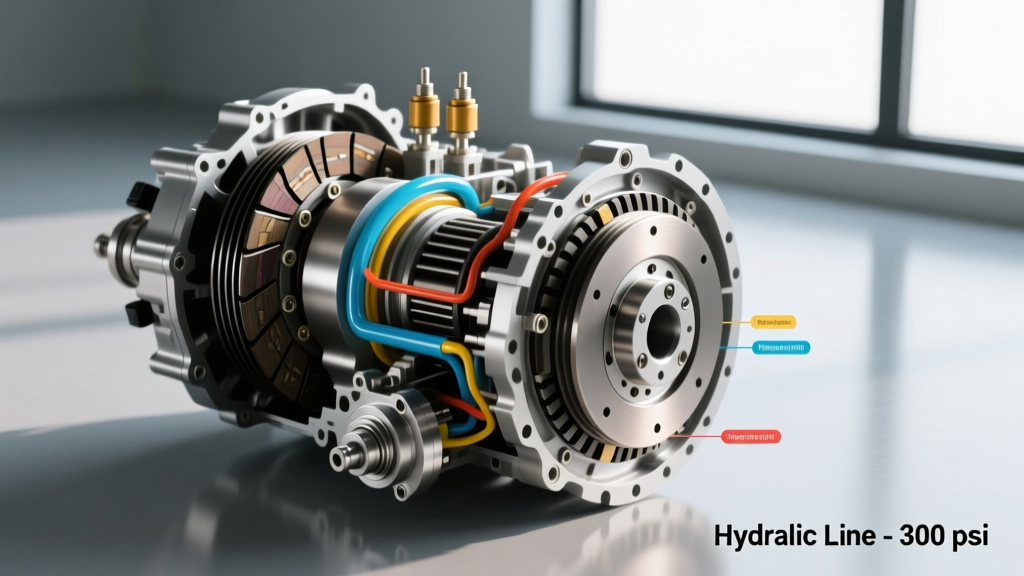
In modern automatic transmissions, clutch packs are enclosed within a drum and actuated by hydraulic pressure. When the Transmission Control Module (TCM) commands a shift, a solenoid directs pressurized fluid to a piston, which compresses alternating layers of friction discs and steel separator plates against a backing ring.
Take the ubiquitous GM 6L80/6L90 series. A notorious failure point involves the 3-5-R clutch wave plate (OE# 24239115). According to Sonnax, this stamped steel wave plate is prone to fatigue and fracturing. When it shatters, it destroys the adjacent friction discs, resulting in an immediate loss of 3rd, 5th, and Reverse gears, while leaving 1st, 2nd, and 4th intact. Similarly, in the ZF 8HP (found in millions of BMW, Chrysler, and Ford vehicles), clutch problems often stem not from the friction materials themselves, but from the mechatronic unit's plastic sealing adapter sleeve (OE# 24117571217) degrading and bleeding off line pressure, causing severe shift flares and eventual clutch glazing.
Motorcycle Clutch Baskets (Powersports)
A motorcycle clutch operates in a 'wet' environment, bathed in the same engine oil that lubricates the crankshaft and gearbox. The friction and steel plates are stacked inside an aluminum outer basket and an inner hub. Engagement is controlled mechanically via a cable or hydraulic line, and disengagement is forced by heavy coil springs (or a diaphragm spring).
The most common mechanical failure here is basket notching. Over thousands of engagements, the aluminum tabs of the outer basket deform, creating grooves. This prevents the friction plates from sliding freely, leading to clutch drag, difficulty finding neutral, and creeping at stoplights. Furthermore, because the clutch shares engine oil, using automotive oils with friction modifiers (like standard API SN/SP car oils) will immediately glaze a motorcycle clutch, causing catastrophic slipping under load.
Diagnostic Showdown: Identifying Slipping and Shudder
Because the actuation methods differ, the diagnostic approach for slipping or shuddering must be tailored to the platform.
Diagnosing Automatic Transmission Clutch Slipping
- Electronic Data (OBD2): Use a bi-directional scanner to monitor Transmission Line Pressure PID data and commanded vs. actual RPM during shifts. A flare (RPM spike) during the 2-3 shift indicates a leaking 3rd gear clutch seal or worn 3rd gear friction elements.
- Fluid Inspection: Drop the transmission pan. In a failing 6L80, you will find distinct, curled metallic shards (from the wave plate) mixed with dark, burnt-smelling Dexron VI fluid and excessive cellulose/paper debris from the friction discs.
- Stall Testing: While largely replaced by electronic data logging, a mechanical stall test (braking while applying throttle in Drive/Reverse) can confirm if the torque converter or primary forward clutch pack is slipping. (Note: Avoid this on modern ZF 8HP units to prevent mechatronic damage).
Diagnosing Motorcycle Clutch Slipping & Dragging
- Free-Play Measurement: The most common cause of motorcycle clutch slipping is insufficient lever free-play. If the cable is too tight, the throwout bearing constantly presses against the pressure plate, preventing full clamping force. Adjust to the manufacturer spec (typically 10-15mm at the lever tip).
- The 'False Neutral' Test: If the bike clunks into gear but pops into neutral under hard acceleration, the friction plates are worn past their service limit or the basket is severely notched, preventing full engagement.
- Physical Teardown & Measurement: Use a micrometer to measure friction plate thickness. For most 600cc supersports, the new thickness is 3.00mm, with a wear limit of 2.60mm. Use a feeler gauge and straight edge to check steel plate runout; anything exceeding 0.3mm requires replacement to cure shudder.
2026 Buyer's Guide: Friction Materials and Replacement Kits
When sourcing replacement parts, the materials and pricing structures for automotive versus powersports applications are vastly different. Below is a comparative breakdown to guide your purchasing decisions.
| Feature | Automatic Trans Clutch Pack (e.g., GM 6L80) | Motorcycle Wet Clutch (e.g., 600cc Supersport) |
|---|---|---|
| Friction Material | Cellulose, Kevlar, or Sintered Bronze (applied to steel cores) | Cork, Kevlar, or Carbon-Kevlar (e.g., Barnett, EBC) |
| Engagement Mechanism | Hydraulic Piston & TCM Solenoid Control | Mechanical Cable / Hydraulic Pushrod & Coil Springs |
| Diagnostic Tooling | Bi-directional OBD2 Scanner, Pressure Gauge | Micrometer, Feeler Gauge, Clutch Holding Tool |
| Average Kit Cost (2026) | $180 - $250 (Friction Kit) / $450+ (Master Rebuild) | $160 - $280 (Full Pack: Steels, Frictions, Springs) |
| Critical Spec / Torque | Pack Clearance: 0.040' - 0.060' per clutch module | Inner Hub Nut: 69 lb-ft (93 Nm) / Fluid: JASO MA2 |
Automotive Buyer Recommendations
If you are rebuilding a GM 6L80/6L90, do not simply buy a cheap friction kit. You must upgrade the 3-5-R wave plate to a heavy-duty aftermarket alternative or the updated OE revision to prevent a repeat failure. As noted by experts at Transmission Digest, ignoring the wave plate issue guarantees a comeback repair. For ZF 8HP units experiencing pressure drops, replace the mechatronic sealing sleeve (approx. $40) before condemning the internal clutch modules.
Motorcycle Buyer Recommendations
For street and track-day riders, standard cork-based friction plates offer smooth engagement but wear quickly under high heat. According to Barnett Tool & Engineering, upgrading to a Carbon-Kevlar friction material provides superior heat resistance and bite, ideal for high-horsepower applications. Always pair new friction plates with OEM-quality tempered steel plates; aftermarket steels are often prone to premature warping. Finally, never overlook the clutch springs. If the free-length of the springs has sagged below the service limit (usually around 42mm-45mm depending on the model), no amount of new friction material will cure your slipping.
Installation Realities: Clearances and Torque Specs
The physical assembly of these systems highlights the precision required in transmission work.
Automotive Pack Clearances: When rebuilding an automatic transmission, you cannot simply stack parts and bolt the drum together. You must measure the total clearance between the top friction disc and the backing ring using a dial indicator or feeler gauges. For most GM and ZF applications, the target clearance is between 0.040 inches and 0.060 inches. If the clearance is too tight, the clutch will drag and burn up; if it is too wide, the piston will run out of hydraulic travel before fully clamping the pack, resulting in immediate slip and flare. Selective-thickness backing rings are used to dial in this spec.
Motorcycle Torque Specs: Reassembling a motorcycle clutch requires a specialized clutch holding tool to prevent the primary drive gear from spinning. The inner hub nut must be torqued to exact specifications to prevent the basket from walking on the transmission input shaft. For example, on many Honda 600cc and 1000cc platforms, this nut requires a massive 69 lb-ft (93 Nm) of torque, often accompanied by peening the nut collar or applying heavy-duty thread locker. Failure to achieve this torque will result in the nut backing off, destroying the inner hub splines and the transmission input shaft—a catastrophic $2,000+ mistake.
Final Verdict: Where Should You Invest Your Wrench Time?
Diagnosing clutch problems in automatic transmissions is an exercise in hydraulic logic, electronic data interpretation, and precision clearance measurement. It requires a clean environment, specialized snap-ring pliers, dial indicators, and a deep understanding of planetary gear sets. The financial barrier to entry is higher, and a mistake usually results in a removed transmission and a tow truck.
Conversely, diagnosing and replacing a motorcycle clutch is a highly mechanical, tactile process. It requires basic hand tools, a torque wrench, and a micrometer. The cost of entry is lower, and the entire job can usually be completed on a Saturday afternoon in a standard garage. However, the penalty for using the wrong engine oil or failing to torque the inner hub nut is equally devastating.
Whether you are dropping a 6L80 pan to inspect for metallic wave plate debris or pulling the right-side engine cover on your Yamaha R1 to measure steel plate runout, success comes down to respecting the specific engineering requirements of the platform. Buy quality friction materials, adhere strictly to clearance and torque specifications, and always use the correct, application-specific fluids.