The Factory Flaw: Why GM 10-Bolt Service Costs More
The GM 8.5-inch and 8.6-inch 10-bolt rear axles are legendary for their durability, commonly found in Silverados, Sierras, Tahoes, and Yukons. However, from a preventive maintenance perspective, the factory stamped-steel differential cover has a notorious design flaw: it lacks a dedicated fill plug. When it is time for a differential fluid service, this omission transforms a straightforward maintenance task into a frustrating, time-consuming ordeal that directly inflates both DIY headaches and professional shop labor costs.
Without a fill plug, mechanics and DIYers are forced to either fill the housing with fluid before sealing the cover—resulting in guesswork regarding the final fluid level—or attempt to pump gear oil through alternative access points. In 2026, with shop labor rates averaging between $140 and $190 per hour, the extra book time required to carefully fill and seal a plug-less cover can add up to $80 to $120 in unnecessary labor charges per service.
The Hidden Risk of the ABS Sensor Fill Method
A common, albeit dangerous, workaround for the missing fill plug is removing the ABS wheel speed sensor and pumping 75W-90 gear oil through the sensor mounting hole. While this allows for precise fluid leveling, it introduces severe risks. The sensor housing threads are easily cross-threaded or stripped by aggressive fluid pump nozzles. Furthermore, forcing thick gear oil past the sensor O-ring can damage the sensor itself or push metallic wear particles directly onto the reluctor ring. Replacing a damaged GM ABS sensor and re-bleeding the brake system can easily add $250 to $400 to your maintenance bill, entirely negating any perceived convenience.
Upgrading to a GM 10 Bolt Differential Cover with Fill Plug
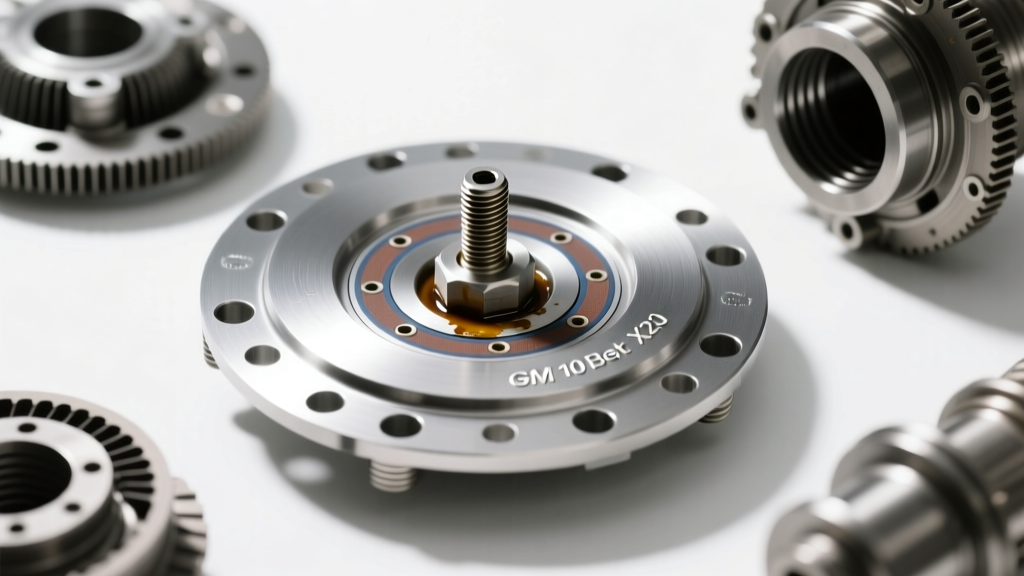
The most cost-effective preventive maintenance decision you can make for your GM 1500-series truck or SUV is installing an aftermarket GM 10 bolt differential cover with fill plug. This single hardware upgrade permanently resolves the filling issue, reduces future service labor times, and offers superior heat dissipation. Upgraded covers are typically cast from A356 aluminum with integrated cooling fins, which lowers differential operating temperatures by 15°F to 30°F under heavy towing loads, thereby extending the oxidative life of your synthetic gear oil.
2026 Hardware Pricing: Cast Aluminum vs. Stamped Steel
The market offers several high-quality replacements. Below is a pricing comparison for popular upgraded covers available through retailers like Summit Racing and other major auto parts distributors.
| Brand / Type | Part Number | Material | Approx. Cost (2026) | Features |
|---|---|---|---|---|
| PPE Cast Aluminum | 1160050 | Cast A356 Aluminum | $145 - $165 | Deep sump, heavy-duty fins, magnetic fill/drain plugs |
| Summit Racing Brand | SUM-771000 | Cast Aluminum | $110 - $130 | OEM-style depth, finned, includes hardware |
| Dorman Upgraded Steel | 697-706 | Stamped Steel | $55 - $75 | Budget-friendly, basic plug inclusion, no cooling fins |
While the Dorman stamped steel cover is the cheapest route to simply gain a fill plug, the PPE cast aluminum cover is the recommended choice for trucks that tow or operate in high-ambient-temperature environments. The increased fluid capacity (often adding 0.5 to 1.0 extra quarts) and thermal mass of the aluminum provide a measurable ROI by delaying fluid degradation.
Complete 2026 Differential Fluid Service Pricing Breakdown
Understanding the true cost of differential maintenance requires comparing dealership service, independent shops, and the DIY route. The table below outlines the expected costs for a standard GM 10-bolt rear axle service (approx. 2.2 to 2.4 quarts of 75W-90 fluid).
| Service Method | Parts & Fluid Cost | Labor Cost | Total Estimated Cost |
|---|---|---|---|
| Dealership (Flush & Fill) | $40 - $60 | $150 - $220 | $190 - $280 |
| Independent Shop | $50 - $80 | $100 - $160 | $150 - $240 |
| DIY (First Time w/ Cover Swap) | $160 - $220 | $0 | $160 - $220 |
| DIY (Subsequent Services) | $50 - $75 | $0 | $50 - $75 |
As the data illustrates, the DIY route with an upgraded cover pays for itself after just two fluid changes. More importantly, it guarantees the job is done correctly with high-quality synthetic fluids, whereas some quick-lube shops may use inferior conventional 80W-90 gear oil that breaks down rapidly under modern towing demands.
Fluid Specifications and the G80 Locker Myth
Selecting the correct fluid is paramount for the longevity of your ring and pinion gears. For the GM 10-bolt, a high-quality 75W-90 Full Synthetic API GL-5 gear oil is mandatory. Premium options like AMSOIL Severe Gear or Mobil 1 Synthetic Gear Lube offer superior shear stability and extreme-pressure (EP) additives that protect the hypoid gear contact patterns. Expect to spend $18 to $25 per quart; the 10-bolt typically requires 2.2 to 2.4 quarts, meaning you will need to purchase three quarts per service.
The G80 Locking Differential Friction Modifier Myth
A pervasive and costly misconception in the GM truck community involves the RPO G80 automatic locking differential. Many DIYers and even some misinformed mechanics mistakenly add a limited-slip friction modifier to the G80 locker, confusing it with a clutch-type limited-slip differential (LSD). Do not add friction modifier to a GM G80 locker. The G80 utilizes a mechanical flyweight and pawl engagement system, not friction clutches. Adding a friction modifier reduces the coefficient of friction inside the housing, which can cause the G80 mechanism to slip, delay engagement, or fail to lock entirely under low-traction conditions. Stick to straight 75W-90 GL-5 synthetic gear oil with no additives for the G80.
Ring and Pinion Break-In Procedures
If you are servicing a newly rebuilt 10-bolt or have just installed a new ring and pinion gear set, the initial break-in fluid change is critical. During the first 500 to 1,000 miles, the gears shed microscopic metallic particles and molybdenum disulfide coatings. This contaminated fluid must be drained and replaced immediately to prevent abrasive wear on the pinion bearings. Having a cover with a dedicated drain and fill plug makes this mandatory break-in service a 15-minute job rather than a messy, gasket-scraping nightmare.
Exact Torque Specifications for Installation
Proper installation of your new differential cover ensures a leak-free seal and prevents warping. Always clean the mating surface on the axle housing with brake cleaner and a razor blade before applying your sealant.
- Cover Bolts (M8 / 3/8-inch): Torque to 25 lb-ft in a crisscross pattern. Do not exceed 30 lb-ft, as the thin ears on the 10-bolt housing can snap or strip.
- Fill and Drain Plugs (3/8-inch NPT): Torque to 20-25 lb-ft. Always wrap the threads with 2 to 3 layers of PTFE (Teflon) tape to prevent seepage and galvanic corrosion between the steel plug and aluminum cover.
- Gasket vs. RTV: While Permatex Ultra Black RTV ($10) works well, investing in a reusable Lube Locker silicone gasket ($35) eliminates cure times and makes future fluid changes significantly faster and cleaner.
Preventive Maintenance Intervals for Longevity
To maximize the lifespan of your GM 10-bolt axle, adhere to the following service intervals, which are more conservative than the outdated 'lifetime fluid' claims found in older owner's manuals. For the most up-to-date OEM guidance, always consult your specific vehicle manual or the GM Owner Center maintenance schedules.
- Normal Driving (Commuting, Light Highway): Replace fluid every 50,000 miles or 48 months.
- Severe Duty (Towing, Off-Road, Snow Plowing): Replace fluid every 25,000 to 30,000 miles or 24 months.
- Submersion: If the differential breathers are submerged in water, the fluid must be changed immediately to prevent emulsification and catastrophic bearing failure.
By investing in a proper GM 10 bolt differential cover with fill plug and adhering to a strict synthetic fluid maintenance schedule, you effectively bulletproof one of the most critical drivetrain components on your vehicle, saving hundreds of dollars in labor and preventing premature gear wear over the life of the truck.