The Short Answer: Do Front Wheel Drive Cars Have Differentials?
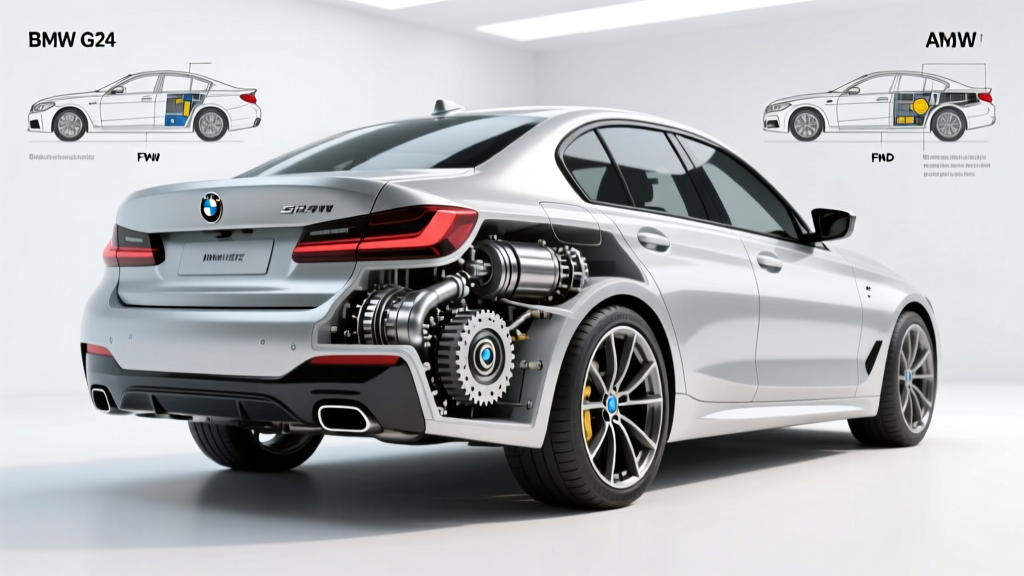
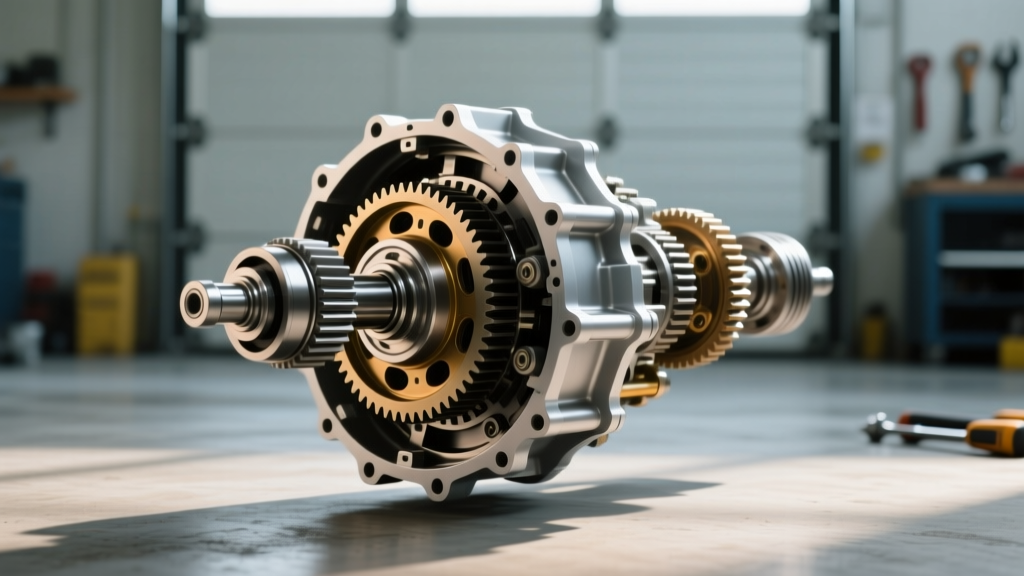
If you are new to automotive mechanics, you might be asking: do front wheel drive cars have differentials? The short answer is an absolute yes. However, unlike rear-wheel-drive (RWD) vehicles where the differential is a distinct, melon-shaped metal housing (often called a "pumpkin") bolted to the rear axle, front-wheel-drive (FWD) vehicles integrate the differential directly into the transmission casing. This combined unit is known as a transaxle.
Understanding where the differential lives in your FWD car is not just a trivia fact; it is the key to understanding your vehicle's drivetrain efficiency. As automakers finalize their 2026 powertrain lineups to meet increasingly strict CAFE (Corporate Average Fuel Economy) standards, minimizing parasitic loss in the transaxle has become a primary engineering focus. Let us break down how your FWD differential works and how it directly dictates your fuel economy.
The Anatomy of FWD Drivetrain Efficiency
To understand why FWD cars generally achieve better fuel economy than their RWD or AWD counterparts, we have to look at rotational mass and parasitic drag. In a traditional RWD layout, engine power must travel through the transmission, into a heavy steel driveshaft, through U-joints, and finally into the rear differential before reaching the wheels. Every single one of those connection points creates friction and rotational inertia.
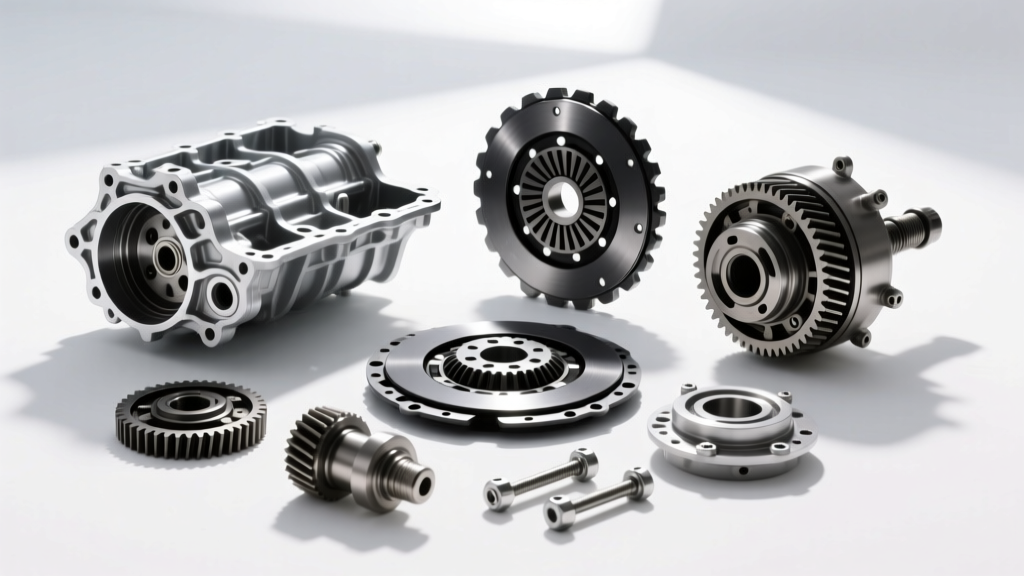
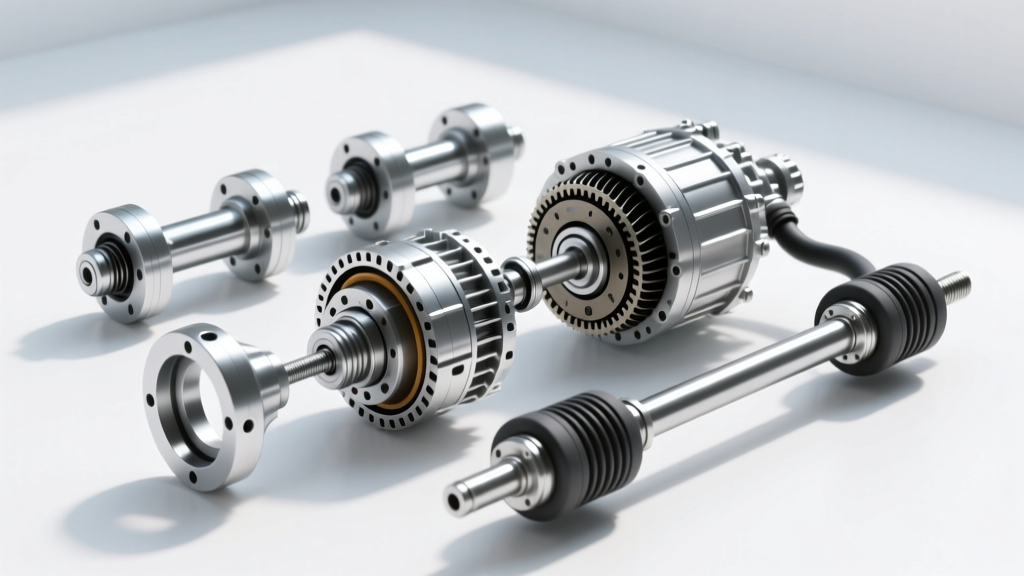
In a FWD transaxle—such as the ubiquitous Aisin TF-80SC 6-speed automatic or a standard Honda 6-speed manual—the transmission gears, torque converter (or clutch), and the differential all share the same aluminum housing and the same lubricating fluid sump. The power flows directly from the transmission's mainshaft into the differential's ring and pinion gear, and then out through short, equal-length (or carefully balanced) CV axles to the front wheels.
Quantifying Parasitic Drivetrain Loss
Parasitic loss refers to the percentage of engine horsepower that is consumed by the drivetrain components before it ever reaches the tires. Because FWD eliminates the long driveshaft and the rear differential bearings, it inherently suffers less parasitic loss.
| Drivetrain Layout | Average Parasitic Loss | Rotational Mass | Impact on Fuel Economy |
|---|---|---|---|
| FWD (Transaxle) | 10% - 15% | Low (No driveshaft) | Optimal for MPG; standard for economy cars |
| RWD (Separate Diff) | 15% - 20% | Medium (Long driveshaft) | Moderate MPG penalty; better for towing |
| AWD / 4WD | 20% - 25%+ | High (Transfer case + rear diff) | Highest MPG penalty due to constant drag |
According to data aggregated by FuelEconomy.gov, the reduction in drivetrain weight and rotational drag in FWD platforms can account for a 2 to 4 MPG advantage over mechanically similar RWD vehicles in combined city/highway driving.
Fluid Dynamics: How Gear Oil Affects FWD MPG
Because the FWD differential shares a housing with the transmission, the fluid you use dramatically impacts your fuel economy. In a manual FWD transaxle, the differential's ring gear physically dips into the fluid sump at the bottom of the casing, splashing oil upward to lubricate the bearings and spider gears. This is known as "splash lubrication."
While effective, splash lubrication causes churning losses. If the fluid is too thick (high viscosity), the ring gear wastes horsepower simply pushing through the oil, acting like a paddlewheel in thick syrup. This is why modern FWD manual transaxles do not use heavy 75W-90 gear oil like older RWD differentials. Instead, they use highly specialized, low-viscosity fluids.
- Honda Genuine MTF: Engineered specifically for Honda manual transaxles, this fluid has a viscosity closer to a 10W-30 motor oil, drastically reducing churning loss and improving shift feel.
- Toyota WS (World Standard): Used in automatic transaxles, this low-viscosity ATF reduces drag on the torque converter and the integrated differential bearings.
- GM Dexron VI: Features a highly stable synthetic base that maintains its thin profile even at high operating temperatures, ensuring the differential bearings do not create excess drag during highway cruising.
"Minimizing churning losses in integrated transaxles is one of the most cost-effective ways to improve fleet-wide fuel economy without altering engine thermodynamics." — Aisin Drivetrain Systems Engineering Briefs
Real-World Maintenance: Restoring FWD Drivetrain Efficiency
Over time, transaxle fluid degrades. The friction modifiers break down, and microscopic metal shavings from the differential's spider gears contaminate the fluid, increasing rolling resistance. If you want to maintain peak fuel economy, performing a transaxle drain-and-fill is one of the most effective DIY maintenance tasks you can perform.
Step-by-Step FWD Manual Transaxle Service (Honda Civic Example)
Let us look at the specific requirements for servicing the integrated differential on a common FWD manual transaxle (e.g., Honda Civic 1.5T 6-speed manual).
- Preparation: Level the car on jack stands. The vehicle must be perfectly level, or the integrated differential sump will under-fill or over-fill.
- Break the Fill Plug First: Always remove the upper fill plug before the lower drain plug. The fill plug requires a 3/8-inch square drive or a 24mm socket. Torque Spec: 45 Nm (33 lb-ft).
- Drain the Fluid: Remove the lower 18mm drain plug. Torque Spec: 45 Nm (33 lb-ft). Expect to drain roughly 1.6 to 1.9 quarts (1.5 to 1.8 Liters).
- Inspect the Magnetic Plug: The drain plug features a magnet designed to catch ferrous metals from the differential gears. A fine metallic paste is normal; chunky metal shards indicate differential bearing failure.
- Refill: Using a fluid pump, refill with exactly Honda Genuine Manual Transmission Fluid (MTF) until it begins to weep out of the fill hole.
- Re-torque: Reinstall both plugs using a crush washer to prevent leaks, torquing to 45 Nm (33 lb-ft).
Cost Analysis: A dealership will typically charge between $120 and $180 for this service. Doing it yourself requires roughly $35 worth of OEM fluid and $10 for new crush washers, offering an immediate ROI while ensuring your differential operates with minimal drag.
When FWD Differentials Fail: Efficiency Warning Signs
A failing differential does not just leave you stranded; it quietly destroys your fuel economy long before a catastrophic failure occurs. According to the EPA Green Vehicles maintenance guidelines, ignoring drivetrain noises can lead to a 5% to 10% drop in fuel efficiency due to increased mechanical binding.
Watch out for these specific warning signs:
- Binding in Tight Turns: If your FWD car shudders or "hops" when turning sharply in a parking lot, the spider gears inside the transaxle differential are binding. They are failing to allow the outside wheel to spin faster than the inside wheel, creating massive scrubbing resistance.
- Highway Whine: A rhythmic whining noise that changes pitch with vehicle speed (not engine RPM) usually points to worn differential pinion bearings. This friction generates excess heat and wastes kinetic energy.
- Clunking on Load Reversal: If you feel a distinct "clunk" when shifting from Drive to Reverse, the backlash (the gap between the ring and pinion gears) has exceeded factory tolerances due to wear.
Summary: The FWD Efficiency Advantage
So, do front wheel drive cars have differentials? Yes, they do, but they are cleverly packaged inside the transaxle to save weight, reduce space, and most importantly, maximize fuel economy. By eliminating the heavy driveshaft and rear axle components of RWD vehicles, FWD platforms minimize parasitic loss. However, this efficiency is entirely dependent on proper lubrication. By understanding the specific fluid requirements and torque specs of your transaxle, you can ensure your FWD differential continues to deliver optimal MPG for the lifespan of your vehicle.