The Complexity of Integrated AWD Housings
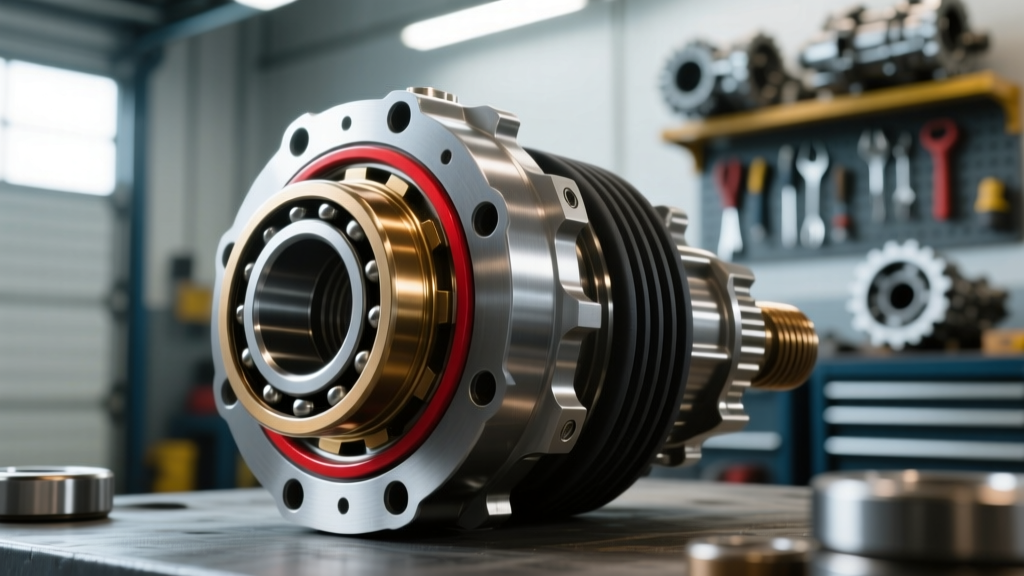
When dealing with a front differential leak in modern All-Wheel-Drive (AWD) vehicles, the diagnosis is exponentially more complex than on a traditional rear-wheel-drive solid axle. In many longitudinal and transverse AWD architectures, the front differential and the center differential (or transfer case) are physically mated, and in some cases, share a common housing or fluid boundary. According to drivetrain engineering data published by Car and Driver, modern AWD systems prioritize packaging efficiency, often integrating the front final drive directly into the transmission bell housing or center diff casing.
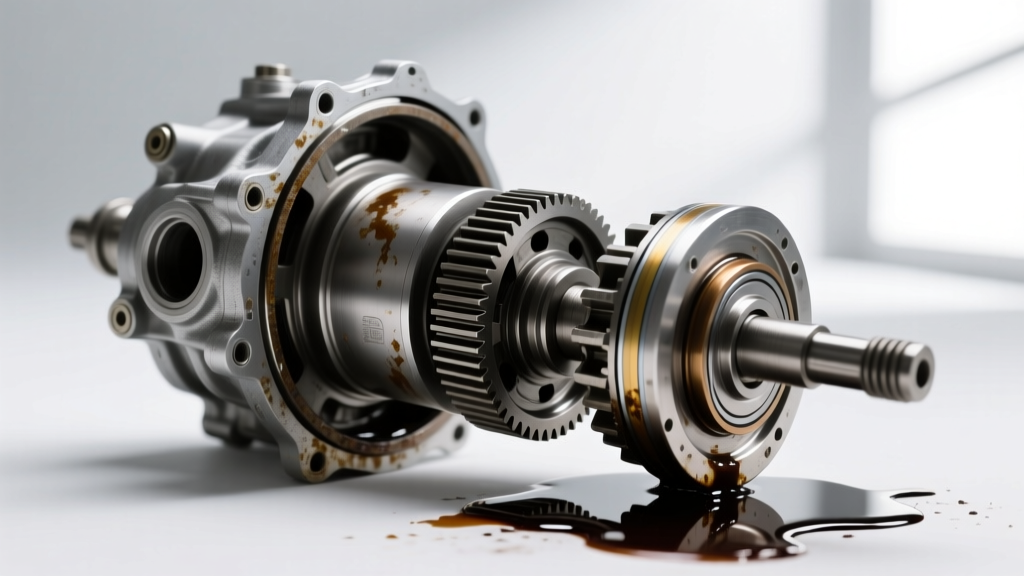
Because of this tight packaging, a fluid drip originating from the front axle area could be a simple axle seal failure, or it could indicate a catastrophic failure of the mating seal between the front differential and the center differential. Misdiagnosing this leak can lead to severe cross-contamination of fluids, destroying mechatronic units and clutch packs. This guide provides a deep-dive diagnostic protocol for isolating front differential leaks in integrated AWD systems, complete with torque specifications, OEM part insights, and 2026 repair cost matrices.
Architectural Differences: Shared vs. Separated Sumps
Before grabbing a UV dye kit, an automotive technician must understand the specific fluid architecture of the AWD system in question. The relationship between the front differential and the center differential varies wildly by manufacturer.
Subaru Symmetrical AWD (Manual vs. CVT/Auto)
In Subaru vehicles equipped with a 5-speed or 6-speed manual transmission, the front differential and the center differential (viscous coupling or helical limited-slip) share the same main gear oil sump. A leak at the front axle seal will drain the entire AWD system (approximately 3.5 to 3.8 liters of 75W-90 GL-5), starving the center differential and transmission synchros simultaneously. Conversely, in Subaru Lineartronic CVT and automatic models, the front differential is a separate, sealed chamber requiring roughly 1.2 liters of 75W-90, while the center transfer clutch operates on the main CVT/ATF fluid.
Audi Quattro (ZF 8HP and DL501 S tronic)
In longitudinal Audi applications utilizing the ZF 8HP transmission with a Torsen or Crown Gear center differential, the front differential is integrated into the transmission case but maintains a separate fluid chamber (approx. 1.1 liters of 75W-90). The center differential and main gear train are lubricated by specialized ZF 8-speed ATF. A leak at the internal mating flange between the front diff and the center diff housing is a critical failure point that leads to gear oil mixing with ATF.
Symptom Isolation: Identifying the Exact Leak Source
To accurately troubleshoot a front differential leak in an AWD system, you must isolate the origin point. Clean the entire lower engine and transmission subframe with a specialized degreaser, then utilize a UV tracer dye (such as Tracerline TP8656) specific to gear oil. Run the vehicle on a lift with the wheels turning to simulate load and splash lubrication.
1. Front Axle Shaft Output Seals
The most common and least severe cause. Fluid will be visible on the inner CV joints and lower control arms. In transverse Haldex-based AWD systems (VW, Volvo, Audi transverse), the front diff is part of the transaxle. Replacing these seals (e.g., Corteco or SKF brand) requires draining the front diff, removing the axle nut (often torqued to 140-200 Nm plus an additional 90-degree turn), and using a proper seal driver to avoid scoring the aluminum housing.
2. The Front Diff to Center Diff Mating Seal
If fluid is pooling in the "V" of the engine cradle or dripping from the exact junction where the transmission mates to the engine/transfer case, suspect the mating seal. In the Audi DL501 (0B5) S tronic, the O-ring sealing the front final drive to the main transmission casing degrades over time due to thermal cycling. This requires complete transmission removal to access the flange bolts.
3. Vent Tube Overflow vs. Active Leak
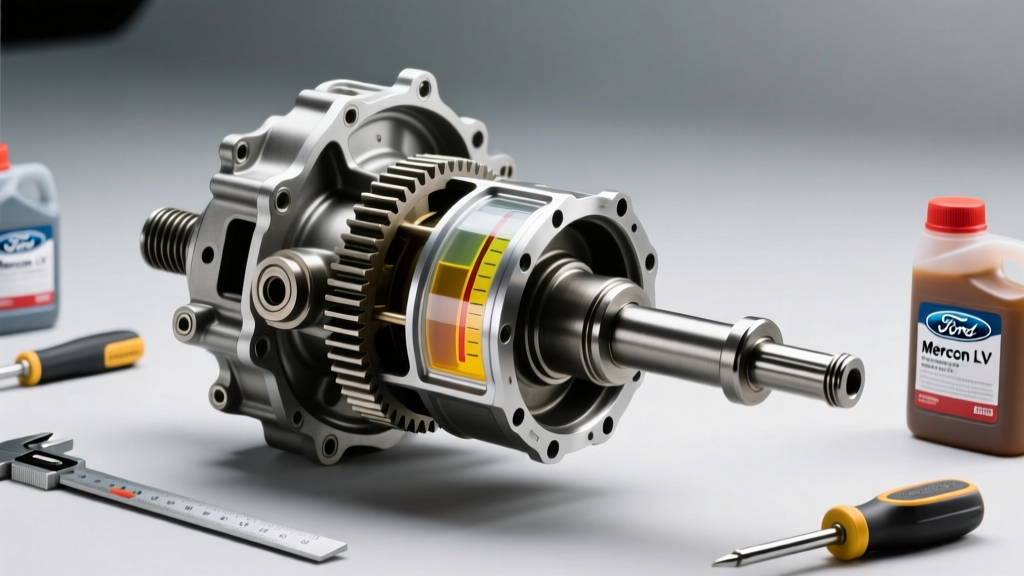
AWD front differentials experience massive temperature swings. If the vent tube is clogged with road grime, internal pressure will blow past the weakest seal (usually the pinion or axle seals). Furthermore, overfilling the front diff during a prior service will cause fluid to purge out the vent tube, mimicking a massive leak. Always verify fluid level with the vehicle perfectly level and at the specified temperature (usually 20°C to 30°C for accurate 75W-90 volume measurement).
Fluid Cross-Contamination: The Hidden AWD Killer
When the front differential and center differential share a housing boundary but require different fluids, a leak is not just a mess—it is a mechanical death sentence. As noted in technical service bulletins analyzed by AA1Car Automotive Library, fluid cross-contamination alters the friction modifiers required for center differential clutches and mechatronic solenoids.
| AWD System Architecture | Front Diff Fluid | Center Diff / Transfer Fluid | Contamination Risk Level |
|---|---|---|---|
| Subaru 6MT (Symmetrical) | 75W-90 GL-5 (Shared) | 75W-90 GL-5 (Shared) | Low (Shared Sump) |
| ZF 8HP (Audi/BMW Quattro/xDrive) | 75W-90 GL-4/GL-5 | ZF Lifeguard 8 (ATF) | Critical (Mechatronic Failure) |
| Subaru CVT (Lineartronic) | 75W-90 GL-5 | Subaru CVT Fluid / ATF | High (Transfer Clutch Slip) |
| Transverse Haldex (VW/Audi) | Transaxle ATF / Gear Oil | Haldex Coupling Fluid (Rear) | None (Physically Separated) |
Step-by-Step Diagnostic Protocol & Torque Specifications
Follow this exact sequence to diagnose and verify a front differential leak in an integrated AWD setup without causing secondary damage.
- Visual Inspection & Clean: Pressure wash the undercarriage. Use a borescope to inspect the top of the transmission bell housing and the center diff mating flange, areas impossible to see from the ground.
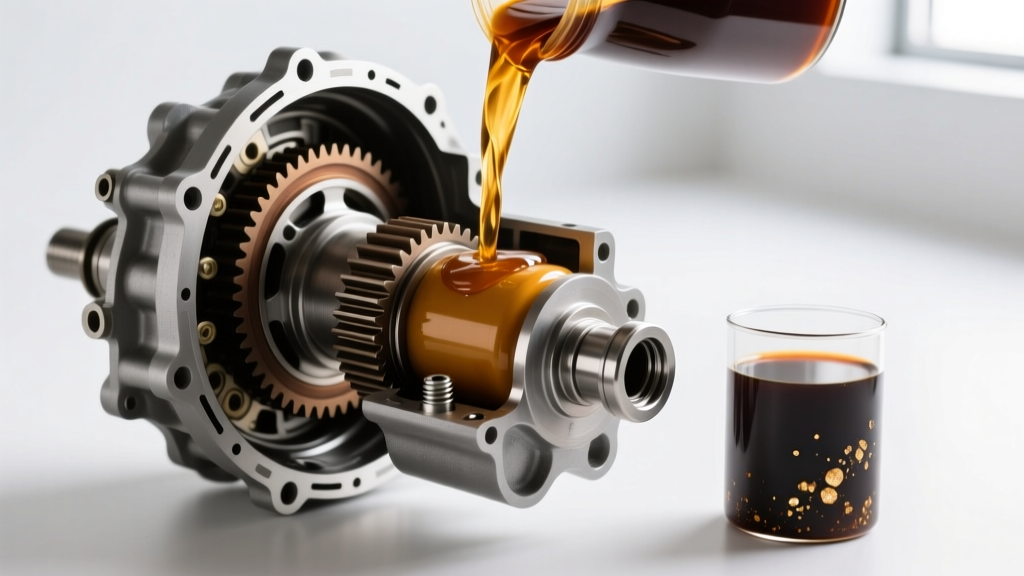
- Fluid Sampling: Extract 5ml of fluid from the front differential fill plug and 5ml from the center diff/transmission pan. Compare viscosity and color. If the ATF smells like sulfur (gear oil), the internal mating seal has failed.
- Dye Test: Add 1/4 oz of oil-soluble UV dye to the front differential. Drive the vehicle at highway speeds for 15 minutes to ensure the ring gear splashes the dyed fluid against all internal seals.
- UV Inspection: Shine a 365nm UV light on the axle seals, the transmission-to-engine block mating line, and the center diff output flange.
- Torque Verification: Check the front differential drain and fill plugs. Overtightening can crack the aluminum casing, causing a hairline fracture leak.
- Subaru Front Diff Plug Torque: 44 Nm (32.5 lb-ft)
- Audi ZF 8HP Front Final Drive Fill Plug: 30 Nm (22 lb-ft)
- BMW xDrive Transfer Case Flange Bolts: 38 Nm (28 lb-ft) + 60 degrees
2026 Repair Cost Matrix & OEM Part Numbers
Repairing a front differential leak in an AWD system requires specialized tools and OEM-specific sealants. Using generic RTV silicone instead of the proper Flange Packing Gasket (FIPG) will result in immediate failure under the high shear forces of an AWD drivetrain.
Common Parts and Sealants
- Subaru Front Axle Seal (OEM 806733030): $12 - $18 each. Requires no special sealant, just a proper driver.
- Toyota/Subaru FIPG (Three Bond 1217G / OEM 04385-00040): $25 - $35 per tube. Mandatory for resealing front diff housings that lack traditional paper gaskets.
- Audi ZF 8HP Front Final Drive O-Ring (OEM 0934.307.051): $14 - $22. Labor intensive to replace.
Labor & Cost Estimates (Independent Specialist Rates)
According to industry repair databases tracked by Popular Mechanics, labor times for AWD drivetrain components have increased due to the necessity of subframe removal and electronic recalibration.
- Axle Seal Replacement (Front): $250 - $450 (Includes fluid top-off and 1.5 hours labor).
- Front Differential Housing Reseal (Subaru CVT): $800 - $1,200 (Requires dropping the front subframe and separating the diff cover).
- Internal Mating Seal Replacement (Audi/BMW ZF): $2,500 - $4,200 (Requires complete transmission removal, ATF flush, and mechatronic adaptation reset).
Expert Warning: Never ignore a minor front differential leak in an AWD vehicle. A loss of just 0.5 liters of 75W-90 gear oil in a shared-sump manual system can cause the center differential's hypoid gears to run dry, leading to catastrophic binding and drivetrain lockup at highway speeds. Always address leaks immediately and use only manufacturer-approved GL-5 or GL-4 gear oils based on your specific yellow-metal synchronizer requirements.
Conclusion
Diagnosing a front differential leak in vehicles equipped with center differentials and complex AWD systems requires a methodical approach. By understanding whether your specific drivetrain utilizes a shared or separated fluid sump, utilizing UV dye tracing, and adhering to strict OEM torque and sealant specifications, you can prevent minor seepage from escalating into a multi-thousand-dollar drivetrain replacement. Always consult the factory service manual for your exact transmission model (e.g., ZF 8HP55A, DL501, Subaru 6MT) before attempting any fluid drainage or seal replacement.