The Anatomy of the Cascadia Hydraulic Clutch System
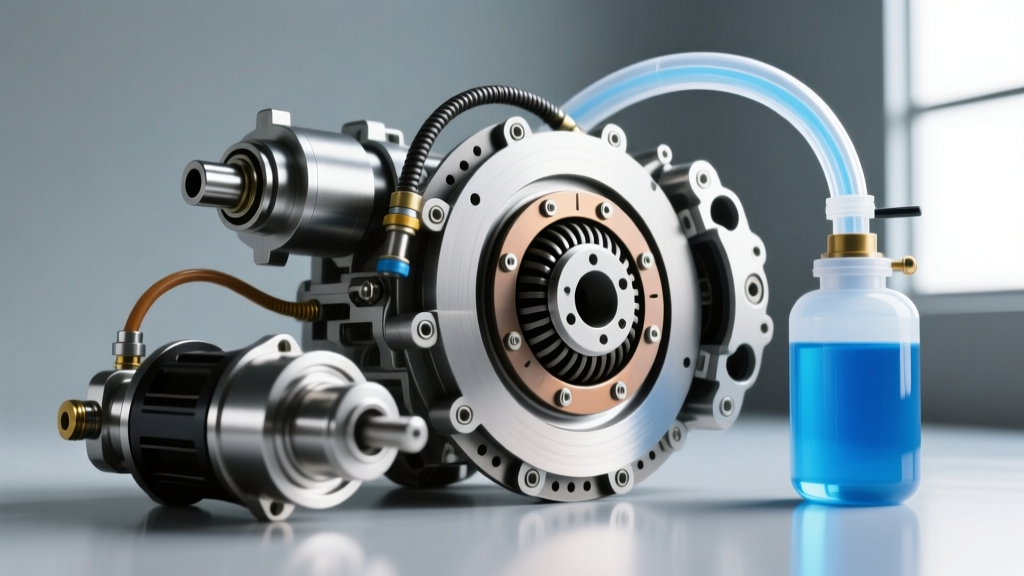
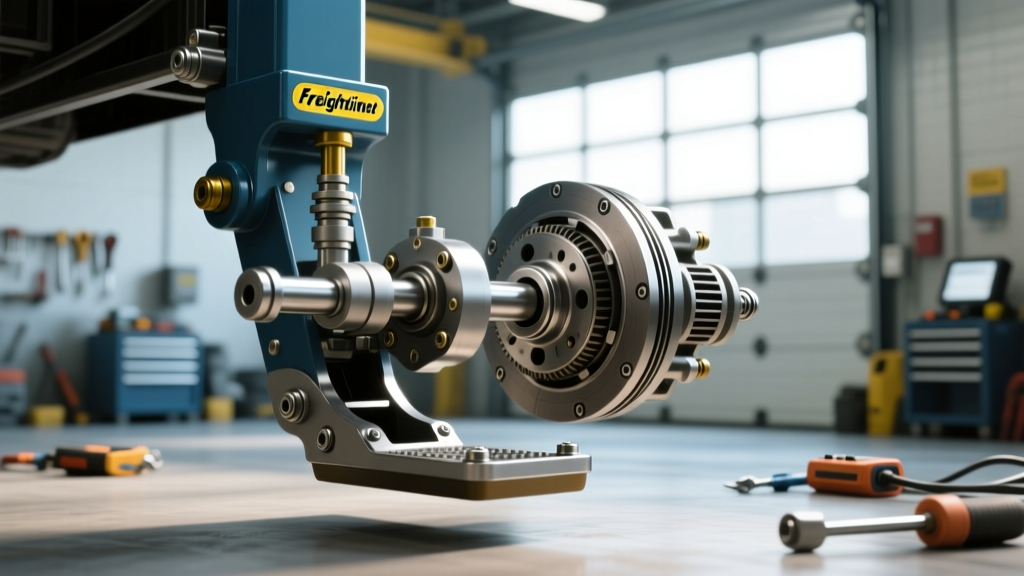
In Class 8 heavy-duty applications, the hydraulic clutch system is the critical bridge between driver input and the massive torque loads managed by Eaton Fuller manual transmissions (such as the FRO-16210C or RTLO-18918B). When diagnosing a failing clutch actuator, Freightliner Cascadia technicians must understand that the system relies on a firewall-mounted master cylinder, a PTFE-lined hydraulic supply line routed along the frame rail, and an external hydraulic clutch actuator (slave cylinder) mounted directly to the transmission bellhousing.
Unlike light-duty passenger vehicles, the Cascadia's clutch actuator must generate enough hydraulic force to overcome heavy-duty diaphragm springs while simultaneously engaging the clutch brake for smooth, non-grinding gear engagement. Pedal anomalies—whether soft, hard, or vibrating—are rarely isolated to a single component. They are systemic indicators of hydraulic degradation, mechanical binding, or internal actuator seal failure.
Diagnosing a Soft or Spongy Clutch Pedal
A soft, mushy, or spongy clutch pedal in a Freightliner Cascadia almost always points to a compromise in the hydraulic fluid's incompressibility. Because the system operates under extreme thermal loads near the engine block, fluid degradation is a primary suspect.
Aeration and Fluid Boiling
Heavy stop-and-go traffic or aggressive downshifting can cause the hydraulic fluid near the actuator to boil, introducing microscopic air bubbles into the system. Standard DOT 3 FMVSS 116 fluid is highly hygroscopic; as it absorbs moisture over its service life, its boiling point drops significantly. When the fluid boils, the pedal travels to the floor with minimal resistance.
Internal Master Cylinder Bypass
If the pedal slowly sinks to the floor while held at the engagement point, the primary cup seals inside the firewall-mounted master cylinder are bypassing fluid internally. This is often misdiagnosed as a leaking clutch actuator, but a visual inspection of the bellhousing will reveal no external weeping.
Actuator Pushrod Seal Failure
The external clutch actuator features a heavy-duty piston seal. When this seal wears, fluid bypasses internally or leaks externally into the bellhousing dust cover. A spongy pedal accompanied by a low fluid reservoir level and a damp, oily residue on the transmission bellhousing lower pan confirms actuator seal failure.
Troubleshooting a Hard or Binding Clutch Pedal
A clutch pedal that requires excessive physical force to depress, or one that binds and fails to return smoothly, indicates mechanical resistance or hydraulic blockage.
Compensator Port Blockage
The master cylinder features a tiny compensator port that allows fluid to return to the reservoir as the pedal is released. If this port becomes clogged with degraded rubber particles or debris, a vacuum forms in the hydraulic line, preventing the pedal from returning to its upright position and resulting in a stiff, binding feel.
Hydraulic Line Restriction
The Cascadia utilizes a specialized PTFE-lined hydraulic hose with a braided steel or Kevlar outer sheath. Over time, the inner PTFE liner can delaminate and collapse inward, acting as a one-way check valve. Fluid is forced down to the actuator under high pedal pressure, but cannot return, causing the pedal to remain stiff or stick to the floor.
Release Fork and Cross-Shaft Binding
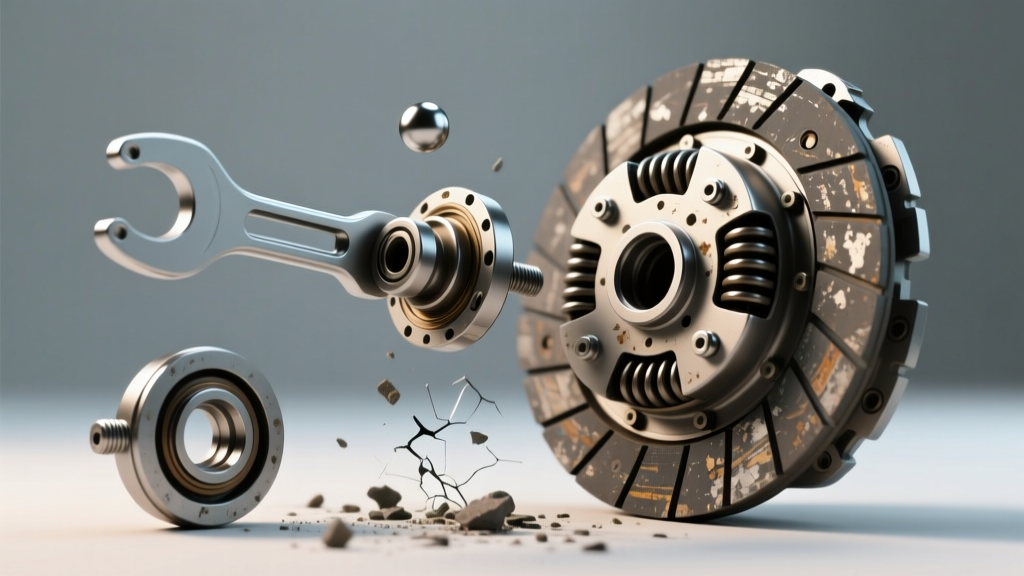
If the hydraulic system tests perfectly, the binding is mechanical. The actuator pushrod actuates a release fork that pivots on a cross-shaft. Lack of lubrication on the cross-shaft pivot balls or severe wear on the release fork pads will cause metal-on-metal binding, transmitting a harsh, gritty stiffness directly to the driver's foot.
Vibrating Clutch Pedal: Driveline vs. Actuator Chatter
It is vital to differentiate between driveline vibration and clutch pedal pulsation. A vibrating clutch pedal that pulses rhythmically against the driver's foot while the clutch is partially engaged (slipping) is a hallmark of release system or friction surface anomalies.
Release Bearing and Actuator Preload
The throw-out bearing, which is either integral to a concentric slave cylinder or pushed by the external actuator's fork, must ride smoothly on the diaphragm spring fingers. If the Eaton Fuller clutch pressure plate features warped or uneven diaphragm fingers, the bearing will pulse against the actuator piston with every revolution of the flywheel. This high-frequency vibration travels directly up the hydraulic fluid column to the master cylinder and into the pedal.
Flywheel Runout and Hot Spots
Excessive flywheel runout (exceeding 0.008 inches) or severe thermal hot-spotting on the cast-iron friction surface will cause the clutch disc to chatter upon engagement. This chatter forces the release bearing backward into the actuator piston, manifesting as a violent pedal vibration. According to Eaton's heavy-duty transmission service guidelines, flywheel runout must be measured with a dial indicator before condemning the clutch actuator for vibration issues.
Cascadia Clutch Pedal Symptom Matrix
| Pedal Symptom | Primary Root Cause | Diagnostic Test | Est. Repair Cost (Parts + Labor) |
|---|---|---|---|
| Soft / Spongy | Air in hydraulic line / Boiling fluid | Pressure bleed system; check fluid color | $150 - $250 |
| Sinking to Floor | Master cylinder internal seal bypass | Hold pedal at engagement; watch for drop | $300 - $450 |
| Hard / Stiff | Delaminated PTFE hydraulic hose | Disconnect line at actuator; test flow | $250 - $400 |
| Binding / No Return | Master cylinder compensator port clog | Check reservoir fluid return upon release | $300 - $450 |
| Vibrating / Pulsing | Warped diaphragm spring / Flywheel runout | Dial indicator on flywheel; visual inspection | $1,800 - $2,500+ |
Precision Replacement and Bleeding Procedures
When replacing the clutch actuator on a Freightliner Cascadia, precision is mandatory to ensure proper clutch brake engagement and prevent premature release bearing wear. Technicians must adhere to strict torque specifications and bleeding protocols.
Critical Measurements and Torque Specs
- Pedal Free Play: Must be set to 1.5 to 2.0 inches. Insufficient free play causes the actuator to constantly ride the diaphragm spring, leading to catastrophic actuator and clutch failure.
- Clutch Brake Squeeze: Measured from the floor to the pedal pad, it must be 0.5 to 0.75 inches to ensure the clutch brake engages fully for gear meshing.
- Actuator Mounting Bolts: Torque to 35-45 lb-ft (M10 / 3/8-inch hardware).
- Bleeder Screw Torque: 8-12 lb-ft. Over-torquing will shear the soft brass bleeder valve inside the cast-iron actuator body.
- Pushrod Clevis Pin: Secure with OEM specified cotter pin; apply high-temp moly grease to the pivot contact point.
Pressure Bleeding the Heavy-Duty System
Gravity bleeding is entirely insufficient for the long, vertically routed hydraulic lines of a Class 8 Cascadia. A pressure bleeder must be used, pressurizing the master cylinder reservoir to exactly 15-20 PSI.
Pro-Tip: Before opening the actuator bleeder screw, rapidly tap the hydraulic line and the actuator body with a dead-blow hammer. This dislodges microscopic air bubbles clinging to the internal walls of the PTFE hose and the actuator piston bore, ensuring a rock-solid pedal feel post-bleed.
For comprehensive OEM troubleshooting flowcharts and warranty guidelines, technicians should always consult the Freightliner Customer Support portal and reference the specific Eaton Fuller service manual for the equipped transmission model. Proper diagnosis of the clutch actuator not only restores drivability but prevents secondary damage to multi-thousand-dollar drivetrain components.