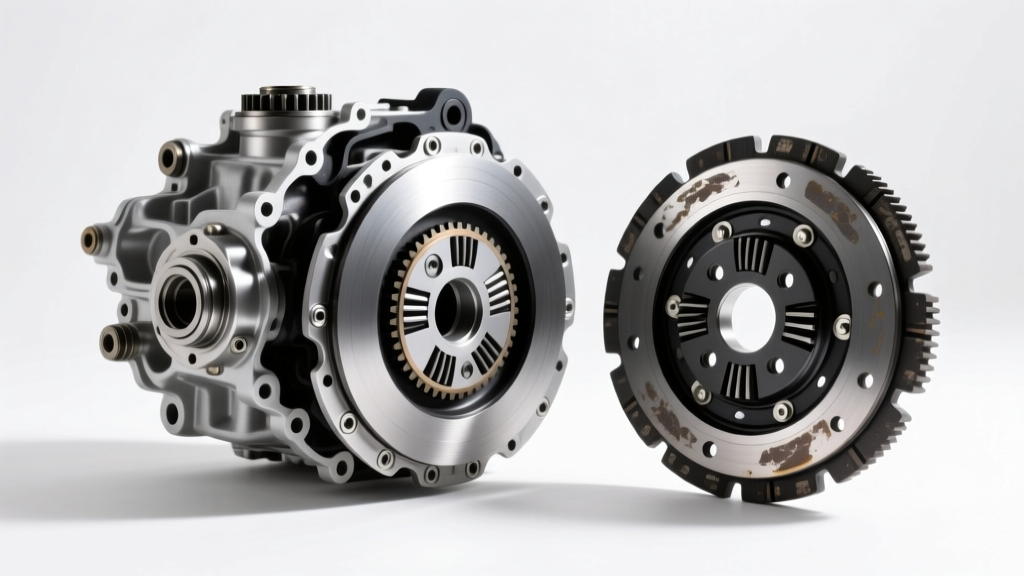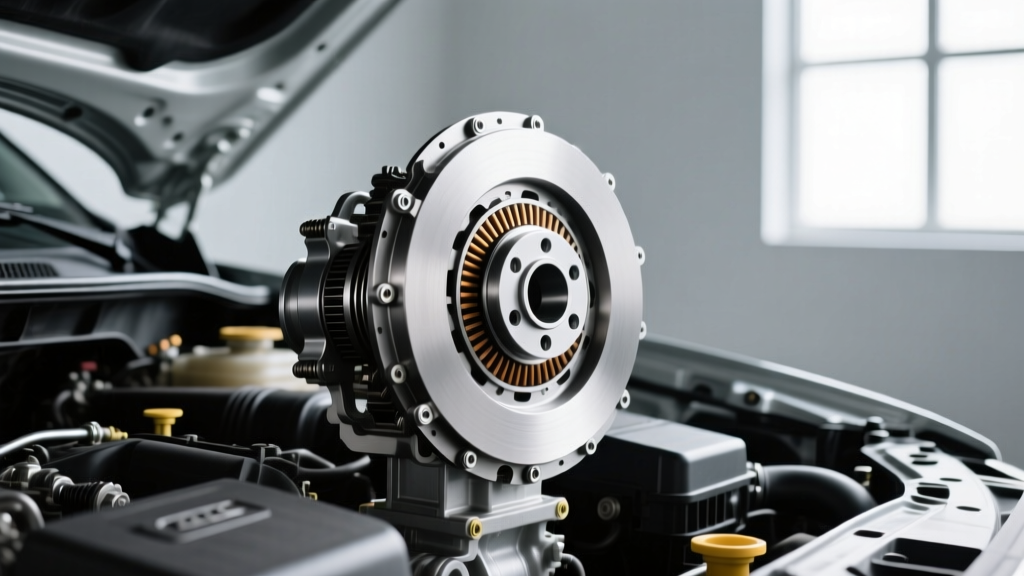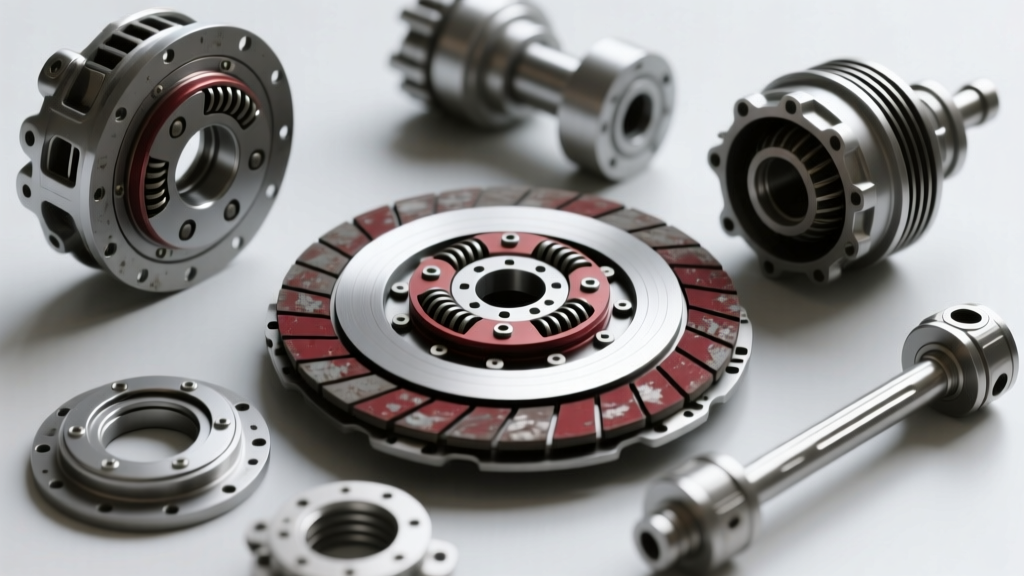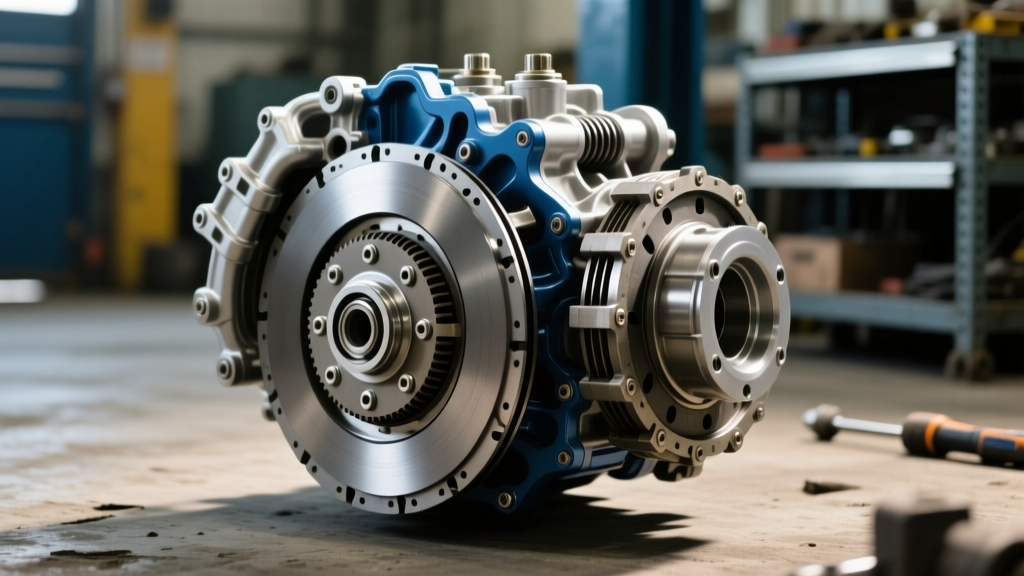
The Real Ford Ranger Clutch Replacement Cost Breakdown
When evaluating the ford ranger clutch replacement cost, many owners and amateur mechanics focus strictly on the price of the clutch kit itself. However, the true cost of a clutch job extends far beyond the cardboard box the parts arrive in. Whether you are driving a classic 4.0L V6 with the Mazda M5OD-R1 manual or a modern 2019-2026 2.3L EcoBoost equipped with the Getrag MT85 6-speed, improper installation techniques will rapidly inflate your initial investment into a catastrophic drivetrain failure.
As of early 2026, professional drivetrain shops are charging premium labor rates due to the complexity of modern hydraulic concentric slave cylinders (CSC) and dual-mass flywheel (DMF) balancing requirements. Below is a realistic breakdown of what you should expect to pay, and more importantly, where the hidden costs lie when mistakes are made.
| Cost Factor | Getrag MT85 (2019+ 2.3L EcoBoost) | Mazda M5OD-R1 (Older 4.0L/3.0L) |
|---|---|---|
| OEM Clutch Kit (LuK/Motorcraft) | $450 - $650 | $250 - $350 |
| Aftermarket Kit (SMF Conversion) | $300 - $450 | $150 - $220 |
| Hydraulic CSC / Throwout Bearing | $180 - $250 (Often included in kit) | $40 - $80 (External slave) |
| Flywheel Resurfacing / Replacement | $600 - $900 (DMF Replacement required) | $75 - $120 (Resurfacing) |
| Professional Labor (5-7 Hours) | $750 - $1,150 | $650 - $1,000 |
| Total Estimated Cost (2026) | $1,600 - $2,950 | $1,100 - $1,750 |
Why "Cheap" Jobs Cost More: The Technical Fallout
The most common reason a clutch replacement fails prematurely is not the quality of the friction material, but the failure to adhere to strict drivetrain alignment and hydraulic bleeding protocols. According to technical bulletins published by Schaeffler's RepXpert portal, over 60% of premature clutch warranty claims are directly traced back to installation errors, not manufacturing defects. Let us dissect the three most destructive mistakes made during Ranger clutch replacements.
Mistake 1: Ignoring Flywheel Resurfacing Tolerances and DMF Dynamics
On the modern T6 and T6.2 platform Rangers (2019 and newer), the 2.3L EcoBoost engine utilizes a Dual-Mass Flywheel (DMF). The DMF is engineered with internal arc springs designed to absorb the aggressive low-end torsional vibrations produced by the turbocharged engine.
The Mistake: To save money on the ford ranger clutch replacement cost, DIYers often install cheap Single-Mass Flywheel (SMF) conversion kits without updating the engine's ECU calibration or understanding the harmonic consequences. While an SMF kit from suppliers found on RockAuto might save you $400 upfront, it transfers raw torsional shock directly into the Getrag MT85 input shaft. This leads to accelerated synchro wear, severe gear rattle at idle, and in extreme cases, cracking the engine's rear main bearing cap.
The Fix: If your DMF shows signs of heat checking, excessive radial freeplay (more than 2-3mm of rotational play before the internal springs engage), or if the friction surface is scored beyond 0.2mm, it must be replaced with a new OEM-spec DMF. You cannot resurface a dual-mass flywheel. Attempting to machine the friction ring of a DMF alters its mass distribution, destroying its harmonic balancing properties.
Mistake 2: Misaligning the Bellhousing Dowels and Ignoring Runout
The manual transmission relies on absolute concentricity between the engine crankshaft and the transmission input shaft. This alignment is maintained by two precision steel dowel pins located on the engine block.
The Mistake: When removing the MT85 or M5OD-R1 transmission, mechanics frequently damage, lose, or fail to properly seat the bellhousing dowel pins. Worse, they skip the critical step of measuring bellhousing runout. If the bellhousing is misaligned by even a few thousandths of an inch, the clutch disc will wobble on the input shaft. This causes uneven pressure plate wear, clutch drag, and eventually strips the splines off the input shaft.
Expert Rule of Thumb: Maximum allowable Total Indicator Runout (TIR) for the Ranger bellhousing bore is 0.005 inches (0.127mm). If your dial indicator reads beyond this, you must install offset dowel pins to correct the bore alignment before bolting the transmission flush.
Always clean the dowel pin boths on the block and the bellhousing with brake cleaner and compressed air. A single grain of sand trapped behind a dowel pin can throw the runout out of spec by 0.010 inches.
Mistake 3: Incorrect CSC Bleeding Procedures on the MT85
Unlike older Rangers with external slave cylinders and visible bleeder valves, the Getrag MT85 utilizes an internal Hydraulic Concentric Slave Cylinder (CSC). The CSC wraps entirely around the transmission input shaft and pushes the pressure plate fingers directly.
The Mistake: Installing the transmission, filling the master cylinder, and simply pumping the clutch pedal to bleed the system. Because the CSC sits at the lowest point of the hydraulic loop and features a complex internal geometry, pedal pumping will trap air pockets inside the cylinder. This results in a spongy pedal, incomplete clutch disengagement, and violent gear crunching when shifting into 1st or Reverse.
The Fix: The CSC must be bench-bled or vacuum-bled prior to installation. According to extensive community testing and drivetrain teardowns documented on the Ranger5G technical forums, the most reliable method involves submerging the CSC in a basin of clean manual transmission fluid, manually compressing the internal piston to expel air, and then using a motive vacuum bleeder on the master cylinder reservoir to pull fluid through the lines without introducing micro-bubbles.
Critical Torque Specifications & Assembly Data
A clutch job is only as reliable as the fasteners holding it together. The following torque specifications apply to the modern 2.3L EcoBoost / MT85 combination. Always use new, factory-grade flange bolts for the flywheel and pressure plate, as they are often Torque-to-Yield (TTY) or feature specific thread-locking compounds from the factory.
- Flywheel to Crankshaft Bolts (M12x1.25): 59 lb-ft (80 Nm) + 90-degree turn. (Must use new TTY bolts).
- Pressure Plate to Flywheel Bolts (M8): 22 lb-ft (30 Nm). Tighten in a crisscross/star pattern incrementally to prevent warping the pressure plate cover.
- Bellhousing to Engine Block Bolts (M12): 35 lb-ft (48 Nm).
- Transmission Crossmember to Frame: 66 lb-ft (90 Nm).
- Driveshaft Flange Bolts: 76 lb-ft (103 Nm). (Apply blue threadlocker).
Fluid Capacity and Selection
Do not dump generic 75W-90 gear oil into the Getrag MT85. The MT85 requires a specific low-viscosity fluid to ensure proper synchro engagement and hydraulic flow through the internal galleries. Ford specifies Motorcraft Manual Transmission Fluid (or equivalent Castrol Syntrans V FE 75W-80). The dry fill capacity is approximately 2.8 liters (2.95 quarts). Overfilling will cause aeration and foaming at highway speeds, leading to overheating and bearing failure.
Sourcing the Right Kit: OEM vs. Aftermarket
When attempting to minimize the ford ranger clutch replacement cost, the temptation to buy the cheapest kit available is high. However, for the 2.3L EcoBoost, sticking with OEM suppliers is paramount. LuK (a division of Schaeffler) manufactures the OEM clutch assemblies for Ford. Purchasing a LuK RepSet Pro (which includes the DMF, clutch disc, pressure plate, CSC, and alignment tool) guarantees that the friction material's coefficient of friction matches the ECU's expected torque delivery map.
Aftermarket "performance" clutches with aggressive puck-style ceramic discs are entirely unsuitable for daily-driven Rangers. They lack the progressive engagement required for the EcoBoost's torque curve, resulting in severe driveline shock that will shatter engine and transmission mounts.
Expert Verdict: When to Walk Away from a DIY Job
Replacing the clutch on a Ford Ranger is a highly rewarding DIY project, provided you possess a transmission jack, a dial indicator, a torque wrench, and a vacuum bleeder. If you lack the tools to measure bellhousing runout or the patience to properly bleed an internal CSC, the money you save on labor will inevitably be spent on a second teardown to fix gear-grinding issues. Respect the engineering tolerances of the MT85 and M5OD-R1, adhere strictly to the torque sequences, and your Ranger's drivetrain will deliver reliable performance for another 100,000 miles.