The Infamous Getrag DPS6: Understanding the Architecture
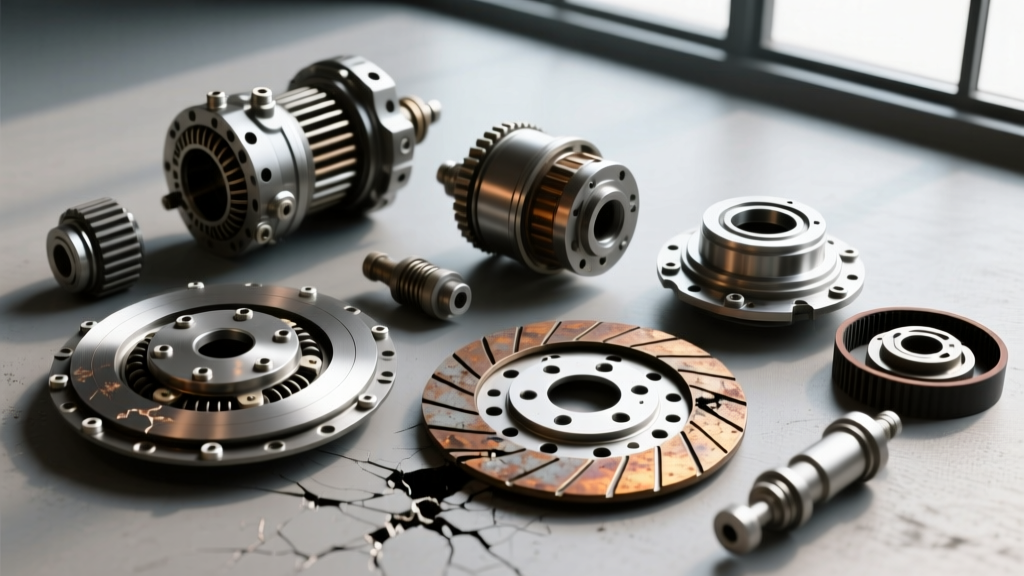
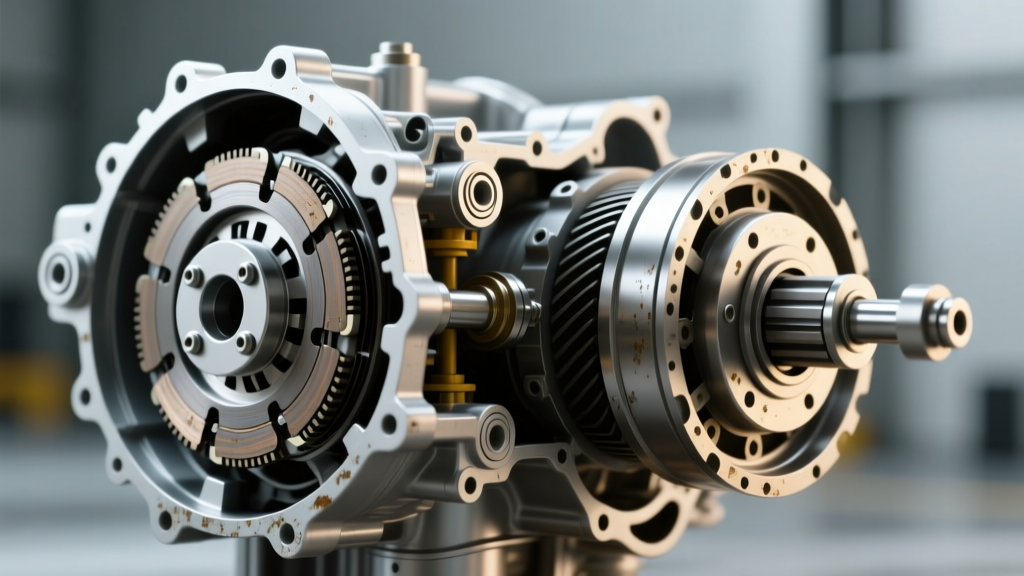
When evaluating the 2012 Ford Focus dual clutch transmission, technicians and owners must first understand that the PowerShift (internally designated as the Getrag 6DCT250 or DPS6) is not a traditional automatic. It is an automated manual transmission utilizing two dry clutches and electrically actuated shift forks. Because it relies on mechanical friction materials and electric stepper motors rather than hydraulic torque converters and wet clutch packs, the acoustic profile of a failing DPS6 is entirely unique. Diagnosing clutch noise in this platform requires abandoning traditional automatic transmission logic and adopting a manual-clutch diagnostic framework enhanced by modern electronic data logging.
Acoustic Triage: Decoding Grinding, Squealing, and Chirping
Noise diagnosis on the DPS6 hinges on isolating the sound based on engine RPM, vehicle speed, and clutch engagement state. The dry-clutch environment amplifies mechanical wear, making acoustic triage your most valuable initial diagnostic tool. Below is a structured matrix to help you pinpoint the failing component based on the specific auditory signature.
| Noise Type | Operational Condition | Primary Suspect Component | Required Diagnostic Action |
|---|---|---|---|
| High-Pitch Squealing | Clutch engagement (taking off from stop) | Release Bearing / Actuator Motor Gears | Inspect actuator motor plastic drive gears; check bearing preload. |
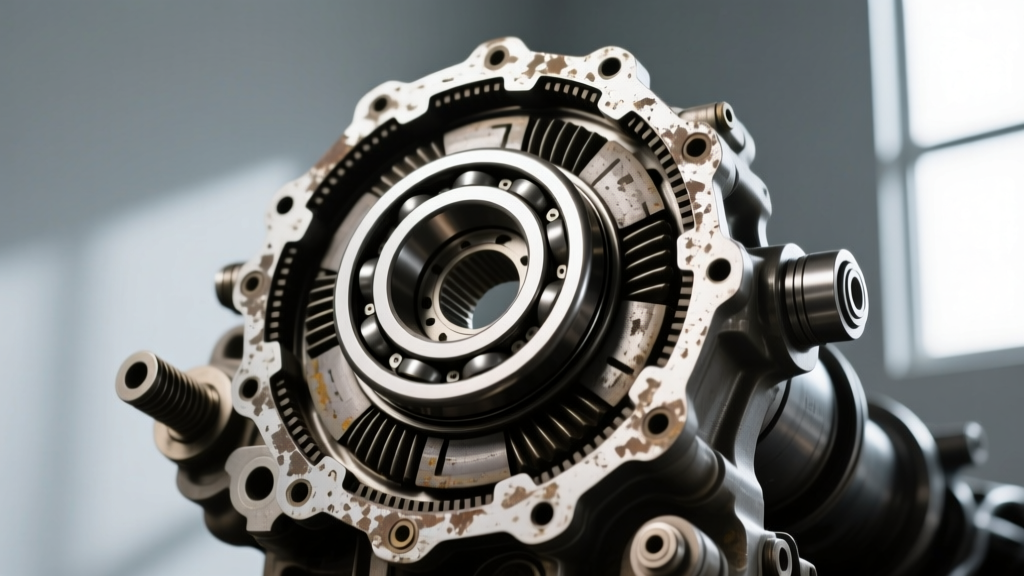
| Metallic Grinding | Idle in Neutral, changes with RPM | Input Shaft Bearings / Clutch Damper | Drop bellhousing; inspect input shaft for axial/radial play. |
| Rhythmic Chirping | During 1-2 or 2-3 gear transitions | Clutch Fork Pivot Ball / TCM Stepper | Log Forscan PIDs for clutch position sweep; inspect fork wear pads. |
| Severe Chatter/Shudder | Light acceleration in 1st or 2nd gear | Oil-Contaminated Friction Material | Inspect input shaft seals for 75W-90 gear oil leakage. |
Deep Dive: Actuator Motors and Forscan Diagnostics
The DPS6 utilizes two distinct clutch actuator motors mounted externally on the bellhousing. One motor controls the odd-gear clutch (1, 3, 5), and the other controls the even-gear clutch (2, 4, 6, R). A common failure point that generates a distinct whirring or grinding noise is the stripping of the internal plastic planetary gears within these actuator motors. When the gears strip, the motor spins freely, failing to disengage the clutch and causing severe grinding during gear synchronization.
Step-by-Step Actuator Motor Testing
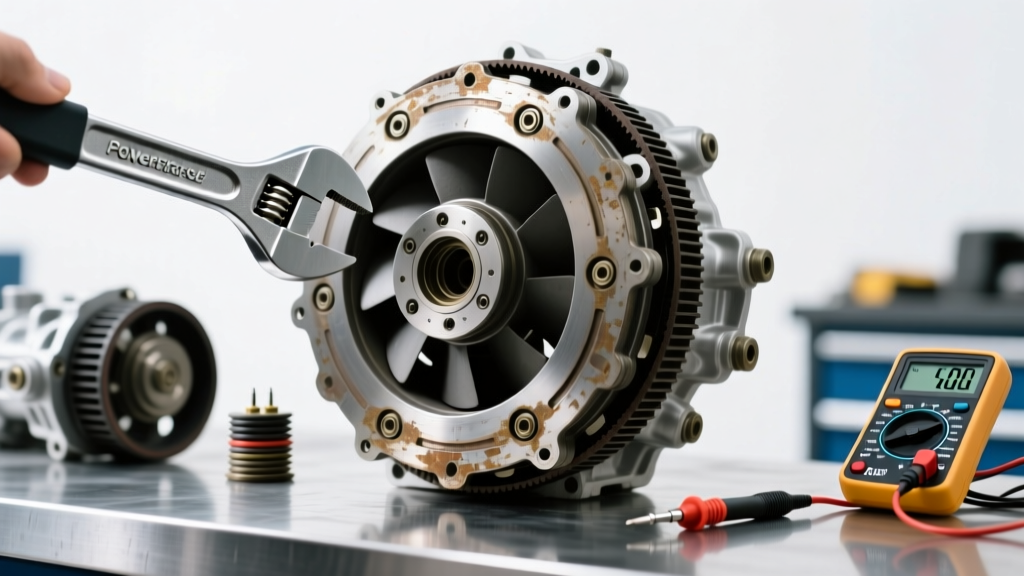
Before condemning the internal clutch assembly, you must verify the electronic and mechanical health of the actuators using an advanced OBD2 scanner capable of reading Ford-specific PIDs (such as Forscan or Ford IDS).
- Step 1: Connect your scan tool and access the TCM (Transmission Control Module) data logger.
- Step 2: Monitor the PIDs
CLT1_POS(Clutch 1 Position) andCLT2_POS(Clutch 2 Position). - Step 3: Perform a KOEO (Key On, Engine Off) clutch calibration. The TCM will command the actuator motors to sweep their full range of motion.
- Step 4: Observe the PID values. A healthy sweep should show a smooth, linear progression of position data. If the PID value stalls, jumps erratically, or fails to reach the target endpoint while you hear a grinding noise from the motor, the internal plastic gears are stripped, or the clutch fork is physically binding.
The Input Shaft Seal Epidemic
Perhaps the most documented failure mode of the 2012 Ford Focus dual clutch transmission is the premature failure of the input shaft seals. According to the NHTSA vehicle complaint database, thousands of owners have reported severe clutch shudder, squealing, and eventual transmission slipping. This is rarely a defect in the friction material itself, but rather a result of fluid contamination.
Expert Insight: The DPS6 gear case is filled with approximately 1.9 liters of 75W-90 gear oil. When the input shaft seals harden or wear, this oil migrates past the seal and drips directly onto the dry clutch friction discs. As the clutch engages, the oil burns, creating a high-pitch squeal and catastrophic micro-slip (chatter). If you are diagnosing a squealing clutch on a Focus, always pull the inspection cover and check for oil residue on the clutch housing before replacing the TCM or actuator motors.
For a deeper look into Ford's historical acknowledgments of these drivetrain anomalies, technicians can reference the extended coverage programs and technical service bulletins outlined on the Ford Support and Recalls portal, which historically addressed clutch shudder and seal leaks under programs like 14E02 and 19N01.
Repair Realities: Part Numbers, Torque Specs, and 2026 Pricing
As these vehicles age, sourcing OEM components and adhering to precise torque specifications is critical. The DPS6 is highly sensitive to clutch pack clearance and actuator alignment. Below is a breakdown of the most commonly replaced noise-related components, their OEM part numbers, and current market pricing estimates.
- Clutch Actuator Motor (OEM: AV6Z-7G391-A): Controls the clutch fork. Cost: $180 - $260.
- Complete Clutch Kit (OEM: 8M5Z-7540-A): Includes friction discs, pressure plates, and release bearings. Cost: $350 - $550.
- Input Shaft Seal Kit: Critical for stopping gear oil contamination. Cost: $40 - $80.
- TCM Replacement (OEM: CE4Z-12A575-B): Required if the internal stepper board has burned out due to binding clutch forks. Cost: $700 - $1,100 (plus programming).
Critical Torque Specifications
Improper torque on the DPS6 bellhousing or actuator motors will lead to misalignment, causing immediate chirping and premature fork wear. Always use a calibrated inch-pound torque wrench for the following:
- Actuator Motor to Bellhousing Bolts: 10 Nm (89 lb-in).
- Clutch Fork Pivot Ball: 12 Nm (106 lb-in).
- Bellhousing to Engine Block (M10 bolts): 48 Nm (35 lb-ft).
- Clutch Damper Assembly to Flywheel: 115 Nm (85 lb-ft) in a star pattern.
Final Diagnostic Best Practices
Diagnosing the 2012 Ford Focus dual clutch transmission requires patience and a methodical approach. Never assume a grinding noise is internal gear failure without first verifying the health of the external actuator motors and the clutch release bearings. Furthermore, never replace a slipping or chattering clutch kit without thoroughly cleaning the bellhousing and replacing the input shaft seals; otherwise, the new friction material will be contaminated by gear oil within 5,000 miles. By leveraging Forscan PID data, understanding the dry-clutch architecture, and adhering to strict torque specifications, you can accurately isolate and resolve the complex acoustic anomalies inherent to the Getrag DPS6 platform.