The Anatomy of the DPS6 Dry Dual-Clutch Burn
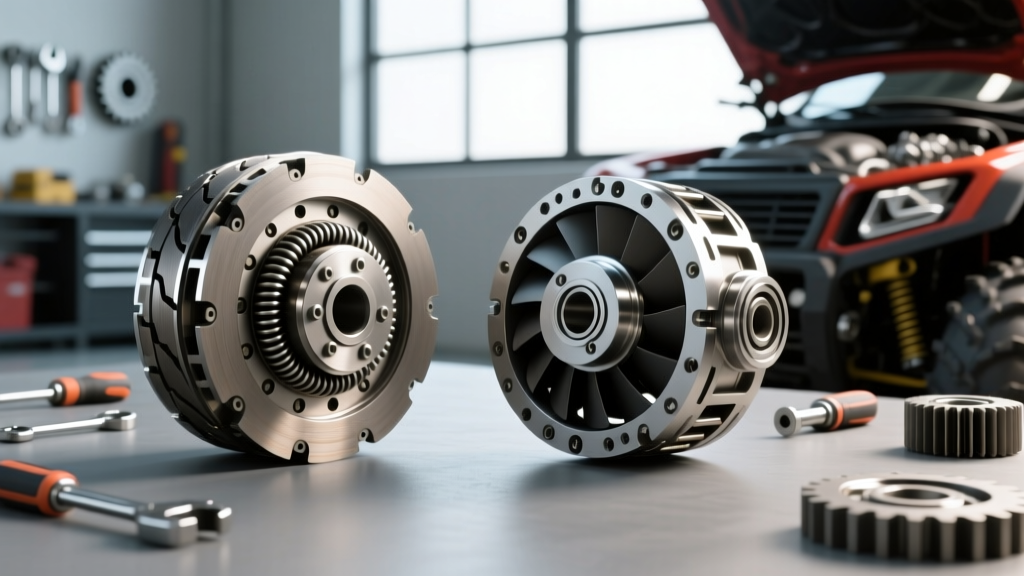
When you detect an acrid, burnt-toast odor emanating from your vehicle, it is a definitive indicator of friction material vaporization. In the context of the Ford PowerShift DPS6 (6DCT250) transmission, this burning smell is almost exclusively tied to the dry dual-clutch assembly. Unlike wet dual-clutch systems that rely on continuous fluid cooling, the DPS6 utilizes two dry friction discs—C1 for odd gears (1, 3, 5) and C2 for even gears (2, 4, 6, R). Because there is no transmission fluid circulating through the clutch housing to dissipate heat, any prolonged micro-slipping rapidly spikes surface temperatures past 400°F (204°C), baking the organic friction material and producing a distinct, noxious burning smell.
As we navigate the automotive landscape in 2026, the DPS6 remains a heavily debated transmission. While Ford has largely transitioned to traditional torque-converter automatics and wet DCTs for newer models, millions of DPS6-equipped Focus and Fiesta vehicles remain on the road. Diagnosing the root cause of clutch overheating requires a methodical approach, separating software adaptation drift from catastrophic mechanical failure.
The Physics of 'Creep Mode' Overheating
The most common trigger for a burning smell in a Ford dual clutch system is low-speed, stop-and-go traffic. A traditional automatic uses a fluid-coupled torque converter to 'creep' forward without stalling. The DPS6, however, uses a mechanical clutch. To simulate creeping, the Transmission Control Module (TCM) intentionally modulates the clutch actuator to maintain a 15% to 30% slip rate. If the TCM's adaptation tables drift, or if the clutch actuator lever wears, the slip rate can increase to 60% or higher. This massive friction discrepancy generates immense heat, glazing the clutch face and vaporizing the binding resins, which vents directly out of the bellhousing inspection cover.
Step-by-Step Diagnostic Protocol
Before dropping the transmission, you must interrogate the TCM. Standard OBD2 scanners are insufficient for DPS6 diagnostics; you need an advanced bi-directional tool or a laptop running FORScan with an ELM327-compatible adapter to read manufacturer-specific PID (Parameter Identification) data.
Expert Diagnostic Tip: Never replace a DPS6 clutch pack without first recording the pre-removal clutch touch-point PIDs. This baseline data is critical for determining if the failure was caused by normal wear or a faulty actuator motor pushing the clutch too hard against the flywheel.
Interpreting TCM PID Data
Connect your diagnostic tool and navigate to the TCM data stream. You are looking for the Clutch Actuator Position sensors. The DPS6 uses two external stepper motors (Actuator A and Actuator B) to push levers that engage the diaphragm springs. Monitor the following PIDs while the vehicle is idling in Drive with the brake applied:
| PID Parameter | Normal Specification | Wear / Failure Threshold | Diagnostic Meaning |
|---|---|---|---|
| CLT1_ACT (Clutch 1 Position) | 10.5mm - 13.5mm | > 15.0mm | C1 friction disc worn; lever pivot bushing degraded. |
| CLT2_ACT (Clutch 2 Position) | 10.5mm - 13.5mm | > 15.0mm | C2 friction disc worn; actuator motor failing to hold pressure. |
| TCM_TEMP (Transmission Temp) | 140°F - 190°F | > 240°F | Active clutch slipping; TCM will trigger 'limp mode' to prevent fire. |
| CLT_SLIP (Clutch Slip RPM) | < 50 RPM (at idle) | > 150 RPM | Severe micro-slip; primary cause of the burning smell. |
If your CLT_SLIP RPM is consistently above 150 while idling in gear, the friction material is actively burning. If the actuator positions are beyond 15.0mm, the physical clutch pack (Part # AE8Z-7550-A) has reached the end of its service life.
Mechanical Inspection: Contamination vs. Wear
Once the transmission is removed from the vehicle, the bellhousing must be inspected. A burning smell is not always the result of simple wear; it is frequently the symptom of a secondary failure introducing contaminants into the dry clutch cavity.
- Input Shaft Seal Failure: The DPS6 gearbox requires approximately 1.9 liters of Motorcraft Manual Transmission Fluid (XT-M5-QS). The input shaft seals separate this gear oil from the dry clutch housing. If the seal hardens and fails, gear oil slingshots onto the dry friction plates. An oil-soaked clutch will slip violently under load, burning the friction material and the oil simultaneously. This produces a smell that is distinctly sharper and more chemical than standard organic clutch dust.
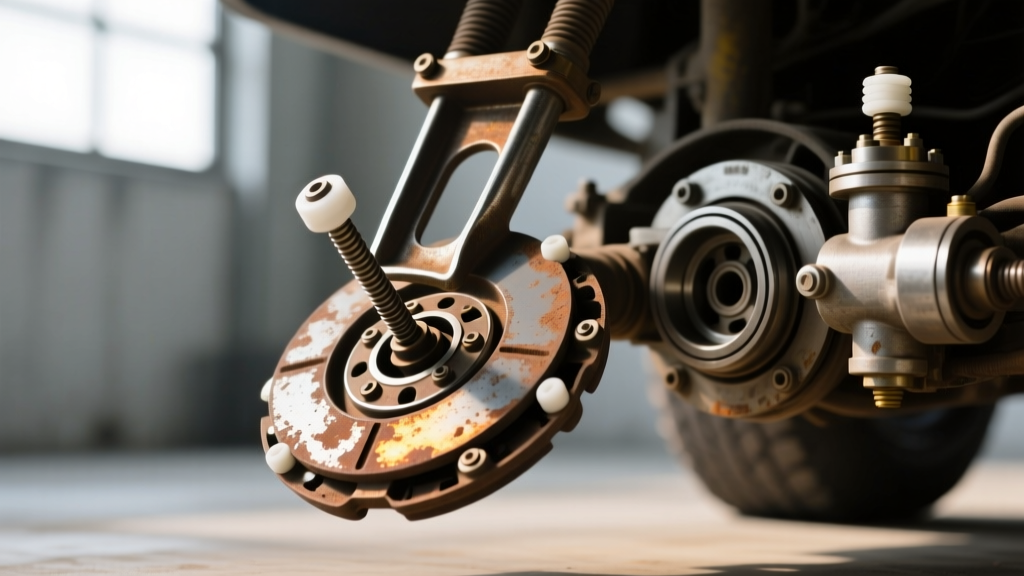
- Actuator Lever Pivot Wear: The external actuator motors push against steel levers that pivot on small needle bearings. In high-mileage units, these bearings seize or wear into the aluminum bellhousing. This creates a dead-zone in the actuator travel, forcing the TCM to overcompensate, leading to incomplete clutch engagement and chronic slipping.
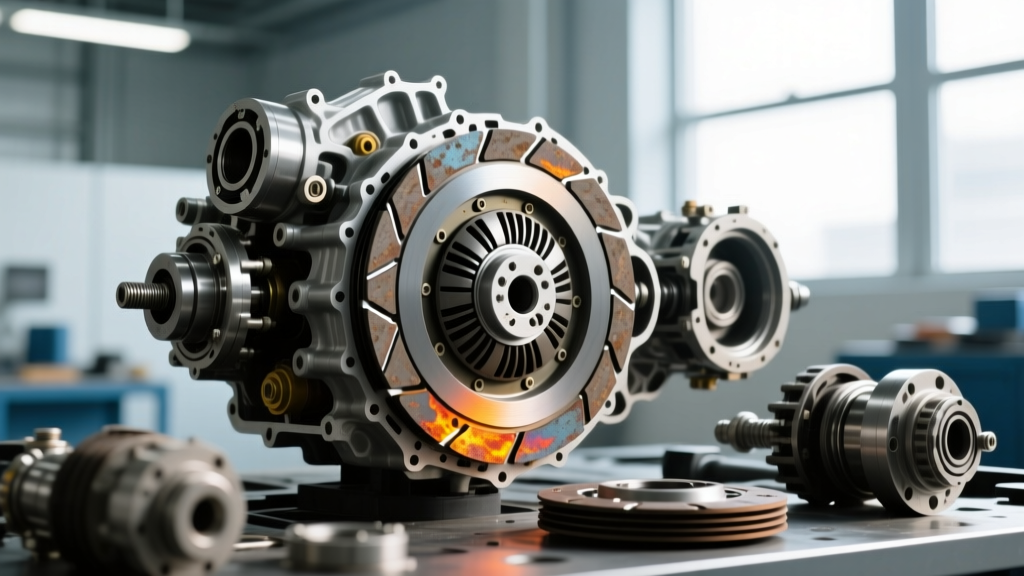
- Dual-Mass Flywheel (DMF) Glazing: Inspect the flywheel friction surface. If it exhibits deep blue heat spots or radial cracking, the flywheel must be replaced or resurfaced. Installing a new clutch pack on a glazed DMF will result in immediate chatter and a return of the burning smell within 50 miles.
Repair Costs, Part Numbers, and Torque Specs
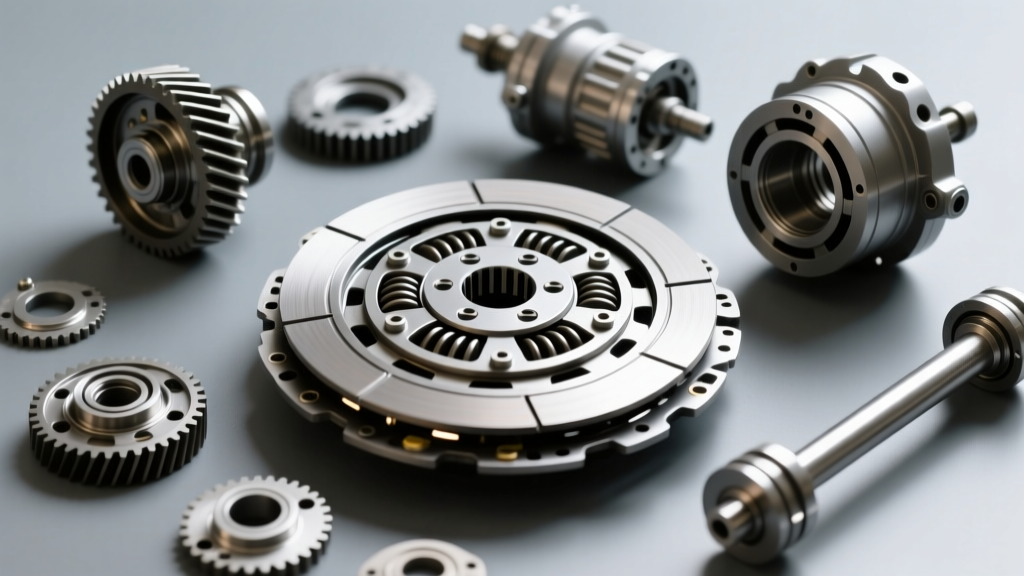
Repairing a Ford dual clutch system requires precision. The DPS6 is highly sensitive to clamping load variances. Below is a breakdown of the necessary components, current 2026 aftermarket and OEM pricing estimates, and the critical torque specifications required for reassembly.
| Component | OEM Part Number | Est. Cost (USD) | Installation Torque Spec |
|---|---|---|---|
| Dry Clutch Pack Kit | AE8Z-7550-A | $350 - $450 | Pressure Plate: 12 Nm + 90° |
| Clutch Actuator Motor A | AE8Z-7G495-B | $180 - $220 | Mounting Bolts: 10 Nm |
| Clutch Actuator Motor B | AE8Z-7G495-C | $180 - $220 | Mounting Bolts: 10 Nm |
| Input Shaft Seal Kit | 6DCT250-SEAL | $45 - $75 | Press-fit (Use proper driver) |
| Flywheel to Crankshaft | N/A (Hardware) | $30 (Bolts) | 90 Nm + 45° (M10 stretch bolts) |
| Bellhousing to Engine Block | N/A (Hardware) | N/A | 40 Nm (M10 bolts) |
Note: Total dealership repair costs for a DPS6 clutch replacement typically range from $1,800 to $2,600. Independent transmission specialists with DPS6 experience usually quote between $1,200 and $1,600.
The Critical Final Step: TCM Adaptation Reset
The most common mistake made by generalist mechanics when addressing a Ford dual clutch burning smell is failing to reset the TCM adaptations. The TCM stores the exact millimeter position where the clutch begins to transfer torque (the 'touch point'). As the clutch wears over 80,000 miles, the TCM continuously adjusts the actuator motor travel to compensate for the thinning friction material.
If you install a brand-new, full-thickness clutch pack but leave the old adaptation tables in the TCM, the computer will push the clutch actuator too far, thinking the clutch is still worn. This will result in the clutch being partially disengaged at all times, causing massive slip, immediate overheating, and a severe burning smell within the first test drive.
How to Perform the Adaptation Reset
- Connect your bi-directional scan tool or FORScan interface.
- Navigate to the TCM Service Routines menu.
- Select 'Reset Transmission Adaptations' or 'Clutch Touch Point Learning'.
- Follow the on-screen prompts. The vehicle will typically need to be raised on a lift with the drive wheels free to spin, or driven on a flat, straight road while the TCM cycles through the engagement points for both C1 and C2.
- Verify via live data that the new CLT1_ACT and CLT2_ACT values have returned to the baseline 10.5mm - 12.0mm range.
For further technical service bulletins regarding clutch seal failures and actuator motor warranties, technicians should consult the Ford Service Content Portal or review historical safety and recall data via the NHTSA Recalls Database. Proper diagnosis, adherence to torque specs, and mandatory software resets are the only ways to permanently eliminate the burning smell and restore the DPS6 to reliable operation.