The Architecture Debate: Dry Dual-Disc vs. Wet Multi-Disc Clutch Systems
When diagnosing drivetrain shudder, slipping, or harsh engagements in modern vehicles, transmission technicians must fundamentally understand the friction architecture at play. The Ford PowerShift DPS6 transmission, found in millions of Fiesta and Focus models, relies on a dry dual-disc clutch system. However, to truly master the dps6 clutch kit replacement and understand its inherent failure points, we must contrast it with traditional multi-disc clutch systems found in automatic transmissions and wet dual-clutch transmissions (DCTs) like Ford's own 6DCT450 or the ZF 8HP.
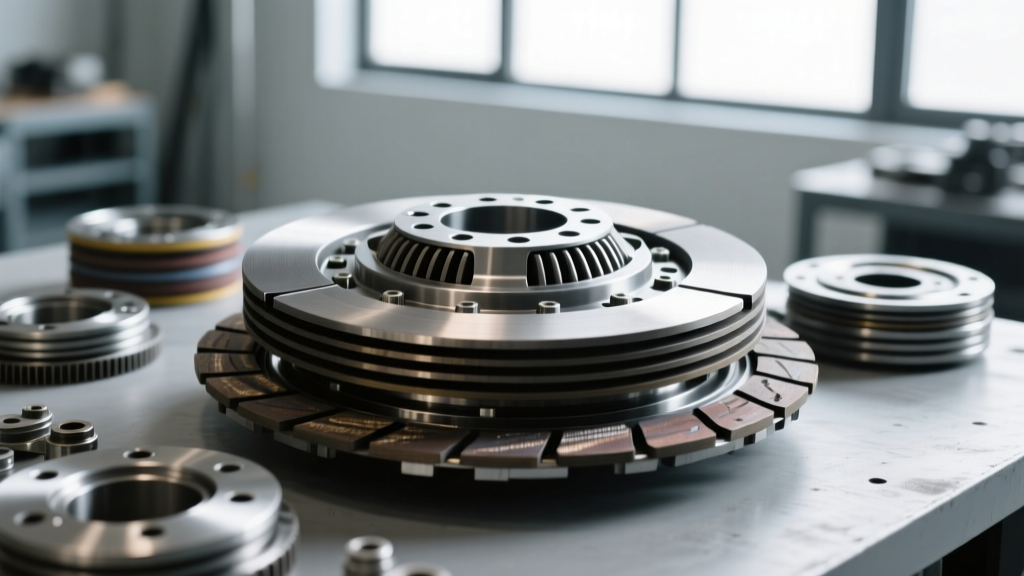
In a wet multi-disc clutch system, torque is transferred through a pack of alternating friction discs and steel separator plates bathed in transmission fluid. The fluid serves two purposes: it provides hydraulic pressure to apply the clutch pack via a piston, and it acts as a coolant to dissipate the immense heat generated during slip phases (such as launching from a stop). Because the load is distributed across 6 to 12 friction surfaces, multi-disc clutch systems can handle massive torque loads in a compact physical footprint.
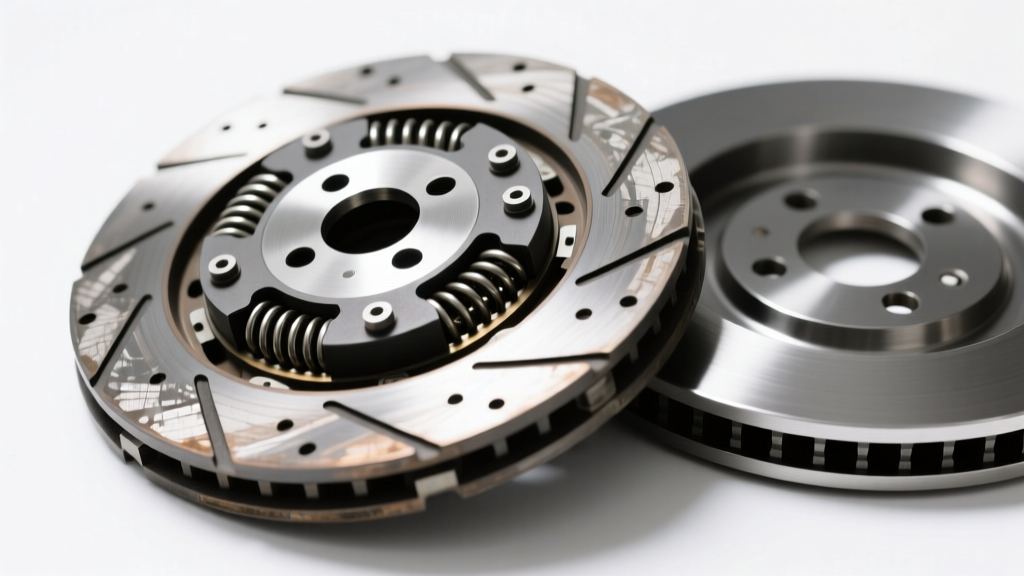
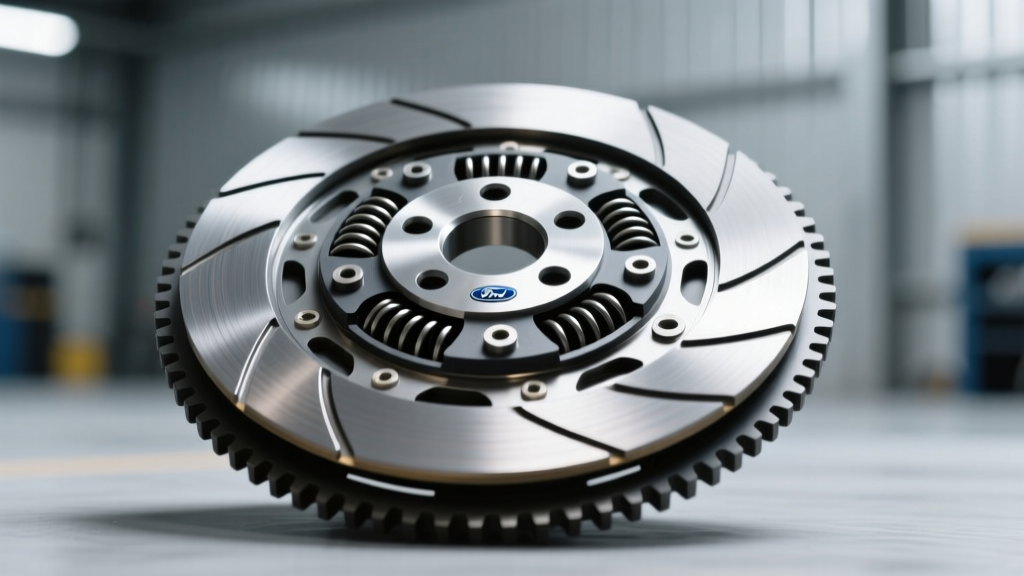
Conversely, the DPS6 utilizes two independent, single dry clutch discs—one controlling the odd gears (1, 3, 5) and the other controlling the even gears (2, 4, 6, R). According to Schaeffler Automotive's DCT engineering documentation, dry dual-clutch systems offer superior mechanical efficiency (up to 95%) because they eliminate the parasitic drag of hydraulic fluid pumps. However, the trade-off is thermal capacity. Without the cooling properties of a wet multi-disc pack, the DPS6's dry friction materials are highly susceptible to overheating in stop-and-go traffic, leading to the infamous 'PowerShift shudder,' glazing, and premature wear.
Diagnosing the DPS6: When to Pull the Trigger on a Clutch Kit
Before ordering your dps6 clutch kit, verify the mechanical failure versus a purely electronic Transmission Control Module (TCM) fault. The DPS6 is notorious for TCM actuator motor failures. If the vehicle exhibits a complete loss of drive and throws codes like P090C (Clutch Actuator Circuit Low) or P090D, the issue may be isolated to the external servo motors rather than the internal clutch discs.
However, if the vehicle exhibits the following symptoms, the internal friction material is compromised, and a full teardown is required:
- Low-Speed Shudder: A violent shaking between 5-15 mph, indicating uneven friction material wear or hot-spotting on the dual-mass flywheel.
- Slipping Under Load: RPM flares during 2-3 or 4-5 upshifts, indicating the dry clutch disc has worn past its minimum thickness specification.
- Harsh Engagements: Clunky shifts caused by the TCM attempting to compensate for worn friction material by aggressively ramping up actuator pressure.
Essential Tools, Part Numbers, and 2026 Pricing
Sourcing high-quality components is non-negotiable. Avoid unbranded aftermarket kits; the DPS6 requires precise friction coefficients to match the TCM's adaptive tables. LuK (a division of Schaeffler) is the OEM supplier for Ford's dry DCTs.
| Component | OEM / Premium Part Number | Estimated Cost (2026) |
|---|---|---|
| LuK RepSet (Dual Clutch Module) | 624 3268 09 | $280 - $340 |
| Dual-Mass Flywheel (DMF) | 417 0054 09 | $450 - $600 |
| Clutch Actuator Motor (Left/Right) | Motorcraft CM-14025-A | $150 - $220 (each) |
| Input Shaft Seal Kit | Ford 4S4Z-7050-AA | $35 - $50 |
Required Specialty Tools: Ford Dual Clutch Alignment Tool (T10463 or equivalent), Transmission Jack Adapter, Digital Caliper, and a Dial Indicator.
Step-by-Step DPS6 Clutch Kit Installation Guide
1. Removal and Flywheel Inspection
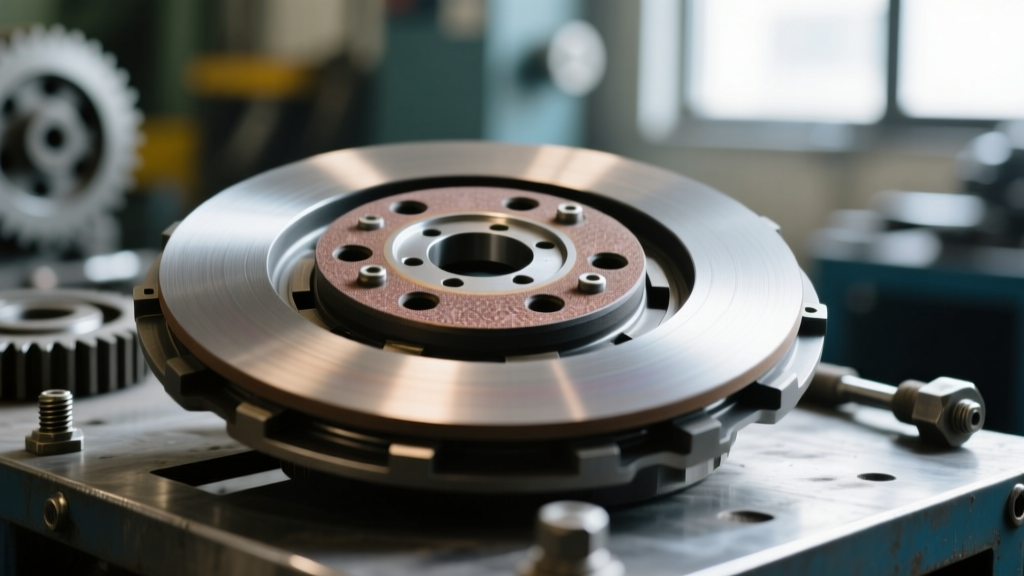
Once the DPS6 transmission is lowered from the vehicle, remove the bellhousing cover and unbolt the dual-mass flywheel. The flywheel to crankshaft bolts are torque-to-yield and must be discarded. Inspect the flywheel friction surface for deep grooving, bluing (heat damage), or radial cracks. Pro-Tip: Never reuse a worn DMF with a new dps6 clutch kit. The microscopic runout of a worn DMF will destroy the new dry clutch disc splines within 5,000 miles.
Torque Spec: New flywheel bolts must be torqued to 115 Nm (85 lb-ft) in a star pattern.
2. Spline Alignment and Dual-Clutch Module Installation
Unlike a traditional single-disc manual transmission where you use a simple alignment dowel, the DPS6 requires a specialized alignment tool to center both the inner and outer input shafts simultaneously. Slide the new LuK dual-clutch module onto the shafts. If you force it, you will bind the splines, leading to immediate drag and overheating upon startup.
Secure the clutch module to the transmission input shafts using the factory retaining bolts.
Torque Spec: Clutch module to input shaft bolts: 35 Nm (26 lb-ft) + 45 degrees.
3. The Critical Step: Actuator Pushrod Gap Measurement
This is where 90% of independent shops fail the DPS6 repair. The external electric actuator motors use a threaded pushrod to press against the clutch release levers. If the gap is incorrect, the TCM will either over-stroke the clutch (causing drag and gear crunching) or under-stroke it (causing slipping and P090C codes).
- Install the transmission and mate it to the engine block. Torque Spec: Bellhousing bolts to 48 Nm (35 lb-ft).
- Install the left and right clutch actuator motors.
- Using a digital caliper, measure the distance between the actuator pushrod ball stud and the clutch release lever pad.
- Adjust the threaded pushrod on the actuator motor until the gap measures exactly 10.5mm to 11.5mm (refer to the specific LuK technical insert included in your kit, as revisions vary slightly).
- Lock the adjustment nut securely with a 10mm wrench to prevent vibration-induced backing out.
TCM Adaptation and Software Calibration
Physical installation is only half the battle. The DPS6 Transmission Control Module relies on adaptive learning tables to dictate clutch kiss-points and shift pressures. If you install a new dps6 clutch kit without resetting these values, the TCM will apply the worn-clutch pressure maps to the new, thicker friction discs, resulting in harsh, jerky shifts.
Using a professional bi-directional scan tool or FORScan diagnostic software, you must perform the following service routines:
- Clear Keep Alive Memory (KAM): Erases the old adaptive shift tables.
- Clutch Touch Point Adaptation: Commands the actuators to slowly engage the clutches while the vehicle is lifted and the engine is running, allowing the TCM to 'feel' and record the exact millimeter where friction begins.
- Shift Drum Learning: Calibrates the selector motors for the odd and even gear shafts.
Longevity and Maintenance Considerations
While wet multi-disc clutch systems can easily survive 150,000 miles with basic fluid changes, the dry dual-disc architecture of the DPS6 requires a more nuanced approach to longevity. To maximize the life of your newly installed dps6 clutch kit, advise drivers to avoid 'creeping' in traffic. Holding the vehicle on an incline using the throttle rather than the brake pedal forces the dry clutch into a continuous slip state, generating heat that glazes the friction material in a matter of weeks. By understanding the thermal limitations of dry systems versus the robust nature of multi-disc clutch packs, technicians can set proper customer expectations and deliver a repair that stands the test of time.
For further OEM specifications and technical service bulletins regarding the PowerShift lineup, technicians should consult the Motorcraft Parts and Service Catalog to ensure all software flashes and hardware revisions are up to date for the 2026 service landscape.