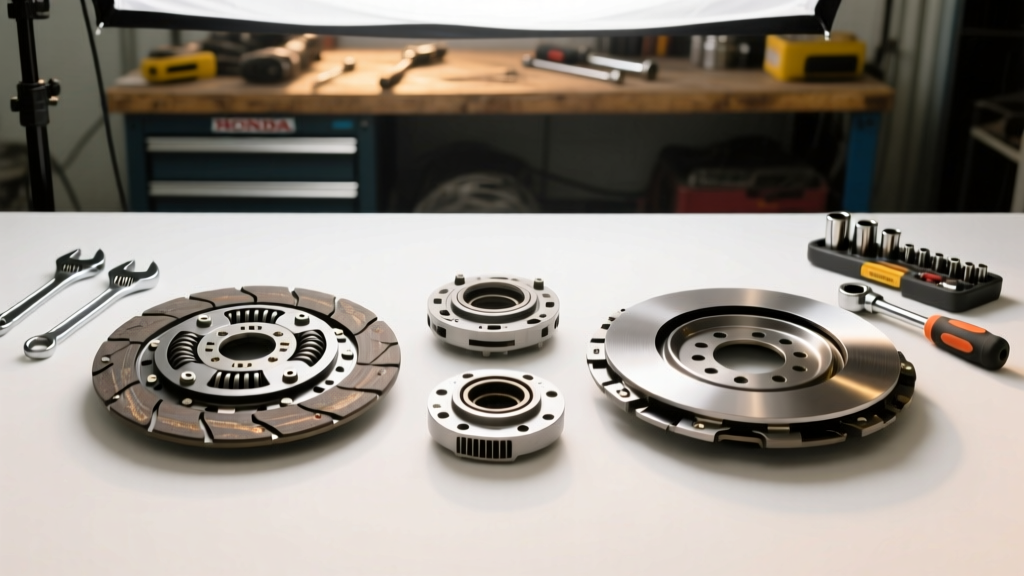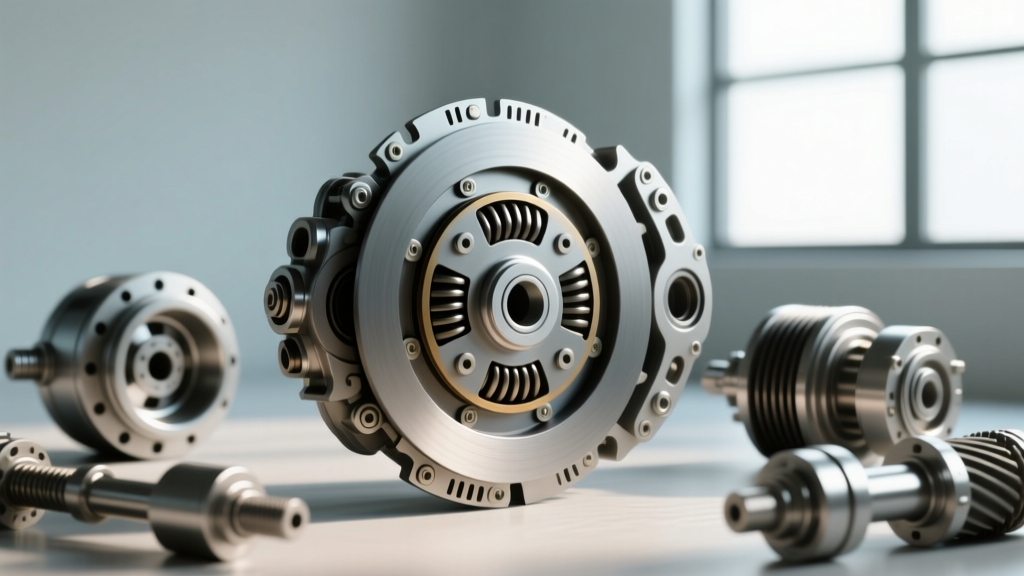
Why Your Focus ST Clutch Replacement is Inevitable
The Ford Focus ST (2013–2018) remains one of the most capable and tunable hot hatches on the road. However, the factory clutch is notoriously weak, especially when paired with the engine's aggressive low-end torque curve and common ECU tunes. If you are pushing past the stock 252 lb-ft of torque, a Focus ST clutch replacement is not just maintenance—it is a mandatory upgrade for drivetrain survival.
The Focus ST utilizes the Getrag MMT6 (also known as the B6) 6-speed manual transmission. While the MMT6 internals are robust enough to handle significant power, the factory dual-mass flywheel (DMF) and organic clutch disc are the primary weak links. In 2026, with most Focus STs crossing the 10-year age mark, hydraulic release bearing failures and DMF rattle are at an all-time high. Choosing the right replacement kit and understanding the nuances of MMT6 transmission removal will save you from doing this labor-intensive job twice.
The Great Debate: Dual-Mass vs. Single-Mass Flywheels
Before selecting a kit, you must decide between retaining the Dual-Mass Flywheel (DMF) or converting to a Single-Mass Flywheel (SMF). The factory DMF is designed to absorb torsional vibrations from the 2.0L EcoBoost, providing a smooth idle and easy daily driving experience. However, DMFs are expensive, prone to failure under high torque, and limit your clutch upgrade options.
Converting to an SMF eliminates the failure-prone dual-mass mechanism, reduces rotational mass for faster rev-matching, and unlocks heavy-duty clutch options. The trade-off is increased NVH (Noise, Vibration, and Harshness). You will hear more gear rattle at idle and feel more drivetrain shock during aggressive launches. For dedicated track cars or heavily tuned STs, an SMF is the superior choice. For daily drivers, a high-quality DMF setup or a sprung-hub SMF kit is recommended.
2026 Buyer’s Guide: Comparing Focus ST Clutch Kits
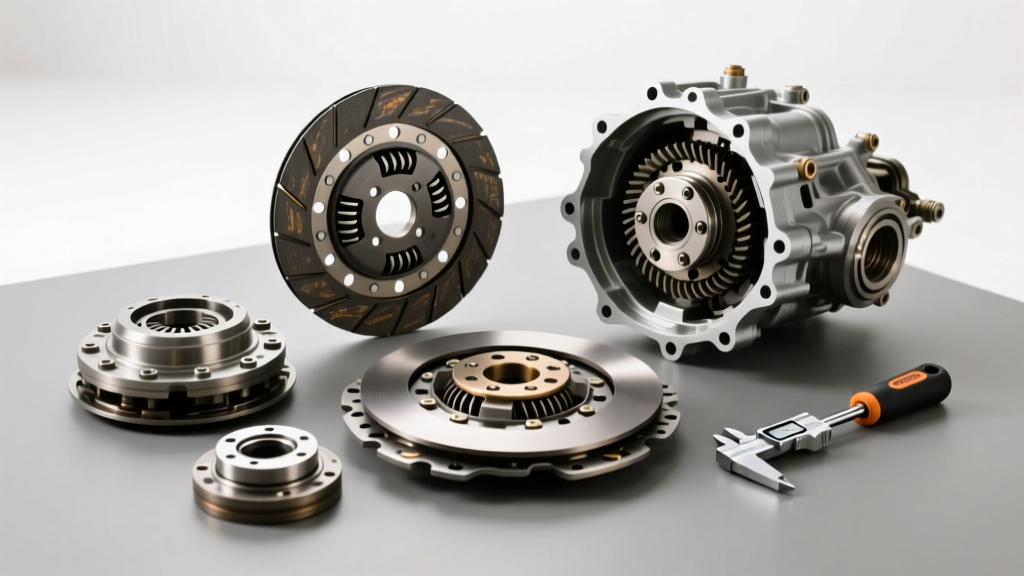
Below is a comprehensive comparison of the most trusted clutch kits for the Focus ST, ranging from OEM replacements to high-holding track solutions. Pricing reflects current 2026 market averages.
| Brand / Kit | Part Number | Flywheel Type | Torque Capacity | Best Use Case | Est. Price |
|---|---|---|---|---|---|
| OEM (LuK RepSet) | 624 3264 00 | DMF | Stock (252 lb-ft) | Stock daily drivers | $350 - $400 |
| Ford Performance Track | M-7563-FSTA | SMF | ~350 lb-ft | Street/Track, Stage 1-2 | $550 - $650 |
| ACT Heavy Duty Sprung | FD2-HDSS | SMF (Sprung) | ~410 lb-ft | Aggressive Street, E30 | $750 - $850 |
| Clutch Masters FX350 | 08168-HD00X | SMF | ~380 lb-ft | Daily/Track Hybrid | $650 - $700 |
1. Ford Performance Track Clutch (M-7563-FSTA)
Available directly through Ford Performance Parts, this kit is the gold standard for moderately modified STs. It includes a lightweight single-mass flywheel and a ceramic-organic hybrid disc. The pedal feel is noticeably stiffer than stock, but it maintains excellent drivability in stop-and-go traffic. It holds up reliably to Stage 2 tunes (downpipe + intercooler + tune) pushing around 320-340 wheel horsepower.
2. ACT Heavy Duty Sprung 6-Pad (FD2-HDSS)
For those running E30 blends, larger turbos, or drag radials, ACT Clutches offers unparalleled clamping force. The FD2-HDSS kit features a heavy-duty pressure plate and a 6-pad sprung ceramic disc. The sprung hub is critical here; it acts as a dampener to protect the MMT6 transmission gears from shock loading during hard launches. Expect a heavy pedal and some chatter, but zero slip.
3. OEM LuK Replacement
If your ST is completely stock and you prioritize comfort over performance, the LuK RepSet is the exact OEM replacement. It includes a new DMF, organic disc, pressure plate, and alignment tool. While it won't hold extra power, it restores the factory-smooth pedal feel and quiet idle.
MMT6 Transmission Removal: Step-by-Step Procedure
The Focus ST clutch replacement process is heavily dependent on safely removing the MMT6 transmission. The engine bay is tight, and the turbocharger downpipe limits clearance. While some mechanics attempt to 'tilt' the engine and pull the transmission from the top or side, the industry best practice is the subframe drop method. This provides ample room to maneuver the 75-lb gearbox out from underneath without damaging steering components or the turbo.
Preparation and Axle Removal
- Fluid Drain: Drain the MMT6 gear oil via the 8mm hex drain plug. Expect to catch about 2.8 quarts of 75W FE-ND fluid.
- Wheels & Brakes: Remove both front wheels and the 18mm caliper carrier bolts. Hang the calipers to avoid stressing the brake lines.
- Axle Nuts: Break the 34mm axle nuts loose while the car is on the ground. These are torqued to a massive 235 Nm (173 lb-ft).
- Ball Joints & Sway Bar: Remove the 18mm lower ball joint nuts and the sway bar end links to allow the steering knuckles to swing outward.
- Axle Extraction: Carefully pry the passenger and driver-side axles from the MMT6 differential. Use a plastic pry bar to avoid gouging the aluminum transmission casing. Support the axles with bungee cords to prevent CV joint over-extension.
Engine Support and Subframe Drop
You must support the engine from above using an engine support bar spanning the strut towers. The MMT6 is connected to the engine block, and the rear motor mount bolts directly to the subframe.
- Remove the rear motor mount through-bolt (18mm) and the mount-to-bracket bolts (15mm).
- Disconnect the O2 sensors, ground straps, and reverse light connector from the transmission.
- Support the rear subframe with a transmission jack and wooden block.
- Remove the four main subframe bolts (18mm/21mm). Slowly lower the subframe. This will tilt the engine/transmission assembly rearward, exposing the top bellhousing bolts.
Bellhousing and Slave Cylinder
The top bellhousing bolts (13mm and 15mm) are notoriously difficult to reach. A long extension with a universal joint and a flex-head ratchet is mandatory. Once all bellhousing bolts are removed, carefully slide the MMT6 rearward off the engine dowel pins.
Expert Warning: The Focus ST uses an internal Concentric Slave Cylinder (CSC), also known as a hydraulic release bearing. Never reuse the factory CSC. The internal seals degrade over time, and a failure requires dropping the transmission all over again. Always install the new CSC included in your clutch kit, ensuring the plastic retaining clips are removed only after the transmission is bolted to the block.
Critical Torque Specs and Reassembly
Improper torque on the MMT6 or EcoBoost flywheel will lead to catastrophic failure, warped rotors, or bellhousing cracks. Use a calibrated torque wrench and follow these exact specifications:
- Flywheel to Crankshaft (M10x1.0 bolts): 75 Nm (55 lb-ft) + 90-degree turn. (Use new bolts and apply medium threadlocker).
- Pressure Plate to Flywheel (M8 bolts): 29 Nm (21 lb-ft). Tighten in a star pattern to ensure even clamping.
- Bellhousing to Engine Block: 48 Nm (35 lb-ft).
- Rear Motor Mount to Bracket: 90 Nm (66 lb-ft).
- Subframe to Chassis: 175 Nm (129 lb-ft).
- Axle Nuts (34mm): 235 Nm (173 lb-ft). Always use brand new axle nuts; they are torque-to-yield.
Hydraulic System Bleeding and Break-In
The MMT6 hydraulic clutch system is notorious for trapping air, leading to a spongy pedal and difficult gear engagement. After reassembly, fill the reservoir with Motorcraft DOT 4 LV High Performance fluid (or an equivalent low-viscosity DOT 4).
Standard gravity bleeding rarely works on the Focus ST. You must perform a pressure bleed from the slave cylinder bleeder valve upward to the master cylinder, or use the 'zip-tie the pedal to the steering wheel overnight' method to allow micro-bubbles to rise to the reservoir. For more bleeding tricks and community troubleshooting, the Focus Fanatics forums remain an invaluable resource for MMT6-specific quirks.
Break-In Procedure: If you installed an aftermarket organic or ceramic kit (like the Ford Performance or ACT kits), you must bed the clutch. Drive the car in normal city traffic for 500 miles. Avoid full-throttle launches, aggressive towing, or holding the car on hills using the clutch. This allows the friction material to mate evenly with the flywheel, ensuring maximum torque capacity and a long service life.