The PowerShift Paradox: Does the DPS6 Even Have a Clutch Pedal?
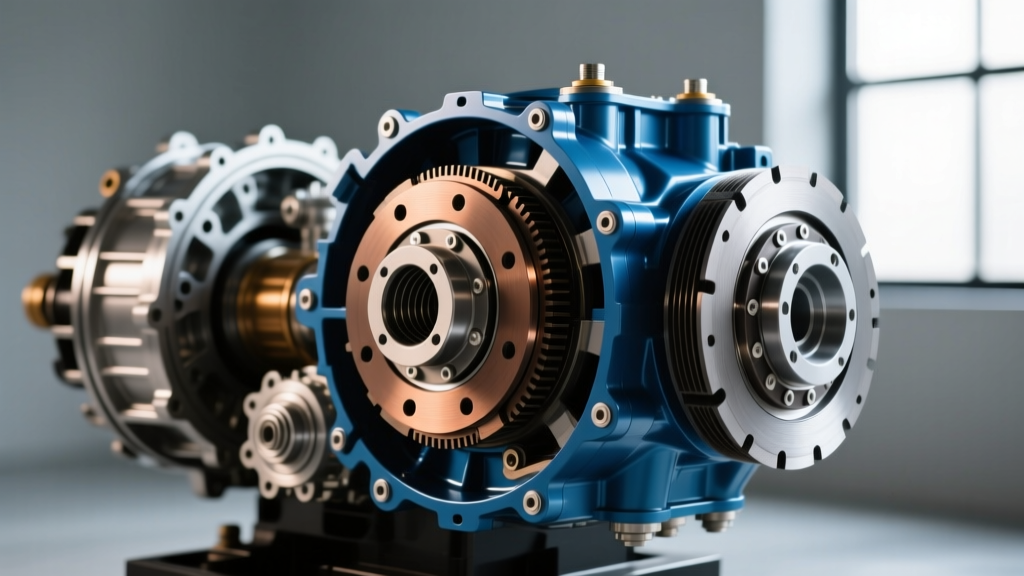
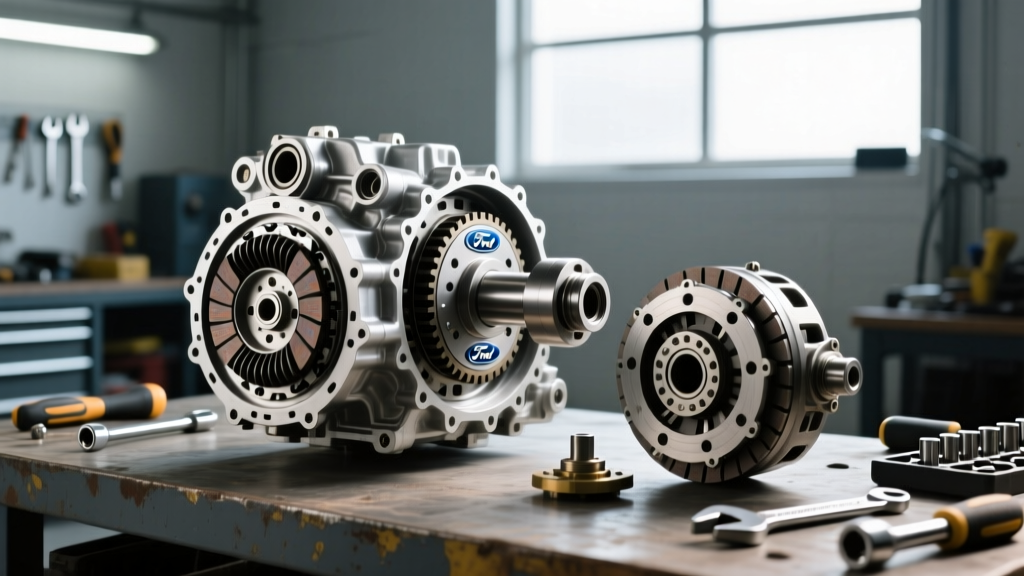
When diagnosing drivetrain faults in the Ford Focus lineup, technicians and owners frequently encounter a massive point of confusion regarding clutch actuation. The notorious Ford Focus dual clutch issues primarily stem from the Getrag 6DCT250 (marketed as the PowerShift DPS6), an automated manual transmission utilized heavily between 2012 and 2018. Here is the critical E-E-A-T distinction: the DPS6 does not possess a driver-operated clutch pedal. It relies on two external hydraulic clutch actuators controlled by a Transmission Control Module (TCM).
Conversely, the traditional manual Focus models equipped with the MTX-75 (2.0L Duratec) or IB5 (1.6L Ti-VCT) transmissions utilize a conventional hydraulic clutch master and concentric slave cylinder setup linked to a physical pedal. When drivers search for solutions to 'clutch pedal vibration' or 'spongy clutch pedals' while simultaneously referencing dual-clutch shudder, they are often conflating brake pedal feedback from the DPS6 with actual hydraulic clutch pedal failures found in the manual variants. This model-specific repair guide dissects both systems, providing exact part numbers, torque specifications, and diagnostic frameworks to isolate the root cause of your pedal anomalies.
Manual Focus Clutch Pedal Symptoms: Soft, Spongy, and Hard
For Focus models equipped with the MTX-75 or IB5 manual transmissions, the clutch pedal is a direct window into the health of the hydraulic actuation system and the mechanical clutch assembly. A deviation in pedal feel almost always points to one of three specific failure modes.
Diagnosing the Spongy Pedal (Hydraulic Air & CSC Failure)
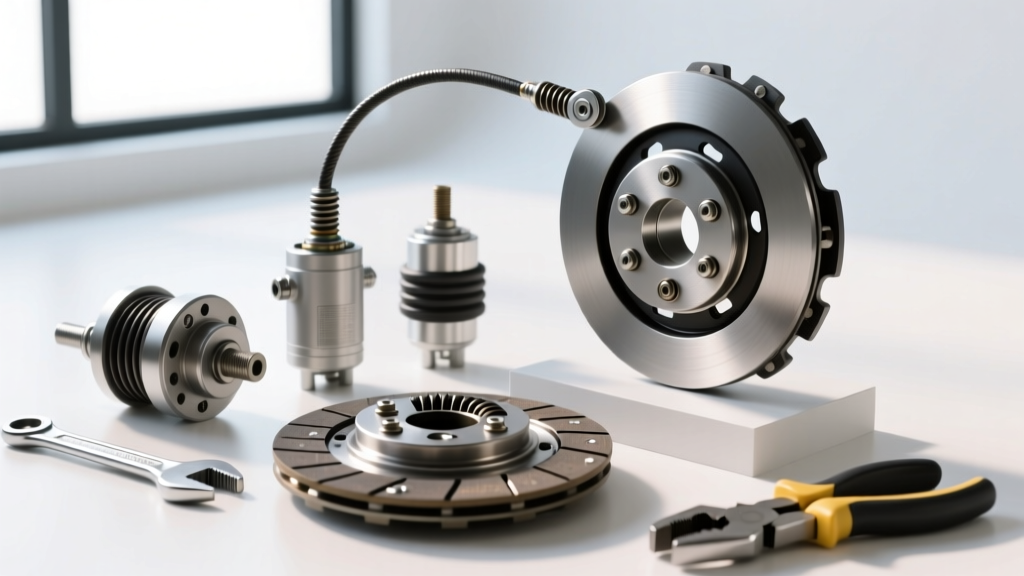
A soft or spongy clutch pedal that sinks toward the floor mat indicates a loss of hydraulic pressure. In the Focus, this is rarely a failing master cylinder at the firewall; instead, the culprit is usually the Concentric Slave Cylinder (CSC) located inside the transmission bellhousing. The OEM plastic-bodied CSC is prone to thermal degradation and seal blowouts.
- Part Reference: Sachs 6283605009 (CSC) or Motorcraft CM-12345 equivalent.
- Fluid Spec: Motorcraft PM-20 DOT 4 LV (Low Viscosity) High Performance Brake Fluid.
- Diagnostic Test: Clamp the flexible hydraulic line near the bellhousing. If the pedal suddenly becomes firm, the CSC is bypassing internally or leaking externally. If it remains spongy, the fault lies in the Clutch Master Cylinder (CMC) or the firewall mounting grommet.
The Hard Pedal & Clutch Fork Pivot Ball Wear
A clutch pedal that feels unusually stiff, binds, or requires excessive foot pressure typically indicates mechanical binding rather than hydraulic failure. On high-mileage MTX-75 transmissions, the clutch fork pivot ball and the release bearing sleeve can accumulate heavy metallic dust and corrosion. This creates severe friction, transferring resistance directly to the driver's foot. Additionally, a collapsing firewall—a known issue in older Ford platforms where the CMC mounts—can alter the pedal geometry, making engagement feel abrupt and harsh.
Bridging the Gap: How Ford Focus Dual Clutch Issues Mimic Pedal Vibration
If you are driving a Focus with the 6DCT250 PowerShift transmission, you do not have a clutch pedal. However, thousands of owners report 'clutch pedal vibration' or 'shudder' when coming to a stop. This is a misnomer. The vibration you are feeling is actually traveling through the chassis and manifesting most noticeably in the brake pedal and the driver's seat.
The 'Phantom' Clutch Vibration and Brake Pedal Shudder
The DPS6 utilizes dry clutches, similar to a traditional manual. When the TCM struggles to modulate the clutch actuators during low-speed slip (such as creeping in traffic or braking to a halt), the dry friction material chatters against the flywheel. According to extensive data from the NHTSA Complaint Database, this shudder is frequently misdiagnosed by owners as a brake rotor warp or a phantom clutch pedal issue. The root causes include:
- TCM Adaptive Learning Corruption: The TCM forgets the exact bite point of the dry clutches, leading to aggressive engagement and shudder.
- Contaminated Dry Clutches: Leaking input shaft seals allow transmission gear oil to contaminate the dry clutch friction surfaces, causing violent chatter.
- Failing Clutch Actuators: The external hydraulic actuators develop internal seal leaks, resulting in erratic clutch fork movement.
External Actuator Seal Leaks on the 6DCT250
While the DPS6 lacks a pedal, its hydraulic actuation system mirrors a manual clutch setup. The two external actuators (one for each clutch pack) are mounted on the front of the transmission case. When the piston seals fail, DOT 4 fluid leaks onto the bellhousing. This causes slipping, harsh shifts, and eventually, a complete failure to engage gears. If you are experiencing 'pedal' engagement issues in an automatic Focus, you must inspect the lower bellhousing for wetness and check the brake fluid reservoir level, as the clutch actuators share the same fluid reservoir as the brake system.
Focus Transmission Clutch Hydraulics & Specs Comparison
| Specification | Manual (MTX-75 / IB5) | PowerShift (6DCT250 DPS6) |
|---|---|---|
| Actuation Type | Driver Pedal, CMC, Internal CSC | TCM-Controlled External Actuators |
| Hydraulic Fluid | DOT 4 LV (Motorcraft PM-20) | DOT 4 LV (Motorcraft PM-20) |
| Bellhousing Torque | 35 lb-ft (47 Nm) | 35 lb-ft (47 Nm) |
| Flywheel Torque | 85 lb-ft (115 Nm) | N/A (Integrated Dual-Mass/Clutch) |
| Common Failure Part | Sachs 6283605009 (CSC) | AE8Z-7Z490-A (TCM Module) |
| Avg Repair Cost (2026) | $1,200 - $1,600 (Trans Drop) | $800 - $1,400 (TCM/Actuator) |
Step-by-Step Hydraulic Bleeding & Actuator Reset Procedures
Whether you are bleeding a manual MTX-75 after a CSC replacement or servicing the DPS6 actuators, proper hydraulic evacuation is mandatory. Air in the system will cause a spongy manual pedal or erratic shift mapping in the PowerShift.
- Preparation: Extract all old fluid from the shared brake/clutch master reservoir. Refill with fresh Motorcraft PM-20 DOT 4 LV.
- Manual Bleeding: Attach a vacuum bleeder to the CSC bleed nipple located on top of the MTX-75 bellhousing. Draw fluid until zero air bubbles are visible. Do not pump the pedal manually, as this can invert the CMC seals.
- DPS6 Actuator Bleeding: The 6DCT250 requires a bi-directional OBD2 scan tool capable of accessing the TCM. You must run the 'Clutch Actuator Bleed Routine' which commands the internal solenoids to cycle fluid through the external actuators while you manually open the bleed valves.
- TCM Adaptive Reset: For dual-clutch shudder, use your scan tool to clear the Keep Alive Memory (KAM) and perform the 'Clutch Touch Point Learning' procedure. This forces the TCM to relearn the exact millimeter of actuator travel required to engage the dry clutches, often eliminating low-speed vibration entirely.
When to Replace: Cost Breakdowns and OEM vs. Aftermarket
If diagnostics confirm a mechanical failure, selecting the right components is vital for longevity. For manual Focus models experiencing clutch chatter and pedal vibration, do not reuse the original Dual-Mass Flywheel (DMF). The OEM DMF is prone to internal spring fatigue, which translates directly into pedal and chassis vibration. Upgrade to a Luk RepSet (Part # 415022209) which includes a fresh DMF, pressure plate, and friction disc. Expect to pay between $450 and $600 for the parts kit, with labor adding another $800 to $1,000.
For those battling Ford Focus dual clutch issues related to the TCM, avoid cheap aftermarket electronic modules. The TCM is highly sensitive to voltage fluctuations and thermal expansion. Always source the genuine Motorcraft/Ford TCM (AE8Z-7Z490-A or the latest superseded part number), which typically costs between $650 and $900. As noted by Consumer Reports in their extensive analysis of the PowerShift litigation, proper TCM calibration and the use of OEM friction materials are the only proven methods to mitigate the inherent shudder characteristics of the dry dual-clutch design. Understanding the fundamental difference between a physical hydraulic pedal and an automated actuator system is the first step toward an accurate, cost-effective repair.