The Baseline: Analyzing the 2014 Ford Focus Dual Clutch Replacement Cost
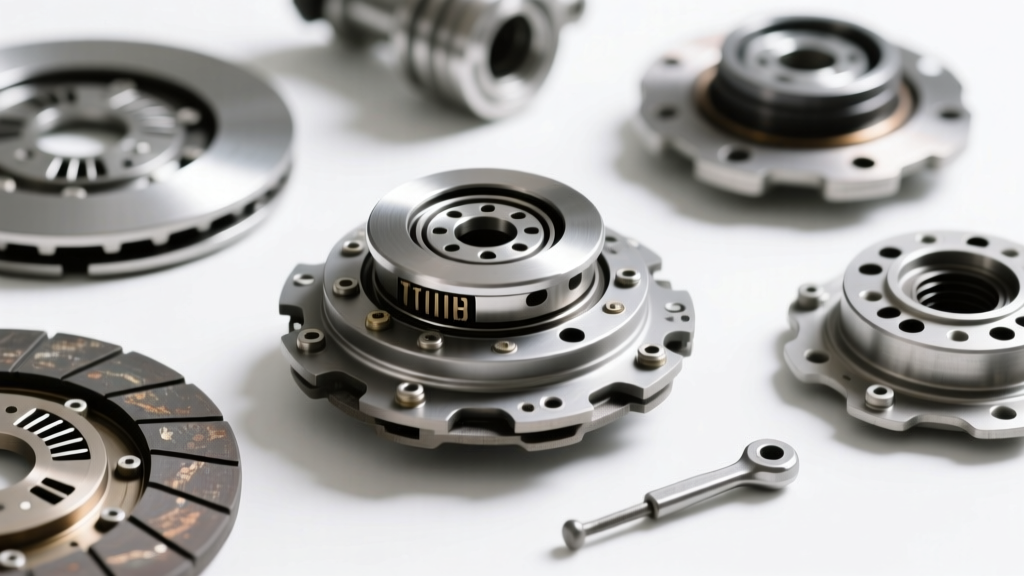
When enthusiasts and frustrated daily drivers alike research the 2014 Ford Focus dual clutch replacement cost, they are almost always reacting to the notorious reliability issues of the Ford DPS6 PowerShift transmission. The DPS6 is a dry, 6-speed dual-clutch transmission (DCT) that operates essentially as two manual transmissions controlled by robotic actuators. Because it uses dry friction plates, it is highly susceptible to overheating in stop-and-go traffic, leading to shuddering, premature clutch wear, and actuator motor failures.
As of 2026, the average 2014 Ford Focus dual clutch replacement cost hovers between $1,400 and $2,300 at an independent transmission shop. This price typically includes a replacement clutch kit (Ford part # CV6Z-7A554-A), updated actuator motors, and a Transmission Control Module (TCM) flash or replacement. Labor times book out at roughly 5.5 to 6.5 hours. While this is a painful expense for an economy car, it serves as a fascinating financial baseline when we pivot to the true focus of this engineering analysis: clutch replacement for high-performance vehicles.
Why High-Performance DCTs Cost Exponentially More
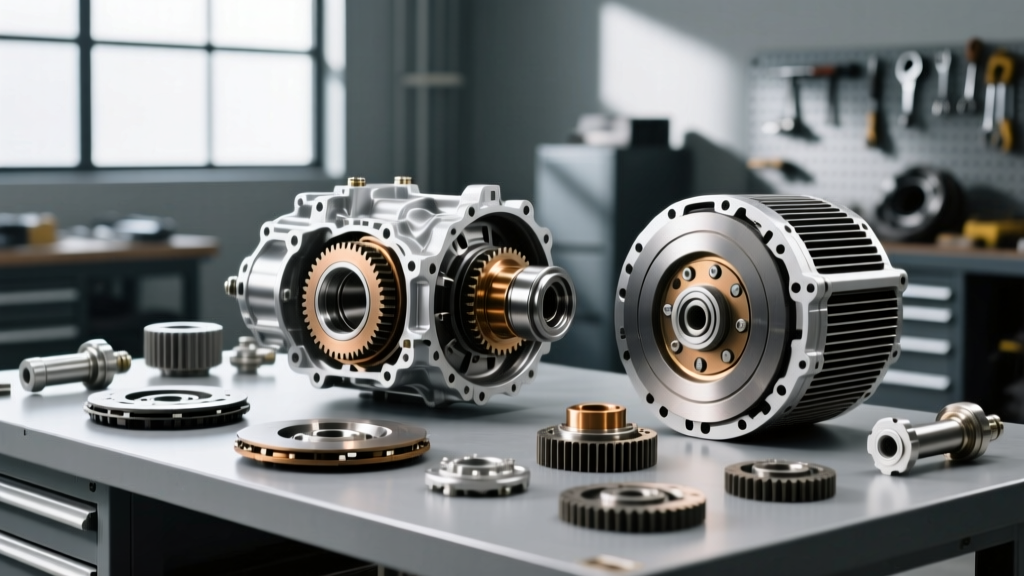
To understand the cost disparity between an economy dry DCT and a high-performance wet DCT, we must look at the architecture. High-performance vehicles—such as the Porsche 911 (PDK), Audi RS models (DQ500/DL800), and the Shelby GT500 (Tremec TR-9077)—utilize wet multi-plate dual-clutch systems. These clutches are bathed in specialized, high-shear synthetic fluid that provides continuous cooling and lubrication, allowing them to handle anywhere from 500 lb-ft to over 900 lb-ft of torque without fading.
The cost multipliers for high-performance DCT clutch replacements include:
- Complexity of the Mechatronic Unit: The valve body and TCM are often integrated into a single, sealed mechatronic module sitting inside the fluid pan. A single solenoid failure or internal seal leak can necessitate a $2,500+ mechatronic replacement before the clutch packs are even touched.
- Specialized Fluids and Capacities: High-performance DCTs require highly specific friction-modified fluids (e.g., Pentosin FFL-4 or Tremec DCTF). A complete system flush and refill can require 7 to 9 liters of fluid, costing $250 to $400 just for the lubricants.
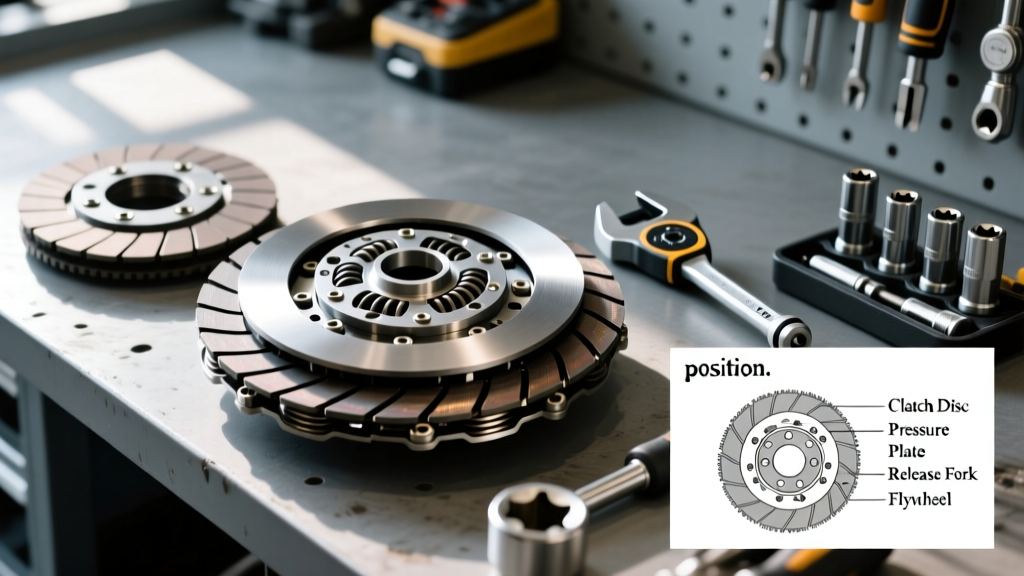
- Precision Alignment Tools: Wet multi-plate clutch packs require proprietary mandrels and dial indicators to set the clutch stack clearance to tolerances measured in hundredths of a millimeter. If the stack height is off by 0.15mm, the transmission will experience violent engagement or slip under load.
- Drivetrain Removal: Unlike the front-wheel-drive Focus where the subframe can be dropped relatively easily, high-performance DCTs are often mounted longitudinally, integrated with complex AWD systems or rear transaxles, requiring 9 to 14 hours of book labor just for removal and installation.
2026 Cost Comparison: Economy vs. High-Performance DCTs
The table below illustrates the stark reality of DCT service costs across different vehicle segments, highlighting the "high-performance tax" associated with advanced drivetrain engineering.
| Transmission Model | Application | Clutch Type | Parts Cost (2026) | Labor Hours | Total Est. Cost |
|---|---|---|---|---|---|
| Ford DPS6 (6-Speed) | 2014 Ford Focus / Fiesta | Dry Single-Plate x2 | $450 - $700 | 5.5 - 6.5 | $1,400 - $2,300 |
| VW/Audi DQ250 (6-Speed) | VW GTI / Audi S3 (Transverse) | Wet Multi-Plate | $900 - $1,400 | 7.0 - 9.0 | $2,500 - $3,800 |
| Audi DL800 / DQ500 | Audi RS4 / RS6 (Longitudinal/AWD) | Wet Multi-Plate | $1,800 - $3,200 | 10.0 - 14.0 | $4,500 - $7,500 |
| Tremec TR-9077 (7-Speed) | Ford Shelby GT500 | Wet Multi-Plate | $2,200 - $3,500 | 11.0 - 13.0 | $5,000 - $8,200 |
| Porsche PDK (7/8-Speed) | Porsche 911 (991.2 / 992) | Wet Multi-Plate | $3,500 - $5,500 | 12.0 - 16.0 | $7,500 - $12,000+ |
High-Performance Clutch Replacement: Technical Deep Dive
Replacing a clutch in a high-performance DCT is not a simple "unbolt, swap, and relearn" procedure. It is a surgical operation that demands strict adherence to factory torque sequences and cleanliness protocols. Below, we break down the technical realities of servicing two of the most prominent high-performance DCTs on the road and track today.
Tremec TR-9077 (Shelby GT500) Specs & Procedures
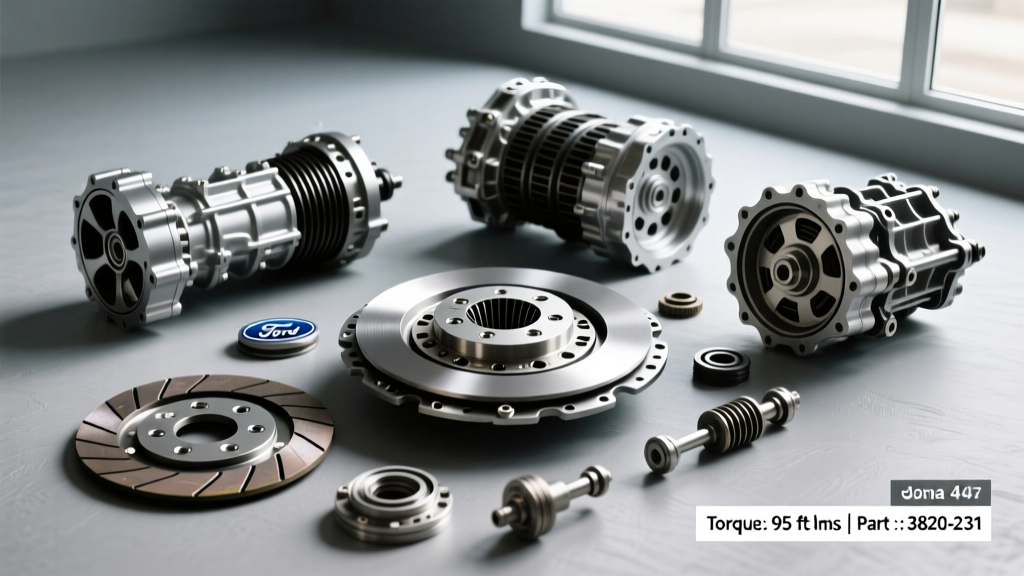
The Tremec TR-9077 is a masterpiece of American performance engineering, designed to handle the 760 horsepower and 625 lb-ft of torque from the GT500’s 5.2L Predator V8. Unlike the dry clutches found in standard economy replacements on RockAuto, the TR-9077 uses two wet, multi-plate clutch packs housed directly inside the transmission case.
Critical Service Specifications:
- Fluid Capacity & Type: The system requires approximately 7.5 liters of specialized Tremec DCTF (Dual Clutch Transmission Fluid). Standard manual gear oil will destroy the friction modifiers on the wet clutch plates within miles.
- Flywheel Torque Sequence: The dual-mass flywheel must be torqued to the crankshaft using new ARP-grade bolts. The spec is 74 lb-ft (100 Nm), followed by a precise 90-degree angle turn. Failure to use an angle gauge will result in uneven clamping force and catastrophic harmonic vibrations at 6,000+ RPM.
- Bellhousing to Block: Torqued to 35 lb-ft (48 Nm) in a crisscross pattern to prevent case distortion, which can bind the input shafts.
- Clutch Stack Clearance: When installing the new wet clutch packs, technicians must use a dial indicator to measure the gap between the pressure plate and the snap ring. Acceptable clearance is typically between 0.80mm and 1.20mm. If the clearance is too tight, the clutch will drag; if too loose, the mechatronic unit will throw a "Clutch Position Sensor" fault code.
Porsche PDK (991 Generation) Service Realities
The Porsche Doppelkupplung (PDK) is widely considered the benchmark for high-performance DCTs. However, when the clutch packs wear out—usually around 60,000 to 80,000 miles on heavily tracked cars—the repair process is daunting. As discussed extensively by master technicians on Rennlist forums, Porsche does not officially sell internal clutch packs for the PDK; they only sell complete replacement transaxles, which can exceed $18,000.
Independent high-performance shops must source aftermarket or OEM ZF/Sachs clutch packs and perform a teardown. This involves splitting the mechatronic unit from the mechanical gearset. The internal sensors, including the distance sensors that monitor clutch wear, must be recalibrated using a Porsche PIWIS diagnostic tool. Furthermore, the PDK requires Pentosin FFL-3 or FFL-4 fluid, and the internal filter is a non-serviceable, sealed mesh screen. If clutch material has delaminated and contaminated the gearset, the entire unit must be flushed with a specialized solvent, or the mechatronic valves will clog, leading to $4,000+ in secondary damages.
The Mechatronic Factor: The Hidden Cost in Performance DCTs
When quoting a high-performance DCT job, the clutch pack itself is often only 30% of the parts cost. The mechatronic unit—the electro-hydraulic brain that actuates the clutches and shifts the gears—is the primary failure point in high-stress environments. In the Audi DQ500, for example, the accumulator seals inside the mechatronic unit degrade under high-heat track conditions, causing a loss of hydraulic pressure. The clutches then slip to protect the gears, burning up the friction material. Therefore, a "clutch replacement" on a high-performance vehicle almost always includes a mechatronic rebuild, new accumulator seals, and updated solenoid valves, pushing the parts cost well past the $3,000 mark before labor is even calculated.
Expert Verdict: Is the High-Performance DCT Tax Worth It?
Comparing the 2014 Ford Focus dual clutch replacement cost to that of a Porsche PDK or Tremec TR-9077 highlights a fundamental truth in automotive engineering: performance capability dictates service complexity. The Focus DPS6 fails because it attempts to use dry-clutch technology in heavy, low-airflow commuting environments. High-performance wet DCTs solve the thermal issues but introduce immense hydraulic and electronic complexity.
For owners of high-performance vehicles, the key to avoiding catastrophic replacement costs is strict adherence to preventative maintenance. While a Focus owner might neglect their transmission fluid until failure, a PDK or TR-9077 owner must perform fluid and pan-filter services every 20,000 to 30,000 miles (or after every 3-4 track days). By maintaining the friction modifiers in the wet fluid and preventing metallic debris from scoring the mechatronic valves, owners can extend the life of the OEM clutch packs well past 100,000 miles, ensuring that the immense cost of a high-performance DCT replacement remains a theoretical discussion rather than a financial reality.
For further technical documentation on high-performance drivetrain architectures, consult the engineering whitepapers available via Tremec's official portal or your marque-specific factory service manuals.