When a driver experiences slipping gears, delayed engagements, or a whining noise from the drivetrain, the immediate question is often: how do i know if my car needs transmission fluid? While topping off the fluid might seem like a simple fix, modern automatic transmissions are incredibly sensitive to exact fluid volumes. A deviation of just half a quart can lead to catastrophic hydraulic failure, valve body starvation, or severe clutch pack wear.
In 2026, with the prevalence of complex 8-speed and 10-speed automatics like the ZF 8HP and Ford 10R80, diagnosing transmission fluid level problems requires precision, specific temperature parameters, and an understanding of hydraulic aeration. This step-by-step guide will walk you through identifying and correcting fluid level anomalies before they destroy your drivetrain.
The Hidden Danger of Transmission Fluid Level Problems
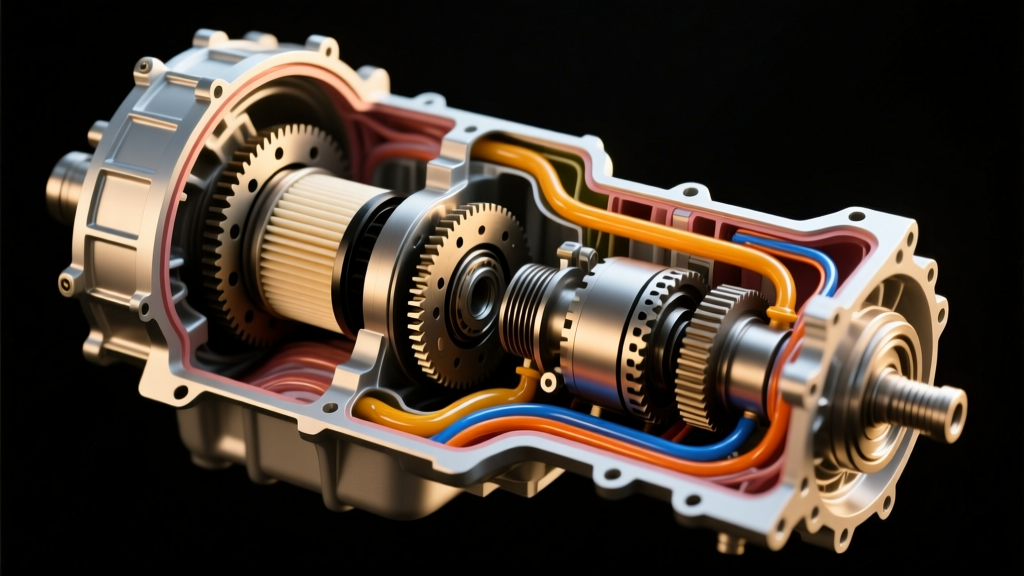
Unlike engine oil, transmission fluid acts as a hydraulic medium, a coolant, and a friction modifier. When the fluid level is incorrect, the transmission control module (TCM) cannot accurately modulate clutch apply pressures. Chronically low fluid leads to pump cavitation, where the pump sucks in air instead of fluid, resulting in immediate clutch slip and burnt friction materials. Conversely, an overfilled transmission causes the rotating planetary gearsets to whip the fluid into a frothy aerated state. This foam compresses under pressure, leading to soft shifts, overheating, and eventual seal blowouts.
Step 1: Achieving the Correct Operating Temperature
You cannot accurately check transmission fluid level on a cold vehicle. Fluid expands significantly as it heats up. If you check the level at ambient room temperature (70°F), you will severely overfill the system once it reaches operating temperature.
- Connect a Bi-Directional OBD2 Scanner: You must monitor the Transmission Fluid Temperature (TFT) PID. Relying on engine coolant temperature is inaccurate, as the transmission heats up at a different rate.
- Drive the Vehicle: Operate the vehicle through all gears to circulate fluid through the torque converter and cooler lines. The target TFT for most modern sealed transmissions (including the GM 6L80 and ZF 8HP) is between 86°F and 122°F (30°C - 50°C).
- Park on a Level Surface: The vehicle must be perfectly level. Use a digital bubble level on the transmission oil pan or the vehicle's rocker panel. Even a 2-degree incline can skew the fluid level reading by up to half a quart.
Step 2: The Two Methods for Checking Fluid Level
Depending on your vehicle's age and transmission model, you will encounter one of two checking methods.
Method A: The Traditional Dipstick (e.g., GM 4L60E, Chrysler NAG1)
For older or specific heavy-duty transmissions equipped with a dipstick tube:
- With the engine running and the parking brake engaged, cycle the shifter through every gear position, pausing for two seconds in each.
- Return to Park, pull the dipstick, wipe it with a lint-free cloth, and reinsert it fully.
- Read the level against the 'HOT' crosshatch zone. Note the fluid condition: it should be translucent red or pink. If it smells burnt or contains metallic particulate, a fluid level check is moot; internal damage has already occurred.
Method B: The Sealed Overflow Plug (e.g., ZF 8HP, Ford 10R80, Aisin AW F8FXX)
Most modern transmissions are 'sealed' and utilize an overflow plug located on the bottom or side of the transmission pan.
- With the engine running and the TFT between 86°F and 122°F, place a catch pan beneath the overflow plug.
- Remove the overflow plug (often an 8mm or 10mm hex bit). Warning: If a solid stream of fluid pours out, the unit is severely overfilled. If nothing drips out after 10 seconds, the unit is low.
- The correct level is achieved when fluid trickles out in a slow, steady drip, eventually stopping as the fluid expands and settles.
Diagnostic Matrix: Identifying Your Specific Level Problem
Use this matrix to correlate your vehicle's symptoms with the underlying hydraulic issue.
| Symptom | Probable Level Issue | Mechanical Consequence | Common OBD2 Code |
|---|---|---|---|
| Delayed Reverse / Slip | Low Fluid (External Leak) | Pump Cavitation & Starvation | P0868 (Line Pressure Low) |
| Harsh 1-2 Shift / Flare | Overfilled / Foaming | Aerated Fluid in Valve Body | P0730 (Incorrect Gear Ratio) |
| Erratic Shifting / Limp Mode | Sensor Failure (Illusion) | False Temp/Pressure Data | P0711 (TFT Sensor Range) |
| Whining Noise in Park | Low Fluid / Clogged Filter | Hydraulic Pump Suction Leak | None (Mechanical Noise) |
Step 3: Fixing Overfill, Cavitation, and Foaming
If you have determined that your transmission is overfilled, do not ignore it. Aerated fluid cannot transmit hydraulic pressure effectively because air bubbles compress under load. This leads to delayed clutch apply times and severe friction material wear.
To correct an overfill:
- Ensure the engine is running and the fluid is at operating temperature.
- Crack the overflow plug or use a specialized fluid extraction pump (like a Mityvac 7300) inserted down the dipstick tube to remove fluid in 4-ounce increments.
- Re-check the level using the drip method or dipstick crosshatch.
To correct low fluid:
Identify the leak source first. Common culprits include degraded cooler line O-rings, porous aluminum pan gaskets, or failing output shaft seals. Once the leak is addressed, add the exact OEM-specified fluid. For example, a ZF 8HP requires ZF LifeguardFluid 8 (Part #0671.000.005), which costs roughly $25-$35 per quart. A GM 6L80 requires ACDelco Dexron VI (Part #10-9395), typically $8-$12 per quart. Never mix fluid specifications.
Step 4: Addressing Sensor-Induced Level Illusions
Sometimes, the fluid level is physically perfect, but the car acts like it needs transmission fluid. This is usually a sensor issue. The Transmission Fluid Pressure Sensor (TFPS) and the Transmission Fluid Temperature (TFT) sensor are critical for TCM logic.
If the TFT sensor fails and defaults to a reading of -40°F, the TCM assumes the fluid is freezing. To protect the transmission, it will command maximum line pressure and lock the torque converter clutch, resulting in incredibly harsh, banging shifts that mimic a severely low-fluid condition. Before tearing into the pan to check the fluid level, always scan the live TFT data. If the ambient temperature is 75°F but the TFT reads -40°F or 300°F, you have an electrical fault (often a broken wire in the internal transmission harness), not a fluid volume problem.
Reference Specifications and Torque Data
When reinstalling drain, fill, or level plugs, adhering to exact torque specifications is vital to prevent stripped aluminum threads or pan leaks.
- ZF 8HP (8-Speed): Fill/Level plug torque: 35 Nm (26 lb-ft). Pan-to-case bolts: 10 Nm (89 lb-in). Fluid Capacity (Dry): ~9.5 Liters. Service Fill: ~5.5 Liters.
- GM 6L80 / 6L90: Level plug torque: 25 Nm (18 lb-ft). Pan bolts: 8 Nm (71 lb-in). Fluid Capacity (Dry): ~11.2 Quarts. Service Fill: ~6.0 Quarts.
- Ford 10R80: Level plug torque: 12 Nm (106 lb-in). Pan bolts: 10 Nm (89 lb-in). Note: Requires a specialized scan tool routine to command the internal thermal bypass valve open during the level check.
Pro-Tip for 2026 EVs and Hybrids: Many modern hybrids use the transmission fluid to cool internal electric motors. These systems are highly sensitive to fluid levels. A low fluid condition in a hybrid transaxle will not only cause shifting issues but can trigger high-voltage thermal derating, severely limiting vehicle power output to protect the electric motors.
Understanding how to accurately diagnose transmission fluid level problems separates a temporary band-aid fix from a proper, long-term drivetrain solution. By relying on temperature data, precise torque specs, and live sensor monitoring, you can ensure your transmission operates with the exact hydraulic volume it requires.