The Diagnostic Dilemma: Fan Clutch Problems vs. Transmission Shudder
When a driver complains of a rhythmic shudder, vibration, or RPM fluctuation at highway speeds, the immediate suspicion often falls on the transmission. However, as vehicles have grown more complex in 2026, the line between engine accessory failures and drivetrain faults has blurred. Specifically, mechanical fan clutch problems can mimic the exact harmonic vibrations of a failing Torque Converter Clutch (TCC) or slipping internal apply clutches. Misdiagnosing a $120 viscous fan clutch failure as a catastrophic internal transmission failure can lead to unnecessary $3,000+ rebuilds. This guide provides a deep-dive comparison to help technicians and DIYers accurately isolate clutch problems in automatic transmissions from engine-driven fan clutch failures, complete with a buyer's guide for replacement components.
Why the Confusion Exists
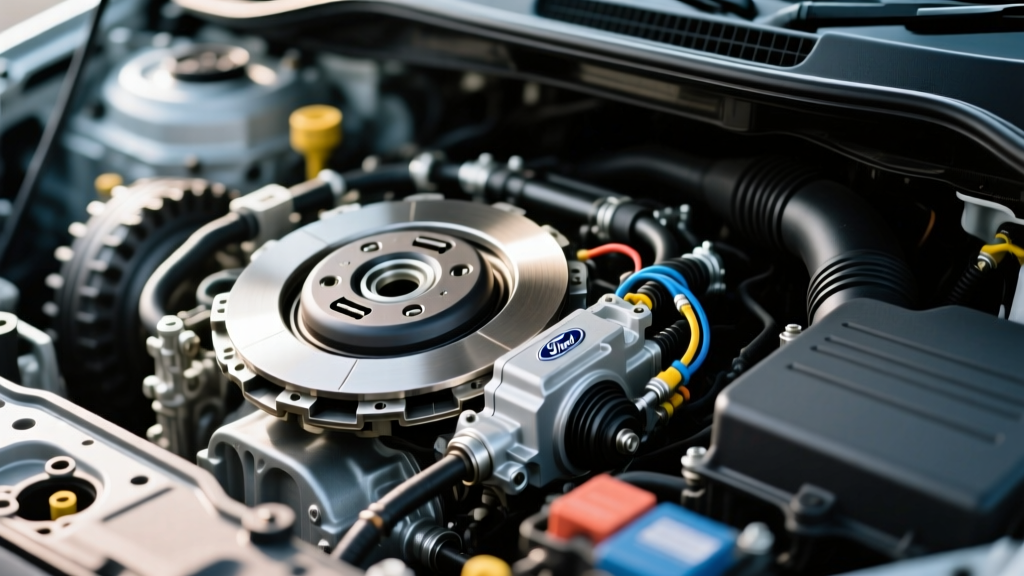
Both a failing mechanical fan clutch and a slipping TCC operate in the same low-frequency vibration band (typically between 30 Hz and 50 Hz). When the bi-metallic coil or viscous fluid inside a mechanical fan clutch degrades, the fan blades can wobble on the water pump shaft. This harmonic imbalance travels directly through the engine block, into the bellhousing, and through the transmission input shaft. To the driver, this feels exactly like the dreaded 'TCC shudder' caused by degraded automatic transmission fluid (ATF) or worn friction materials inside the torque converter.
Deep Dive: Clutch Problems in Automatic Transmissions
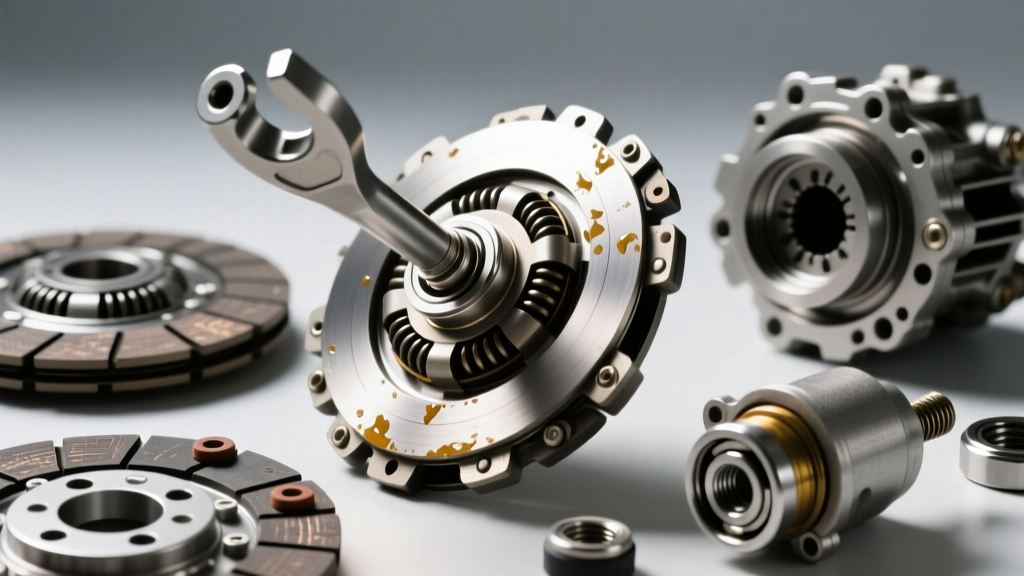
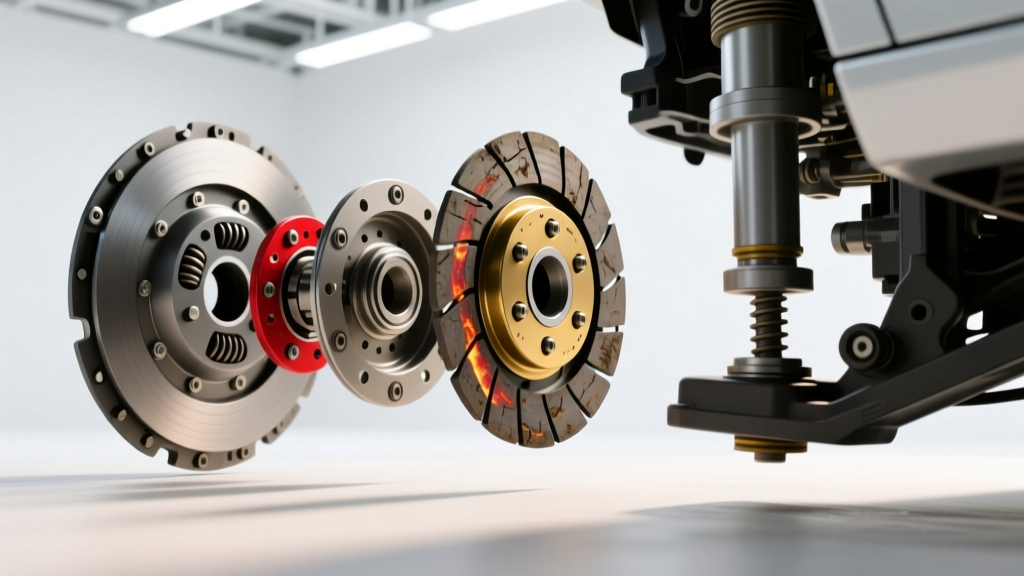
To differentiate between the two, we must first understand the specific failure modes of modern automatic transmission clutches. Unlike a manual transmission's single friction disc, automatics rely on a complex network of internal apply clutches and the torque converter clutch.
The Torque Converter Clutch (TCC) and PWM Solenoids
The TCC is responsible for mechanically locking the engine to the transmission input shaft at cruising speeds to eliminate slip and improve fuel economy. In transmissions like the GM 6L80 and 6L90, the TCC is controlled by a Pulse Width Modulated (PWM) solenoid. Over time, the TCC regulator valve in the oil pump bore wears out, causing erratic apply pressure. This results in a rapid slip-grip-slip cycle, manifesting as a shudder between 40 and 60 mph. According to Sonnax Technical Resources, ignoring this regulator valve wear will eventually glaze the TCC friction lining, requiring a complete torque converter replacement.
Internal Apply Clutches: ZF 8HP and GM 6L80
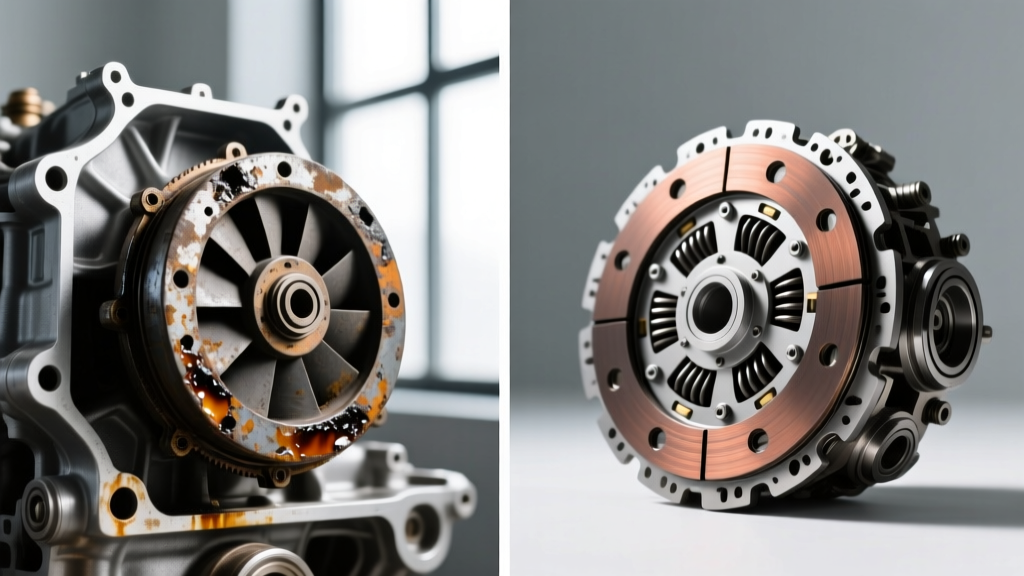
Beyond the TCC, internal friction clutches are highly susceptible to pressure leaks. In the ubiquitous ZF 8HP series (found in Ram, BMW, and Jaguar vehicles), the mechatronic unit's plastic sealing sleeves degrade. This causes a drop in hydraulic pressure to the 'A' and 'B' clutch packs, resulting in harsh 2-3 shifts or flaring. Similarly, the GM 6L80 is notorious for 1-2-3-4 clutch pack failure due to waved steel plates fatiguing and snapping under high thermal loads. When diagnosing clutch problems in automatic transmissions of this caliber, scanning the Transmission Electro-Hydraulic Control Module (TEHCM) for slip-count data is mandatory before tearing down the unit.
Symptom Isolation Matrix: Fan Clutch vs. Transmission
Use the following diagnostic matrix to separate engine accessory issues from internal drivetrain faults.
| Diagnostic Parameter | Mechanical Fan Clutch Problems | TCC Shudder / Slip | Internal Apply Clutch Failure |
|---|---|---|---|
| Vibration Trigger | Constant at specific RPMs (e.g., 1800-2200 RPM) regardless of gear or vehicle speed. | Occurs specifically during light throttle lockup (45-60 mph). | Occurs during specific gear ratio changes (e.g., 2-3 shift flare). |
| Temperature Dependency | Worse when engine is hot and viscous fluid is fully sheared. | Worse when ATF is hot and viscosity drops, exacerbating internal leaks. | Consistent, but may worsen as clutch pack clearances expand with heat. |
| Scan Tool Data | No transmission DTCs. TCC slip RPM reads 0 when commanded locked. | TCC Slip RPM fluctuates wildly (+/- 50 RPM) during lockup phase. | Commanded gear ratio does not match actual gear ratio (sets P073X codes). |
| Physical Test | Remove serpentine belt and run engine briefly. Vibration disappears. | Vibration persists without belt. Unplugging TCC solenoid stops shudder. | Vibration persists. Line pressure drops during specific clutch apply commands. |
2026 Buyer's Guide: Sourcing Replacement Components
Once you have isolated the fault, sourcing the correct components is critical. The aftermarket has evolved significantly, offering targeted repair kits that prevent the need for full unit replacements. Below is a comparison of OEM versus premium aftermarket solutions for the most common failures.
Addressing TCC and Valve Body Wear
If your diagnostic points to TCC slip caused by valve body wear (rather than a burnt friction disc), dropping the pan and replacing the valve body components is the most cost-effective route. For the GM 6L80/6L90, the Sonnax Zip Kit 6L80-ZIP (approx. $135) includes the oversized TCC regulator valve and reamer necessary to restore hydraulic integrity. Pair this with an ACDelco OEM TCC PWM Solenoid (Part #24258824, approx. $45) to ensure proper electrical signaling.
Solving ZF 8HP Pressure Leaks
For ZF 8HP transmissions experiencing clutch apply issues due to mechatronic leaks, you do not need to replace the entire valve body. The ZF OEM Mechatronic Sealing Sleeve Kit (Part #1087.298.392, approx. $85) replaces the brittle plastic adapter plugs that seal the clutch feed tubes. As noted by experts at Transmission Digest, replacing these sleeves during a routine fluid service can add 100,000 miles to the life of the internal clutch packs.
Replacing the Mechanical Fan Clutch
If the serpentine belt test confirms fan clutch problems, avoid cheap, no-name replacements that often feature poorly balanced fan blades. For heavy-duty applications, the Hayden Automotive 2738 Severe Duty Thermal Fan Clutch (approx. $95) uses a deeper finned face for better heat dissipation. For strict OEM compliance on Ford and GM trucks, Motorcraft (e.g., Part #8C3Z8A601A) or ACDelco equivalents (approx. $140-$180) are mandatory to maintain factory ECM cooling algorithms.
Crucial Torque Specifications & Clearances
Whether you are replacing a torque converter, rebuilding an internal clutch pack, or simply swapping a fan clutch, adhering to exact torque specifications is non-negotiable. Improper torque leads to warped friction materials, stripped threads, and immediate comeback failures.
- GM 6L80/6L90 Torque Converter to Flexplate: 51 Nm (38 lb-ft). Always use new OEM bolts and apply a medium-strength thread locker. Ensure the TCC hub is fully seated into the transmission oil pump before tightening to prevent pump gear shattering.
- GM 6L80 1-2-3-4 Clutch Pack Clearance: 0.040" - 0.060". Use selective snap rings to achieve this. If clearance exceeds 0.080", the clutch will drag and burn upon release.
- ZF 8HP Transmission to Engine Block: M10 bolts to 65 Nm (48 lb-ft); M12 bolts to 130 Nm (96 lb-ft). Follow the factory star-pattern sequence to prevent bellhousing distortion.
- Mechanical Fan Clutch to Water Pump Pulley: Most standard M8 mounting hardware requires 20-25 Nm (15-18 lb-ft). Over-torquing can crack the cast aluminum water pump housing or warp the fan clutch mounting flange, introducing the very vibration you are trying to fix.
Final Diagnostic Verdict
Diagnosing clutch problems in automatic transmissions requires a methodical approach that looks beyond the transmission pan. By utilizing scan tool slip-count data, performing the serpentine belt isolation test, and understanding the specific hydraulic vulnerabilities of units like the 6L80 and ZF 8HP, you can confidently separate true internal clutch failures from deceptive fan clutch problems. Invest in targeted repair kits like the Sonnax Zip Kits and OEM sealing sleeves to save time, reduce costs, and deliver reliable, long-lasting repairs.