The Drivetrain Chain: Where the Transfer Case Meets the Rear Diff
When you slide behind the wheel of a 4WD truck, you are commanding a complex symphony of rotating metal. For new truck owners, the terminology can be overwhelming. However, understanding the relationship between your transfer case and your 2015 Ford F150 rear differential is one of the most valuable pieces of knowledge you can acquire. It is the difference between a truck that reliably conquers job sites and trails, and one that leaves you stranded with a shattered drivetrain.
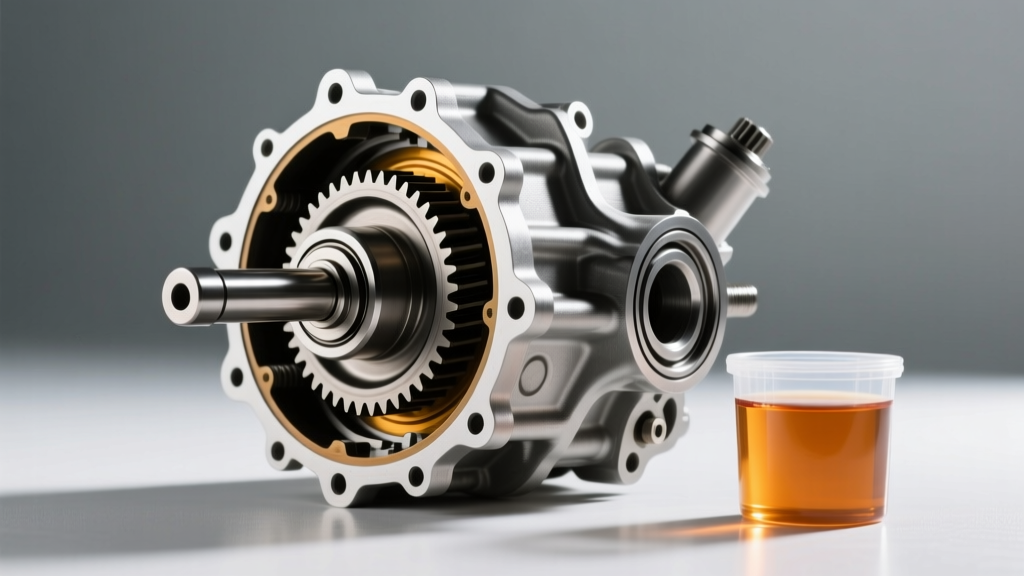
In a rear-wheel-drive configuration, power flows in a straight line from the engine, through the transmission, down the driveshaft, and into the rear axle. But when you engage four-wheel drive, a crucial middleman enters the equation: the transfer case. Think of the transfer case as a mechanical traffic cop. It intercepts the torque coming from the transmission and decides how to distribute it between the front and rear axles.
Decoding the 2015 F-150 4WD Architecture
The 2015 model year marked a massive generational shift for the F-150, introducing the military-grade aluminum-alloy body. Beneath the skin, the drivetrain was equally robust. Depending on your engine choice (the 3.5L EcoBoost, 5.0L Coyote V8, or 2.7L EcoBoost), your truck left the factory with specific drivetrain pairings.
The Transfer Case: BorgWarner 4417 and 4419
Most 2015 F-150 4WD models are equipped with either the BorgWarner 4417 (manual shift-on-the-fly) or the BorgWarner 4419 (electronic shift-on-the-fly) transfer case. These units are chain-driven and bolt directly to the extension housing of the 6R80 six-speed automatic transmission. When you turn the dial on your dash to 4H (4-Wheel Drive High), an internal electromagnetic clutch engages, locking the front and rear output shafts together to spin at the exact same speed.
The Rear Axle: 8.8-Inch vs. 9.75-Inch
The torque generated by the transfer case travels down the rear driveshaft and crashes into the ring gear of the rear differential. The 2015 F-150 primarily utilizes two rear axle sizes:
- 8.8-Inch Axle: Common on base models and lighter-duty configurations. It uses a 10-bolt cover design.
- 9.75-Inch Axle: The heavy-duty standard for the 5.0L V8 and 3.5L EcoBoost, especially those equipped with the Max Trailer Tow Package. It features a massive 12-bolt cover and significantly larger ring and pinion gears to handle extreme torque loads.
The Danger of Drivetrain Binding (Wind-Up)
To truly understand the transfer case and differential relationship, you must understand what happens when they are forced to fight each other. This phenomenon is known as drivetrain binding or wind-up.
Beginner Rule of Thumb: Never drive your F-150 in 4H or 4L on dry, paved roads. Only engage 4WD on loose, slippery surfaces like mud, snow, sand, or gravel.
When a vehicle turns, the outside wheels must travel a longer distance than the inside wheels. Furthermore, the front axle travels a slightly wider arc than the rear axle. In 2WD mode, your 2015 Ford F150 rear differential allows the left and right rear wheels to spin at different speeds to accommodate turns. However, the BorgWarner transfer cases in the 2015 F-150 do not feature a center differential. When locked in 4WD, the transfer case forces the front and rear driveshafts to spin at the exact same RPM.
On dry pavement, the tires grip the road and refuse to slip. Because the front and rear axles are trying to travel different distances but are locked together by the transfer case, immense torsional stress builds up in the drivetrain. This stress will eventually find the weakest link to release. In many cases, this results in a stretched transfer case chain, shattered spider gears inside the rear differential, or a twisted driveshaft.
Fluid Specifications and Maintenance Matrix
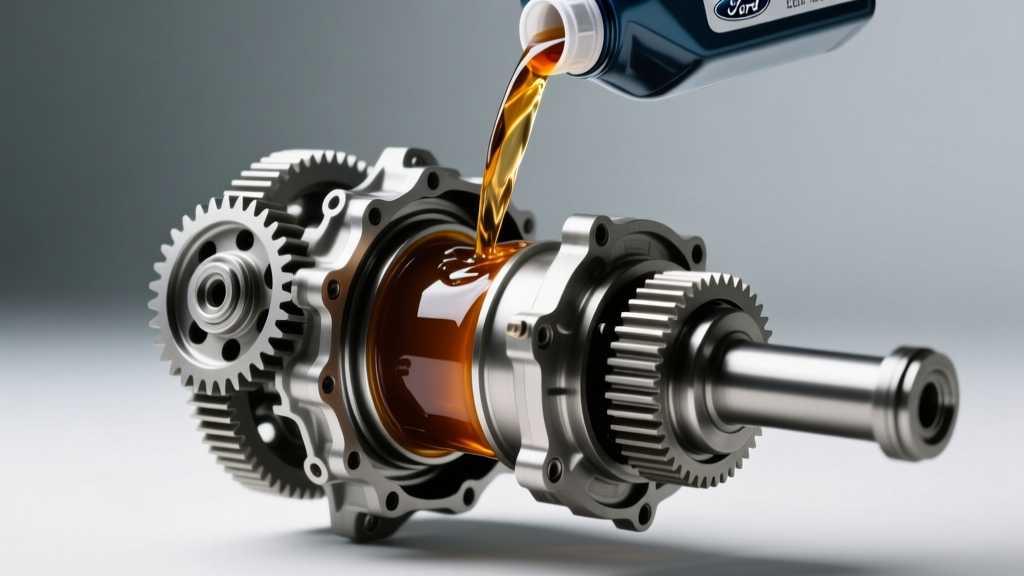
Proper lubrication is the only thing standing between your drivetrain components and catastrophic metal-on-metal failure. As of 2026, synthetic fluid technology has advanced, but adhering to Ford's strict OEM specifications remains non-negotiable. Using the wrong fluid in the transfer case can destroy the internal clutch packs, while neglecting the rear differential fluid will lead to scored bearing journals and whining ring-and-pinion gears.
| Component | OEM Fluid Type | Part Number | Capacity | Fill/Plug Torque |
|---|---|---|---|---|
| BorgWarner Transfer Case | Motorcraft MERCON LV ATF | XT-10-QLVC | 1.8 - 2.0 Quarts | 15 lb-ft (Fill Plug) |
| 9.75" Rear Differential | Motorcraft 75W-140 Synthetic | XY-75W140-QL | 2.3 - 2.7 Quarts | 33 lb-ft (Cover Bolts) |
| 8.8" Rear Differential | Motorcraft 75W-90 Synthetic | XY-75W90-QL | 1.8 - 2.0 Quarts | 15 lb-ft (Fill Plug) |
| Limited-Slip Additive (If equipped) | Motorcraft XL-3 Friction Modifier | XL-3 | 4 oz (per axle) | N/A |
The Friction Modifier Debate: Torsen vs. Clutch-Type LSD
Many beginners get confused by the limited-slip differential (LSD) friction modifier requirement. If your 2015 F-150 is equipped with a traditional clutch-type Ford Traction-Lok rear differential, you must add 4 ounces of Motorcraft XL-3 Friction Modifier to your gear oil. Without it, the clutch packs will chatter and bind during low-speed turns, causing a distinct shuddering sensation.
However, if your truck is equipped with an Eaton Torsen (torque-sensing) limited-slip differential—common on certain off-road packages—the Torsen unit relies on helical gears rather than friction clutches. Adding XL-3 modifier to a Torsen differential is unnecessary and can actually reduce its torque-biasing effectiveness. Always check your axle code on the driver's door jamb sticker or consult the F150Forum Drivetrain Boards to decode your specific axle type.
Step-by-Step: Inspecting the Connection Points
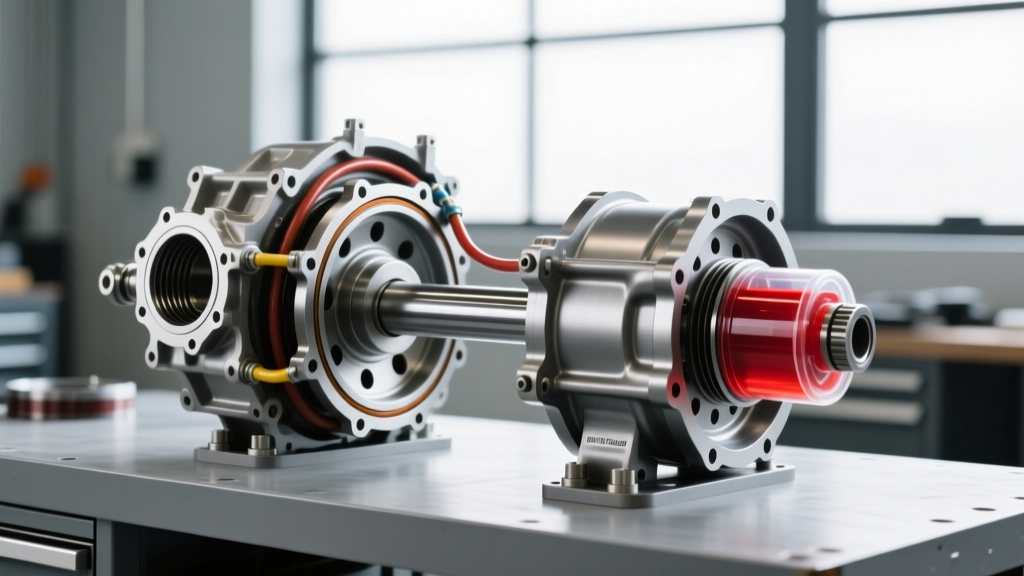
Maintaining the relationship between the transfer case and the rear differential goes beyond just swapping fluids. You must inspect the physical links that connect them.
- The Slip Yoke and U-Joints: The rear driveshaft connects to the transfer case output shaft via a slip yoke. Over time, the splines can wear, causing a distinct "clunk" when shifting from Park to Reverse. During your 2015 Ford F150 rear differential service, pull the driveshaft and inspect the U-joints for rust dust (a sign of internal needle bearing failure) and check the slip yoke for excessive play.
- The Pinion Seal: Where the driveshaft meets the rear differential is the pinion flange. Behind this flange sits the pinion seal. If you notice gear oil slung in a radial pattern on the underside of your truck bed or on the differential cover, this seal has failed. Replacing it requires a specialized pinion flange puller and careful marking of the pinion nut to preserve the gear backlash.
- RTV Silicone Application: Unlike older trucks with rubber gaskets, the 9.75-inch rear axle cover on the 2015 F-150 relies on RTV silicone. When performing a fluid change, you must thoroughly scrape the old RTV off both the cover and the axle housing using a plastic scraper (never metal, which can gouge the mating surface). Apply a continuous 3mm bead of Motorcraft TA-31 Black Silicone and allow it to skin over before torquing the 12 cover bolts to 33 lb-ft in a crisscross pattern.
Warning Signs of Drivetrain Stress
Because the transfer case and rear differential share the immense torque output of the EcoBoost and Coyote engines, a failure in one component often accelerates wear in the other. Watch for these critical warning signs:
- Highway Whining: A howling noise from the rear that changes pitch with vehicle speed (not engine RPM) indicates worn pinion bearings or improper gear lash inside the rear differential.
- Binding on Tight Turns: If the truck feels like the brakes are dragging during tight, low-speed turns in 2WD, your rear differential clutch packs are likely burnt out or lacking friction modifier, causing them to lock up instead of slip.
- Transfer Case Grinding: A grinding noise from the center console area when shifting into 4WD suggests the internal shift fork pads inside the BorgWarner case have worn down, preventing full engagement of the synchronizer collar.
Final Thoughts on Drivetrain Longevity
The 2015 F-150 is a masterpiece of modern truck engineering, but its drivetrain requires respect. The transfer case and the rear differential are not isolated components; they are two halves of a single, torque-multiplying system. By understanding how they interact, avoiding the pitfalls of drivetrain binding on dry pavement, and adhering strictly to OEM fluid capacities and torque specifications, you ensure that your truck remains capable, reliable, and ready for whatever the road—or the trail—throws at it. For those looking to source OEM BorgWarner replacement parts or Motorcraft fluids, reputable suppliers like RockAuto offer excellent catalogs to keep your drivetrain in peak condition.