The F150 Rear Differential Landscape
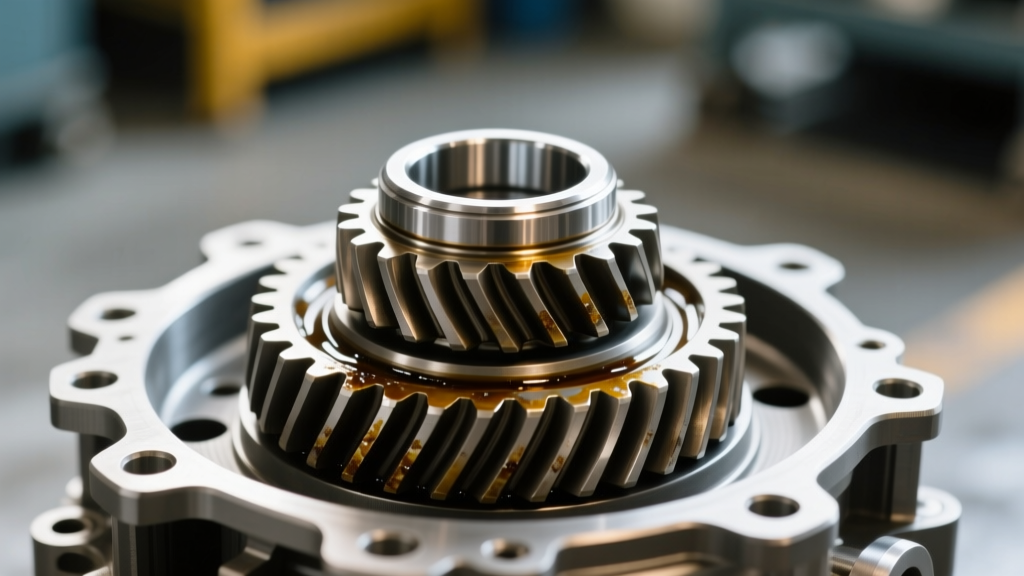
When configuring or upgrading a Ford F-150, the rear axle assembly is one of the most critical drivetrain components dictating your truck's capability. Whether you are navigating the snowy roads of the Midwest, towing a 7,000-pound camper with a 3.5L EcoBoost, or crawling through mud on a weekend trail, your F150 rear differential determines how engine torque is distributed to the pavement. Ford currently outfits the F-150 lineup with robust axles, primarily the 9.75-inch ring gear (standard on 5.0L V8 and 3.5L EcoBoost models) and the massive 10.5-inch Sterling axle found in the Heavy Duty Payload Package (HDPP).
However, the physical size of the ring and pinion is only half the equation. The internal carrier design—specifically the choice between an open differential, a clutch-type limited slip differential (LSD), and Ford's electronic locking rear differential—will drastically alter your truck's behavior, maintenance schedule, and fluid requirements. This buyer's guide breaks down the mechanical realities, fluid specifications, and real-world costs of each F150 rear differential option.
Open Differentials: The Baseline for Daily Driving
The open differential is the most common and cost-effective axle setup. Inside the carrier, a set of spider gears allows the left and right axle shafts to rotate at different speeds. This is essential for smooth cornering on dry pavement, as the outside wheel must travel a greater distance than the inside wheel.
Pros and Cons of the Open Setup
- Pros: Zero drivetrain binding on dry roads, predictable handling, lower manufacturing cost, and simplified maintenance. Open differentials do not require specialized friction modifiers in their gear oil, reducing the cost of fluid changes.
- Cons: Torque follows the path of least resistance. If one wheel loses traction (on ice, mud, or a boat ramp), 100% of the torque is sent to the spinning wheel, leaving the truck stranded. This 'one-wheel peel' is the primary limitation of the open F150 rear differential.
For fleet vehicles, highway commuters, and light-duty work trucks that rarely leave paved surfaces, the open differential remains the most logical and economical choice.
Limited Slip and Locking Differentials: Traction on Demand
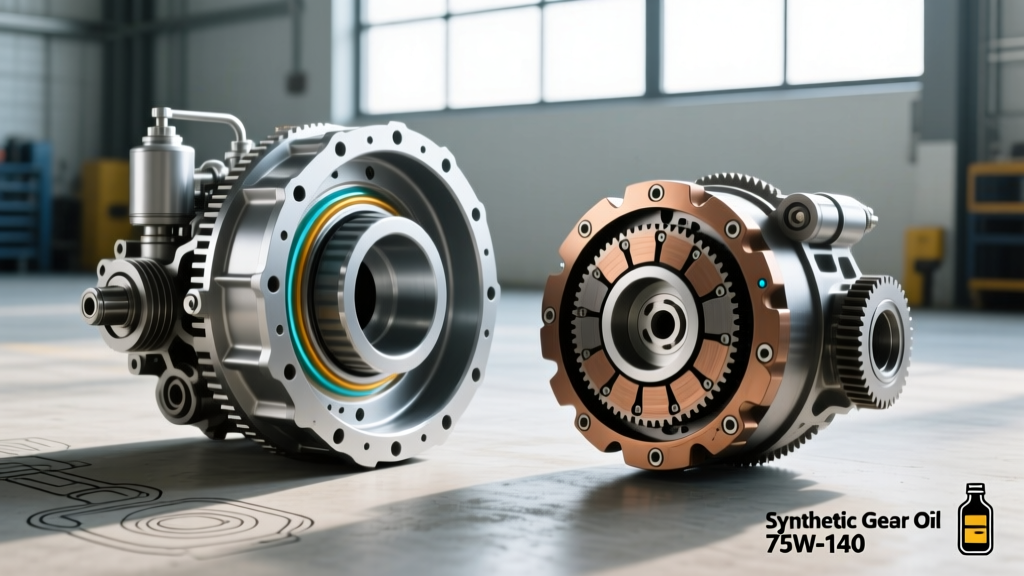
To counter the flaws of the open design, Ford offers traction-aiding differentials. It is vital for buyers to understand the distinction between a traditional clutch-based Limited Slip Differential (LSD) and Ford's factory Electronic Locking Differential (E-Locker), as both are often conflated in marketing materials.
Clutch-Type LSD (Aftermarket & Base Upgrades)
Clutch-type LSDs (like those manufactured by Eaton or Auburn) use a stack of friction clutches to resist the speed differential between the two wheels. When one wheel slips, the clutch pack binds, transferring torque to the wheel with grip. While excellent for snow and light off-roading, clutch packs wear out over time and require specific fluid additives to prevent shuddering during tight turns.
Ford's Electronic Locking Rear Differential (E-Locker)
Available as a factory option on most F-150 trims (typically a $400 to $500 upcharge on the window sticker), the E-Locker is technically a true locking differential, not a limited slip. When engaged via a dash switch, a pneumatic or electromagnetic actuator locks the axles together, forcing both wheels to spin at the exact same RPM. This provides maximum traction in deep mud or rock crawling but must be disengaged on dry pavement to avoid catastrophic axle binding and component failure.
Head-to-Head Comparison: F150 Rear Axle Options
| Feature | Open Differential | Clutch-Type LSD | Ford E-Locker |
|---|---|---|---|
| Traction Level | Low (1-wheel drive) | Medium/High (Variable) | Maximum (Locked) |
| Dry Pavement Use | Excellent | Good (Requires Modifiers) | Poor (Must Disengage) |
| Fluid Requirement | Standard 75W-140 | 75W-140 + Friction Modifier | Standard 75W-140 |
| Maintenance Cost | Lowest | Highest (Clutch Rebuilds) | Moderate (Actuator/Sensor) |
| Best Application | Highway / Fleet | Snow / Towing / Street | Off-Road / Boat Ramps |
Fluid Specifications: The Hidden Cost of Traction
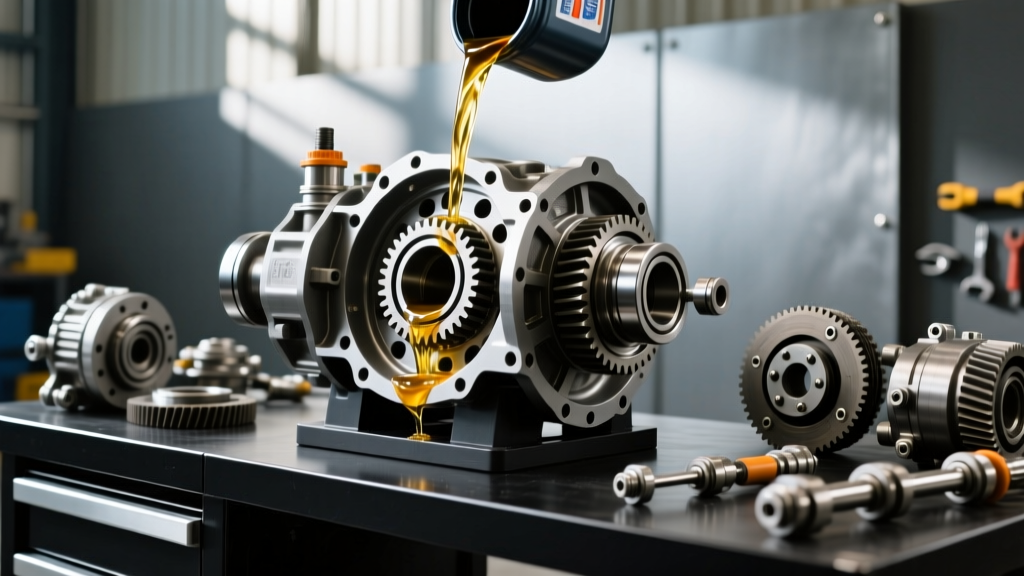
Because this guide focuses heavily on drivetrain longevity, we must address the lifeblood of the F150 rear differential: the gear oil. Modern F-150s, especially those equipped with the EcoBoost engines and high towing capacities, generate immense thermal loads in the rear axle. Ford's engineering team shifted away from conventional 80W-90 oils in favor of full synthetic 75W-140 to protect the ring and pinion gears under heavy load.
Motorcraft Part Numbers and Capacities
When servicing your F150 rear differential, using the correct fluid is non-negotiable. Below are the factory specifications for the most common F-150 axles:
- Standard Gear Oil: Motorcraft SAE 75W-140 Premium Synthetic Rear Axle Lubricant (Part # XY-75W140-QL). This is suitable for open differentials and E-Lockers.
- Friction Modifier: Motorcraft XL-3 Friction Modifier (Part # EST-M2C118-A). Mandatory for clutch-type LSDs to prevent chatter and premature clutch pack failure.
- 9.75-inch Axle Capacity: Approximately 3.5 pints (1.65 Liters).
- 10.5-inch Sterling Axle Capacity (HDPP): Approximately 4.0 pints (1.9 Liters).
Expert Warning: If you own a clutch-type LSD and experience a rhythmic 'chatter' or vibration when turning at low speeds (like pulling into a parking space), your friction modifier has depleted. Adding 4 to 8 ounces of XL-3 modifier and driving in figure-eights to work the fluid into the clutch packs will usually resolve the issue without requiring a teardown.
Service Torque Specifications
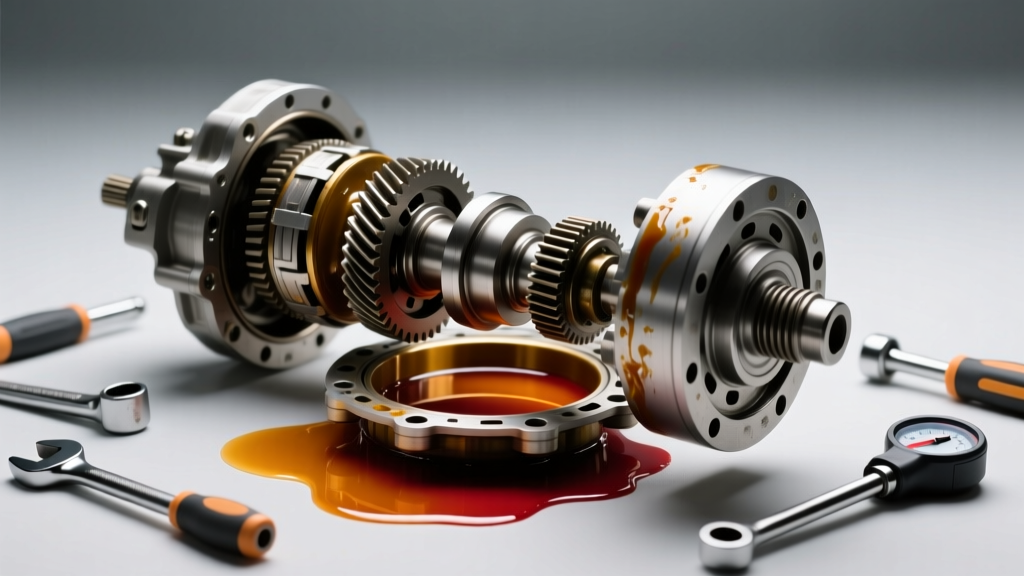
Proper reassembly of the differential cover is critical to prevent leaks that can starve the ring gear of oil. According to F150Forum drivetrain archives and Ford workshop manuals, adhere to these torque specs during a fluid change:
- 9.75-inch Diff Cover Bolts (13mm): 33 lb-ft (45 Nm). Always use a crisscross tightening pattern.
- 10.5-inch Sterling Cover Bolts: 35 lb-ft (47 Nm).
- Fill Plug (3/8-inch Drive Square): 33 lb-ft (45 Nm). Do not overtighten, as the aluminum or stamped steel housings can strip easily.
Real-World Costs and Upgrade Paths
If you are buying a used F-150 with an open differential and regretting it, upgrading the carrier is a popular modification. An aftermarket clutch-type LSD (such as an Auburn Pro-Series or Eaton Truetrac) will cost between $600 and $900 for the part alone. Professional installation, including carrier bearings, crush sleeves, and setup labor, typically adds $400 to $600 to the bill. Furthermore, the Truetrac (a helical gear design) is highly recommended for F-150 owners who want limited-slip traction without the maintenance headache of clutch packs and friction modifiers.
Conversely, if you are ordering a new F-150 directly from the factory, selecting the Electronic Locking Rear Differential is a no-brainer for anyone living in rural areas or towing frequently. The $450 factory option is vastly cheaper than attempting to retrofit an OEM e-locker harness, switch, and axle assembly into a truck that didn't leave the Ford assembly line with one.
The Verdict: Which Axle Setup Fits Your Build?
Choosing the right F150 rear differential comes down to an honest assessment of your truck's duty cycle. If your F-150 is a dedicated highway cruiser or a light-duty fleet vehicle, stick with the Open Differential to minimize maintenance costs and maximize tire life. If you frequently tow heavy trailers, navigate unplowed snow, or drive on wet boat ramps, the Ford E-Locker provides the most reliable, maintenance-free traction available. Finally, for high-performance street trucks or rally-style builds where seamless torque biasing is required without the harsh locking engagement of an E-Locker, an aftermarket helical gear LSD is the ultimate, albeit most expensive, solution. Regardless of your choice, adhering to strict 75W-140 synthetic fluid intervals every 50,000 miles (or immediately after water submersion) will ensure your F-150's axle outlasts the truck itself.