Understanding Electromagnetic PTO Systems in Commercial Drivetrains
In the realm of commercial landscaping, light-agricultural fleets, and industrial groundskeeping, the Power Take-Off (PTO) clutch is the critical bridge between the engine's rotational output and the cutting or implement deck. While automotive transmission diagnostics often focus on internal friction bands and torque converters, heavy-duty commercial equipment relies on electromagnetic engagement. When fleet technicians encounter electric PTO clutch problems, the symptoms—ranging from severe drivetrain vibration to sudden implement disengagement—can easily be misdiagnosed as engine misfires or internal gearbox failures.
This 2026 diagnostic guide and buyer's comparison breaks down the exact failure modes of electromagnetic PTO clutches, provides actionable root cause analysis, and compares the top replacement options on the market to help you make an informed purchasing decision.
Anatomy of an Electric PTO Clutch
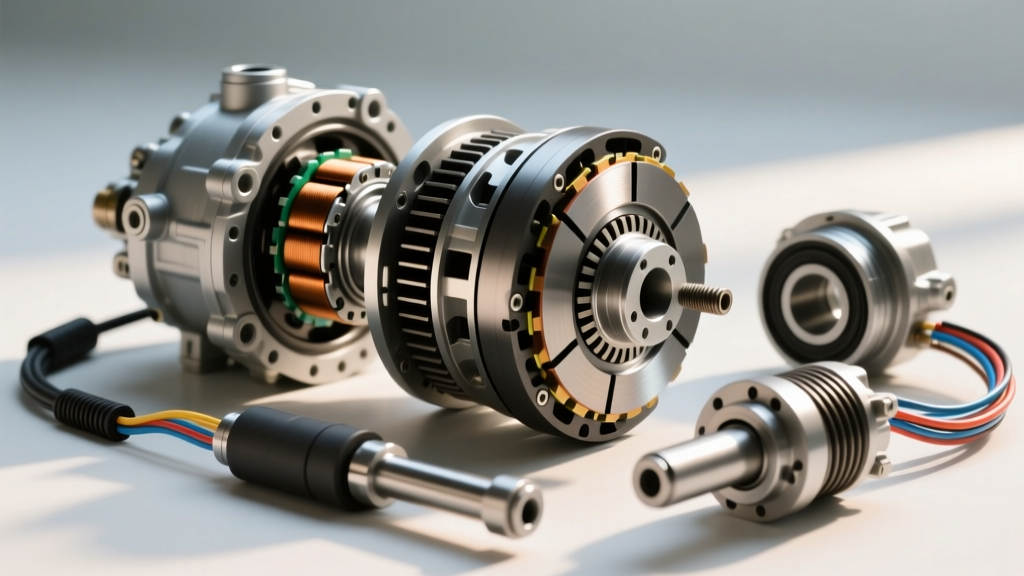
Before diagnosing a failure, it is essential to understand the internal architecture of a standard electromagnetic PTO clutch, commonly found on vertical-shaft engines like the Kawasaki FX series or Kohler Command PRO. The assembly consists of four primary components:
- The Rotor (Field Assembly): Contains the electromagnetic coil and is bolted directly to the engine crankshaft. It spins continuously when the engine is running.
- The Armature: A heavy steel disc that is pulled against the rotor when the coil is energized.
- The Friction Disc: Bonded to the armature, this provides the mechanical grip necessary to transfer torque.
- The Pulley Hub (Output): Connected to the armature via a spline or keyway, driving the accessory belt.
Top 3 Electric PTO Clutch Problems & Root Cause Analysis
When an operator reports that the mower deck 'chatters' upon engagement or the blades stop spinning under heavy load, the issue usually traces back to one of three specific failure modes.
1. Air Gap Drift and Premature Armature Wear
The Symptom: The clutch slips under load, generating excessive heat and a distinct burning odor. Engagement becomes delayed or spongy.
Root Cause: As the friction disc wears down from normal operation, the physical distance between the armature and the rotor (the 'air gap') increases. Electromagnetic flux density drops exponentially as the gap widens. Once the gap exceeds 0.025 inches, the magnetic field can no longer pull the armature tight enough to prevent micro-slipping. This slipping generates immense heat, which eventually degrades the coil's internal epoxy.
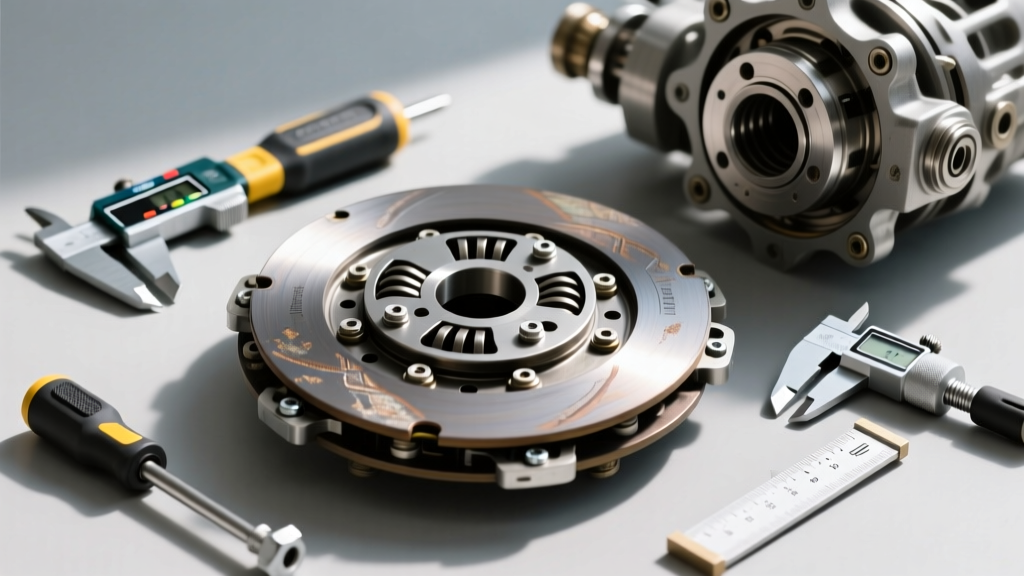
The Fix: Measure the air gap with a feeler gauge through the inspection slots. Most OEMs (like Ogura and Warner Electric) specify an optimal operating gap of 0.012 to 0.018 inches. If adjustable, loosen the lock nuts and reset the gap. If the friction material is worn below the rivet heads or the minimum thickness stamp, replacement is mandatory.
2. Coil Burnout from Voltage Spikes and Ground Faults
The Symptom: Complete failure to engage. The clutch remains dead even when the PTO switch is pulled.
Root Cause: Electromagnetic coils are highly sensitive to voltage irregularities. A 12V PTO clutch typically draws 2.5 to 4.0 amps. If the equipment's stator is failing, or if there is high resistance in the wiring harness (often due to corroded Deutsch connectors or a failing relay), the voltage at the clutch terminals may drop below 10.5V. To maintain the magnetic field, the coil draws higher amperage, leading to thermal runaway and melted internal windings. Conversely, voltage spikes from a failing voltage regulator can instantly fry the coil's insulation.
The Fix: Do not replace the clutch until you test the wiring. Use a digital multimeter to check for voltage drop across the ground circuit. A drop greater than 0.2V on the ground side indicates severe corrosion that will destroy a new clutch within weeks.
3. Bearing Seizure and Rotor Wobble
The Symptom: High-pitched squealing, lateral belt throw, and severe vibration transmitted through the engine block.
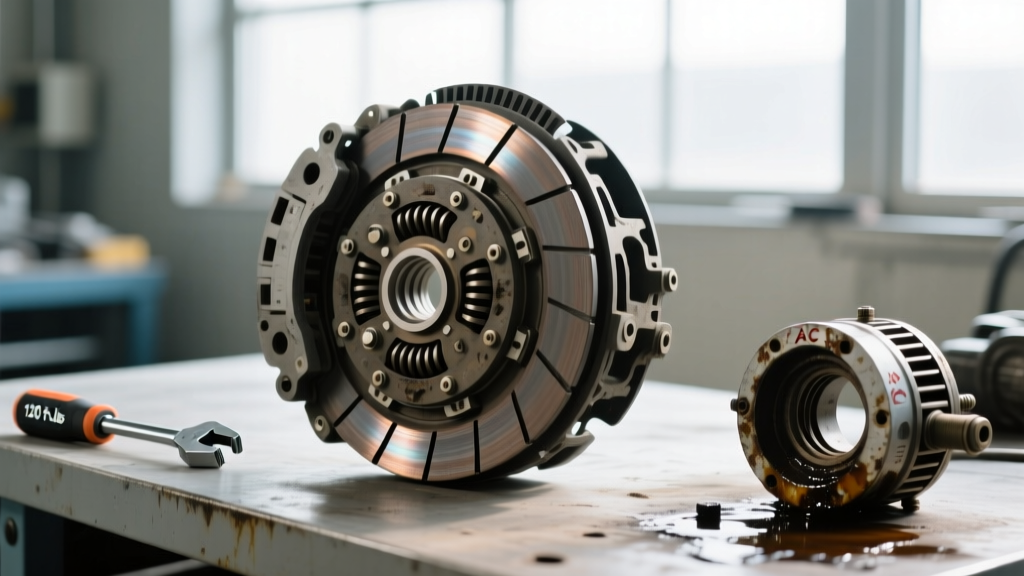
Root Cause: PTO clutches utilize sealed ball bearings to support the pulley hub. Fleet operators frequently pressure-wash equipment decks. High-pressure water bypasses the bearing seals, washing out the synthetic grease and introducing silica grit. Additionally, over-tensioning the Kevlar drive belts places extreme lateral loads on the bearings, causing premature brinelling and cage failure.
2026 Buyer's Comparison: OEM vs. Aftermarket PTO Clutches
When root cause analysis dictates a full replacement, buyers must choose between OEM, premium aftermarket, and budget imports. Below is our 2026 comparison matrix based on fleet durability testing, thermal dissipation, and torque capacity.
| Brand / Series | Classification | Torque Rating | Coil Temp Rating | Avg. Price (2026) | Best Application |
|---|---|---|---|---|---|
| Warner Electric 5218 | Premium OEM | 125 lb-ft | 220°C (Epoxy) | $280 - $340 | Commercial Zero-Turns (Exmark, Toro) |
| Xtreme Outback X0072 | Heavy-Duty Aftermarket | 160 lb-ft | 240°C (High-Temp) | $160 - $195 | Brush Hogging, High-Debris Environments |
| Ogura GT2.5 Series | OEM / Industrial | 110 lb-ft | 200°C (Standard) | $220 - $260 | Mid-Range Commercial, Agricultural PTOs |
| Generic Import (eBay/Amazon) | Budget | 85 lb-ft | 150°C (Low-Grade) | $65 - $90 | Residential / Light-Duty Only |
Expert Verdict: For commercial fleets operating in high-ambient temperatures, the Xtreme Outback series offers superior thermal mass and a higher torque rating than many OEM units, making it our top aftermarket recommendation. However, for strict warranty compliance on newer equipment, stick with the Warner Electric or Ogura OEM equivalents. Avoid budget imports entirely; their inferior friction compounds lead to rapid air-gap drift and frequent downtime.
Diagnostic Workflow: Multimeter & Feeler Gauge Specs
Follow this exact diagnostic sequence before authorizing a replacement part:
- Visual Inspection: Check for bluish heat marks on the rotor face. Blueing indicates the clutch has been slipping and reached temperatures exceeding 600°F.
- Air Gap Measurement: Insert a feeler gauge through the armature slots. Target: 0.015'. If it exceeds 0.025', attempt adjustment.
- Coil Resistance Test: Disconnect the clutch plug. Set your multimeter to Ohms (200 setting). Place probes on the clutch terminals. A healthy 12V clutch should read between 2.2 and 3.8 Ohms. A reading of 'OL' (Open Loop) means the internal wire is snapped. A reading near 0.0 means the coil is shorted.
- Voltage Supply Test: Reconnect the harness, back-probe the connector, and engage the PTO. You must see a minimum of 12.2V DC at the clutch terminals while the engine is at 3600 RPM. If voltage is 11.8V or lower, diagnose the stator, rectifier, or PTO relay before replacing the clutch.
Installation Torque Specs & Preventative Maintenance
Improper installation is the leading cause of premature failure in new PTO clutches. The engine crankshaft and clutch rotor must mate perfectly to prevent harmonic vibration, which will shatter the internal coil epoxy.
Critical Installation Specifications
- Crankshaft Preparation: Clean the crankshaft threads and mating surface with brake cleaner. Remove all rust and debris. The clutch rotor must sit perfectly flush against the crankshaft shoulder.
- Spline Lubrication: Apply a very light coat of Molybdenum Disulfide (Moly) anti-seize to the crankshaft spline only. Never allow lubricant to contact the friction surfaces or the air gap area.
- Mounting Bolt Torque: For standard 5/8'-18 UNF crankshaft threads, torque the center mounting bolt to 55 - 65 lb-ft. Always use a hardened flat washer.
- Threadlocker: Apply a medium-strength threadlocker (such as Loctite 243) to the mounting bolt threads to prevent backing out under high-frequency vibration.
- Belt Tension: Over-tightening the drive belt destroys the PTO bearings. Use a belt tension gauge. For standard 1/2' Kevlar belts, target 45 lbs of force to achieve a 1/2-inch deflection at the longest span of the belt drive.
Summary: Protecting Your Drivetrain Investment
Electric PTO clutch problems are rarely isolated incidents; they are usually symptoms of broader electrical or maintenance deficiencies within the equipment's drivetrain ecosystem. By adhering to strict diagnostic protocols—verifying voltage supply, measuring air gaps, and selecting high-torque aftermarket replacements like the Xtreme Outback or premium OEM units from Warner Electric—fleet managers can eliminate repeat failures, reduce deck chatter, and ensure seamless power transfer from the engine to the implement.