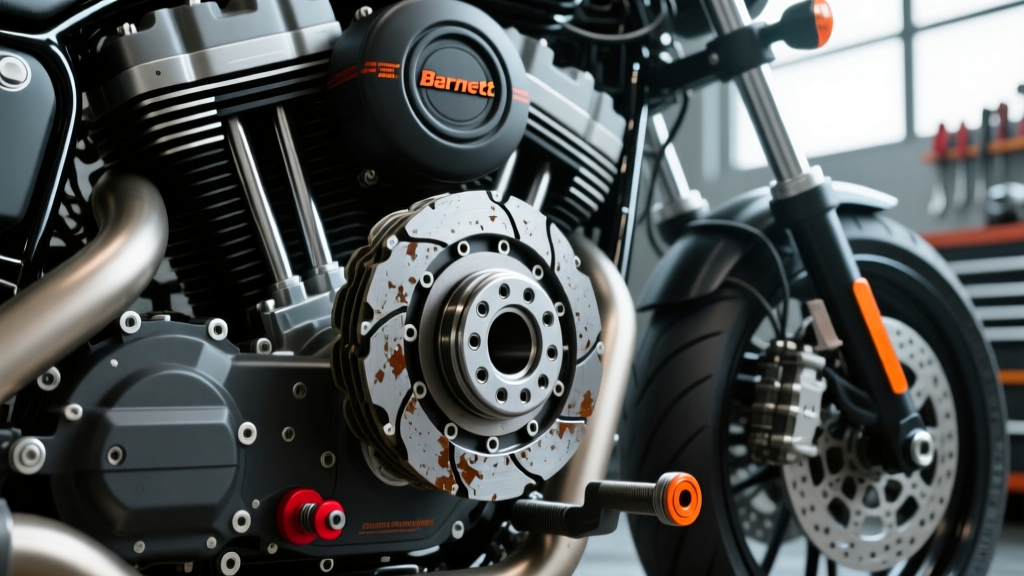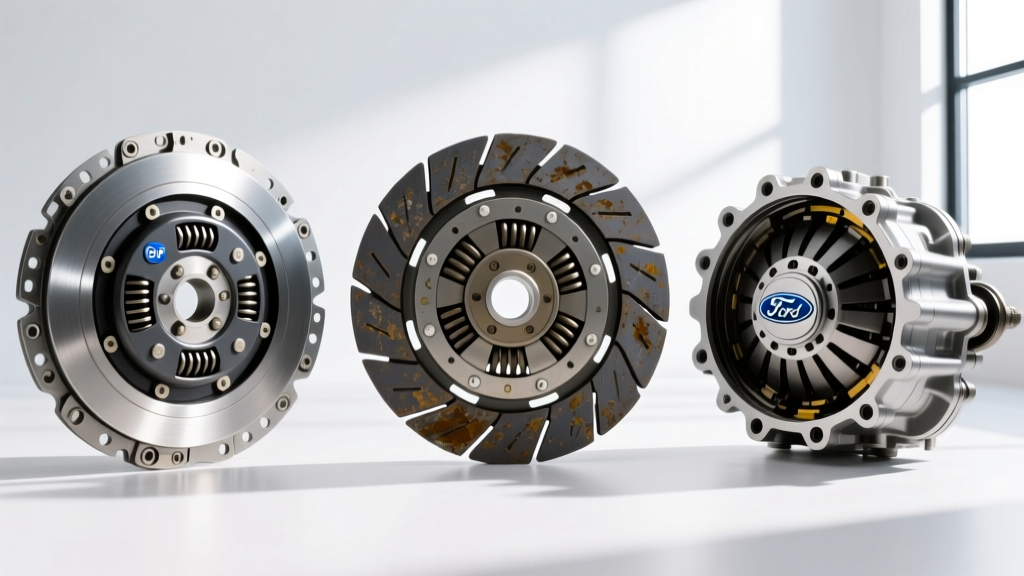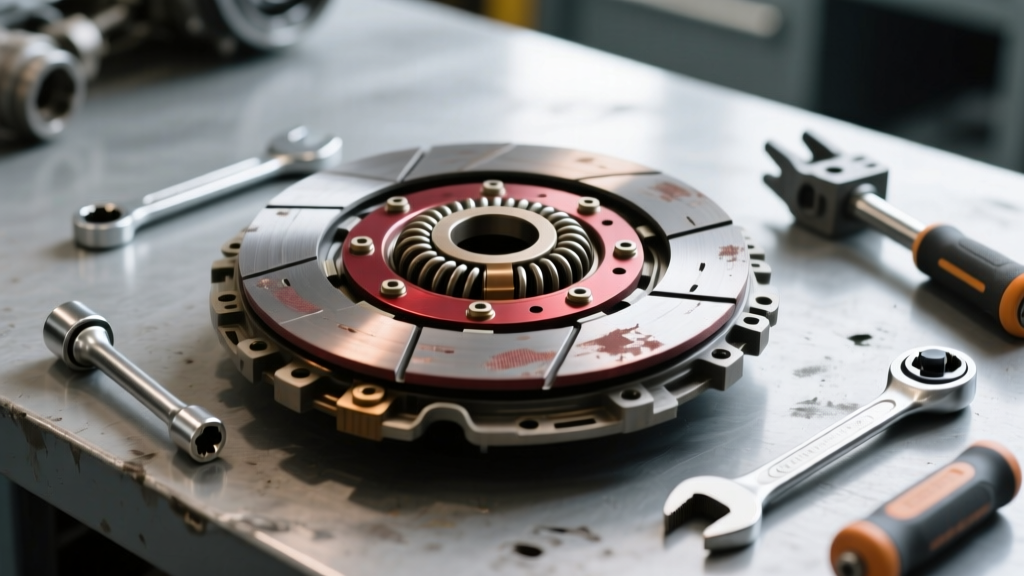
The Basics: What's Dual Clutch in Powersports?
If you have been shopping for a modern side-by-side or a touring motorcycle, you have likely seen the letters 'DCT' or 'PDK' plastered on the bodywork. But for many beginners and even seasoned gearheads, the question remains: what's dual clutch technology, and how does it actually work off-road or on two wheels?
In the simplest terms, a Dual Clutch Transmission (DCT) is an automated manual transmission. Unlike a traditional automatic that uses a torque converter and planetary gearsets, or a Continuously Variable Transmission (CVT) that uses belts and pulleys, a DCT uses actual physical gears and friction clutch packs. The 'dual' part of the name comes from the fact that the system utilizes two separate clutch packs housed in the same unit.
Think of it like a relay race. One clutch pack controls the odd gears (1st, 3rd, 5th), while the second clutch pack controls the even gears (2nd, 4th, 6th). When you are accelerating in 1st gear, the transmission's computer and hydraulic actuators are already pre-selecting 2nd gear on the second clutch pack. When the shift point arrives, the first clutch simply releases while the second clutch engages simultaneously. The result? Lightning-fast, seamless power delivery without the belt slip of a CVT or the manual lever-pulling of a traditional clutch.
According to Honda Powersports, their DCT system has become a staple in models like the Africa Twin CRF1100L and the Pioneer 1000, offering the durability of a manual with the convenience of an automatic. Similarly, Polaris has introduced their Pro Drive (PDK) system in the Ranger lineup to compete in the utility space.
How DCT Compares to Traditional ATV Transmissions
Before we dive into diagnostics and clutch problems, it helps to understand where DCT sits in the powersports ecosystem. Here is a quick breakdown of how it compares to the alternatives you will find on the trail.
| Feature | Dual Clutch (DCT/PDK) | CVT (Belt & Pulley) | Traditional Manual |
|---|---|---|---|
| Power Delivery | Direct, mechanical, zero slip | Smooth but prone to belt slip | Direct, rider-dependent |
| Engine Braking | Excellent (programmable) | Weak (requires one-way bearings) | Excellent |
| Maintenance | Fluid changes, clutch pack wear | Frequent belt & roller changes | Cable adjustments, plate wear |
| Low-Range Crawling | High heat generation | High belt wear/burn risk | High rider fatigue, plate wear |
Top 4 Dual Clutch Problems in Motorcycles and ATVs
While DCT systems are incredibly robust, they are not immune to failure. Because they rely on a complex marriage of hydraulics, electronics, and friction materials, diagnosing a problem requires looking at all three systems. Here are the most common clutch problems specific to motorcycles and ATVs equipped with dual-clutch tech.
1. Actuator Motor Burnout (The Flashing 'D' Light)
The most common electronic failure in powersports DCTs is the shift drum actuator motor. This electric motor is responsible for physically rotating the shift drum to move the shift forks. In heavy mud or when the vehicle is bogged down in deep sand, the resistance on the drivetrain can cause the actuator to overwork, overheat, and eventually burn out its internal brushes or blow a fuse.
Symptoms: The dashboard gear indicator (usually a 'D' or gear number) will flash rapidly. The ECU will immediately put the vehicle into 'Limp Mode,' locking it into 2nd gear to protect the transmission.
Diagnostic Fix: Check the 10A or 15A DCT/PGM-FI fuses first. If fuses are intact, use an OBD2 scanner with powersports capabilities to pull the specific actuator stall code. As noted by Cycle World in their long-term adventure bike reviews, keeping the actuator motor clean and free of moisture intrusion is critical for longevity.
2. Clutch Pack Shudder and Glazing
Just like a manual clutch, the friction plates inside a DCT can wear out or glaze over. However, because the DCT relies on hydraulic pressure to feather the clutch during low-speed maneuvers, glazing happens faster if the rider or driver frequently 'rides' the throttle at crawling speeds.
Symptoms: A pronounced shudder or vibration felt through the chassis or handlebars when taking off from a dead stop, typically between 5 and 15 mph. You may also notice delayed engagement when shifting from Neutral to Drive.
Diagnostic Fix: Pull the clutch cover and inspect the friction and steel plates. Measure the friction plates with a micrometer; for example, Honda's service limit for many ATV DCT friction plates is around 2.8mm. If they are glazed (shiny and smooth) or below spec, the entire clutch pack must be replaced. Always replace the clutch springs simultaneously, as they lose tension over time.
3. Low-Range Overheating in Mud Crawlers
Dual clutch systems generate immense heat when slipping the clutch packs at low RPMs. In an ATV like the Honda Pioneer 1000, crawling through a mud bog in 'Low Range' at 2 mph requires the clutches to slip continuously. Unlike a CVT that might just burn a belt, a DCT will overheat its hydraulic fluid, leading to a severe drop in line pressure.
Symptoms: The temperature warning light illuminates, followed by a loss of hydraulic pressure. The clutches will fail to clamp down fully, resulting in massive RPM flaring (engine revs but the vehicle barely moves).
Diagnostic Fix: Stop immediately and let the system cool. If this happens frequently, you must check the DCT fluid filter (often located behind a small cap on the side of the crankcase) for metallic debris or clogged friction material. Upgrading to an aftermarket DCT fluid cooler is a common modification for heavy utility users.
4. Hydraulic Solenoid Sticking
The DCT uses a series of electronic solenoids to route high-pressure fluid to the correct clutch pack. If the DCT fluid becomes contaminated with microscopic clutch material or water (from a bad breather hose), these solenoids can stick open or closed.
Symptoms: Harsh, banging shifts, or the transmission unexpectedly dropping into Neutral while riding.
Diagnostic Fix: A complete fluid flush and filter replacement is the first step. If the issue persists, the solenoid valve body assembly must be removed and bench-tested for electrical resistance (typically between 3.5 and 5.0 ohms at room temperature).
Real-World Diagnostics: Fluids, Torques, and Part Numbers
When turning wrenches on a dual-clutch powersports vehicle, using the correct fluids and adhering to precise torque specifications is non-negotiable. The wrong fluid will destroy the clutch friction material in a matter of miles.
- Honda ATV/SxS (Pioneer/Talon): Requires Honda HCF-2 (08200-HCF2) fluid. Never use standard engine oil or CVT fluid. Capacity is typically 3.6 to 3.8 Liters. Filter part number: 15412-HL7-A01.
- Honda Motorcycles (Africa Twin/Rebel 1100): The DCT shares the engine oil circuit. Use Honda GN4 10W-30 or 10W-40. The hydraulic control circuit is sealed internally but relies on the internal strainer (Part # 15410-MJN-A01) being clean.
- Polaris PDK (Ranger/Xpedition): Requires specific Polaris PDK Fluid. Do not substitute with AGL or Demand Drive fluids.
- Torque Specs: When reinstalling the clutch lifter or spring bolts on a Honda DCT, the standard torque spec is 12 Nm (8.7 lb-ft). Always use a crisscross pattern to ensure even pressure on the pressure plate. Over-torquing will warp the plate and cause immediate shudder.
Repair Costs and Decision Framework
If you are diagnosing a DCT issue, you need to know whether you are facing a simple maintenance job or a catastrophic failure. Here is a realistic look at powersports DCT repair costs in the current market.
| Component / Service | Estimated Parts Cost | Difficulty Level |
|---|---|---|
| DCT Fluid & Filter Change | $60 - $90 | Beginner (1 Hour) |
| Friction & Steel Plate Rebuild | $250 - $450 | Intermediate (4 Hours) |
| Shift Actuator Motor Replacement | $700 - $1,100 | Intermediate (3 Hours) |
| Complete Valve Body / Solenoid Pack | $800 - $1,400 | Advanced (6+ Hours) |
Final Thoughts on Powersports DCTs
So, what's dual clutch technology really about? It is about merging the mechanical grip of a manual transmission with the push-button ease of an automatic. While they introduce new diagnostic challenges—like actuator motors and hydraulic solenoids—they eliminate the endless belt replacements and clutch-cable adjustments of the past. By staying on top of your HCF-2 or PDK fluid intervals and respecting the heat limits of the clutch packs during low-speed crawling, your DCT will easily outlast the rest of the vehicle. For more deep-dives into transmission diagnostics, consult your factory service manual or visit Polaris and Honda's official tech portals for the latest TSBs (Technical Service Bulletins).