The Great Terminology Trap: Exhaust vs. Drivetrain
When diving into truck modifications, diesel maintenance, and drivetrain upgrades, beginners frequently encounter a massive linguistic roadblock. The word 'differential' is thrown around in completely unrelated contexts, leading to immense confusion on forums and in repair manuals. The most common mix-up occurs when new enthusiasts confuse the DPF pressure differential with the mechanical axle differential.
Let us clear this up immediately. A DPF pressure differential refers to the variance in exhaust gas pressure before and after the Diesel Particulate Filter in modern diesel engines (like the Ford 6.7L Powerstroke or GM Duramax). Exhaust pressure sensors read this delta—often hovering between 2 to 5 kPa at idle and spiking during active regeneration—to tell the ECU when the filter is clogged with soot. It is an emissions and exhaust metric. It has absolutely zero mechanical connection to your axle, your gears, or your drivetrain.
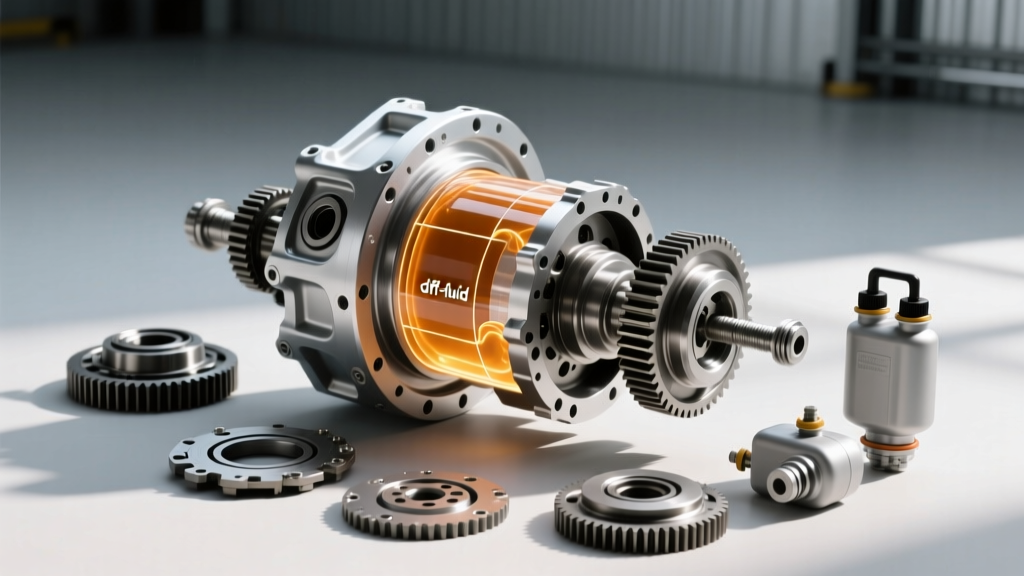
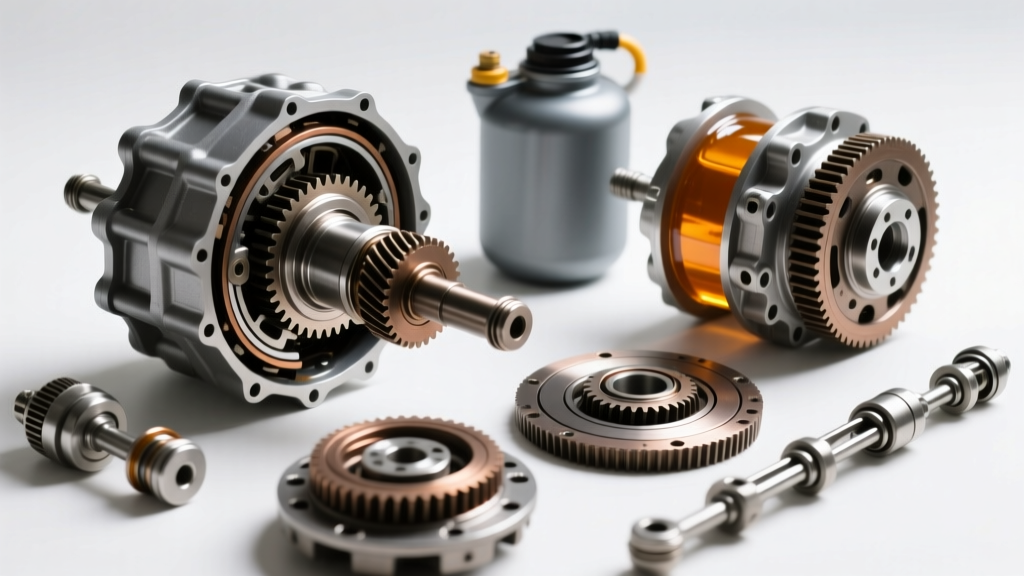
The mechanical axle differential, on the other hand, is a robust gearbox located between your drive wheels that splits engine torque while allowing the outside wheel to spin faster than the inside wheel during a turn. Inside this housing lives the heart of your drivetrain's gear reduction: the ring and pinion gear set. If you are here to learn about axle gearing, you are in the right place. Let us break down the ring and pinion gear setup process from a beginner-friendly perspective.
What is a Ring and Pinion Gear Setup?
The ring and pinion gear set is a hypoid gear arrangement. Unlike standard spur gears that meet dead-center, a hypoid pinion gear meshes with the ring gear on an offset centerline. This offset allows the driveshaft to sit lower, reducing the transmission tunnel hump in your vehicle's cabin. However, this sliding, wiping contact pattern generates massive friction and heat, which is why proper setup and high-quality differential fluid (like 75W-140 synthetic or 80W-90 mineral) are non-negotiable.
Setting up a ring and pinion is not just about bolting parts together. It is the精密 (precision) art of aligning the gears so that the teeth contact each other in the exact center of the tooth face under load. If the setup is off by even a few thousandths of an inch, the gears will whine, overheat, and eventually shatter under torque.
Understanding the Gear Contact Pattern
To achieve a perfect setup, mechanics use a yellow or black gear marking compound painted onto the ring gear teeth. By rotating the assembly by hand, you 'print' a pattern that reveals how the gears mesh. You are evaluating four distinct areas of the tooth:
- Toe: The inner edge of the ring gear tooth (closest to the center of the differential).
- Heel: The outer edge of the ring gear tooth (closest to the ring gear bolt flange).
- Face (Top):strong> The top land of the tooth.
- Flank (Bottom): The root area of the tooth.
Pinion depth shims dictate the Toe-to-Heel pattern. If your pattern is biased heavily toward the toe, the pinion is too close to the ring gear centerline. Backlash (the rotational play between the gears) dictates the Face-to-Flank pattern. Mastering the relationship between depth and backlash is the core of the ring and pinion gear setup.
Step-by-Step: Dialing in the Setup
A proper setup requires patience, specialized measuring tools, and a strict adherence to torque specifications. Here is how the process unfolds in a professional shop.
1. Pinion Depth and Bearing Preload
The pinion gear is pressed onto bearings and seated into the differential housing. The distance from the pinion head to the ring gear centerline is called pinion depth. This is adjusted using shims placed behind the pinion bearing or inside the pinion head. According to Yukon Gear Installation Guides, achieving the correct depth ensures the wiping action of the hypoid gears occurs on the strongest part of the tooth.
Once depth is established, you must set the pinion bearing preload. This is the rotational resistance of the pinion bearings. For a Ford 8.8-inch axle, this requires collapsing a 'crush sleeve' located between the bearings. Beginners often fail here: collapsing a new crush sleeve requires a massive, sudden torque spike (often exceeding 250 ft-lbs on the pinion nut) using a specialized holding tool. If you over-tighten it by even a fraction of a turn, you must throw the crush sleeve away and start over with a new one. Target preload for new bearings is typically 8 to 14 inch-pounds of rotational drag.
2. Setting Backlash
Backlash is the amount of rotational movement the ring gear can make while the pinion gear is held perfectly still. It is measured using a magnetic dial indicator mounted to the axle housing, with the indicator needle resting on a ring gear bolt head. Using a dead-blow hammer and adjusting the side bearing caps or shim packs, you move the entire ring gear assembly closer to or further from the pinion. As noted in the Spicer/Dana Installation Manuals, maintaining backlash within the manufacturer's tight tolerance window prevents gear binding under thermal expansion while minimizing driveline clunk.
Setup Specifications for Common Axles
Every axle model has unique engineering requirements. Below is a reference table for three of the most common light-truck and SUV axles found on the road today.
| Axle Model | Ring Gear Bolt Torque | Target Backlash | Pinion Preload (New Bearings) |
|---|---|---|---|
| GM 8.5-inch 10-Bolt | 70 ft-lbs (with Loctite) | 0.006 in. - 0.010 in. | 20 - 30 in-lbs |
| Ford 8.8-inch | 85 ft-lbs (with Loctite) | 0.008 in. - 0.012 in. | 8 - 14 in-lbs |
| Dana 44 (JK/TJ Wrangler) | 70 ft-lbs (with Loctite) | 0.006 in. - 0.010 in. | 15 - 25 in-lbs |
Note: Always use a high-strength thread locker (like Loctite Red 271) on ring gear bolts. The shear forces generated during hard acceleration will easily back out unsecured bolts, destroying the differential carrier.
Real-World Costs and Tool Requirements
If you are considering a DIY ring and pinion gear setup, you must factor in the cost of precision tools. You cannot eyeball a gear setup. Required tools include:
- Dial Indicator with Magnetic Base: Must read in 0.001-inch increments ($40 - $90).
- Beam-Style Inch-Pound Torque Wrench: Essential for reading rotational preload accurately ($60 - $120).
- Bearing Puller and Press: Timken bearings must be pressed on and off the pinion shaft; doing this with a hammer will ruin the bearing races ($150 for a basic shop press setup).
- Gear Marking Compound: Yellow for dark gears, black for light gears ($15).
Regarding parts, a quality ring and pinion set from reputable brands like Motive Gear, Yukon, or Revolution Gear will cost between $200 and $350. You will also need a Master Rebuild Kit ($150 to $220), which includes Timken or Koyo bearings, pinion shims, a new crush sleeve, pinion seal, and ring gear bolts. If you take this job to a professional drivetrain shop, expect to pay between $450 and $800 in labor, as a proper setup takes an experienced technician 3 to 5 hours of meticulous measuring, pressing, and pattern-reading.
A Note on Break-In Fluids
Because the type of fluid you use directly impacts the longevity of your new setup, pay attention to the break-in period. For the first 500 miles, many old-school builders recommend using a conventional, non-synthetic 80W-90 GL-5 gear oil. Synthetic fluids are incredibly slippery, which can sometimes prevent the microscopic high-spots on the new ring and pinion teeth from wearing into each other smoothly. After the 500-mile break-in and a mandatory fluid change to flush out the metallic break-in paste, you can safely fill the differential with a high-quality 75W-140 full synthetic fluid for maximum thermal protection and longevity.
Final Thoughts for the DIY Beginner
While the term DPF pressure differential belongs to the diesel exhaust world, the mechanical axle differential remains one of the most vital, load-bearing systems on your vehicle. A successful ring and pinion gear setup is a rite of passage for any serious automotive enthusiast. It requires abandoning the 'impact wrench and guess' mentality in favor of dial indicators, inch-pound torque readings, and patience. By respecting the tolerances, utilizing the correct shims, and verifying your gear contact pattern on both the drive and coast sides, you will build a differential that operates silently and survives decades of abuse.